


Home
Pregnancy, Breastfeeding, and Pumping: The Ultimate Guide for Moms
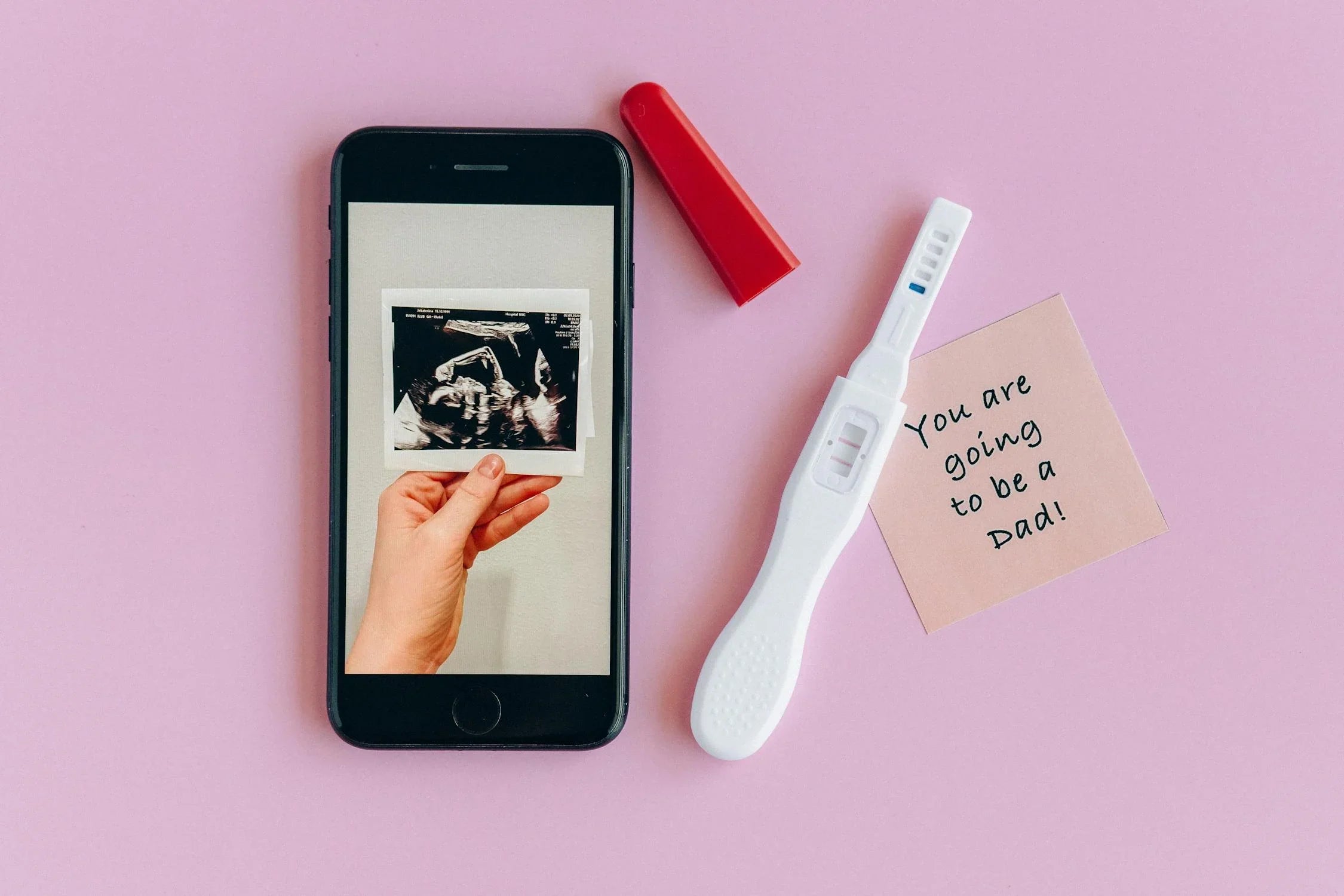
When Should You Take a Pregnancy Test: A Comprehensive Guide
When Should You Take a Pregnancy Test: A Comprehensive Guide
Understanding the "When" in Pregnancy Testing
Taking a pregnancy test is a moment filled with anticipation, anxiety, and hope. The single most important factor determining the accuracy of that result is timing. Testing too early can lead to a misleading negative, while waiting unnecessarily prolongs uncertainty. This comprehensive guide answers the critical question: when should you take a pregnancy test for a reliable answer?
We will delve into the science behind home tests, analyze the key variables that affect timing, and provide clear, scenario-based guidance. Whether you have a regular cycle, irregular periods, or are undergoing fertility treatments, understanding the principles outlined here will help you approach testing with greater confidence and clarity.
How Pregnancy Tests Work: The Science of hCG
All home pregnancy tests operate on the same fundamental principle: they detect the presence of the hormone human Chorionic Gonadotropin (hCG) in your urine. This hormone is produced by the cells that will eventually form the placenta, but only after a fertilized egg successfully implants into the uterine lining.
Implantation typically occurs 6 to 12 days after ovulation. Once implantation happens, hCG production begins. In early pregnancy, the level of hCG in your body doubles approximately every 48 to 72 hours. This rapid increase is why timing is so crucial; test too soon after implantation, and the hCG concentration may be below the test's detection threshold, resulting in a false negative.
The sensitivity of a pregnancy test is measured in milli-international units per milliliter (mIU/mL). A test with a sensitivity of 10 mIU/mL can detect lower levels of hCG earlier than a test rated for 25 mIU/mL. However, even the most sensitive tests require that implantation has occurred and that enough time has passed for hCG to build up to a detectable level.
Key Factors That Determine the Best Time to Test
Three primary factors interact to define the ideal testing window for you: your ovulation date, the regularity of your menstrual cycle, and the sensitivity of the test you use. The common advice to test "after your missed period" is a generalization that stems from these variables.
For a woman with a textbook 28-day cycle who ovulates on day 14, implantation might occur around day 20-24. By the time her period is due (day 28), hCG levels have had several days to rise, making detection likely. However, few cycles are perfectly textbook, which is why personalization is key.
The length of the luteal phase—the time between ovulation and your expected period—is relatively consistent for each person, typically 12-16 days. If you know when you ovulated, you can calculate a more precise testing date than relying solely on your calendar. This is why understanding your own cycle is the first step toward answering when should you take a pregnancy test accurately.
Tracking Your Cycle and Ovulation
If you are not actively tracking ovulation, you can estimate it based on your cycle length. Ovulation usually occurs about 14 days before your next expected period. Signs like changes in cervical mucus (becoming clear and stretchy, like egg whites), a slight rise in basal body temperature, or mild pelvic pain (mittelschmerz) can also be indicators.
Using ovulation predictor kits (OPKs) is a more precise method. These kits detect the luteinizing hormone (LH) surge that triggers ovulation. Tracking this surge allows you to pinpoint your fertile window and, subsequently, a more accurate timeline for when implantation and hCG production might begin.
For the purpose of pregnancy testing, the date of ovulation is your anchor. Since hCG is only produced post-implantation, and implantation occurs 6-12 days post-ovulation, testing before 8-10 days post-ovulation is generally too early, even for sensitive tests.
Understanding Test Sensitivity (mIU/mL)
Test sensitivity is a technical but vital specification. A test advertised as "early detection" will often have a sensitivity of 10 mIU/mL, meaning it can theoretically detect hCG at that concentration. A standard test might have a sensitivity of 25 mIU/mL.
While a 10 mIU/mL test can detect pregnancy earlier, it also operates in a zone where chemical pregnancies (very early miscarriages) are more likely to be detected. This can lead to emotional complexity. A more sensitive test is not inherently "better"; it is a tool that requires an understanding of its implications.
As a trusted maternal care brand, MomMed provides clear information on the sensitivity of its pregnancy tests, empowering you to make an informed choice. Our commitment is to support your journey with reliable, transparent products, from the first test to feeding gear like our wearable breast pumps.
When to Take a Pregnancy Test: Scenario-Based Guidance
General advice can only go so far. Your individual circumstances dictate the optimal testing strategy. Let's break down the recommendations for the most common scenarios.
If You Have a Regular Menstrual Cycle
For those with predictable cycles, the guideline is straightforward: test on or after the first day of your missed period. At this point, if you are pregnant, hCG levels are almost always high enough to be detected by any FDA-approved home pregnancy test, with accuracy rates often cited at 99%.
If you are eager to test earlier, wait until at least 10-12 days after ovulation. If you test at this point and get a negative, do not assume you are not pregnant. A negative result before your missed period is not definitive; you may have implanted later or have slower-rising hCG.
In this case, a negative early test should be followed by a second test if your period does not arrive. The discipline to wait, though difficult, is the best way to avoid the confusion and disappointment of a false negative.
If You Have an Irregular Menstrual Cycle
Irregular cycles make calendar-based timing unreliable. The "first day of your missed period" is hard to identify if you don't know when to expect it. In this situation, tracking ovulation becomes even more valuable.
If you are not tracking ovulation, the most practical approach is to test approximately 2-3 weeks after the last time you had unprotected sex. This allows enough time for ovulation, fertilization, implantation, and hCG buildup to occur.
Alternatively, if you experience potential early pregnancy symptoms (discussed next), use that as a cue to begin counting. Wait at least 1-2 weeks from when you suspect you might have ovulated before testing. Using a highly sensitive test may provide an answer sooner, but be prepared to retest for confirmation.
After Experiencing Early Pregnancy Symptoms
Early signs like breast tenderness, fatigue, nausea, and frequent urination can be prompting factors. However, these symptoms are notoriously similar to premenstrual syndrome (PMS). Relying on symptoms alone to time a test is not recommended.
If symptoms prompt you to test, ensure you have passed the minimum threshold post-ovulation. If your test is negative but your period still doesn't come and symptoms persist, retest 3-5 days later. Sometimes, a later ovulation means later hCG production.
It's crucial to remember that some women experience no early symptoms at all. The absence of symptoms does not mean you are not pregnant, just as their presence does not guarantee that you are.
After a Fertility Treatment or IUI/IVF
This scenario requires strict adherence to your fertility clinic's protocol. After procedures like IVF, you will be scheduled for a quantitative beta hCG blood test at a specific date post-embryo transfer (e.g., 9-14 days later).
It is strongly advised not to use home pregnancy tests early after a "trigger shot" (containing hCG). The exogenous hCG from the shot can remain in your system for up to 10-14 days, causing a false positive on a home test. Early testing can lead to unnecessary emotional turmoil.
Trust the timeline provided by your medical team. The blood test measures the exact level of hCG, providing more information than a simple positive/negative home result.
Maximizing Accuracy: How to Take a Pregnancy Test Correctly
Even perfect timing can be undermined by incorrect test usage. Following best practices ensures the result you see is trustworthy.
Best Practices for Testing
For the highest concentration of hCG, use your first-morning urine. If testing later in the day, hold your urine for 3-4 hours without excessive fluid intake to avoid dilution. Always check the test's expiration date and ensure the packaging is sealed.
Read the instructions thoroughly. Some tests require you to hold the stick in the stream, others require dipping. Note the required duration and the time window for reading results (usually 3-5 minutes). Reading a test after 10 minutes can sometimes show an evaporation line, which is not a positive result.
Set a timer. Interpreting the result within the specified window is a critical step in the process that many overlook in their anticipation.
Interpreting the Results: Next Steps
For a Positive Result: Any distinct line, even a faint one, in the test region typically indicates the presence of hCG. Congratulations! Your next step is to schedule an appointment with your healthcare provider for confirmation and to begin prenatal care.
For a Negative Result: If your period is late but the test is negative, the most likely cause is that you ovulated later than you thought. Wait 3-5 days and test again with first-morning urine. If you still get negatives and have no period after several weeks, consult your doctor to rule out other causes for missed periods.
Comparing Early Pregnancy Test Features
The following table compares key features of different types of pregnancy tests to help you make an informed choice.
| Feature / Test Type | Standard Digital Test | Early Detection Mid-Stream | Early Detection Dip Strip | Rapid Test Cassette |
|---|---|---|---|---|
| Typical Sensitivity (mIU/mL) | 25 | 10 | 10 | 10-25 |
| Best Time to Test | On/after missed period | 3-4 days before missed period* | 3-4 days before missed period* | On/after missed period |
| Result Format | "Pregnant" / "Not Pregnant" | Line(s) | Line(s) | Line(s) |
| Ease of Use | Very Easy | Easy | Moderate (requires cup) | Easy |
| Cost | Higher | Moderate | Lower | Moderate |
| Key Consideration | Unambiguous result; no line interpretation. | Can detect earlier; faint lines possible. | Cost-effective for multi-pack testing. | Often used in clinical settings; clear window. |
*Accuracy increases the closer you get to your missed period. Testing this early may yield a false negative.
Frequently Asked Questions (FAQ)
Can a pregnancy test be positive before a missed period?
Yes, it is possible, especially with high-sensitivity (10 mIU/mL) early detection tests. However, accuracy is lower the further you are from your expected period. A positive before your missed period is likely a true positive, but a negative is not definitive until your period arrives or you test again later.
How common are false negatives vs. false positives?
False negatives are very common, primarily due to testing too early. If hCG levels are below the test's threshold, the result will be negative even if pregnancy has begun. True false positives (a positive test when not pregnant) are rare. They can be caused by certain medications (like some fertility drugs), rare medical conditions (e.g., molar pregnancy, some cancers), or an evaporation line misread as positive.
Does a faint line mean I'm pregnant?
Yes, a faint but distinct line in the test region (not the control) usually indicates the presence of hCG, meaning you are pregnant. The line is faint because the hCG concentration is still low. To confirm, retest in 48 hours with first-morning urine; the line should become noticeably darker as hCG levels rise.
Can drinking too much water affect the test?
Absolutely. Excessive fluid intake dilutes your urine, which can lower the concentration of hCG below the test's detection limit, potentially causing a false negative. This is why using first-morning urine or holding your urine for several hours before testing is recommended for the most accurate result.
If I get a positive, when should I see a doctor?
Contact your healthcare provider to schedule your first prenatal appointment as soon as you have a positive home test. They will likely want to see you around 8 weeks from your last menstrual period for confirmation, a physical exam, and to discuss your prenatal care plan.
Navigating the Emotional Journey
The wait to test and the moment of reading the result is an emotional rollercoaster. It's normal to feel anxious, hopeful, or scared. Having a support person you can talk to, whether a partner, friend, or family member, can be invaluable.
If you are trying to conceive, consider buying tests in multi-packs to reduce cost-per-test and alleviate pressure on any single test. Remember, a negative test is often a "not yet" rather than a "never." Your journey is unique, and timing is just one part of a complex biological process.
MomMed understands this journey extends far beyond the test. From the moment you see that positive line, a new chapter begins. We are here to support you with reliable products for every stage, whether it's a comfortable, BPA-free pregnancy test kit or planning ahead with our innovative, award-winning S21 Wearable Breast Pump for the breastfeeding journey to come.
Conclusion: Empowered Testing for Informed Beginnings
Knowing when should you take a pregnancy test is the cornerstone of obtaining a clear, trustworthy result. By anchoring your test date to your ovulation, understanding your cycle, choosing an appropriate test, and following correct testing procedures, you take control of this pivotal moment. Listen to your body, but trust the science of hCG doubling times. A negative test before a missed period is an invitation to wait and retest, not a final answer. When you do get that positive result, it marks the beginning of an incredible journey. For every step—from confirming your pregnancy to feeding and caring for your newborn—trusted support matters. Shop the MomMed collection at mommed.com for all your breastfeeding and pregnancy needs, including our S21 Double Wearable Breast Pump, designed for modern moms who demand reliability, comfort, and innovation.