


Home
Pregnancy, Breastfeeding, and Pumping: The Ultimate Guide for Moms
When Should You Start Trying to Pump Breast Milk: A Complete Guide for New Moms
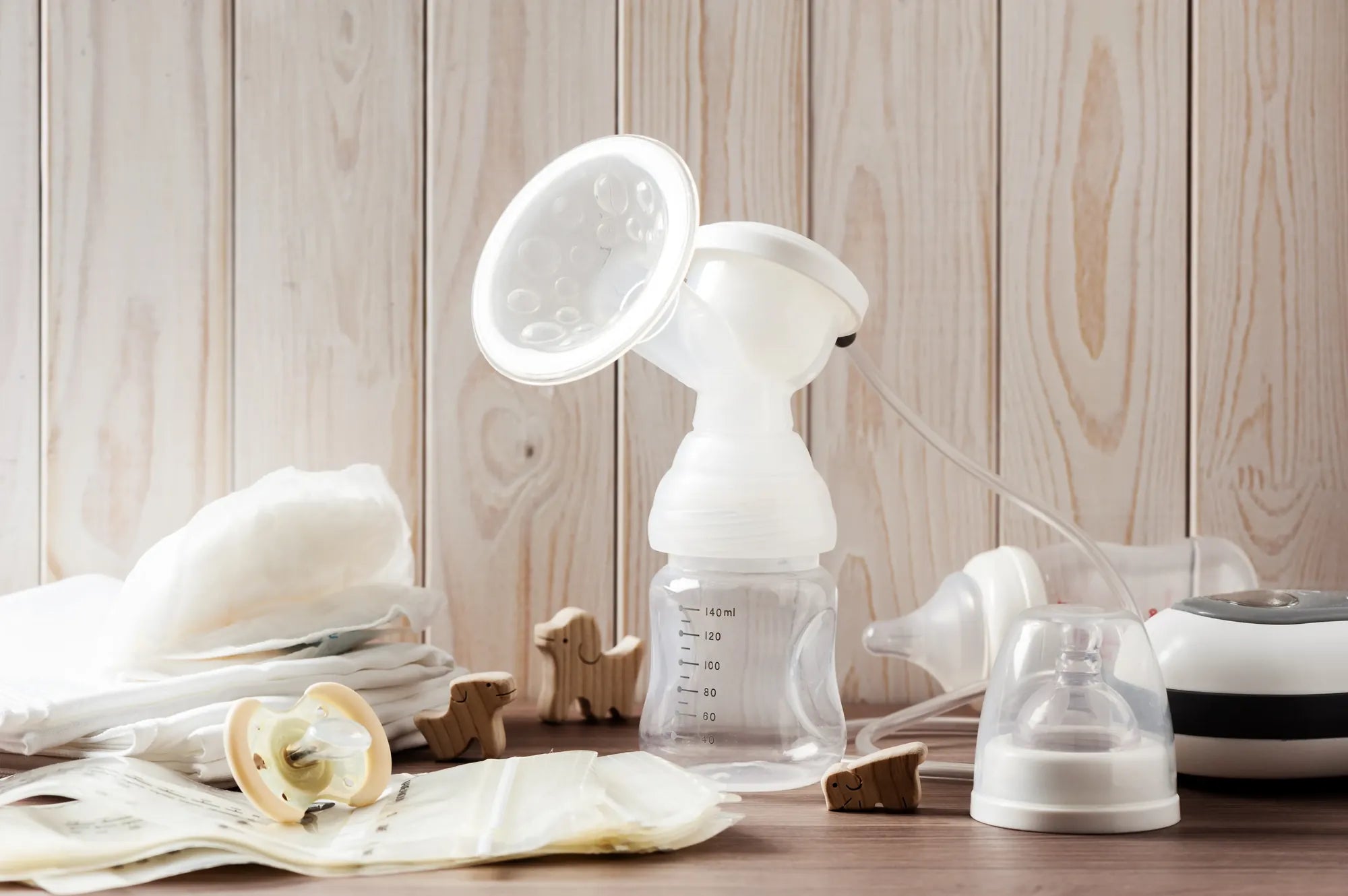
When Should You Start Trying to Pump Breast Milk: A Complete Guide for New Moms
Introduction to Pumping: A Supportive Start for Your Breastfeeding Journey
Deciding when to start trying to pump breast milk is one of the first significant questions many new and expecting mothers face. This decision can feel overwhelming, layered with concerns about supply, latch, and returning to work. The answer is deeply personal and depends entirely on your individual goals, your baby's needs, and your unique circumstances.
There is no universal rule, but there are evidence-based guidelines that can help you navigate this choice with confidence. Whether you're planning ahead or responding to an immediate need, understanding the "why" and "when" behind pumping sets the foundation for a more manageable and successful experience.
This guide is designed to empower you with factual, data-driven information. We'll explore the physiology of milk supply, outline key scenarios for starting, and provide practical steps to integrate pumping seamlessly. As a trusted maternal and baby care brand, MomMed specializes in creating reliable, comfortable, and innovative products like wearable breast pumps to support moms at every stage of their journey.
Establishing Your Milk Supply: The Critical First Weeks
The initial weeks postpartum are a sensitive period for establishing a robust and regulated milk supply. Your body operates on a pure supply-and-demand principle. The more milk is removed—typically by your baby nursing effectively—the more your body is signaled to produce.
For most mothers with healthy, full-term babies who latch well, lactation consultants recommend prioritizing direct, on-demand breastfeeding for at least the first 2 to 4 weeks. This period allows your baby to practice latching and helps your body calibrate milk production to your infant's specific needs. Introducing a pump too early, without a specific medical or personal reason, can sometimes lead to an oversupply, which can cause engorgement, mastitis, and a fussy baby struggling with fast let-down.
However, "on-demand" feeding is key. This often means 8-12 feeds in 24 hours. Frequent nursing in these early days helps bring in your mature milk and establishes strong prolactin receptor sites in your breast tissue, which are critical for long-term milk production. The goal is to build a solid foundation before introducing another variable, like a pump.
It's important to monitor for effective feeding cues: audible swallowing, consistent weight gain in your baby, and adequate wet and dirty diapers. If these signs are present, it often indicates that your supply is establishing well through nursing alone. During this phase, your focus can be on recovery, bonding, and mastering the art of breastfeeding without the added task of pump parts and storage logistics.
Key Scenarios for When to Start Pumping
While the standard advice is to wait, several common situations make starting to pump earlier not just advisable but necessary. Understanding these scenarios helps you make an informed decision tailored to your life.
Building a Stash for Returning to Work
Planning to return to work is one of the most frequent reasons mothers begin pumping. The optimal timeline is to start building a freezer stash about 3-4 weeks before your return date. Beginning earlier, such as at 4-6 weeks postpartum once breastfeeding is well-established, gives you a more relaxed timeline.
A gradual strategy is best to avoid creating an oversupply. A highly effective method is to add a single pumping session per day, typically in the morning when milk volume is often highest. Pump for 10-15 minutes after your baby's first morning feed. This capitalizes on a natural surplus without significantly disrupting your baby's next meal.
Consistency is more important than volume when starting. You may only collect half an ounce to an ounce at first. Over weeks, this consistent signal and removal will help you accumulate a valuable stash. Storing milk in small, 2-4 ounce portions prevents waste and allows for easy thawing for daycare.
Addressing Latch Issues or Medical Needs
In cases where direct breastfeeding is challenged, pumping may be recommended immediately or very early on. This includes babies with a weak or painful latch, tongue-tie, or those who are premature or have low birth weight and lack the stamina to nurse effectively.
For mothers and babies separated for medical reasons, such as a NICU stay, pumping is not just beneficial—it's essential. Initiating pumping within the first 6 hours after birth, and then consistently every 2-3 hours around the clock, mimics a newborn's feeding pattern and is critical for establishing and protecting your milk supply. This milk, especially the early colostrum, provides vital antibodies and nutrition for your vulnerable baby.
In these scenarios, a hospital-grade pump is often recommended initially due to its superior efficiency at milk removal, which is crucial for signaling production when direct nursing isn't possible. The priority is providing milk and building supply, with the hope of transitioning to direct breastfeeding later if possible.
Increasing Perceived Low Milk Supply
If you're concerned about low milk supply after your milk has come in (typically after 3-5 days postpartum), pumping can be a diagnostic and therapeutic tool. It's crucial to first consult with a lactation consultant or pediatrician to rule out other issues like ineffective latch or infrequent feeding.
To boost supply, a technique called "power pumping" is often recommended. This involves mimicking a cluster-feeding baby by pumping in a specific pattern: 20 minutes on, 10 minutes rest, 10 minutes on, 10 minutes rest, 10 minutes on. Doing this once a day for 3-7 days, ideally after a feed or when your baby is sleeping, can help increase prolactin levels and signal your body to produce more.
Remember, what you pump is not a direct measure of what your baby transfers. Babies are typically more efficient than pumps. Supplementing with pumped milk after nursing sessions can also help ensure your baby is full while providing the extra stimulation to increase overall production.
Creating Flexibility for Shared Feeding
For mothers who wish to share feeding duties with a partner or family member, pumping enables that valuable bonding opportunity. The recommended time to start for this purpose is once breastfeeding is well-established, usually around 4-6 weeks postpartum. This timing helps avoid potential nipple confusion or flow preference issues in the newborn period.
Starting with one bottle every few days is a good approach. Have your partner offer the bottle while you are in another room, as your baby can smell you and may refuse the bottle in favor of the breast. This not only gives you a longer stretch of sleep or personal time but also helps your baby become accustomed to taking milk from other caregivers, which is a useful skill for future separations.
Choosing a bottle nipple with a slow flow is essential to mimic the pace of breastfeeding and prevent overfeeding. This practice supports your mental health and fosters a team approach to infant care, making the feeding journey more sustainable for the entire family.
Choosing Your Pump: A Guide to Finding the Right Fit
The right breast pump can dramatically affect your comfort, efficiency, and overall success with pumping. The market offers various types, each designed for specific situations and lifestyles.
Hospital-Grade vs. Personal Use Pumps
Understanding the difference between these two categories is the first step in selecting the best tool for your needs.
Hospital-Grade Pumps: These are multi-user, durable pumps designed for maximum efficiency and milk removal. They are often rented and are ideal for establishing milk supply in the early days, especially for mothers of preterm infants, those exclusively pumping, or those working to increase a low supply. They are powerful and effective but are large, not portable, and intended for primary use in one location.
Personal Use Pumps: These are single-user pumps purchased for daily, long-term use. They include double-electric pumps, single-electric pumps, manual pumps, and the modern innovation: wearable pumps. They are designed for portability and convenience, making them suitable for mothers who pump at work, on the go, or as a supplement to breastfeeding. Their motor strength is sufficient for maintaining supply once it is well-established.
The Freedom of Wearable Pumps: Why Design Matters
Wearable breast pumps represent a significant advancement in pumping technology, offering unprecedented mobility and discretion. Unlike traditional pumps with long tubes and external bottles, wearable pumps fit completely inside your bra, are cordless, and operate quietly.
This design is revolutionary for active mothers. It allows you to pump while working at your desk, preparing dinner, caring for an older child, or even running errands. The psychological benefit of not being tethered to a wall or a bulky machine cannot be overstated; it gives mothers a sense of normalcy and control.
The MomMed S21 Double Wearable Breast Pump exemplifies this innovation. Its award-winning, ultra-quiet, and hands-free design is engineered for the modern mom. The pump motors sit discreetly in a bra cup, collecting milk directly into secure, sealed containers. This means no cords, no dangling bottles, and the freedom to move naturally. For a mother returning to work or managing a busy household, this technology adapts to her life, rather than requiring her life to adapt to a pumping schedule.
Key Features for Comfort and Efficiency
When evaluating any breast pump, several features are non-negotiable for a comfortable and effective experience.
Adjustable Suction and Modes: Look for pumps with multiple suction levels and patterns. A let-down (or stimulation) mode with quick, light pulls mimics a baby's initial suckling to trigger milk ejection. An expression mode with slower, deeper pulls then effectively removes the milk. Customizable settings allow you to find the most comfortable and productive rhythm.
Proper Flange Fit: The flange (or breast shield) is the tunnel that fits over your nipple. A correct fit is critical—it should allow your nipple to move freely without rubbing on the sides, and little to no areola should be pulled into the tunnel. Most pumps come with standard size flanges (24mm or 27mm), but many women need a different size. Ill-fitting flanges are a primary cause of pain, low output, and damaged nipples. MomMed pumps offer multiple flange size options to ensure a personalized, comfortable fit.
BPA-Free, Food-Grade Materials: All parts that come into contact with breast milk must be made from safe materials. MomMed uses only BPA-free, food-grade silicone and plastics, ensuring the highest standard of safety for your baby.
Ease of Cleaning: Pumps have multiple parts. Models with fewer parts or designs that are easy to disassemble and rinse save valuable time and reduce the risk of bacterial growth. Closed-system pumps prevent milk from backing up into the tubing and motor, making them more hygienic and easier to maintain.
| Feature | Hospital-Grade Pump | Standard Double Electric | Wearable Pump (e.g., MomMed S21) |
|---|---|---|---|
| Primary Use | Establishing supply, exclusive pumping, low supply issues | Daily use, maintaining supply, working moms | On-the-go pumping, discretion, active lifestyles |
| Portability | Low (stationary) | Moderate (needs outlet/battery pack) | High (cordless, fits in bra) |
| Noise Level | Moderate to High | Moderate | Ultra-Quiet |
| Hands-Free Operation | No | No (requires hands or special bra) | Yes (fully integrated) |
| Best For Stage | Early postpartum / Medical need | Established supply / Regular routine | Established supply / Mobility & flexibility |
Practical Pumping Tips for a Smooth Start
Once you've decided to start trying to pump breast milk, these practical strategies can help you begin effectively and comfortably.
Timing Your Sessions: If you are pumping in addition to breastfeeding, the best times are often in the morning when milk volume is highest, or about 30-60 minutes after a feed or between feeds. Avoid pumping right before a typical feed time to ensure your baby has plenty of milk available. Consistency matters—try to pump at roughly the same time(s) each day to regulate your supply.
Ensuring Proper Flange Fit: Re-measure your nipple diameter (not including the areola) periodically, especially in the early weeks as swelling subsides. Your flange size can change. Signs of a poor fit include pain during pumping, redness or white blanching on the nipple, and low milk output despite a strong suction.
Hygiene and Maintenance: Wash all pump parts that contact milk in warm, soapy water after each use. Sterilize according to the manufacturer's instructions daily or as recommended. For closed-system pumps, ensure tubing remains dry and free of moisture or milk. Always start with clean, dry hands and ensure your breasts are clean, but avoid harsh soaps on nipples that can dry out the skin.
Safe Milk Storage: Use clean, BPA-free bottles or bags designed for breast milk storage. Label every container with the date and time expressed. Follow the CDC guidelines: fresh milk can be kept at room temperature for up to 4 hours, in the refrigerator for up to 4 days, and in a standard freezer for 6-12 months. Thaw frozen milk in the refrigerator or under warm running water—never in a microwave.
The Importance of Relaxation: Stress can inhibit your let-down reflex. Create a relaxing ritual: look at a photo or video of your baby, smell an item of their clothing, listen to calming music, or practice deep breathing. Gentle breast massage before and during pumping can also help stimulate flow and ensure more complete emptying.
Frequently Asked Questions About Starting to Pump
Q: Can I pump colostrum before birth?
A: This practice, known as antenatal expression, is sometimes recommended in the final weeks of pregnancy for women with specific medical conditions (like diabetes) under guidance from a healthcare provider. For most low-risk pregnancies, it is not routinely advised due to the minimal risk of stimulating labor. Always consult your doctor or midwife before attempting.
Q: How soon after birth can I pump if I need to?
A: If there is a medical need, such as baby in the NICU or severe latch issues, you can and should start pumping within the first 6 hours after delivery. Early and frequent stimulation (every 2-3 hours) is critical for establishing a good long-term supply. For non-medical reasons, waiting 2-4 weeks is typically recommended to avoid oversupply.
Q: Will pumping decrease my supply for my baby?
A> No, when done correctly, pumping increases or maintains your overall milk supply by providing additional removal signals to your body. The key is to ensure you are still feeding or pumping regularly (8-12 times in 24 hours). If you replace a direct feeding with a pump session, it should not negatively impact supply. In fact, for mothers with low supply, pumping after feeds is a standard strategy to increase it.
Q: How much milk should I expect when I first start pumping?
A> It is completely normal to pump very small amounts at first, especially if you are pumping after a feed. You may see only drops of colostrum or a few milliliters (less than half an ounce) in the early days. As your milk transitions to mature milk (around days 3-5) and you pump consistently, output will increase. A typical pumping session for an established supply might yield 2-4 ounces total, but this varies widely.
Q: Is it okay to combine pumped milk from different sessions?
A> Yes, but with an important rule: you must cool the freshly pumped milk in the refrigerator first. Never add warm, freshly expressed milk to a container of already cooled or frozen milk. Cool the new milk separately for about an hour in the fridge, then you can combine it with other milk from the same day that is at the same cold temperature. Label the container with the date of the oldest milk.
Conclusion: Empowering Your Feeding Choices with Confidence
The question of when should you start trying to pump breast milk doesn't have a single answer, but it does have a clear principle: align the timing with your specific goals and your baby's needs. Whether you're preparing for a return to work, addressing a feeding challenge, or simply seeking more flexibility, the key is informed, intentional action. By understanding the physiology of lactation and the practical tools available, you can make decisions that support both your baby's nutrition and your own well-being.
Remember, your feeding journey is unique. What works for one mother may not be right for you, and that's perfectly okay. The most successful approach is one that is sustainable for your physical and mental health. Trust your instincts, seek support from lactation professionals when needed, and utilize technology designed to make the process easier.
MomMed is committed to being part of your support system. We engineer products like the S21 Double Wearable Breast Pump to provide the comfort, reliability, and freedom modern mothers deserve. Our focus is on creating innovative solutions that adapt to your life, helping you feed your baby with confidence—wherever you are. You have the power to define your own path, and with the right knowledge and tools, you can navigate it successfully.
Ready to find the pump that fits your life? Shop the MomMed collection at mommed.com for award-winning wearable breast pumps, comfortable flange sets, and all your breastfeeding and pregnancy needs. Explore products designed by moms, for moms, to empower every step of your journey.