


Home
Pregnancy, Breastfeeding, and Pumping: The Ultimate Guide for Moms
When Should I Start Using My Breast Pump: A Comprehensive Guide for Every Mom
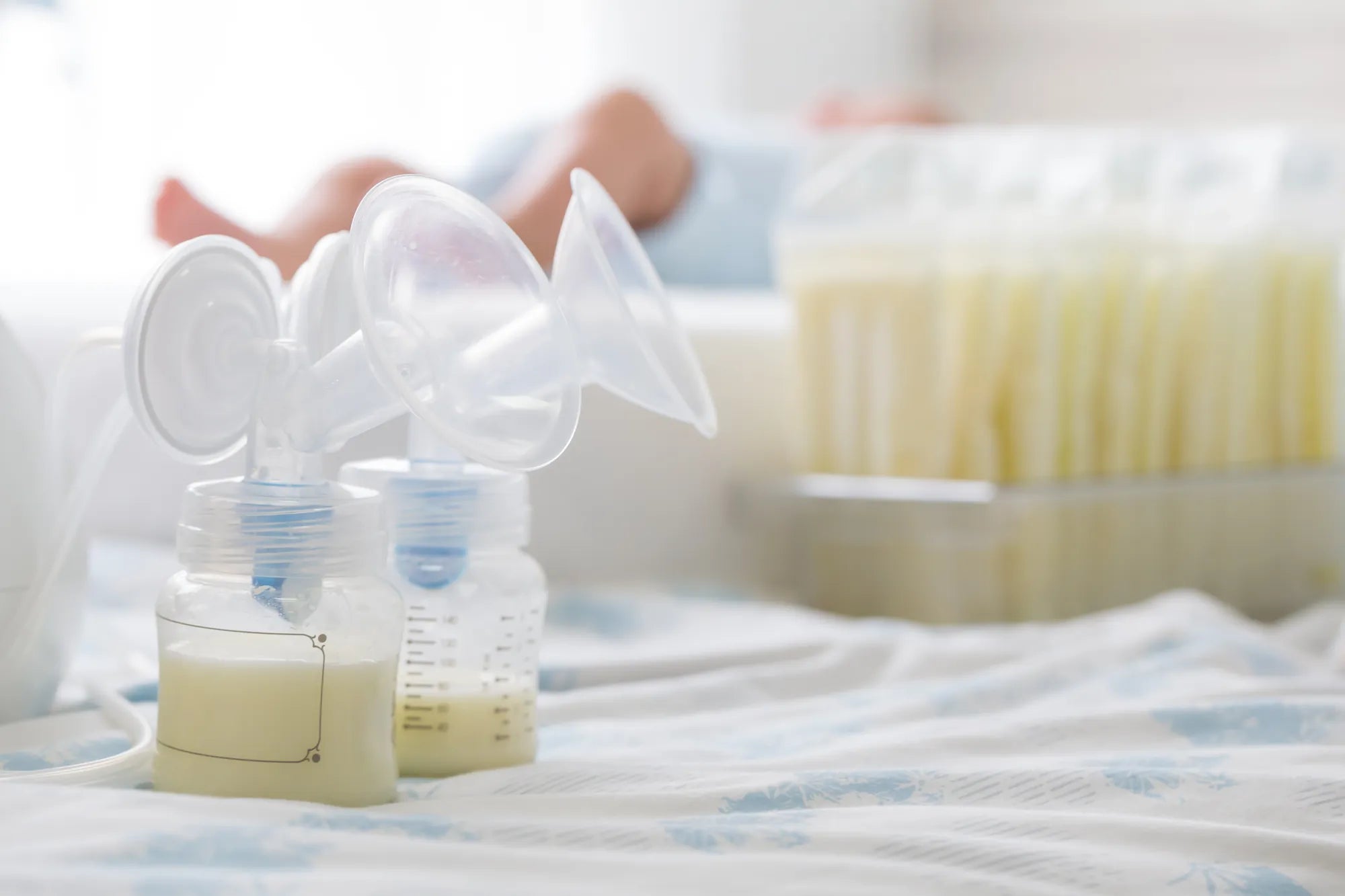
When Should I Start Using My Breast Pump: A Comprehensive Guide for Every Mom
Introduction: Navigating the Pumping Timeline
One of the most common questions new and expecting mothers ask is, "When should I start using my breast pump?" The answer is rarely one-size-fits-all and depends heavily on your personal breastfeeding goals, your baby's needs, and your life circumstances. This guide will provide a clear, evidence-based, and supportive roadmap to help you determine the optimal timing for introducing a pump into your routine.
We'll explore various scenarios, from building a freezer stash to managing medical needs, and offer practical advice to set you up for success. Understanding the "why" behind your pumping journey is the first step to finding your perfect "when."
Understanding Your "Why": The Foundation of Timing
Before setting a calendar reminder, it's crucial to identify your primary goal for pumping. This objective is the single biggest factor in determining when you should start. Your reason will dictate the urgency, frequency, and strategy of your pumping sessions from the outset.
For instance, a mother aiming to exclusively feed breastmilk but return to a corporate job at 12 weeks postpartum has a different timeline than a mother whose baby is struggling to latch effectively in the first few days. Your personal "why" creates your unique pumping blueprint.
Common Reasons for Pumping and Their Initial Timing Cues
- Building a Freezer Stash: For future use or donation. Typically starts after milk supply is well-established, around 3-6 weeks postpartum.
- Returning to Work/School: To provide milk for baby while apart. Starting 1-3 weeks before your return date is ideal for practice and stash-building.
- Increasing Milk Supply: To boost low production. Often starts early, sometimes within days of birth, following a healthcare provider's or lactation consultant's plan.
- Supplementing: To provide top-up feeds if baby isn't gaining weight adequately. Timing is immediate upon identification of the need, usually in the early weeks.
- Feeding a Premature or Hospitalized Baby: To provide critical breastmilk when baby cannot nurse. Starts very soon after birth, often within hours.
- Relieving Engagement or Maintaining Supply During Illness/Separation: As needed, based on comfort or to protect supply.
Scenario-Based Guide: When to Start Pumping
Now, let's translate those goals into actionable timelines. This scenario-based approach will help you find the path that most closely matches your situation.
For Mothers Planning to Exclusively Breastfeed (and Build a Stash)
If your goal is to nurse directly at the breast while creating a reserve of milk in the freezer, timing is key to protecting your supply and avoiding oversupply. The primary focus in the first few weeks should be on establishing a robust milk supply and a good latch with your baby.
Most lactation consultants recommend waiting until breastfeeding is well-established, typically around 3-4 weeks postpartum, before introducing regular pumping sessions to build a stash. Your body is still calibrating supply and demand; adding extra stimulation too early can signal your body to overproduce.
Start slowly. Introduce one pumping session per day, ideally in the morning when prolactin levels and milk volume are often highest. A session right after the first morning feed can be effective, as your baby may not fully drain the breasts. This is a great time to consider a hands-free option like the MomMed S21 Wearable Pump, allowing you to multitask while building your reserve.
For Mothers Returning to Work or School
Planning ahead is essential for a smooth transition. Your goal is to have enough milk stored for your baby's first day away from you, and to be comfortable and efficient with your pump. A common and effective timeline is to begin pumping about 2-3 weeks before your scheduled return date.
Start by replacing one typical breastfeeding session with a pumping session each day. This serves two purposes: it helps you build a small freezer stash (aim for at least one day's worth of feeds), and it allows you and your baby to practice bottle-feeding. Consistency helps your body adjust to the new routine.
Simulate your workday schedule as much as possible. If you plan to pump at 10am and 2pm at the office, try to pump at those times at home. This practice run is invaluable for troubleshooting flange fit, mastering your pump's settings, and establishing a comfortable, efficient routine before the added pressure of your first day back.
For Mothers Needing to Supplement with Pumped Milk or Formula
This scenario often requires a more immediate start to pumping. If your baby has a poor latch, is not transferring milk effectively, or isn't gaining weight as expected, your pediatrician or lactation consultant may recommend supplementing with pumped breast milk or formula.
In this case, you should start pumping as soon as the need is identified, often within the first week or two postpartum. The recommended pattern is to nurse at the breast first (to encourage latch practice and bonding), then offer a supplement, and finally pump for 10-15 minutes. This "triple feeding" routine signals your body to increase milk production despite the current challenges.
It can be demanding, but it's often temporary. Using an efficient, hospital-grade pump like the MomMed Swing Electric Pump can help maximize output during these critical sessions. The key is consistency to build your supply while ensuring your baby gets the necessary nutrition.
For Mothers with Premature or Hospitalized Babies (NICU Moms)
For mothers of babies in the Neonatal Intensive Care Unit (NICU), pumping is not just an option—it's a critical part of their baby's care plan and a powerful way for a mother to contribute to her baby's health. The timing here is very early and very specific.
The golden standard is to initiate pumping within the first 1-6 hours after birth, and certainly no later than 6 hours postpartum. Early and frequent removal of colostrum (the first milk) is essential to trigger and establish a full milk supply. The hospital will typically provide a hospital-grade pump for you to use during your stay.
Your initial pumping schedule should mimic a newborn's feeding frequency: aim for 8-12 sessions every 24 hours, including at least one session during the night when prolactin levels are high. This rigorous schedule is vital for building a supply that can meet your preemie's needs now and in the future when they are ready to nurse directly.
For Mothers Experiencing Severe Engorgement or Oversupply
Engorgement in the early days is common as your milk comes in. However, using a pump for relief requires a careful approach to avoid exacerbating the problem. The goal is comfort, not complete drainage.
If your breasts are so full and hard that your baby cannot latch, you can use a pump for brief relief pumping—only 2-5 minutes per side, or just until the breast softens enough for the baby to attach. This is sometimes called "taking the edge off." Fully emptying the breast tells your body to make even more milk, potentially leading to a cyclical oversupply problem.
Hand expression before pumping can also be very effective for softening the areola. The key principle is to use the pump as a tool for latch facilitation, not as the primary means of milk removal during this phase, unless otherwise directed by a healthcare provider for medical reasons.
Choosing and Preparing Your Pump: The MomMed Advantage
Having the right tool for the job makes all the difference. Your choice of pump should align with your primary use case, lifestyle, and comfort.
| Pump Type | Best For | When to Acquire | Key Features to Look For |
|---|---|---|---|
| Hospital-Grade Rental | Mothers of preemies, establishing low supply, exclusive pumping | Before birth or immediately postpartum (often provided by hospital) | Maximum power, efficiency, multiple user capability |
| Personal Double Electric | Primary pump for working moms, daily use | During pregnancy or by 30-36 weeks | Strong & adjustable suction, portability, battery option, closed system |
| Wearable/Hands-Free Pump | Mobility, discreet pumping, supplementing a primary pump | After milk supply is established (often 4+ weeks) | True hands-free design, comfort, quiet operation, reliable suction |
| Manual Pump | Occasional use, travel backup, relief from engorgement | During pregnancy or early postpartum | Ease of use, comfort, portability |
For modern moms seeking innovation and freedom, wearable pumps have revolutionized the experience. The MomMed S21 Double Wearable Breast Pump stands out as an award-winning solution. It offers hospital-grade performance in a discreet, cordless design that fits inside your bra.
Its ultra-quiet operation and multiple stimulation and expression modes allow for a comfortable, personalized session whether you're at your desk or on the go. Importantly, like all MomMed pumps, it is constructed with BPA-free, food-grade silicone materials, ensuring the highest standard of safety for your baby.
Preparing your pump before birth is wise. Wash all parts that contact milk, familiarize yourself with the assembly, and practice holding the flanges. Ensure you have the correct flange size—a proper fit is critical for comfort and effective milk removal. Many moms find they need a different size than the standard one included, so measuring your nipple diameter is a crucial step.
Pumping Pro Tips: How to Start Successfully
Your first few pumping sessions set the tone. Approach them with patience and realistic expectations.
- Prime with Hand Expression: Spend a minute massaging your breasts and hand-expressing a few drops of milk before you turn on the pump. This can trigger a faster let-down.
- Create a Relaxing Ritual: Your milk ejection reflex is inhibited by stress. Look at photos or videos of your baby, smell a piece of their clothing, listen to calming music, or sip a warm beverage.
- Pump After a Feed (or Between): When starting out, pumping 30-60 minutes after a morning feeding or between feedings can yield extra milk without interfering with baby's next meal.
- Stay Hydrated and Nourished: Your body needs extra fluids and calories to produce milk. Keep a large bottle of water and a healthy snack at your pumping station.
- Don't Watch the Bottles: Obsessing over output ounces can increase stress. Cover the bottles with a sock or towel and focus on relaxation instead.
- Use Breast Massage: While pumping, use your hands to gently massage from the outer chest wall toward the nipple. This can help drain ducts more effectively and increase yield.
Common Concerns and FAQs
Q: Will pumping too early cause an oversupply?
A: It can, which is why timing is strategic. If you start pumping full sessions in addition to frequent nursing in the first few weeks, you are signaling your body to produce more milk than your baby needs. For most moms wanting to build a stash, waiting 3-4 weeks allows supply to regulate to baby's actual demand before adding extra stimulation.
Q: How much milk should I expect at first?
A: In the early days, you may only collect teaspoons of colostrum. Even after your milk "comes in," output can vary widely. Anywhere from 0.5 to 4 ounces total per session is normal in the first few weeks, depending on time of day and when you last fed. Consistency over time is more important than any single session's volume.
Q: What if I don't get any milk when I start pumping?
A> First, don't panic. Ensure your flanges fit correctly and the pump is assembled properly. Double-check that you're in a relaxed state. Try hand-expressing first to initiate let-down. If you consistently get no milk despite a good supply when nursing, consult a lactation consultant to assess pump technique and fit. Remember, a pump is not as efficient as a well-latched baby, so output may be less.
Q: Can I use my MomMed wearable pump from day one?
A> For casual relief pumping or if directed by a professional for a specific reason, yes. However, for establishing a primary milk supply—especially for a preemie or a baby with latch issues—a hospital-grade or high-performance personal double electric pump is usually recommended initially due to its proven efficiency and power. Once your supply is well-established (usually after 4+ weeks), a wearable pump like the MomMed S21 is an excellent primary or secondary pump for maintaining supply and flexibility.
Q: How long should my first pumping sessions be?
A> Start with shorter sessions of 10-15 minutes per side. It's more about the frequency and signaling than marathon sessions. You can gradually increase time if needed, but most women find 15-20 minutes per side is sufficient to drain the breast effectively once supply is established.
Conclusion: Empowering Your Unique Pumping Journey
The question of "when should I start using my breast pump" is answered by looking at your individual map: your goals, your baby's needs, and your life's schedule. There is no universal calendar date, but there is a right time for you. Whether you're starting within hours of birth in a NICU or a few weeks before returning to the office, the principles of consistency, comfort, and correct technique remain your guides.
Trust the process, be kind to yourself, and seek support from lactation professionals when needed. Your journey is unique, and having reliable, comfortable tools can make all the difference. For innovative, mom-designed solutions that support you from pregnancy through breastfeeding, explore the full collection of award-winning pumps, nursing accessories, and baby care essentials at MomMed.
Shop the MomMed collection at mommed.com for all your breastfeeding and pregnancy needs.