


Home
Pregnancy, Breastfeeding, and Pumping: The Ultimate Guide for Moms
When Is It Okay to Start Pumping Breast Milk: A Comprehensive Guide for New Moms
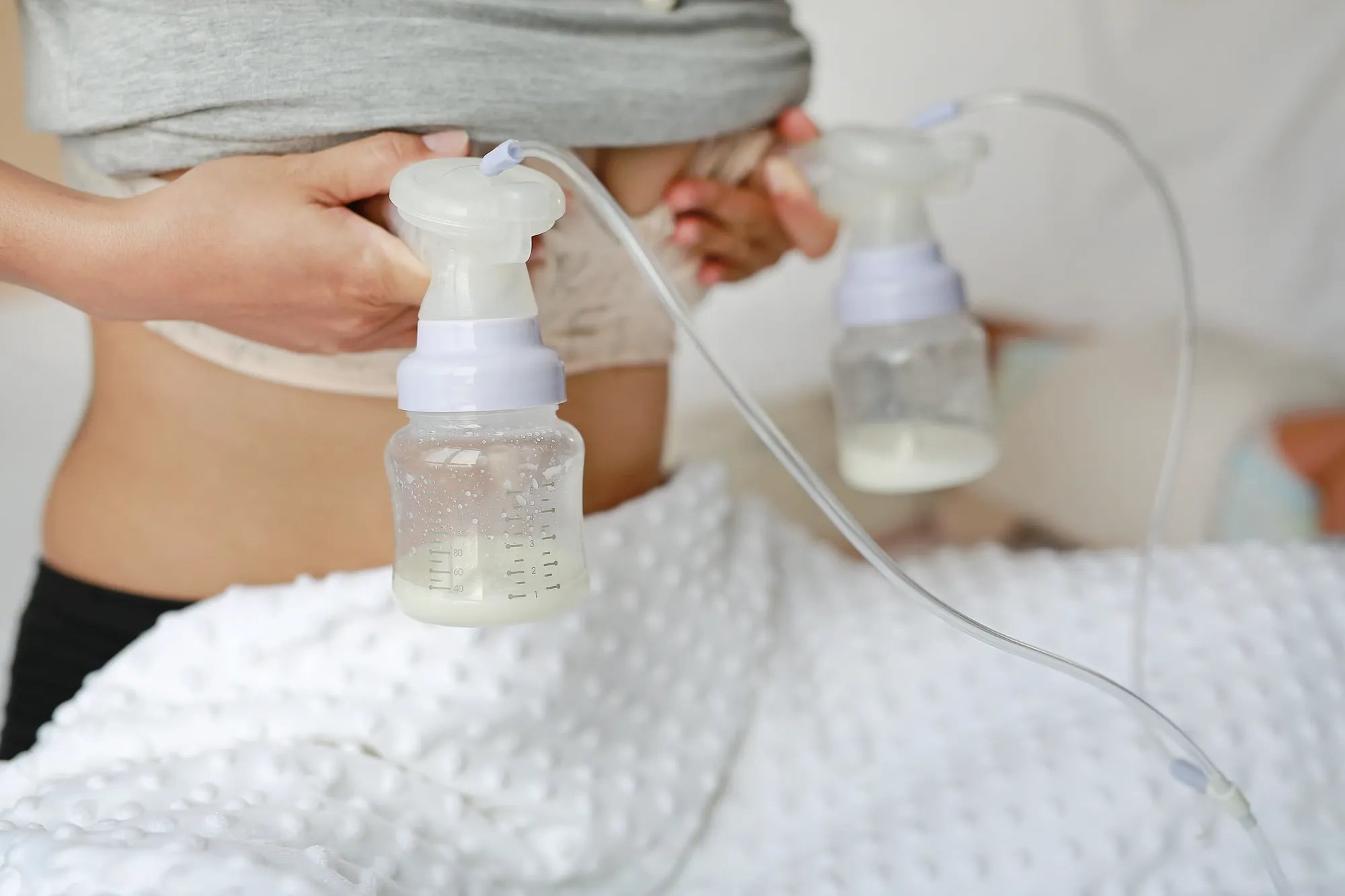
When Is It Okay to Start Pumping Breast Milk: A Comprehensive Guide for New Moms
Introduction: Understanding the "When" and "Why" of Pumping
Deciding when is it okay to start pumping breast milk is one of the most common and pressing questions for new and expecting mothers. The answer is not one-size-fits-all; it depends on your breastfeeding goals, your baby's health, and your personal circumstances. This comprehensive guide will walk you through the evidence-based timelines, from the golden hour to preparing for a return to work, helping you make informed decisions for you and your baby. We'll integrate practical advice from lactation experts and highlight how innovative products from MomMed, a trusted maternal and baby care brand, can support your unique journey with reliable, comfortable, and safe breastfeeding solutions.
The Golden Hour and Early Days: Setting the Foundation (0-3 Days Postpartum)
The first 24 to 72 hours after birth are dedicated to establishing a direct breastfeeding relationship. Your body produces colostrum—a thick, antibody-rich "liquid gold"—in small, perfect amounts for your newborn's tiny stomach. During this period, the primary focus is on skin-to-skin contact and helping your baby learn to latch effectively. Frequent, unrestricted nursing signals your body to begin milk production.
Pumping is generally not recommended in these first few days unless there is a specific medical indication. However, hand expression can be a valuable tool. Gently hand-expressing colostrum onto a spoon or into a small cup can be helpful if your baby is sleepy, has a weak latch, or needs supplementation. This practice stimulates production without the intensity of a pump.
There are clear medical scenarios where pumping when is it okay to start pumping breast milk becomes necessary immediately. These include if your baby is preterm, in the NICU, has a condition that prevents effective feeding, or if you are separated from your baby for health reasons. In cases of maternal health issues like severe engorgement, inverted nipples, or a need to stimulate supply due to a delayed milk "coming in," early pumping under guidance is key.
Always consult with a hospital lactation consultant or your healthcare provider before introducing a pump in the first week. They can assess your situation, ensure you're using the correct flange size, and teach you proper techniques to avoid nipple damage and support your long-term goals.
Building Your Supply: The Prolific Phase (Weeks 1-6)
Weeks one through six postpartum are the critical window for establishing your milk supply, governed by the principle of supply and demand. This is when many mothers begin to explore pumping. Introducing a pump during this phase is often motivated by several goals: to relieve painful engorgement, to create a small stash so a partner can give a bottle, or to begin building a freezer supply for an upcoming return to work.
A common and effective strategy is to add a single pumping session per day, typically after the first morning feed when milk production is naturally higher. Pumping for 10-15 minutes after nursing can help stimulate additional production and collect a small amount of milk without interfering with your baby's next meal. Consistency is more important than volume at this stage.
If you are concerned about low milk supply, "power pumping" can be a useful technique during this period. This involves mimicking a baby's cluster feeding by pumping in a specific pattern—for example, 20 minutes on, 10 minutes off, 10 minutes on, 10 minutes off, 10 minutes on—for one hour per day. This signals your body to increase production. Remember, when is it okay to start pumping breast milk for supply issues, it's best to do so under the guidance of a lactation professional to address any underlying latch or transfer problems first.
It's crucial to listen to your body. Pumping should not cause pain. Start with low suction and increase only to a comfortable level. Oversupply can be a risk if you pump too frequently or for too long without need, leading to issues like recurrent plugged ducts or mastitis. Your goal is to support, not overwhelm, your natural physiology.
The MomMed Advantage: Comfort in the Early Weeks
Choosing the right pump is paramount for comfort and effectiveness during these sensitive early weeks. MomMed's hospital-grade electric pumps, like the Swing Breast Pump, are engineered for this foundational phase. They feature multiple, adjustable suction modes and cycles, allowing you to start with a gentle, rhythmic stimulation mode that mimics a baby's initial rapid suckling to trigger let-down, followed by a comfortable expression mode.
The ultra-quiet motor ensures discreet operation, which is less stressful for both you and your newborn during late-night or early-morning sessions. All parts that come into contact with breast milk, including the flanges, valves, and bottles, are made from BPA-free, food-grade silicone. This provides essential peace of mind regarding your baby's safety and ensures a soft, comfortable fit for sensitive breast tissue, helping to establish a positive pumping routine from the start.
Creating a Routine: Pumping for Separation and Stashing (6 Weeks and Beyond)
By six weeks postpartum, breastfeeding is typically well-established, and your milk supply has regulated based on your baby's demands. This is the most common and recommended time for mothers to begin a regular pumping routine if their goal is to create a stash for occasional babysitting, date nights, or preparation for returning to work. Your body is more predictable, and the risk of creating an oversupply from strategic pumping is lower.
To build a freezer stash without impacting your baby's feeds, the most effective method is to pump once per day, usually after the first morning nursing session when milk volume is highest. Even an extra 1-2 ounces per day adds up quickly. Store milk in small quantities (2-4 oz) to avoid waste. Label each bag with the date and use the "first in, first out" rule.
If you are preparing to return to work, start your routine 2-3 weeks before your start date. This allows you to practice, build a buffer stash, and get your baby accustomed to taking a bottle. Aim to pump at the times you will be separated from your baby while at work to maintain your supply. For instance, if you plan to pump every three hours at the office, practice that schedule at home.
Understanding when is it okay to start pumping breast milk for a stash is about timing and consistency. The key is to integrate pumping seamlessly into your life so it feels sustainable, not burdensome. This is where the design of your pump becomes critically important to your success and comfort.
Hands-Free Freedom with MomMed Wearable Pumps
Maintaining a pumping routine while caring for a baby, managing household tasks, or working from home requires flexibility. This is the core problem MomMed's award-winning wearable pumps are designed to solve. Models like the S21 Double Wearable Breast Pump are compact, cordless, and fit discreetly inside your bra, offering true hands-free operation.
This innovative design allows you to pump while feeding your baby a bottle, playing with an older sibling, preparing a meal, or even participating in a video conference. The freedom of movement and discretion removes a significant barrier to consistent pumping, making it easier to stick to your schedule. The S21 features a powerful, quiet motor with multiple modes and a clear, digital interface, giving you hospital-grade performance in a wearable form. By choosing a pump that adapts to your life, you empower yourself to meet your breastfeeding goals on your own terms.
Special Circumstances and Considerations
While the above timelines serve as a general guide, several situations require a tailored approach to the question of when is it okay to start pumping breast milk. For mothers who exclusively pump (EP) from birth—due to infant anatomical issues, severe maternal pain, or personal choice—pumping begins within the first 6-12 hours postpartum. An EP schedule mimics a newborn's feeding frequency, requiring 8-12 sessions per day to establish a full supply.
Parents of preterm or hospitalized infants are often encouraged to start pumping within the first 6 hours after delivery. Early and frequent pumping (every 2-3 hours, including at night) is essential to initiate and build a supply for their vulnerable baby. Hospital-grade pumps are typically provided for this purpose.
For mothers diagnosed with low milk supply (insufficient glandular tissue, hormonal issues, etc.), early and frequent pumping—sometimes in conjunction with a supplemental nursing system (SNS)—is a primary therapeutic strategy. Similarly, mothers of twins or triplets may need to incorporate pumping early on to ensure all babies are adequately fed and to help manage the significant demand, which can exceed what the babies can directly remove in the early days.
In all special circumstances, close collaboration with a lactation consultant (IBCLC) and your healthcare team is non-negotiable. They will create a personalized plan that monitors your output, your baby's growth, and your physical and mental well-being.
Common Pumping Milestones: A Quick-Reference Timeline
This table provides an at-a-glance summary of key phases, goals, and recommendations for starting to pump.
| Postpartum Phase | Primary Pumping Goal | Typical Timing & Frequency | Key Considerations |
|---|---|---|---|
| Birth - 3 Days | Medical necessity; collect colostrum. | As medically advised; hand expression preferred. | Focus on direct latching. Consult LC before using an electric pump. |
| Weeks 1 - 6 | Establish supply; relieve engorgement; begin small stash. | 1x/day after a morning feed. For low supply, consider power pumping. | Use gentle settings. Oversupply is a risk. Comfort is paramount. |
| 6 Weeks & Beyond | Build a freezer stash; prepare for separation/return to work. | 1-2x/day, often morning. Mimic future work pumping schedule. | Routine is key. Hands-free pumps can greatly increase adherence. |
| Exclusive Pumping | Provide sole source of nutrition. | Start within 12 hours; pump 8-12x/day around the clock. | Requires high dedication and support. Proper flange fit is critical. |
| Preterm/NICU Baby | Provide milk for infant medical care. | Start within 6 hours; pump 8-10x/day minimum. | Use hospital-grade pump. Volume may start small; consistency matters most. |
Frequently Asked Questions (FAQs)
1. Will pumping too early cause an oversupply?
It can, especially if you pump frequently and for longer than necessary in the first 4-6 weeks when your supply is being established. Your body interprets extra pumping as extra demand. To avoid this, only pump for a specific reason (e.g., to relieve engorgement) and limit sessions to 10-15 minutes after nursing, unless directed otherwise for medical reasons.
2. How soon after feeding should I pump to build a stash?
The best time is typically 30-60 minutes after your baby finishes a morning feed. Your body has had a little time to replenish some milk, but you are not removing milk right before your baby's next meal. Pumping immediately after a feed is also possible but may yield less volume initially.
3. Can I pump if my baby is nursing directly and well?
Absolutely. Many mothers who nurse directly also pump to create a stash, allow for shared feeding, or have a backup supply. The key is to add pumping sessions strategically (like after a morning feed) so they don't interfere with your baby's hunger cues at the breast and to ensure you are not creating an uncomfortable oversupply.
4. What's the best time of day to pump for maximum output?
Most women experience their highest milk volume in the early morning hours, between 1 a.m. and 5 a.m., due to elevated prolactin levels. For practical purposes, pumping after the first morning feed (usually between 5 a.m. and 9 a.m.) will often yield the most significant extra output for your stash.
5. How do I know if I'm using the correct pump flange size?
The flange should surround your nipple without pulling areolar tissue into the tunnel. Your nipple should move freely without rubbing the sides. Signs of a wrong size include pain during pumping, redness, blanching (white spots) on the nipple, or decreased output. MomMed pumps come with multiple flange sizes, and their website offers a printable sizing guide. Many lactation consultants can also perform a flange fit assessment.
Conclusion: Your Journey, Your Rhythm
The question of when is it okay to start pumping breast milk is deeply personal, intertwined with your body's signals, your baby's needs, and your family's lifestyle. There is no single perfect answer, but there is a perfect answer for you. Whether you begin in the first hours for a NICU baby, at three weeks to share feeding duties, or at two months to prepare for work, your decision is valid. Trust the process, seek support from professionals and communities, and equip yourself with tools that make the journey smoother. MomMed is committed to supporting you with innovative, comfortable, and reliable products designed for every stage of motherhood. Listen to your body, cherish the moments with your baby, and know that every drop of effort is a testament to your love and dedication.
Ready to find the perfect pump for your journey? Shop the MomMed collection at mommed.com for all your breastfeeding and pregnancy needs, from award-winning wearable pumps to essential baby care products, and join thousands of moms who trust us for their family's comfort and safety.