


Home
Pregnancy, Breastfeeding, and Pumping: The Ultimate Guide for Moms
What Is the Quietest Breast Pump: A Comprehensive Guide for Discreet Pumping
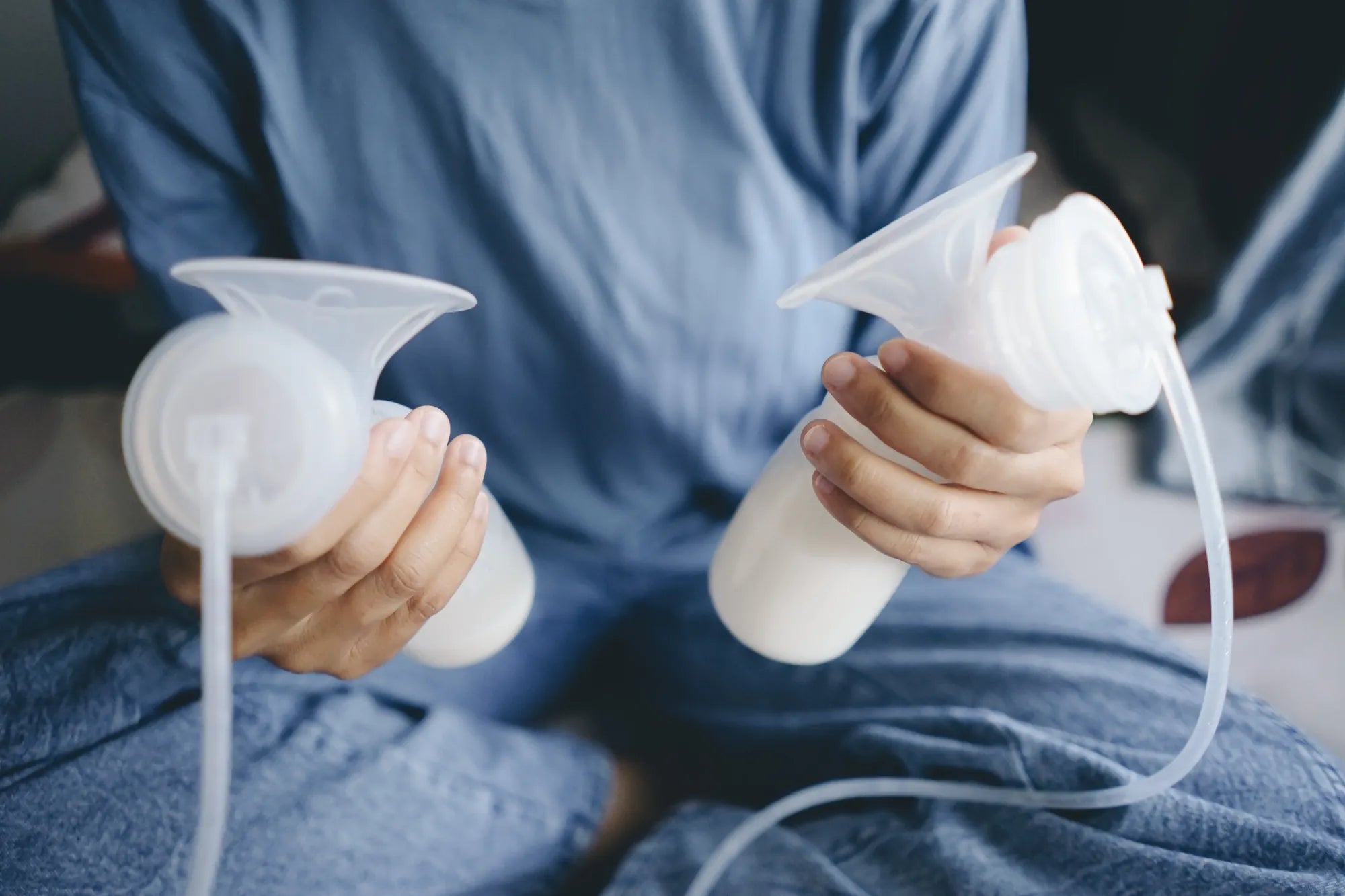
What Is the Quietest Breast Pump: A Comprehensive Guide for Discreet Pumping
You're in the nursery at 2 a.m., finally getting a moment to pump. The rhythmic, whirring drone of your pump echoes in the quiet, and you hold your breath, hoping it doesn't wake the baby you just spent an hour soothing. Or perhaps you're in a shared office or public restroom, the loud mechanical sound causing anxiety and drawing unwanted attention. The quest for the quietest breast pump isn't about luxury; it's a critical search for comfort, discretion, and peace of mind in an already demanding journey. This comprehensive, evidence-based guide will demystify pump noise, explore the technology behind silence, and help you find a pump that fits seamlessly—and quietly—into your life. As a trusted maternal and baby care brand, MomMed specializes in creating reliable, comfortable, and innovative products like wearable breast pumps that directly address these universal challenges for moms and moms-to-be.
Why Pump Noise Matters More Than You Think
The sound of a breast pump is often an afterthought in product descriptions, overshadowed by suction strength or portability. Yet, its impact is profound, affecting both practical logistics and maternal well-being. A loud pump can disrupt a sleeping infant, forcing you to choose between nourishment and hard-won rest. This constant negotiation adds significant stress to the already complex routine of a new mother.
Psychologically, pump noise can heighten anxiety and inhibit the let-down reflex. The let-down is a physiological response triggered by oxytocin, a hormone closely linked to feelings of calm and connection. A jarring, industrial sound can trigger a stress response instead, counteracting the relaxation needed for efficient milk ejection. This can directly impact milk output and make pumping sessions feel like a chore.
Furthermore, noise limits your freedom. Pumping in shared spaces—at work, in a room with family, or while traveling—becomes a source of self-consciousness. The desire for privacy can lead to skipped sessions, which may affect milk supply over time. A truly quiet pump empowers you to maintain your schedule discreetly, protecting your supply and your peace of mind.
Ultimately, considering pump noise is an investment in the sustainability of your breastfeeding and pumping journey. A quieter experience is a more comfortable one, making the multiple daily sessions less intrusive and more manageable, which is crucial for long-term success.
How Breast Pump Noise is Measured: Decibels Explained
To objectively compare quietness, we must understand decibels (dB). The decibel scale is logarithmic, not linear. This means a 10 dB increase represents a tenfold increase in sound intensity. A pump measuring 50 dB is not just "a little" louder than one at 40 dB; it is ten times more intense to the human ear.
Context is key. A quiet whisper is about 30 dB. A normal conversation at home measures around 50-60 dB. A refrigerator hum is typically 40 dB. Many traditional, older-model breast pumps operate between 50-65 dB, comparable to a loud conversation or a dishwasher. The goal of modern ultra-quiet pumps is to operate below 45 dB, closer to a quiet library or a gentle hum.
Manufacturers may use terms like "hospital-grade quiet" or "whisper-quiet." These are not standardized terms. The most reliable indicator is a stated decibel rating measured at a specific distance (e.g., "<45 dB from 1 meter away"). When not provided, user reviews that specifically mention noise level become invaluable data points.
It's also important to consider the type of sound. A consistent, low-frequency hum is often less disruptive and easier to mask than an irregular, high-pitched whine. The quality of the motor and engineering determines not just the volume but the character of the sound produced.
Key Features of a Truly Quiet Breast Pump
Motor and Engineering Design
The heart of a quiet pump is its motor. Advanced, brushless DC motors are the gold standard. Unlike brushed motors, they have fewer moving parts that cause friction and noise, operate more efficiently, and are generally more durable. The engineering around the motor—precise gearing, balanced components, and vibration dampeners—is equally critical.
High-quality pumps invest in sound-dampening chambers or internal housing that contains the motor noise before it escapes the unit. This engineering proves that powerful, effective suction—often termed "hospital-grade" performance—does not require a loud, industrial motor. The technology now exists to separate performance from noise.
Insulation and Build Materials
The pump's casing acts as its first defense against sound escape. Dense, high-quality plastics and internal foam or rubber insulation absorb vibrations and muffle operational noises. Cheaper pumps may use thinner materials that resonate and amplify sound, creating a louder, hollower noise.
Materials matter for safety and sound. MomMed uses BPA-free, food-grade silicone and plastics for all parts touching skin or milk. These premium materials not only ensure baby safety but also contribute to a more solid, less rattling build quality that minimizes extraneous noise during operation.
Wearable vs. Traditional Pump Designs
Wearable pumps, like the MomMed S21, have a unique noise profile. The motor is housed in a compact unit that sits directly inside your bra, against your body. This physical position naturally muffles and absorbs a significant amount of sound before it reaches the surrounding environment.
Traditional plug-in or portable pumps with external motors can also be quiet, especially high-end models. They may have larger housings that allow for more sophisticated internal dampening. However, they lack the inherent discretion of a wearable, as tubes and an external unit are always visible and audible if not carefully placed.
Top Contenders: Comparing Quiet Pump Technologies
The Rise of Ultra-Quiet Wearable Pumps
This category represents the pinnacle of discreet pumping innovation. Cordless, in-bra pumps are designed for silence and mobility. The best models, such as the award-winning MomMed S21 Double Wearable Breast Pump, are engineered specifically to operate at whisper-quiet decibel levels while maintaining strong, rhythmic suction.
The quiet operation of a wearable pump transforms possibilities. You can pump while working at your desk, attending a virtual meeting, caring for an older child, or even running errands, all with minimal chance of anyone noticing. This technology directly addresses the core challenges of noise and discretion that plague many pumping mothers.
Traditional Plug-in Pumps: Are They Quieter?
Some high-end traditional electric pumps are renowned for their quiet operation, often marketed to mothers who pump frequently at a dedicated station. Their larger form factor can accommodate larger, more stable motors with advanced dampening. For a stationary, at-home setup, they can be an excellent quiet option.
The significant trade-off is a complete lack of mobility and discretion. You are tethered to an outlet, and the pump must be placed on a stable surface. While the motor itself may be quiet, the sound of bottles clinking or the pump sitting on a hollow table can create ancillary noise. They solve the sound problem but not the freedom problem.
Portable vs. Hospital-Grade: The Noise Trade-Off
The term "hospital-grade" traditionally referred to powerful, multi-user pumps that were often large and noisy. This paradigm has shifted. Modern portable personal-use pumps now achieve suction strength and efficacy comparable to older hospital-grade models, but with motors engineered for quietness.
Today's leading portable and wearable pumps dispel the myth that power requires noise. Pumps like the MomMed S21 are designed to be true hybrids: offering the strong, adjustable suction needed to establish and maintain milk supply, packaged in a quiet, portable device that gives mothers the best of both worlds—performance and peace.
Introducing the MomMed S21: Engineered for Silence and Strength
The MomMed S21 Double Wearable Breast Pump is the culmination of a deep understanding of what pumping mothers need. It was designed from the ground up to be a powerful, reliable, and exceptionally quiet partner in the breastfeeding journey. At its core is an advanced quiet motor technology that delivers effective, hospital-grade suction at a whisper-quiet decibel level, allowing for discreet use anywhere.
Its wearable, cordless, in-bra design is a game-changer for discretion. The sound is muffled against your body, making it virtually inaudible in most environments. This means you can pump on your schedule without isolation or anxiety, whether during a work conference call, while relaxing with family, or during your baby's naptime without fear of waking them.
The S21's commitment to quiet excellence is validated by its four industry awards for innovation in breastfeeding products. These accolades recognize not just its silent operation, but its overall performance, comfort, and thoughtful design. It features multiple pumping modes (Let-down and Expression) and numerous suction levels, allowing you to find the perfect, comfortable rhythm for efficient milk removal, which is crucial for maintaining supply and preventing issues like engorgement or mastitis.
Every component is made with baby's safety and mom's comfort in mind, using BPA-free, food-grade silicone. The S21 embodies MomMed's mission: to help moms and moms-to-be with reliable, comfortable, and innovative products that simplify and dignify the challenges of motherhood.
How to Choose Your Perfect Quiet Pump: A Buyer’s Checklist
Use this actionable checklist to evaluate and compare breast pumps, ensuring you find one that meets your needs for quietness, performance, and lifestyle.
- Decibel Rating: Look for a stated dB level (ideally below 45 dB). If not listed, scour user reviews for specific mentions of noise level.
- Motor Technology: Preference for pumps with advanced brushless motors, as they tend to be quieter and more durable than brushed motors.
- Portability & Design: Decide if you need a wearable (in-bra) for ultimate discretion, a portable with a small external motor, or a stationary plug-in model. Consider where you'll pump most often.
- Suction Effectiveness: Read reviews about milk output. A quiet pump is useless if it doesn't empty the breast effectively. Look for pumps with adjustable suction levels and cycles to mimic a baby's nursing pattern.
- Comfort & Fit: Ensure the pump offers multiple flange sizes. An incorrect flange fit is a leading cause of nipple pain and reduced output. Pumps like the MomMed S21 include multiple size options.
- Ease of Cleaning: Check that all parts touching milk are dishwasher-safe (top rack) or easy to hand-wash. Fewer parts can mean easier maintenance.
- Battery Life: For cordless pumps, ensure the battery life supports your typical pumping session length and frequency.
Quiet Breast Pump Comparison Table
| Pump Type | Typical Noise Level | Key Advantages for Quietness | Considerations |
|---|---|---|---|
| Ultra-Quiet Wearable (e.g., MomMed S21) | 40-45 dB (Whisper/Quiet Library) | Sound muffled against the body; cordless; maximum discretion; modern brushless motor tech. | Ensure motor is powerful enough for your supply needs; battery life per charge. |
| High-End Traditional Plug-in | 45-50 dB (Quiet Conversation) | Larger housing allows for advanced internal sound dampening; often very strong, consistent suction. | Not portable; requires outlet; tubes and unit are visible/audible if not hidden. |
| Standard Portable Electric | 50-60 dB (Normal Conversation) | More mobile than plug-ins; some newer models have quieter motors. | External motor can still be heard; less discreet than a wearable. |
| Manual Pump | Varies (Hand Motion Noise) | Only noise is from hand motion; completely silent motor. | Requires significant hand/arm effort; not efficient for regular, full sessions. |
FAQs About Quiet Breast Pumps
Q: What is a 'good' decibel level for a breast pump?
A: Aim for a pump that operates below 45 decibels. This is in the range of a quiet refrigerator hum or a soft whisper, which is unlikely to disturb a sleeping baby or be noticeable in a quiet room.
Q: Can a pump be both quiet and powerful?
A> Absolutely. This is the hallmark of modern pump engineering. Advanced brushless motors and efficient designs allow pumps like the MomMed S21 to generate strong, effective suction (crucial for stimulating milk supply and complete emptying) while maintaining whisper-quiet operation. Power and quiet are no longer mutually exclusive.
Q: How can I reduce noise from my current pump?
A> Place the pump on a thick towel or a silicone mat to dampen vibrations. Ensure all parts are correctly assembled and tightened (loose parts rattle). Pump in a carpeted room with soft furnishings if possible. For portable models, check if the manufacturer sells a sound-dampening cover or bag.
Q: Are wearable pump motors less durable because they're smaller and quieter?
A> Not necessarily. Quality wearable pumps use precisely engineered, durable brushless motors. While any mechanical device has a lifespan, a well-made wearable from a reputable brand like MomMed is designed for the rigors of multiple daily uses. Always follow cleaning and charging guidelines to prolong motor life.
Q: I have a low milk supply. Should I prioritize suction power over quietness?
A> You should not have to choose. Effective milk removal is paramount for building and maintaining supply. The key is finding a pump that excels at both. Look for a quiet pump with highly adjustable suction levels and cycles that can effectively stimulate let-down and provide strong expression. Consult a lactation consultant for a personalized pumping plan.
Embrace the Peace of Quiet Pumping
The journey of breastfeeding and pumping is filled with enough challenges without the added intrusion of a loud, stressful machine. Choosing a quiet breast pump is a profound act of self-care, preserving precious quiet moments, protecting your baby's sleep, and granting you the freedom to nourish your child on your terms, without anxiety or isolation. Modern technology has made the dream of a powerful, yet silent, pump a reality.
The right pump should feel like a seamless extension of your body and your routine—reliable, comfortable, and discreet. It is an investment in your well-being and the sustainability of your feeding goals. MomMed is committed to supporting this journey with innovative, thoughtfully engineered solutions that honor the hard work of motherhood. Experience the difference that true quiet and effective performance can make. Shop the MomMed collection at mommed.com for all your breastfeeding and pregnancy needs, and discover the quiet confidence that comes with the right pump.