


Home
Pregnancy, Breastfeeding, and Pumping: The Ultimate Guide for Moms
What Is the Best Breast Pump for New Moms? Your Complete Guide to Choosing
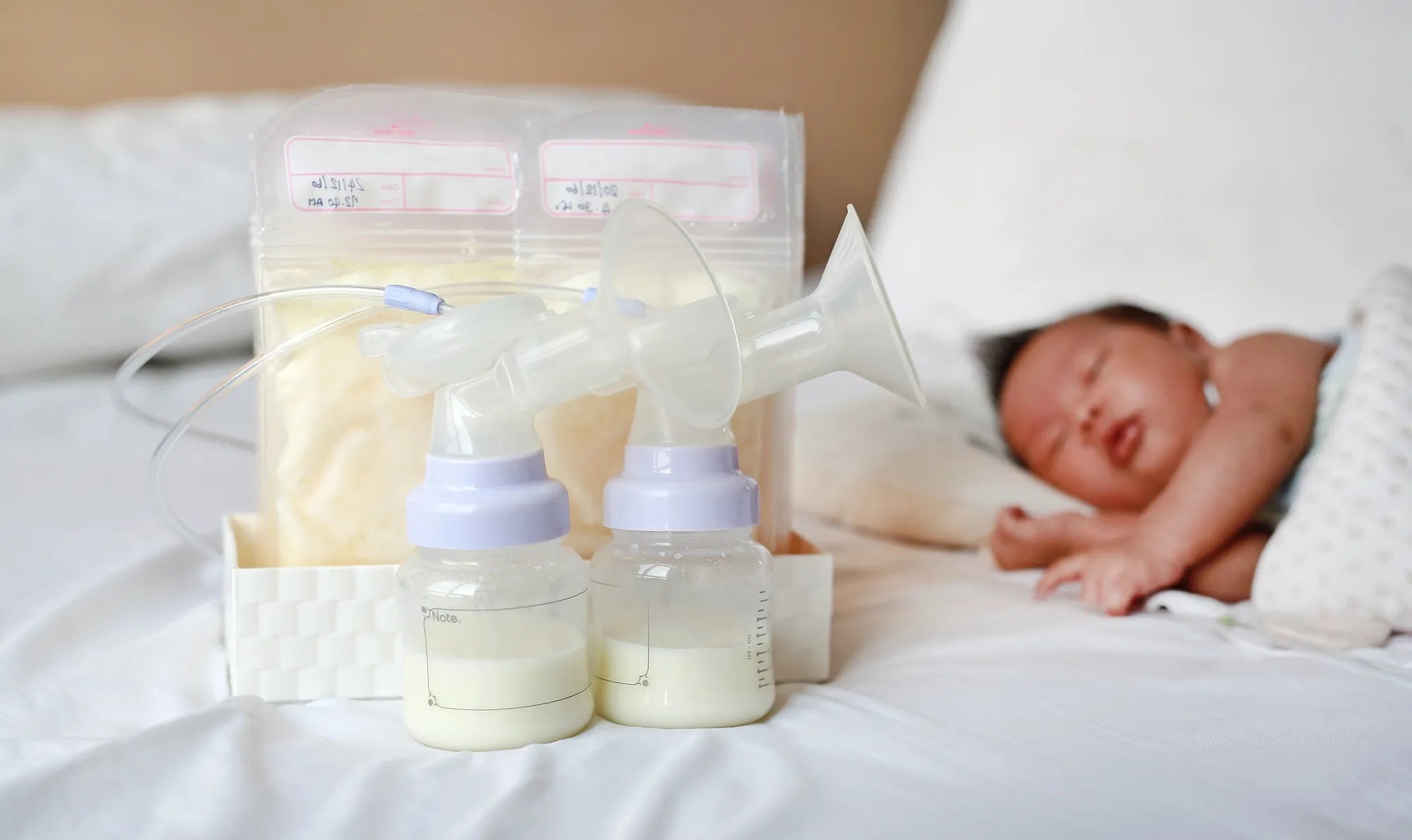
What Is the Best Breast Pump for New Moms? Your Complete Guide to Choosing
What Is the Best Breast Pump for New Moms? Starting Your Journey Right
Choosing your first breast pump can feel overwhelming. With so many models promising efficiency, comfort, and convenience, how do you know which one is truly right for you? The answer is personal. What is the best breast pump for new moms? It's the pump that aligns seamlessly with your daily routine, supports your milk supply goals, and feels comfortable during use.
This guide moves beyond brand hype to focus on the practical factors that matter most: your lifestyle, pumping frequency, and personal comfort. Whether you're planning to return to work, need flexibility at home, or want a reliable backup, understanding these elements is key. We'll provide the data-driven insights and lactation consultant recommendations you need to make an informed, confident choice.
As a trusted maternal and baby care brand, MomMed specializes in innovative, reliable products for every stage of motherhood. From wearable pumps to feeding essentials, our focus is on empowering moms with solutions that fit real life. Let's demystify the selection process together.
Understanding Your Pumping Needs: Lifestyle Dictates Choice
The search for the best breast pump starts with self-assessment. Your daily schedule, pumping goals, and physical comfort are the primary drivers. A pump that's perfect for a mom exclusively pumping for a preemie may be overkill for someone who only needs occasional relief.
Consider your primary use case. Will you be pumping multiple times a day at an office? A quiet, efficient double electric or wearable pump is likely essential. Are you aiming to build a freezer stash while primarily nursing? A single pump or a manual might suffice. For moms dealing with low milk supply or who need to establish supply, a hospital-grade rental or a powerful double electric is often recommended by lactation professionals.
Location is equally critical. If you need to pump in a shared space, car, or while caring for an older child, portability and discretion become non-negotiable features. The noise level, need for an outlet, and overall bulk will directly impact your consistency. A pump you dread using because it ties you to one spot can negatively affect your milk supply.
Finally, assess your budget and insurance coverage. Many insurance plans in the U.S. cover the cost of a breast pump. Understanding what your plan offers can open up options you might not have considered. Remember, the best breast pump is the one you will use consistently and comfortably to meet your feeding goals.
Breast Pump Types Compared: From Hospital-Grade to Wearable
Each category of breast pump serves a distinct purpose. Understanding the pros, cons, and ideal user for each is the foundation of a smart decision. Here’s a detailed breakdown.
Hospital-Grade Rental Pumps
These are the most powerful pumps available, designed for multi-user, long-term hospital use. They feature a large, separate motor unit and are typically rented monthly from a medical supply store or hospital. Their primary advantage is unparalleled efficiency and strength, which is crucial for establishing or maintaining milk supply, especially for NICU moms or those with medical challenges affecting lactation.
They are not portable, often quite loud, and not intended for personal ownership. For most new moms, a hospital-grade pump is a temporary solution for specific supply issues, not an everyday choice for long-term use. A lactation consultant can best advise if this option is necessary for your situation.
Heavy-Duty Double Electric Pumps
This category represents the traditional "workhorse" for daily pumping. These are personal-use, double-electric pumps that are effective for frequent, regular sessions. Brands often market them as "hospital-grade strength" in terms of suction performance. They usually require being plugged into an outlet, though some have battery options.
They are highly effective for maintaining milk supply when returning to work or for exclusive pumping. The main drawback is limited mobility; you are generally tethered to one location. They are a fantastic primary pump for moms who have a dedicated, private pumping space and prioritize maximum output per session above all else.
Wearable Breast Pumps: The Modern Freedom
Wearable pumps represent a significant innovation, offering true hands-free, in-bra operation. These compact, cordless devices fit completely inside your nursing bra, allowing you to pump while commuting, working at a desk, doing light chores, or caring for other children. For the modern mom balancing multiple roles, this freedom can be transformative.
Early models sometimes sacrificed performance for size, but advanced wearables now combine convenience with impressive power. For instance, MomMed's award-winning S21 Double Wearable Breast Pump is engineered with hospital-grade performance in a quiet, portable design. The key is to choose a wearable that doesn't compromise on efficient milk removal, as effective emptying is critical for supply.
Manual Breast Pumps
Manual pumps are hand-operated, affordable, and extremely portable. They require physical effort to create suction, making them less ideal for frequent, full pumping sessions. However, they are perfect as a backup pump, for quick relief from engorgement, occasional use when away from your primary pump, or travel where electricity isn't guaranteed.
Every mom can benefit from having a manual pump in her arsenal. They are simple, easy to clean, and give you complete control over the suction rhythm. For moms with an abundant supply who need occasional expression, a manual pump might be all that's necessary.
| Pump Type | Best For | Key Advantages | Considerations |
|---|---|---|---|
| Hospital-Grade Rental | NICU moms, establishing supply, severe low supply | Maximum power & efficiency | Not portable, rental cost, loud |
| Heavy-Duty Double Electric | Primary pump, exclusive pumping, returning to work | Strong, reliable performance, time-efficient | Less mobile, often requires outlet |
| Wearable Pump | On-the-go moms, multitasking, discretion | Hands-free, quiet, portable, discreet | Battery life, ensuring proper fit/position |
| Manual Pump | Backup, occasional use, travel, quick relief | Inexpensive, ultra-portable, no power needed | Physical effort, slower for full sessions |
Critical Features to Evaluate: Beyond the Brand Name
Once you've narrowed down the type, comparing specific features will help you distinguish between models. Performance, comfort, and usability are paramount.
Comfort and Customization: Suction Modes and Levels
A pump that hurts is a pump you won't use. Look for models with multiple suction levels and distinct modes. A stimulation (or let-down) mode uses faster, lighter cycles to trigger your milk ejection reflex. An expression (or pumping) mode then switches to slower, deeper pulls to effectively remove milk.
Adjustable suction strength allows you to find the most comfortable yet effective setting. What works for one mom may not work for another. MomMed pumps, for example, feature multiple customizable modes and levels, acknowledging that comfort is highly individual and essential for a successful pumping experience.
Performance Metrics: Efficiency and Strength
"Hospital-grade" is often used as a benchmark for performance, indicating a pump is highly efficient at milk removal and durable enough for frequent use. However, stronger suction does not always mean better performance. Effective, rhythmic suction that mimics a baby's nursing pattern is more important than maximum power.
Efficiency is measured by how completely and quickly the pump empties the breast. This is vital for maintaining supply. Reading independent reviews and seeking recommendations from lactation consultants can provide real-world insights into a pump's performance beyond its marketing claims.
Design and Usability: Portability, Noise, and Maintenance
Practical design elements directly impact your daily life. For portability, consider battery life (for cordless models), weight, and whether it's a true all-in-one wearable or has external tubes and bottles. Noise level is crucial for discretion at work or in public; ultra-quiet motors are a significant benefit of newer models.
Ease of cleaning is a major factor in compliance. Pumps with fewer parts or those that are dishwasher-safe (for certain components) can save valuable time and reduce burnout. Consider the assembly process as well—complex setups can be frustrating during midnight pumping sessions.
Safety and Material Quality: Non-Negotiables
Every component that comes into contact with breast milk must be made from safe, high-quality materials. Insist on pumps with BPA-free, food-grade silicone and plastic parts. This is a fundamental safety standard that protects your baby. Reputable brands, including MomMed, use only these certified, body-safe materials in all their breast pumps and feeding products.
Why Wearable Pumps Are Revolutionizing the Experience for New Moms
The rise of wearable breast pumps directly addresses the core challenge of modern motherhood: the need for flexibility. For many, the answer to what is the best breast pump for new moms is increasingly found in this innovative category.
The primary benefit is profound mobility. Hands-free pumping means you are no longer confined to a chair for 15-30 minutes multiple times a day. You can prepare a meal, help a toddler, answer emails, or commute. This ability to integrate pumping into life, rather than life stopping for pumping, reduces stress and can make maintaining a pumping schedule more sustainable.
A common concern is effectiveness. Are wearables as good as traditional pumps? High-performance wearables are designed to be. The key is in the engineering—advanced micro-pumps and flanges that maintain suction and rhythm while compact. Many moms report comparable output, especially when the pump fits well and is used correctly. The ability to pump more frequently or comfortably because of the convenience can actually boost overall daily output.
For moms returning to work, wearables offer unparalleled discretion. They are quiet and invisible under most clothing, allowing for pumping during meetings or in open-plan offices without drawing attention. This can alleviate a major source of anxiety for working mothers. Choosing a wearable like the MomMed S21, which is designed for daily use with hospital-grade performance, means you don't have to sacrifice power for the portability you need.
Your Essential Breast Pump Selection Checklist
Use this actionable checklist as you research and compare specific pump models. Answering these questions will clarify your perfect match.
- Lifestyle Fit: Does this pump suit my primary pumping scenario (back-to-work, at-home, on-the-go)?
- Efficiency: Is it a double pump? Double pumping saves significant time and is better for supply.
- Comfort: Does it offer adjustable suction levels and distinct stimulation/expression modes?
- Portability: Is it cordless? What is the battery life? Is it truly hands-free if needed?
- Discretion: How quiet is it? Can I use it discreetly if required?
- Usability: How many parts need cleaning? Is it easy to assemble and use while sleep-deprived?
- Safety: Are all milk-contact parts BPA-free and made from food-grade materials?
- Financials: Is it covered or discounted by my insurance? What is the long-term value?
- Flange Fit: Does it come with multiple flange sizes, or are they sold separately? Proper fit is critical for comfort and output.
Frequently Asked Questions (FAQs)
Can I use a wearable pump as my primary, everyday pump?
Yes, absolutely. Many modern wearable pumps are designed for daily, primary use. Success depends on choosing a high-performance model and ensuring it empties your breasts effectively. It's wise to have a backup (like a manual or traditional electric) but countless moms rely solely on wearables.
How do I get the best output with a wearable pump?
Ensure correct flange fit—this is the most common mistake. Use the stimulation mode to trigger let-down. Relax as much as possible (hands-free helps!). Make sure the pump is sitting upright in your bra to allow milk to flow into the collection container. Massage your breasts before and during pumping can also help.
What's the difference between "wearable" and "hands-free"?
The terms are often used interchangeably, but there is a nuance. "Hands-free" usually refers to using a pumping bra with a traditional pump to free your hands. "Wearable" specifically means all-in-one, cordless devices that fit completely in your bra with no external tubes or bottles hanging down.
Is a more expensive pump always better?
Not necessarily. Price often correlates with features like wearability, battery life, quiet operation, and brand reputation. However, the best pump is the one you will use consistently. A mid-range pump that fits your life perfectly is far better than an expensive one that is inconvenient for your routine.
How do I know if my flange size is correct?
Your nipple should move freely in the tunnel without rubbing the sides, and only a small amount of areola should be pulled in. Signs of a wrong size include pain, redness, swelling, blisters, and low output. Most pumps come with a standard 24mm or 28mm flange, but many women need a different size. Measuring your nipple diameter is essential.
Making Your Confident Choice for a Smoother Journey
The quest to find the best breast pump for new moms ends with a simple truth: the right pump empowers your unique journey. It's the tool that supports your feeding goals while respecting your need for comfort, freedom, and balance. By prioritizing your lifestyle, understanding the different pump technologies, and focusing on key features like safety and customization, you can move past the overwhelm and make a choice you feel good about.
Remember, your needs may evolve. What works in the early weeks may change when you return to work. Brands like MomMed are committed to supporting you through these transitions with reliable, innovative products designed with real moms in mind. Whether you choose a powerful wearable for multitasking freedom or a traditional electric for maximum efficiency, the goal is sustained, comfortable feeding.
Trust your instincts, use the checklist, and don't hesitate to consult a lactation consultant for personalized advice. Your breastfeeding and pumping journey is a significant part of early motherhood, and having the right equipment makes all the difference. You deserve a pump that works as hard as you do, seamlessly integrating into your life so you can focus on what matters most—caring for your little one and yourself.
Ready to explore pumps designed for modern motherhood? Shop the MomMed collection at mommed.com for all your breastfeeding and pregnancy needs, from our award-winning S21 Wearable Breast Pump to essential nursing accessories, all crafted with your comfort and baby's safety in mind.