


Home
Pregnancy, Breastfeeding, and Pumping: The Ultimate Guide for Moms
What Is a Hands-Free Breast Pump: A Comprehensive Guide to Wearable Pumping
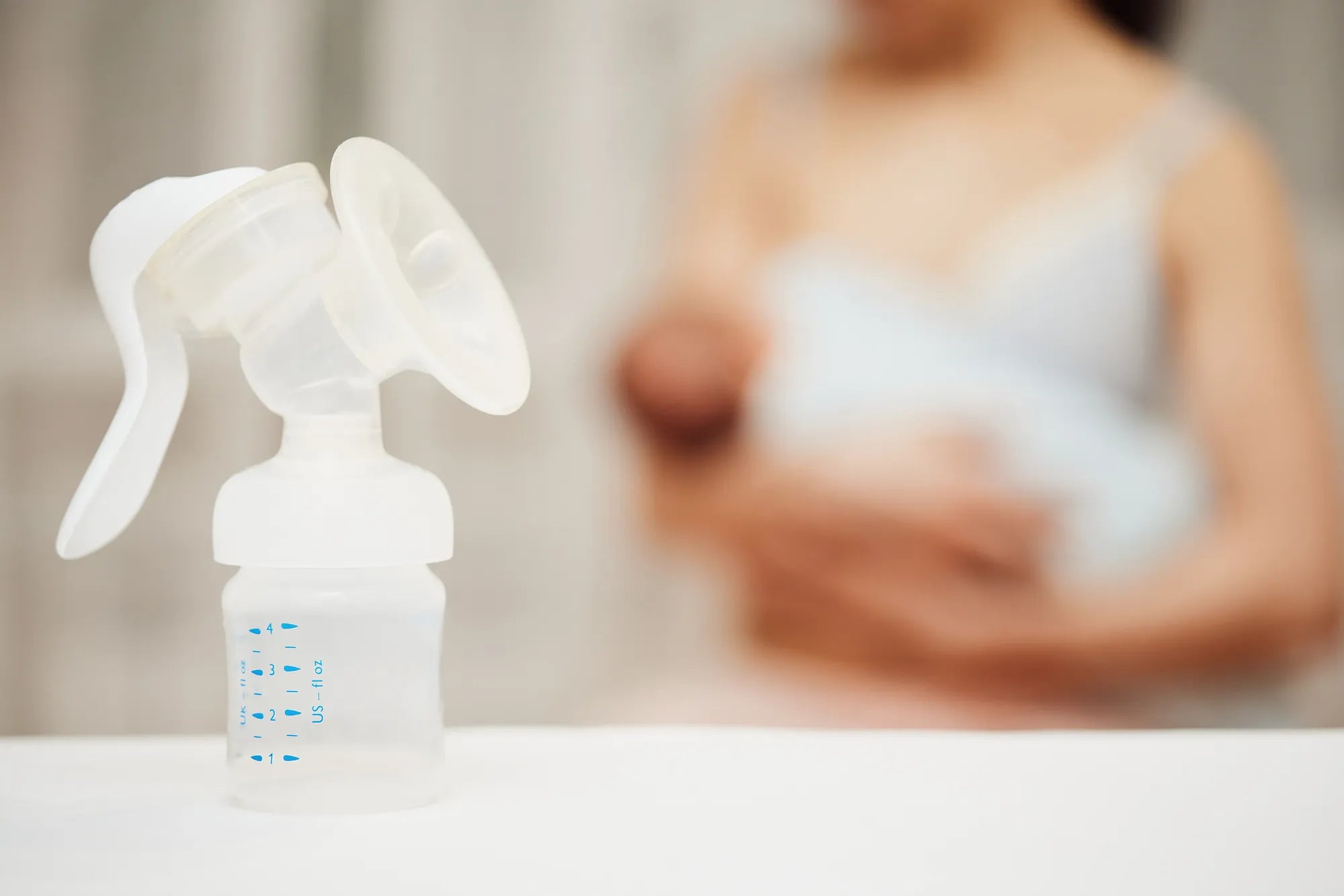
What Is a Hands-Free Breast Pump: A Comprehensive Guide to Wearable Pumping
Imagine pumping breast milk without being confined to a chair or a wall outlet. A hands-free breast pump is a wearable device that makes this possible, offering a new level of freedom for breastfeeding and pumping parents. This comprehensive guide will define exactly what a hands-free breast pump is, explain its mechanics, and detail its transformative benefits. You will learn how to select the right model, integrate it effectively into your routine, and understand how this technology compares to traditional options. By the end, you'll have the knowledge to decide if a hands-free pump is the right tool to support your feeding journey.
Introduction to Hands-Free Breast Pumps
A hands-free breast pump is a portable, wearable pumping system designed to collect milk without the user needing to hold bottles or pump parts. The core innovation lies in its discreet collection cups, which fit inside a standard nursing bra or a provided bustier, allowing for complete mobility. This technology represents a significant evolution from traditional pumps, which typically require users to remain stationary, often hunched over, with bottles dangling from their chest.
The primary goal of a hands-free pump is to integrate seamlessly into a parent's dynamic life. Whether returning to work, caring for other children, or simply wanting to move freely at home, this device empowers users to pump on their own terms. It addresses a critical pain point in the pumping experience: the feeling of being 'tethered' and losing valuable time during multiple daily sessions.
For many, the adoption of a hands-free breast pump is a game-changer for mental well-being and logistical ease. It can reduce the sense of isolation sometimes associated with pumping by enabling parents to participate in household activities, work on a laptop, or even enjoy a meal while expressing milk. This autonomy can be crucial for sustaining a long-term breastfeeding or exclusive pumping relationship.
Brands like MomMed have pioneered in this space, focusing on creating pumps that are not only functional but also comfortable and reliable. As a trusted maternal and baby care brand, MomMed specializes in wearable breast pumps and other essentials designed with the real-world needs of modern parents in mind, helping to make the journey more manageable.
How Does a Hands-Free Breast Pump Work?
The functionality of a hands-free breast pump hinges on a compact, self-contained design. Unlike traditional pumps with separate motors and bottles connected by long tubes, a wearable pump integrates the motor (or motors in a double pump) directly into or alongside the collection cups. These cups are then inserted into the bra, creating a closed system that draws milk directly into sealed containers.
The pumping mechanism mimics a baby's natural nursing pattern through programmable suction cycles. Most high-quality hands-free pumps, such as the MomMed S21, offer multiple modes: a let-down mode that uses rapid, gentle suction to stimulate milk ejection, followed by an expression mode with slower, deeper pulls to effectively drain the breast. This technology is designed to be as efficient as many traditional electric pumps.
A key component is the flange, the funnel-shaped part that fits over the nipple and areola. Achieving a correct flange fit is paramount for both comfort and effective milk removal. Ill-fitting flanges can cause pain, damage tissue, and significantly reduce output. Many modern hands-free pumps come with multiple flange size options or inserts to help users find their perfect match, a critical feature also emphasized by lactation consultants.
The Role of Suction and Seal
Effective operation depends on maintaining a proper vacuum seal within the bra. The collection cups are designed to sit flush against the breast, preventing air leaks that would compromise suction strength. This seal, combined with a quiet but powerful micro-motor, creates the vacuum needed to express milk without the bulk and noise of older pump designs.
The expressed milk flows directly into detachable, spill-proof containers that are part of the cup assembly. After a session, these containers can be removed, sealed with a lid, and stored or fed directly to the baby, minimizing transfer steps and potential milk loss. This integrated design is a cornerstone of the convenience that defines a hands-free breast pump.
Key Benefits of Using a Hands-Free Breast Pump
The advantages of a hands-free breast pump extend far beyond simple convenience. First and foremost is the unparalleled ability to multitask. Parents can pump while preparing meals, working at a computer, helping older children with homework, or during commutes. This recaptures time and reduces the perceived burden of pumping, making it more sustainable.
Discretion and privacy are significant benefits. The low-profile design and ultra-quiet motors, like those in MomMed pumps, allow for pumping in shared offices, public spaces, or family gatherings without drawing attention. This can alleviate anxiety for parents who need to pump outside the home and support more consistent session timing, which is vital for maintaining milk supply.
From a physiological standpoint, the comfort and flexibility can lead to more frequent or relaxed pumping sessions. Stress and tension can inhibit the let-down reflex. By allowing a parent to be distracted by other tasks or simply more at ease, a hands-free pump may actually improve milk output over time. Consistent, effective removal is the primary driver of milk production.
Furthermore, it offers a practical solution for middle-of-the-night pumps. Instead of getting fully up and moving to a stationary pump setup, a parent can use a wearable pump while tending to a baby or even while lying in a reclined position, making those exhausting nighttime sessions slightly more manageable.
MomMed Innovation: Features of a Modern Hands-Free Pump
MomMed exemplifies the innovation in this category with products like the award-winning S21 Double Wearable Breast Pump. This model is engineered for performance and comfort, featuring hospital-grade suction strength in a compact, cordless design. Its powerful yet ultra-quiet operation ensures efficiency without disruption, whether at work or home.
A critical feature is its focus on customized comfort. The S21 offers multiple adjustable suction levels and cycle speeds, allowing every user to find the setting that best mimics their baby's nursing pattern for effective milk removal. This adjustability is crucial for responding to individual sensitivity and maximizing output without discomfort.
Safety and quality are non-negotiable. All MomMed breast pumps, including the S21 and S12 models, are constructed with BPA-free, food-grade silicone and other premium materials that come into contact with breast milk. This ensures the highest standard of safety for both parent and baby, providing peace of mind with every use.
The design also prioritizes ease of use and hygiene. Parts are easy to disassemble, clean, and reassemble. Long-lasting battery life supports multiple pumping sessions on a single charge, eliminating anxiety about power during a busy day. These thoughtful details reflect MomMed's commitment to creating reliable, innovative products that genuinely support the breastfeeding journey.
Choosing the Right Hands-Free Pump: What to Look For
Selecting the best hands-free breast pump requires evaluating several key factors. Suction effectiveness is paramount. Look for pumps that offer a wide range of vacuum settings and cycle speeds. Hospital-grade motors in a wearable form factor, like MomMed's, provide the power needed for efficient milk removal, which is especially important for establishing or maintaining supply.
Battery life and charging options are critical for portability. A good wearable pump should last for several complete pumping sessions (often 2-3 hours of total runtime) on a single charge. Features like USB-C charging add convenience. Also, consider noise level; a pump that operates below 45 dB is considered very quiet and suitable for discreet use.
Comfort and fit are determined by flange options. Your nipple should move freely in the tunnel without rubbing, and only a small amount of areola should be drawn in. Many brands offer a range of sizes (e.g., 21mm, 24mm, 27mm). Some, including MomMed, provide detailed fitting guides and may offer additional insert kits. Never compromise on a proper fit to avoid nipple pain and low output.
Finally, evaluate the ecosystem: ease of cleaning (fewer parts is often better), app connectivity for tracking sessions (if desired), customer support, and warranty. Reading reviews from other pumping parents can provide invaluable real-world insights into a pump's performance and durability.
Hands-Free vs. Traditional Pumps: A Helpful Comparison
Understanding the differences between pump types helps in making an informed decision. The table below provides a clear, data-friendly comparison based on common criteria important to pumping parents.
| Feature | Hands-Free/Wearable Pump | Traditional Electric Pump | Manual Pump |
|---|---|---|---|
| Portability & Hands-Free Use | Excellent. Fully wearable, cordless, allows full mobility. | Poor to Fair. Requires outlet or large battery pack, user is stationary. | Good. Portable but requires one hand to operate constantly. |
| Primary Use Case | On-the-go pumping, multitasking, discreet sessions. | Primary daily pumping, often at a dedicated station. Powerful for establishing supply. | Occasional use, relief from engorgement, backup option. |
| Noise Level | Very Low (Often <45 dB). | Moderate to Loud. | Quiet (mechanical sound only). |
| Suction Power & Efficiency | High (in top models). Can be as effective as many traditional electrics. | Typically High (especially hospital-grade rentals). | User-dependent. Can be tiring for frequent use. |
| Discretion | High. Fits inside bra, very quiet. | Low. Obvious setup and noise. | Medium. Obvious activity but quiet. |
| Price Point | Higher initial investment. | Mid to High (often covered by insurance). | Lowest cost. |
This comparison shows that a hands-free breast pump is not necessarily a replacement for a traditional electric pump for everyone but serves as a powerful complementary tool or primary pump for those valuing mobility. Many parents successfully use a traditional pump for their first morning session (when volume is often highest) and a wearable pump for subsequent sessions throughout the day.
Getting the Most Out of Your Hands-Free Pump: Tips & Best Practices
To maximize the effectiveness of your hands-free breast pump, start with a proper fit. Measure your nipple diameter (without compression) and consult the brand's sizing guide. Flanges that are too large will draw in too much areola, causing pain and swelling; those too small will compress the nipple and restrict milk flow. Re-measure periodically, as size can change.
Establish a routine. While the flexibility is a benefit, try to pump at roughly consistent times each day to signal your body to produce milk. Use the pump's massage mode for 2-3 minutes at the beginning to stimulate let-down before switching to expression mode. Gentle breast massage or warmth applied before pumping can also enhance milk flow.
Ensure hygiene by cleaning all parts that contact milk after each use according to the manufacturer's instructions. Have multiple sets of parts to avoid constant washing. For comfort during longer wear, ensure the pump is seated securely but not overly tight in your bra, and use a lubricant like coconut oil or purpose-made nipple cream on the flange rim to reduce friction.
Monitor your output and comfort. Effective pumping should not be painful. If you experience persistent pain, see a drop in supply, or have concerns about flange fit, consult an International Board Certified Lactation Consultant (IBCLC). They can provide personalized guidance and help you troubleshoot issues like engorgement or low milk supply in the context of your new pump.
Addressing Common Questions (FAQ)
Are hands-free pumps as effective as hospital-grade pumps?
Top-tier hands-free pumps with hospital-grade suction, like the MomMed S21, can be equally effective for many users in terms of milk removal. However, a traditional hospital-grade rental pump is often recommended in the very early postpartum days to establish supply, for parents with specific medical conditions, or for exclusive pumping. For most maintaining a supply, a high-quality wearable is an excellent primary pump.
Can I use a hands-free pump as my only pump?
Yes, many parents successfully use a hands-free breast pump as their primary and only pump, especially after their milk supply is well-established (around 12 weeks postpartum). The key is choosing a powerful, reliable model and ensuring perfect flange fit. It's wise to have a manual pump as a backup for emergencies.
How do I clean and maintain my hands-free pump?
Disassemble all parts that touch breast milk after each session. Rinse in cool water, then wash with warm, soapy water using a dedicated brush. Air-dry thoroughly on a clean rack or towel. Sanitize according to the manufacturer's guidelines—typically once daily for infants under 3 months, or as needed. Never submerge the motor unit in water.
Is it comfortable for all-day wear?
The collection cups are designed for periodic pumping sessions, not for continuous all-day wear. Most users wear them only during active pumping sessions (typically 15-30 minutes). Wearing them empty for extended periods is not recommended and could cause discomfort or pressure.
How do I handle a sudden drop in output with my wearable pump?
First, check your flange size—it may have changed. Replace any worn-out valves or membranes, as these are common culprits for lost suction. Ensure the pump is fully charged. Try hand-expressing or using a manual pump for a session to see if output improves, which can help determine if the issue is the pump or a temporary supply dip. Stay hydrated and consider adding a power pumping session. If the issue persists, consult an IBCLC.
Conclusion: Embracing Freedom in Your Breastfeeding Journey
The innovation of the hands-free breast pump has fundamentally reshaped the pumping experience, offering tangible freedom and flexibility. By understanding how it works, its benefits, and how to use it effectively, you can harness this technology to support your feeding goals in a way that fits your life. Whether used as a primary pump or a complementary tool, it empowers you to reclaim time and reduce stress.
MomMed remains dedicated to supporting this journey with thoughtfully designed, reliable products that prioritize both performance and parent comfort. From finding the perfect flange fit to establishing a comfortable pumping rhythm, the right tools and knowledge make all the difference. Your breastfeeding or pumping path is unique, and modern solutions exist to help you navigate it with greater ease and confidence.
Shop the MomMed collection at mommed.com for all your breastfeeding and pregnancy needs, including the award-winning S21 Double Wearable Breast Pump, designed to give you the freedom you deserve.