


Home
Pregnancy, Breastfeeding, and Pumping: The Ultimate Guide for Moms
Is Pumping Breast Milk Safe: A Comprehensive Guide for New Mothers
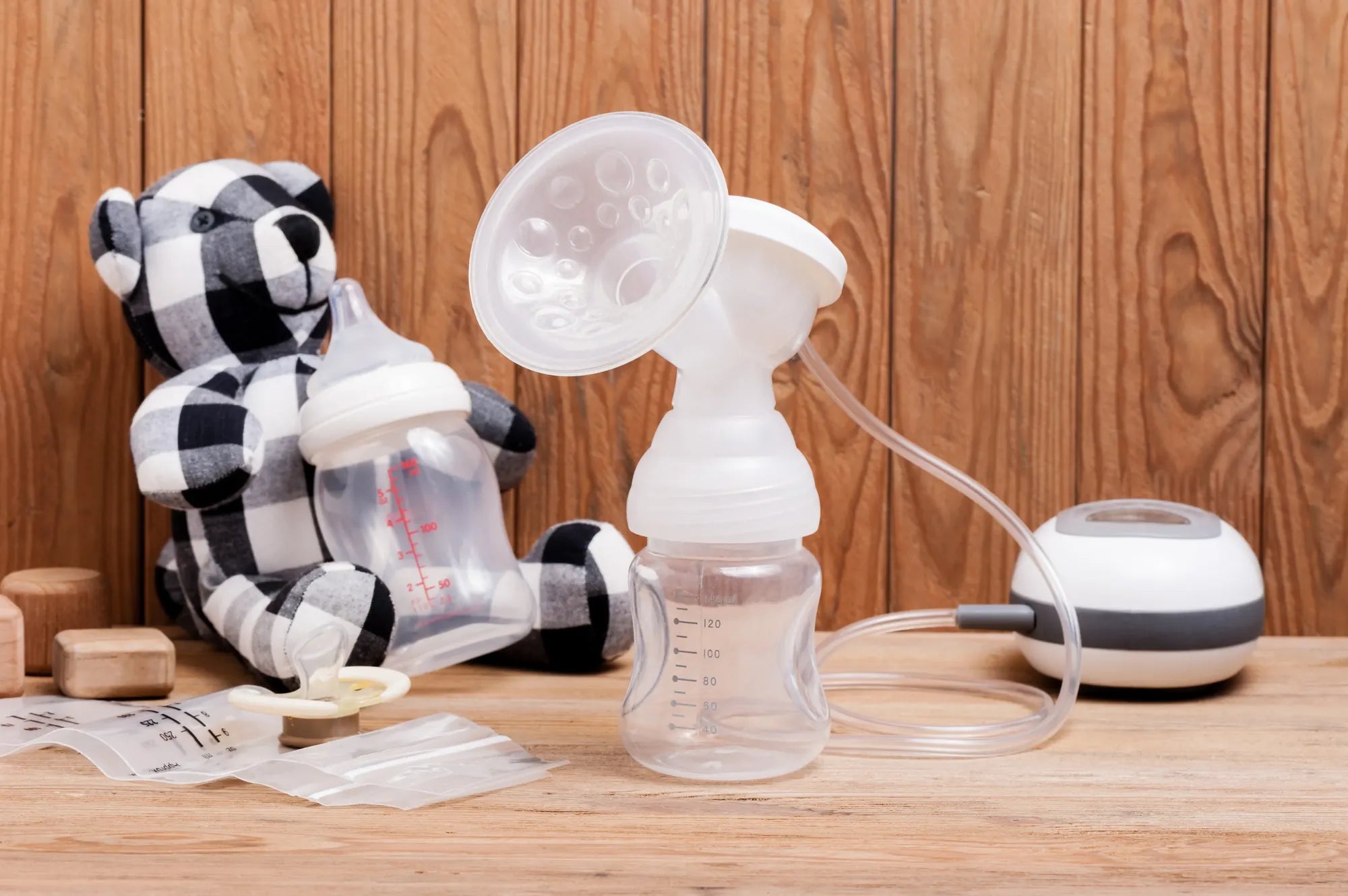
Is Pumping Breast Milk Safe: A Comprehensive Guide for New Mothers
Introduction: Understanding the Safety of Pumping Breast Milk
For new mothers navigating the complexities of infant feeding, a pressing question often arises: Is pumping breast milk safe? This concern is both valid and common, stemming from a desire to provide the absolute best for your baby. The unequivocal answer is yes—expressing milk with a breast pump is a safe, well-established practice that serves as a natural extension of breastfeeding. When performed with proper hygiene, appropriate equipment, and correct technique, pumping is not only safe but can be a crucial tool for maternal and infant health.
This guide will comprehensively address the safety of pumping breast milk, transforming uncertainty into confidence. We will explore the rigorous science behind milk expression, detail the non-negotiable protocols for hygiene and storage, and debunk prevalent myths. Understanding these factors empowers you to make informed decisions that support your breastfeeding goals and your baby's well-being.
As a trusted maternal and baby care brand, MomMed specializes in providing reliable, comfortable, and innovative products for moms and moms-to-be. From our wearable breast pumps to pregnancy test kits and feeding gear, our mission is to support your journey with solutions engineered for safety and peace of mind. Let's delve into the evidence and practices that make pumping a secure and empowering choice.
The Core Benefits: Why Pumping is a Safe and Empowering Choice
Pumping breast milk is far more than a simple alternative to direct nursing; it is a strategic practice with multifaceted safety and health benefits. By providing control and flexibility, it supports sustained breastfeeding, which is linked to optimal infant nutrition and immune development. The act of pumping safely mimics a baby's suckling, sending the necessary hormonal signals to your body to produce milk.
One of the primary safety benefits is the ability to maintain or increase milk supply, especially in critical situations. For mothers returning to work, managing low supply concerns, or when a baby has latch difficulties, regular pumping ensures a consistent and safe food source for the infant. It prevents the risks associated with unintended weaning and the potential introduction of formula before it's medically necessary or desired.
Pumping also allows for the safe management of maternal medical conditions. For instance, it can provide relief from engorgement, reducing the risk of mastitis—a painful breast infection. It enables mothers to continue providing breast milk while taking medications that may temporarily contraindicate direct feeding, after consulting with a healthcare provider. Furthermore, it facilitates shared feeding duties, allowing partners to bond with the baby and giving the mother essential rest, which is crucial for postpartum recovery and mental health.
This flexibility directly contributes to maternal well-being. The ability to have a stash of milk can alleviate anxiety about milk supply and feeding schedules. It grants mothers the freedom to attend appointments, manage other responsibilities, or simply take a break, knowing their baby has safe, nutritious milk available. This empowerment supports longer breastfeeding durations, aligning with global health recommendations.
Ensuring Safety: Key Factors for Hygienic and Effective Pumping
The cornerstone of safe pumping lies in meticulous hygiene, correct handling, and using properly maintained equipment. Adhering to established guidelines minimizes the risk of bacterial contamination, preserves the nutritional integrity of the milk, and protects both mother and baby.
Hygiene First: Cleaning and Sanitizing Your Pump Parts
Proper cleaning is non-negotiable. After each use, pump parts that contact breast milk (flanges, valves, membranes, bottles) must be disassembled and rinsed. They should then be washed thoroughly in hot, soapy water using a brush designated for this purpose, or cleaned on the top rack of a dishwasher if they are dishwasher-safe. Air-drying on a clean towel or rack is essential.
Beyond cleaning, sanitizing is recommended at least once daily for infants under 3 months, premature infants, or those with compromised immune systems. Sanitizing can be done by boiling parts in water for 5 minutes, using a steam bag in a microwave, or with a countertop electric steam sterilizer. Always ensure your hands are washed before handling clean pump parts or expressing milk.
Safe Storage and Handling: From Pump to Baby
Following evidence-based storage guidelines is critical for safety. The table below summarizes current recommendations from the Centers for Disease Control and Prevention (CDC) and the Academy of Breastfeeding Medicine for healthy, full-term infants.
| Storage Location | Temperature | Duration | Key Notes |
|---|---|---|---|
| Room Temperature | Up to 77°F (25°C) | Up to 4 hours | Keep covered; avoid direct sunlight. |
| Refrigerator | 39°F (4°C) or below | Up to 4 days | Store in back, not in door. |
| Freezer (separate door) | 0°F (-18°C) or below | Up to 12 months (6 months optimal) | Use airtight containers or bags; label with date. |
Thaw frozen milk safely overnight in the refrigerator or by placing the container in warm water. Never thaw or warm breast milk in a microwave, as it can create hot spots and destroy valuable nutrients. Once thawed, use within 24 hours and do not refreeze. For a bottle feed, if the baby does not finish it, it should be used within 2 hours.
Choosing the Right Equipment: What Makes a Pump Safe?
Safety in equipment is defined by material integrity, design, and functionality. A high-quality, safe breast pump should feature a closed-system design. This prevents expressed milk from backing into the tubing and motor, protecting against mold growth and cross-contamination—a critical flaw in open-system pumps.
All components that contact milk must be made from BPA-free, food-grade materials. MomMed pumps, for example, use medical-grade and food-grade silicone and plastics, ensuring no harmful chemicals leach into your milk. Adjustable suction settings are also vital for safety; a pump that is too strong can cause tissue damage, pain, and vasospasm, while one that is too weak may be ineffective. Pumps like the MomMed S21 Wearable offer multiple, gentle modes that mimic a baby's natural nursing pattern, allowing you to find a comfortable, effective, and safe rhythm.
Addressing Common Concerns and Myths
Misinformation can create unnecessary fear. Let's clarify the facts behind frequent worries about pumping breast milk.
Does Pumping Reduce Milk Supply or Nutrient Quality?
This is a pervasive myth. In reality, frequent and effective pumping signals your body to produce more milk, just as a baby would. Supply is based on demand; removing milk consistently tells your body to make more. Regarding nutrition, expressed breast milk remains a living, dynamic fluid. While some antioxidants and vitamins may decrease slightly with prolonged storage, the core nutritional profile—proteins, fats, carbohydrates, and the majority of immune-boosting cells—remains largely intact, making it vastly superior to formula.
Proper handling is key to preserving quality. Following the storage and warming guidelines above ensures your baby receives the maximum possible benefit from your pumped milk.
Can Pumping Cause Pain or Damage?
Pumping should not be painful. Discomfort is typically a sign that something needs adjustment, most commonly an incorrect flange size. Using a flange that is too large or too small can cause nipple pain, swelling, reduced milk output, and even tissue damage. It's essential to measure your nipple diameter (without including the areola) and select the appropriate flange.
Similarly, using the highest suction setting is not more effective and can be harmful. A safe pump provides a comfortable, rhythmic pull. MomMed pumps are designed with this in mind, featuring initiation and expression modes that start gently to stimulate let-down before transitioning to a comfortable, efficient pumping pattern, safeguarding your breast health.
Is It Safe to Combine Direct Breastfeeding and Pumping?
Absolutely. This practice, often called "combo-feeding," is extremely common and safe. It offers the best of both worlds: the bonding and direct immune transfer of nursing, plus the flexibility and supply security of pumping. Many mothers pump after morning feeds when supply is naturally higher to build a freezer stash, or pump to relieve engorgement if a feed is missed. This combination is a highly effective strategy for reaching long-term breastfeeding goals.
MomMed’s Approach: Engineering Safety and Comfort into Every Pump
At MomMed, safety is not a feature—it's the foundation of our design philosophy. We engineer products to meet the highest standards, giving mothers confidence with every use. Our award-winning S21 Double Wearable Breast Pump exemplifies this commitment.
The S21 utilizes a true closed-system design, creating an impenetrable barrier between the milk collection pathway and the motor. This prevents backflow, ensuring a hygienic pumping session every time. Its ultra-quiet, hospital-grade motor is not only discreet but also engineered for consistent performance and durability, delivering safe and effective suction over the long term.
Every material that touches skin or milk is certified food-grade and BPA-free. The soft, flexible silicone flanges are designed for comfort and a secure seal. Crucially, the S21 offers extensive customization with multiple modes and suction levels, allowing mothers to tailor the experience to their unique comfort and efficiency needs, preventing pain and promoting healthy milk ejection. This thoughtful integration of safety, comfort, and innovation is why thousands of moms trust MomMed for their breastfeeding journey.
Comparison: Key Safety Features of Pump Types
Understanding the safety landscape of different pumps can guide your choice. This table compares common pump types based on critical safety and hygiene factors.
| Feature | Hospital-Grade Rental | Double Electric (e.g., MomMed Swing) | Wearable (e.g., MomMed S21) | Manual Pump |
|---|---|---|---|---|
| System Type | Closed | Closed | Closed | Open/Closed (varies) |
| Hygiene Control | Very High (personal kit) | High | High | Medium-High |
| Material Safety | High (kit dependent) | High (BPA-free) | High (Food-grade silicone) | Varies |
| Suction Control & Safety | Excellent | Very Good (adjustable) | Excellent (programmable) | User-dependent (risk of overuse) |
| Risk of Contamination | Low | Low | Low | Medium (if not cleaned perfectly) |
| Ideal For | Establishing supply, NICU moms | Primary daily pumping | Active moms, discretion | Occasional use, travel backup |
Frequently Asked Questions (FAQs) on Pumping Safety
1. How often should I clean my pump parts if I pump multiple times a day?
For optimal safety, it's best to clean parts after every session. If this is challenging, you can use the “refrigerator method” as a short-term compromise for parts used within 24 hours: seal clean parts in a zip-top bag and store them in the refrigerator between pumps. Wash and sanitize them thoroughly at the end of the day.
2. Can I re-refrigerate breast milk my baby didn't finish from a bottle?
The CDC advises caution. If the baby did not finish the bottle within 2 hours of starting the feed, it is safest to discard the leftover milk. Bacteria from the baby's mouth can multiply in the milk, even if refrigerated again.
3. Is it safe to use second-hand or borrowed breast pumps?
It depends entirely on the pump type. A multi-user, hospital-grade rental pump is safe because you use your own personal accessory kit. For personal-use electric pumps (single or double), the FDA and most manufacturers advise against sharing due to the risk of microscopic contamination in the motor. A manual pump may be safer to share if all parts are replaced.
4. How do I know if my stored breast milk has gone bad?
Spoiled breast milk often has a distinctly sour or rancid odor, unlike the mild, soapy smell that can occur due to lipase enzyme activity (which is safe). Visually, significant separation that doesn't mix with gentle swirling, or the presence of clumps, can indicate spoilage. When in doubt, it is safest to discard it.
5. Are wearable pumps like MomMed's as safe and effective as traditional ones?
Yes, when they are well-designed like the MomMed S21. They incorporate the same closed-system safety, food-grade materials, and hospital-grade motor technology. Their effectiveness matches traditional pumps for most users, offering the added safety benefits of discretion and mobility, which can reduce stress and support consistent pumping schedules.
Pumping with Confidence and Support
The journey of feeding your baby is deeply personal, and choosing to pump is a powerful decision that extends your ability to provide liquid gold. The evidence is clear: with diligent hygiene, adherence to storage protocols, and the use of well-designed equipment, pumping breast milk is a profoundly safe practice. It is a modern tool that upholds the ancient, biological process of breastfeeding, adapting it to the realities of contemporary life.
By understanding the principles outlined in this guide—from measuring your flange size to safely thawing a freezer stash—you transform pumping from a source of anxiety into an instrument of empowerment. It grants you agency over your schedule, involves your support network, and ensures your baby receives optimal nutrition even when you are apart. Trust in the science, follow the guidelines, and listen to your body.
MomMed is proud to be a partner in this journey, offering innovative, reliable products engineered with your safety and comfort as the top priority. Whether you are exclusively pumping, combining methods, or building a stash for your return to work, you can move forward with assurance. Shop the MomMed collection at mommed.com for all your breastfeeding and pregnancy needs, and embrace your feeding journey with confidence and support.