


Home
Pregnancy, Breastfeeding, and Pumping: The Ultimate Guide for Moms
Is It Good to Use Electric Breast Pump: A Comprehensive Guide for Modern Moms
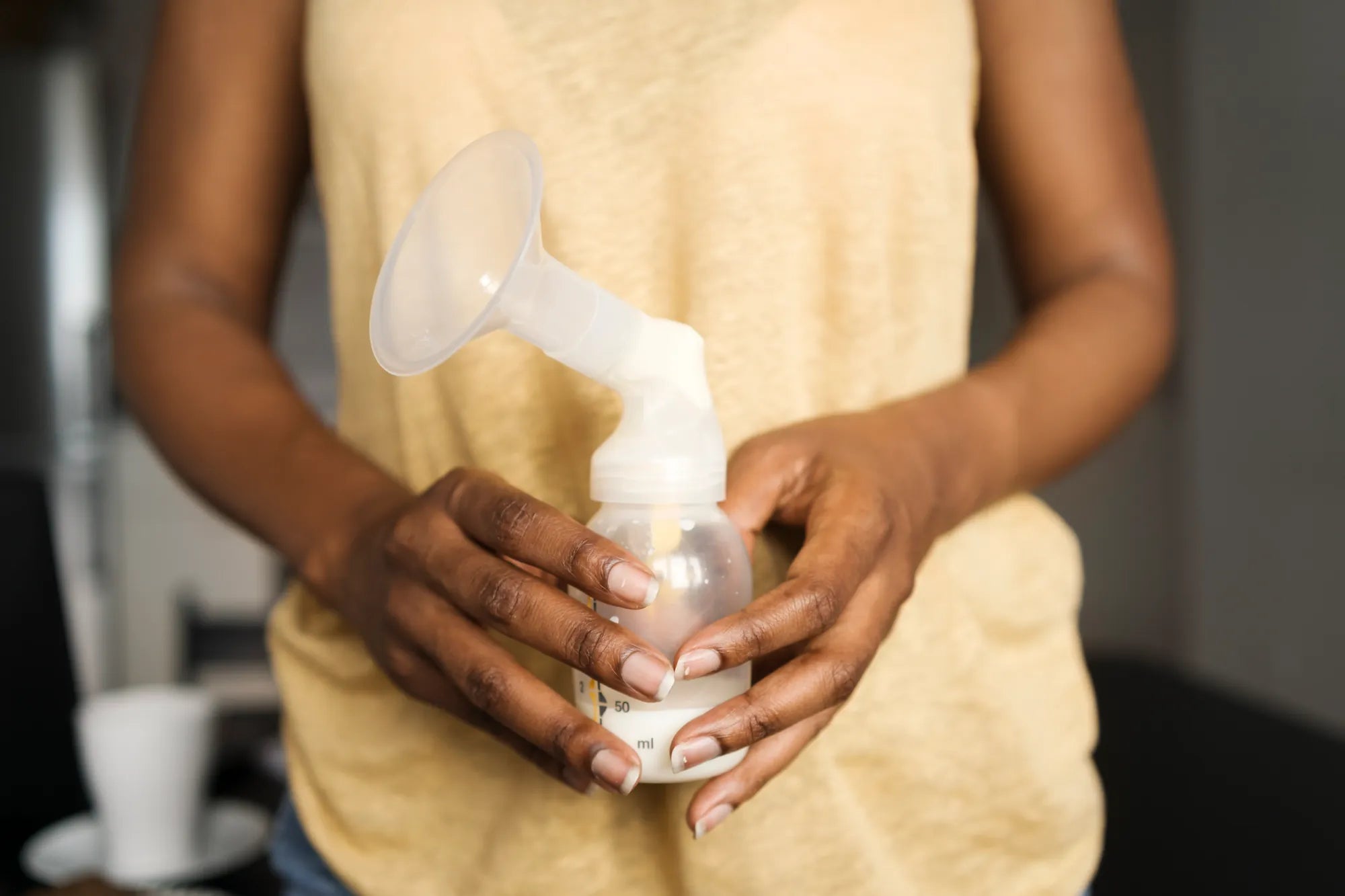
Is It Good to Use Electric Breast Pump: A Comprehensive Guide for Modern Moms
Introduction to Electric Breast Pumps: A Modern Tool for Modern Moms
For new and expecting mothers, the question "Is it good to use an electric breast pump?" is both common and crucial. The answer is a resounding yes for most, as these devices represent a significant advancement in supporting diverse feeding goals. An electric breast pump is more than just a machine; it's a tool for empowerment, health, and flexibility.
This comprehensive guide will analyze the data, benefits, and practical considerations. We'll move beyond anecdote to explore how electric pumps support physiological milk production and maternal well-being. Understanding this tool can transform your feeding experience.
Brands like MomMed design these tools with clinical insights and mom-centric innovation. As a trusted maternal and baby care brand, MomMed specializes in creating reliable, comfortable products like wearable breast pumps and feeding gear to support every stage of motherhood.
Understanding the Benefits: Why an Electric Pump Can Be a Game-Changer
Electric breast pumps offer distinct advantages over manual expression or manual pumps. Their primary benefit is replicating a baby's suckling pattern efficiently, which is key to stimulating milk production. Research indicates that efficient milk removal is the single most important factor in maintaining supply.
Clinical studies, such as those cited in the Journal of Human Lactation, show that double electric pumping can yield more milk in less time compared to single pumping or hand expression. This efficiency directly supports the hormonal feedback loop that regulates milk synthesis, making pumps a proactive tool for supply management.
For mothers of preterm infants in the NICU, electric pumps are often essential for initiating and building a milk supply when direct breastfeeding isn't immediately possible. The consistent, adjustable suction can help mimic the frequent feeding pattern needed in the early days.
Efficiency and Time-Saving
The time-saving aspect of electric pumps is quantifiable. A double electric pump allows for simultaneous expression from both breasts, which not only cuts pumping sessions by half but also has a physiological benefit. Simultaneous pumping leads to higher prolactin levels compared to sequential pumping.
This means a mother using a double electric pump for 15 minutes can often express the same volume as she would from 30 minutes of single-side pumping. For working mothers or those with other children, this reclaimed time is invaluable for rest, bonding, or managing household tasks.
Modern pumps, especially wearable models like the MomMed S21, integrate this efficiency into a discreet design. The ability to pump without being tethered to a wall outlet or a bulky machine transforms time-saving into true lifestyle integration.
Supporting Milk Supply and Establishing Feeding
Electric pumps are instrumental for both establishing and protecting milk supply. In the immediate postpartum period, they can be used to stimulate colostrum production if a baby is having latching difficulties. The controlled suction can help encourage milk let-down and empty the breast effectively.
For mothers returning to work, a consistent pumping schedule with an efficient electric pump signals the body to continue producing milk despite the baby's absence. This is critical for maintaining supply long-term. Pumps also allow for strategic "power pumping" sessions to boost supply, mimicking cluster feeding.
Conversely, for mothers with oversupply or engorgement, an electric pump can provide quick, controlled relief to prevent complications like mastitis. The key is using the pump as a tool for management, not complete emptying, which a manual pump struggles to achieve with precision.
Flexibility and Freedom for Mom
The flexibility afforded by an electric pump is a major contributor to maternal mental health. By enabling the creation of a breast milk stash, feeding duties can be shared with a partner or caregiver. This allows the breastfeeding mother to get longer stretches of uninterrupted sleep, which is vital for recovery and well-being.
This freedom extends to social and professional life. Mothers can attend events, run errands, or return to work knowing their baby can be fed their milk. It reduces the pressure of being the sole source of nutrition 24/7, which can alleviate anxiety and make the breastfeeding journey more sustainable.
Wearable electric pumps have revolutionized this aspect. A product like the MomMed S12 Single Wearable Breast Pump offers discreet, hands-free operation, meaning a mother can pump while commuting, working at her desk, or even preparing dinner, maintaining her normal routine with minimal disruption.
Choosing the Right Pump: Key Features to Consider for Your Needs
Not all electric breast pumps are created equal. Selecting the right one involves matching features to your lifestyle, frequency of use, and personal comfort. The primary categories are hospital-grade rental pumps, personal double electric pumps, and wearable pumps.
Hospital-grade pumps are the strongest and are often recommended for exclusive pumping, low supply issues, or for mothers of NICU babies. Personal double electric pumps are the workhorse for daily use, especially for working moms. Wearable pumps are the newest category, prioritizing discretion and mobility.
Key specifications to evaluate include suction strength (measured in mmHg), cycle speed (cycles per minute), noise level, and portability. A pump that is too loud or cumbersome can become a source of stress, defeating its purpose as a supportive tool.
Portability and Discretion: The Wearable Advantage
Portability has evolved from simply having a battery pack to complete in-bra, cordless design. Wearable pumps represent the pinnacle of this evolution. They fit inside a standard nursing bra, with no external tubes or bottles visible, allowing for truly discreet pumping anywhere.
This design directly addresses a major barrier to consistent pumping: the feeling of being tied down or isolated during sessions. For mothers who need to pump in workplace environments or while caring for other children, the discretion and hands-free operation of a wearable pump can reduce stress and increase compliance with a pumping schedule.
MomMed's wearable pumps, such as the S21 model, are engineered for this balance of performance and discretion. They offer hospital-grade suction levels in a silent, cordless design, ensuring effective milk removal without sacrificing the freedom modern mothers need.
Customizable Comfort: Suction Modes and Levels
Comfort is non-negotiable for effective pumping. A high-quality electric pump should offer multiple stimulation and expression modes. The stimulation (or let-down) mode uses rapid, gentle suction to trigger the milk ejection reflex. The expression mode then switches to slower, deeper pulls to efficiently remove milk.
Within these modes, adjustable suction levels are critical. Nipple sensitivity varies greatly between individuals and can change postpartum. A pump with a wide range of gentle to strong settings allows every mother to find her "goldilocks zone"—effective but not painful suction.
Pumps that mimic a baby's natural nursing pattern, with varying rhythms, are often more comfortable and effective. This technology helps prevent nipple trauma and vasospasm, common issues when suction is too strong or unvarying. Always start on the lowest effective setting and increase only as needed.
Performance and Peace of Mind: Power and Safety
Reliable performance depends on a powerful, quiet motor that can maintain consistent suction throughout a session. A weak motor may struggle to maintain suction as the bottle fills, leading to incomplete emptying. Look for pumps with closed-system technology, which includes a barrier to prevent milk from backing into the tubing and motor, a crucial feature for hygiene and pump longevity.
Safety is paramount. All parts that come into contact with breast milk must be made from BPA-free, food-grade materials. MomMed adheres to this standard rigorously, using medical-grade silicone for all breast-contact components. This ensures no harmful chemicals leach into your baby's milk.
Battery life is a key component of performance for portable models. A pump that dies mid-session can be frustrating and disrupt your pumping rhythm. Investing in a pump with a long-lasting, rechargeable battery ensures reliability when you need it most.
Practical Guide: How to Use an Electric Breast Pump Effectively and Comfortably
Proper technique maximizes output and comfort. Begin by washing your hands and assembling clean, dry pump parts. Ensure flanges and valves are correctly connected to create a proper seal. A poor seal is a common cause of low output.
Position the flange so your nipple is centered in the tunnel and moves freely without rubbing the sides. The areola may have a slight pull into the tunnel, but the majority should not be drawn in. Apply a pure lanolin or coconut oil to the flange rim to reduce friction.
Start the pump in stimulation mode at the lowest suction setting. Once milk begins to flow in streams (usually after 1-2 minutes), switch to expression mode. Gradually increase the suction to a level that feels strong but not painful. Effective pumping should not cause bruising or significant discomfort.
Creating a Relaxing Routine
Your mental state directly impacts your let-down reflex. Stress can inhibit oxytocin, the hormone responsible for milk ejection. Create a mini-ritual: sip a warm drink, listen to calming music or a podcast, practice deep breathing, or look at photos/videos of your baby.
Gentle breast massage before and during pumping can help. Use your hands in a circular motion from the chest wall toward the nipple to help move milk down the ducts. This "hands-on pumping" technique has been shown to increase milk yield significantly.
Stay hydrated and nourished. Keep a large bottle of water and a healthy snack at your pumping station. Consistency is also key; try to pump at roughly the same times each day to regulate your body's supply and demand cycle.
Fitting and Flange Size
Flange fit is the most overlooked yet critical factor for comfort and output. A flange that is too small will compress the nipple, causing pain, swelling, and reduced milk flow. A flange that is too large will draw in too much areola, causing friction and also reducing efficiency.
To measure, use a nipple ruler (often provided by brands like MomMed) or a standard millimeter ruler *after* pumping when the nipple is at its largest. Measure the diameter of the base of the nipple, not the areola. Add 0-4mm to this measurement to find your ideal flange size.
Signs of a poor fit include: nipple blanching (turning white) during pumping, pain that persists throughout the session, redness or swelling, and less milk output than expected. Most pumps come with a standard 24mm or 28mm flange, but many women need sizes ranging from 17mm to 30mm.
Electric vs. Manual: A Detailed Feature Comparison
| Feature | Electric Breast Pump | Manual Breast Pump |
|---|---|---|
| Primary Use Case | Frequent, daily pumping; working moms; supply building; double pumping. | Occasional use; relieving engorgement; quick sessions while out; backup pump. |
| Efficiency & Speed | High. Double pumps empty both breasts simultaneously in 15-20 minutes. | Low to Moderate. Single breast only, typically takes 30-45 minutes per session. |
| Impact on Milk Supply | Excellent for maintaining and increasing supply due to consistent, powerful suction. | Less effective for long-term supply maintenance; better for occasional relief. |
| Hands-Free Operation | Yes, with wearable models or a hands-free pumping bra. | No, requires constant hand/arm action. |
| Customization | Multiple suction levels and cycle patterns; adjustable for comfort. | Limited to the pressure you apply manually; inconsistent. |
| Cost & Investment | Higher upfront cost, but often covered by insurance. Long-term value for frequent use. | Low upfront cost. Minimal investment. |
| Portability | Varies. Wearable pumps are highly portable; traditional models less so. | Highly portable, no power needed. |
| Fatigue Factor | Low for user (machine does the work). | High, can cause hand, wrist, and arm fatigue. |
Addressing Common Concerns: Electric Pump Myths vs. Reality
Misinformation can create unnecessary anxiety. Let's dismantle common myths with evidence-based facts to empower your decision-making with confidence.
"Will using a pump decrease my milk supply?"
Reality: Proper use of an electric pump typically increases or maintains supply. Your body produces milk based on demand. An efficient pump that empties the breast well sends a strong "make more milk" signal. Supply decreases only if pumping is infrequent, sessions are too short, or the pump is ineffective at removal. For many, a pump is the tool that *saves* their breastfeeding journey when direct nursing is challenging.
"Are electric pumps painful to use?"
Reality: Pumping should not be painful. Discomfort is a signal that something needs adjustment. The most common causes are incorrect flange size, suction set too high, or dry friction. With a proper fit (see Flange Fit section above) and starting on low, comfortable settings, pumping is a neutral or mildly tugging sensation. Any sharp pain, pinching, or lasting soreness indicates a problem with technique or equipment, not an inherent flaw in pumping.
"Is the milk from a pump as good as directly from the breast?"
Reality: Yes, expressed breast milk is nutritionally complete and provides all the same antibodies, living cells, and tailored nutrition as milk fed directly from the breast. Some enzymatic activity may decrease slightly with storage over time, but the core benefits remain overwhelmingly superior to formula. The act of pumping also helps build your baby's immune system by exposing them to pathogens in your environment, which your body then creates antibodies for.
"Do I need a hospital-grade pump, or is a personal one sufficient?"
Reality: For the majority of mothers feeding term, healthy babies, a high-quality personal double electric pump is perfectly sufficient. Hospital-grade pumps (often rented) are typically recommended for specific situations: establishing supply for a preterm/NICU baby, exclusively pumping from the start, or diagnosed low milk supply issues. Many personal pumps, including advanced wearable models, now offer suction strength comparable to older hospital-grade models.
"Can I use a pump if I have a low supply?"
Reality: A pump is one of the primary tools recommended by lactation consultants for addressing low supply. Strategic pumping *after* or *between* nursing sessions ("power pumping") can provide the additional stimulation needed to increase production. It also allows you to measure output, which can be helpful for tracking progress and for supplementation if needed, using your own milk via a syringe or supplemental nursing system.
Frequently Asked Questions (FAQ)
Q1: How often and how long should I pump?
A: For a full-time working mom, pump as often as your baby would typically nurse, usually every 3-4 hours. Sessions typically last 15-20 minutes with a double electric pump, or until milk flow stops. For maintaining supply while away from baby, total daily pumping minutes should match the baby's average feeding time.
Q2: When should I start pumping postpartum?
A: If breastfeeding is going well, it's generally advised to wait 3-4 weeks to establish your supply and avoid oversupply before introducing a pump for stash-building. However, if you're experiencing latching issues, need to be separated from your baby, or are returning to work very early, you may need to start sooner—sometimes within the first few days. Consult an IBCLC for a personalized plan.
Q3: How do I clean and maintain my electric pump?
A> After each use, rinse parts that contact milk in cool water, then wash with warm soapy water or in the top rack of the dishwasher (if dishwasher-safe). Sterilize by boiling, using a steam bag, or a sterilizer at least once daily for newborns, and as needed for older infants. Ensure parts are completely air-dried before reassembly. Wipe the motor unit with a damp cloth. Never submerge the motor.
Q4: My pump doesn't seem to be removing much milk. What's wrong?
A> First, check the basics: flange fit (the most common issue), valve membranes (replace if worn or cracked), and suction settings. Ensure you're relaxed and using breast massage. Try switching back to stimulation mode to trigger another let-down. Sometimes, replacing small wear-and-tear parts like duckbill valves or backflow protectors can restore full suction power.
Q5: Are wearable pumps as effective as traditional plug-in pumps?
A> Modern wearable pumps have closed the gap significantly. While traditional plug-in pumps may still hold a slight edge in maximum suction power for some users, high-performance wearable pumps like the MomMed S21 are clinically effective for maintaining milk supply for the vast majority of mothers. Their effectiveness for building a new supply from scratch may vary, and they are best evaluated on an individual basis with a lactation consultant.
Conclusion: Empowering Your Feeding Journey with the Right Support
The evidence clearly supports the value of a high-quality electric breast pump as a positive, powerful tool in a mother's arsenal. It is good to use an electric breast pump when it aligns with your goals for flexibility, supply management, and shared feeding. The key is selecting a pump that marries clinical effectiveness with the comfort and convenience your lifestyle demands.
From supporting the physiology of milk production to granting the freedom that supports maternal mental health, the right pump can be transformative. It turns breastfeeding from a potential constraint into a flexible, sustainable choice. Prioritize proper fit, customizable settings, and reliable performance in your selection.
For mothers seeking innovation that doesn't compromise on performance, exploring wearable technology is a logical step. MomMed's award-winning collection, designed with input from thousands of moms, offers solutions like the silent, cordless S21 pump that empower you to feed your baby on your terms. Your journey is unique, and your tools should be too.
Ready to find the perfect pump for your lifestyle? Shop the MomMed collection at mommed.com for all your breastfeeding and pregnancy needs, from hospital-grade wearable pumps and BPA-free feeding gear to accurate pregnancy tests and baby care essentials.