


Home
Pregnancy, Breastfeeding, and Pumping: The Ultimate Guide for Moms
How to Strictly Pump Breast Milk: The Complete Guide for Exclusive Pumping
How to Strictly Pump Breast Milk: The Complete Guide for Exclusive Pumping
Embracing the Exclusive Pumping Journey
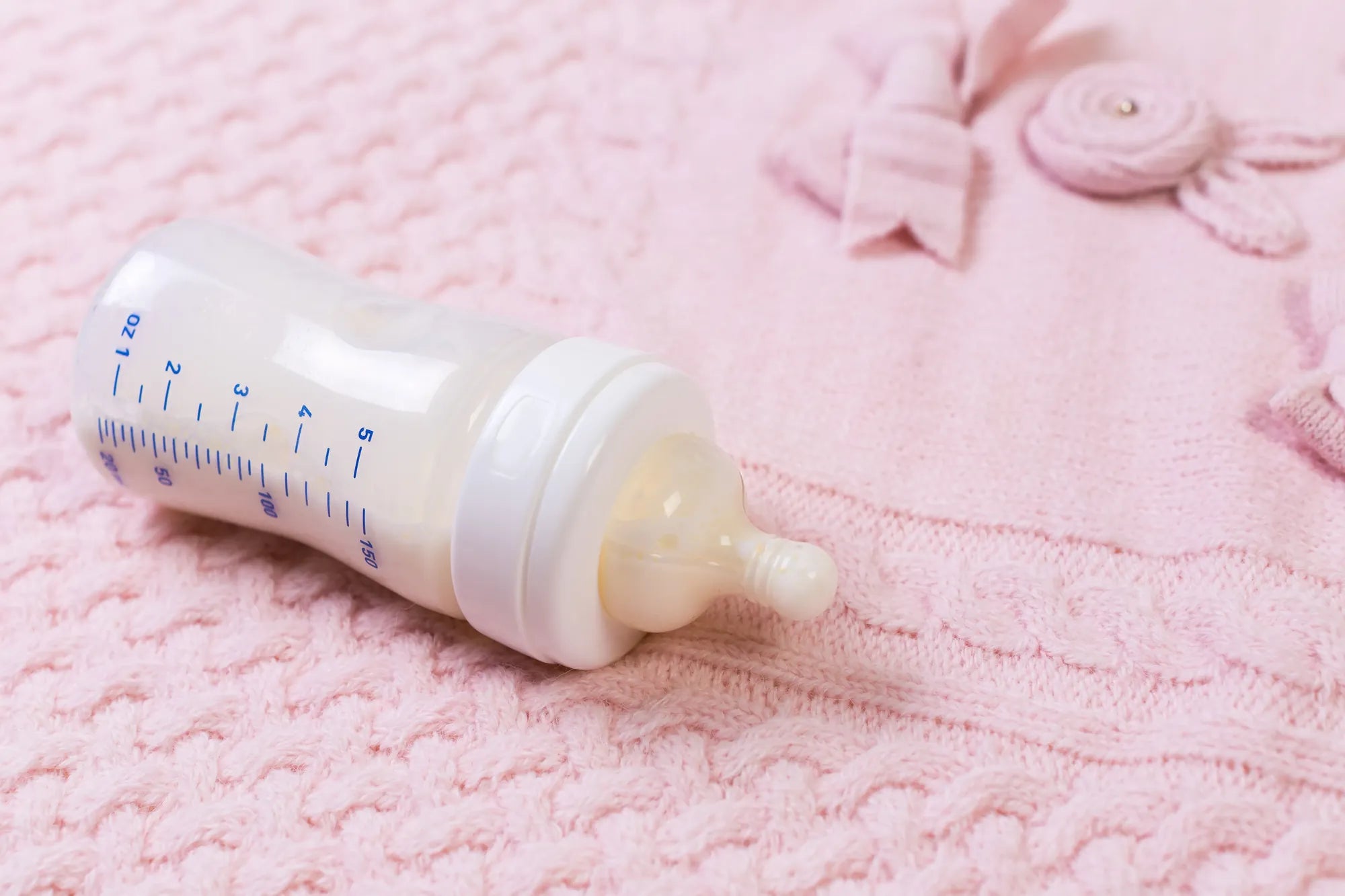
Exclusive pumping (EP) is the practice of feeding your baby expressed breast milk without direct breastfeeding. It's a legitimate, often necessary, and deeply dedicated feeding choice made by countless parents. Learning how to strictly pump breast milk requires specific knowledge, the right tools, and a supportive mindset.
Common reasons for exclusive pumping include a baby's NICU stay, persistent latch difficulties, returning to work with a baby who won't take a bottle, or a parent's personal preference or comfort. Whatever your reason, choosing to pump is a significant act of love and commitment to providing your baby with breast milk.
This journey, while rewarding, comes with its own unique set of challenges and questions. This guide will walk you through every step, from assembling your toolkit to troubleshooting supply issues. Remember, "fed is best," and providing your milk through a bottle is just as valid as nursing directly.
As a trusted maternal and baby care brand, MomMed specializes in innovative products like wearable breast pumps and feeding gear designed to support you on this path. Our goal is to provide reliable, comfortable solutions that empower your exclusive pumping experience.
Your Essential Pumping Toolkit and Setup
Success in exclusive pumping hinges on having the right equipment. A high-quality, efficient breast pump is your most critical tool, but supporting accessories are equally important for comfort, efficiency, and hygiene.
Investing in reliable gear from the start can prevent frustration, discomfort, and potential impacts on your milk supply. Think of your pumping setup as your personal station for nourishing your baby—it should be functional, comfortable, and tailored to your lifestyle.
Choosing the Right Breast Pump: Wearable vs. Traditional
The pump you choose will define your daily routine. The main categories are hospital-grade rental pumps, standard double-electric pumps, and wearable pumps. Hospital-grade pumps are powerful and ideal for establishing supply, especially in the early weeks or if you have supply concerns.
Standard double-electric pumps are the workhorses of exclusive pumping. They are designed for frequent, long-term use and offer various suction and cycle settings. For maximum efficiency, you should always pump both breasts simultaneously.
Wearable pumps have revolutionized exclusive pumping. Models like the MomMed S21 Double Wearable Breast Pump offer unparalleled convenience and discretion. They fit inside your bra, are hands-free, and allow you to move around, care for another child, or even work while pumping.
This mobility can be a game-changer for mental health and maintaining a sense of normalcy. When comparing, consider key features: multiple suction patterns (a gentle let-down mode followed by expression mode), adjustable suction strength, noise level, battery life, and ease of cleaning.
| Pump Type | Best For | Pros | Cons |
|---|---|---|---|
| Hospital-Grade | Establishing supply, preterm infants, low supply | Most powerful, highly efficient, often rented | Not portable, bulky, can be costly to rent long-term |
| Standard Double Electric | Primary pump for exclusive pumping at home | Powerful, reliable, customizable settings, cost-effective for long-term use | Tethered to wall outlet or battery pack, less discreet |
| Wearable Pump (e.g., MomMed S21) | On-the-go pumping, returning to work, maintaining mobility | Hands-free, discreet, portable, allows for multitasking | May have slightly less suction power, smaller collection capacity per charge |
Must-Have Pumping Accessories
Beyond the pump itself, several accessories are non-negotiable for a sustainable exclusive pumping journey. The most critical is a correctly sized flange. An improper fit is a leading cause of nipple pain, damage, and reduced milk output. Flanges should not cause rubbing or pull excessive areola into the tunnel.
A high-quality pumping bra is essential for hands-free pumping. It holds the flanges securely in place, freeing your hands for massage, using your phone, or drinking water. Consider having multiple bras for convenience.
You'll need a robust system for milk storage: bottles that directly connect to your pump, breast milk storage bags for freezing, and labels to mark dates and volumes. A dedicated bottle brush, microwave steam bags or a UV sterilizer, and dish soap are vital for cleaning.
Finally, for on-the-go parents, a good insulated cooler bag with ice packs is mandatory for safely transporting your liquid gold. MomMed offers a complete ecosystem of compatible accessories, all made with BPA-free, food-grade silicone for your baby's safety.
Building a Sustainable Pumping Schedule
Consistency is the cornerstone of maintaining a robust milk supply when you are learning how to strictly pump breast milk. Your schedule should mimic the frequency of a breastfeeding newborn to signal your body to produce enough milk.
In the critical first 12 weeks, while your supply is being established, you should aim to pump 8 to 12 times per 24 hours. This includes at least one session overnight, as prolactin (the milk-making hormone) levels are highest in the early morning hours.
Each pumping session should last about 15-20 minutes, or for 2-5 minutes after the last drops of milk flow. The goal is to empty the breasts effectively, not just pump for a set time. Emptying signals your body to make more milk.
As your supply regulates after 12-16 weeks, some parents find they can drop a session or two while maintaining output, but this varies greatly. Never drop sessions abruptly; instead, slowly increase the time between sessions and monitor your output closely.
Sample Pumping Schedule (Early Weeks)
Here is a sample framework for a 24-hour schedule with 8 sessions. Adjust the times to fit your life, but try to keep intervals relatively even.
- 6:00 AM - Morning session (often highest volume)
- 9:00 AM
- 12:00 PM
- 3:00 PM
- 6:00 PM
- 9:00 PM
- 12:00 AM
- 3:00 AM - Important overnight session
Maximizing Output: Effective Pumping Techniques
Effective pumping goes beyond just turning on the machine. Employing hands-on techniques can significantly increase your output. Start with a few minutes of gentle breast massage or apply a warm compress to encourage let-down.
During pumping, use hands-on pumping: lean forward, and use your hands to compress and massage your breasts from the chest wall toward the nipple. This helps drain the milk ducts more thoroughly.
Ensure you are using your pump correctly. Start in a gentle, fast-cycle "let-down" or "stimulation" mode. Once milk begins flowing steadily, switch to a slower, stronger "expression" mode. Look at photos or videos of your baby, or smell an item of their clothing, to trigger oxytocin release.
If you need to boost your supply, "power pumping" is an effective technique. Mimic cluster feeding by pumping for 20 minutes, resting for 10, pumping for 10, resting for 10, and pumping for a final 10 minutes. Do this once a day for several days.
Storing and Handling Your Liquid Gold Safely
Proper storage is non-negotiable to preserve the quality and safety of your expressed breast milk. Following evidence-based guidelines protects your baby and ensures your hard work doesn't go to waste.
Always wash your hands before handling pump parts or expressed milk. Use clean, sanitized bottles or bags specifically designed for breast milk storage. Label every container with the date and volume immediately after pumping.
Practice the "first in, first out" rule: use the oldest stored milk first. When combining milk from different pumping sessions within the same day, cool the newly expressed milk in the refrigerator first before adding it to an already chilled container.
Safe Storage Guidelines Table
| Location | Temperature | Freshly Expressed Milk | Thawed from Frozen |
|---|---|---|---|
| Room Temp | Up to 77°F (25°C) | Up to 4 hours | 1-2 hours |
| Refrigerator | 39°F (4°C) or lower | Up to 4 days | Up to 24 hours (do not refreeze) |
| Freezer | 0°F (-18°C) or lower | Within 6 months is best; up to 12 months acceptable | Do not refreeze after thawing |
Best Practices for Freezing and Thawing
To freeze milk, leave about an inch of space at the top of bags as milk expands. Lay bags flat to freeze; this creates a "brick" that stores efficiently in a container. Store milk toward the back of the freezer, not in the door, where temperature fluctuates.
The safest way to thaw milk is overnight in the refrigerator. For quicker thawing, place the sealed bag or bottle in a bowl of warm water. Never use a microwave to thaw or warm breast milk, as it creates hot spots that can burn your baby and destroy valuable nutrients and antibodies.
Once thawed, gently swirl the milk to mix the fat layer that separates. It may smell or look slightly different due to lipase activity—this is normal and safe, though some babies may refuse it. If so, you can scald the milk before freezing to deactivate the enzyme.
Overcoming Common Exclusive Pumping Challenges
Every exclusive pumper faces hurdles. Anticipating and knowing how to manage them can prevent small issues from becoming major obstacles or reasons to quit.
The key is to address problems proactively and seek support—from lactation consultants, online EP communities, and your healthcare provider—when needed. You are not alone in navigating these challenges.
Maintaining and Boosting Your Milk Supply
Supply anxiety is common. First, ensure your pump parts (especially valves and membranes) are in good condition. Worn parts can drastically reduce suction and efficiency. Replace them every 2-3 months with frequent use.
Re-evaluate your schedule. Have you inadvertently stretched pumping intervals? Adding one more session per day, even a short one, can help. Stay hyper-hydrated and ensure you're eating enough calories and nutrients. Supplements like fenugreek can help some but may decrease supply for others; consult an IBCLC.
Remember, it's normal for output to fluctuate throughout the day and to gradually decrease as your baby starts solids. Total daily output is more important than any single session. If you see a sustained drop, review flange fit, pump settings, and stress levels.
Prioritizing Comfort and Preventing Complications
Nipple soreness should not be the norm. Re-measure your nipple diameter and ensure your flange size is correct. Use pure lanolin or a coconut oil-based cream after pumping. Consider silicone hydrogel pads for healing between sessions.
Clogged ducts feel like tender, hard lumps. Treat them immediately with frequent pumping, massage toward the nipple during pumping, and applying heat beforehand. Dangle pumping (leaning over so breasts hang) can help. A clog that comes with fever and flu-like symptoms may be mastitis, requiring prompt medical attention.
The greatest challenge is often burnout. Exclusive pumping is a marathon. Prioritize self-care: hydrate, eat, rest when you can, and outsource other tasks. Celebrate your dedication—you are feeding your baby with every ounce you express.
Frequently Asked Questions for Exclusive Pumping Moms
Q: Can I ever switch from exclusive pumping back to direct breastfeeding?
A: Yes, it is often possible, especially if the original latch issue resolves (e.g., after a tongue-tie revision) or as your baby grows. This is called "relactation" or "transitioning to the breast" and works best with support from a lactation consultant (IBCLC). It requires patience, skin-to-skin contact, and possibly using a supplemental nursing system.
Q: How do I pump while traveling or at work?
A> Planning is key. A wearable pump like the MomMed S21 is ideal for discretion. Know your rights under the PUMP Act in the US, which requires employers to provide break time and a private, non-bathroom space. Use a portable battery pack, a hands-free bra, and a good cooler bag. Practice with your setup before your first day back.
Q: How do I know if my pump's suction strength is correct?
A> Suction should be effective but not painful. Start on the lowest setting that triggers let-down, then increase to the highest comfortable level. Pain is a sign it's too high or the flange is ill-fitting. You should not see blanching (extreme whitening) of your nipple during pumping. More suction does not always equal more milk; efficient cycle speed is crucial.
Q: How many ounces should I be pumping per session?
A> This varies wildly. After supply regulates, typical total daily output is 25-35 ounces. Per session, after the first morning pump, output may range from 2-5 ounces total (both breasts combined). Remember, your baby's stomach is small, and pumping amounts are not directly comparable to formula-fed baby bottle sizes. Track 24-hour totals, not individual sessions.
Q: Is it normal for my pumped milk to look different sometimes?
A> Absolutely. Foremilk (at the start of a pump) can look thin and bluish. Hindmilk (at the end) is creamier and whiter. Milk can also vary in color based on your diet (slightly greenish or pinkish tints). Frozen milk may smell soapy due to lipase. These variations are normal and the milk is safe and nutritious.
You Are Doing an Incredible Job
The decision to learn how to strictly pump breast milk represents a profound level of dedication. Every session, every washed part, every carefully labeled bag is a testament to your commitment to nourishing your child. It is a journey of resilience, organization, and immense love.
Celebrate your victories, no matter how small—hitting a pumping milestone, building a freezer stash, or simply getting through a tough day. Seek out communities of other exclusive pumpers; their shared experience and tips are invaluable. Be kind to yourself on the hard days; your worth is not measured in ounces.
Modern technology, like the award-winning MomMed S21 Wearable Breast Pump, is designed to empower this journey by offering the comfort, discretion, and freedom that makes the marathon of EP more sustainable. Made with BPA-free, food-grade materials, it's a tool built to support you and your baby safely.
You are providing your baby with the unique benefits of your milk, and you are doing it through sheer will and effort. That is amazing. Trust your body, trust your process, and know that you are not alone. Shop the MomMed collection at mommed.com for all your breastfeeding and pregnancy needs, and continue to champion your incredible journey.