


Home
Pregnancy, Breastfeeding, and Pumping: The Ultimate Guide for Moms
How to Handle Breast Milk After Pumping: A Comprehensive Guide for Confident Feeding
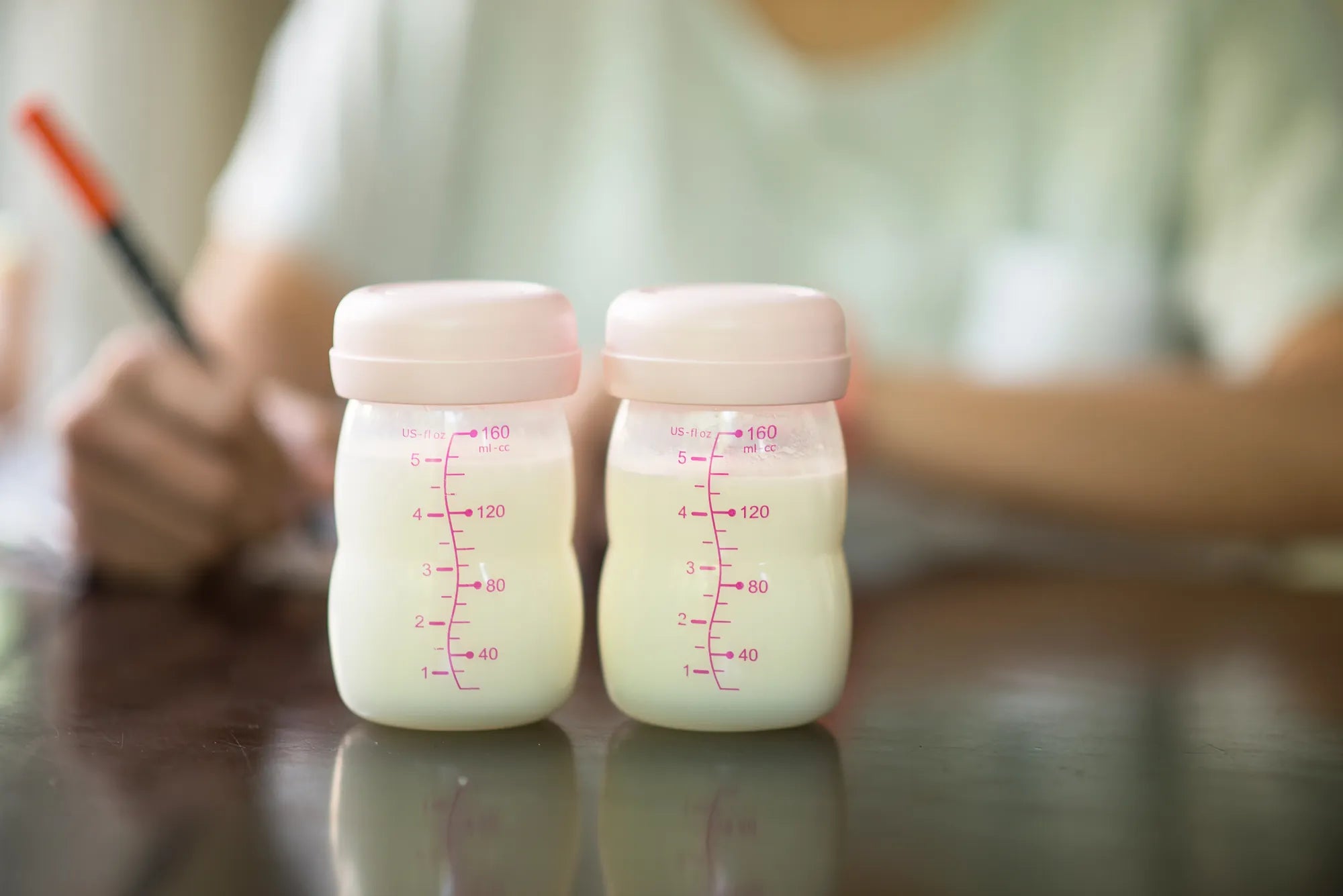
How to Handle Breast Milk After Pumping: A Comprehensive Guide for Confident Feeding
You've just finished a pumping session—a testament to your dedication. But what happens next is just as critical as the expression itself. Properly handling breast milk after pumping is the essential bridge that ensures your baby receives all the nutritional and immunological benefits of your liquid gold, safely and effectively. This comprehensive guide will walk you through every step, from the moment you detach the collection bottle to serving a bottle to your baby, grounded in the latest guidelines from health authorities. We'll cover safe storage durations, optimal containers, thawing techniques, and troubleshooting common issues. As a trusted maternal and baby care brand, MomMed specializes in innovative products like our wearable breast pumps and baby care essentials, designed to support you on this journey. Remember, great pumping is only half the story; mastering post-pump care empowers you to feed with confidence.
The Golden Rules: Safe Storage Guidelines for Expressed Milk
Following evidence-based storage guidelines is non-negotiable for your baby's safety. These rules are designed to minimize bacterial growth and preserve the complex components of breast milk. The core principle is the "Rule of Fours": fresh milk can generally be kept at room temperature for up to 4 hours, in the refrigerator for up to 4 days, and in a standard freezer for about 6-12 months, though earlier use is ideal for optimal quality.
Always start with clean hands and equipment. Pump parts and storage containers should be washed in hot, soapy water or sanitized according to manufacturer instructions. Label every container immediately with the date and time of expression, and the volume if not pre-marked. This practice prevents waste and ensures you use the oldest milk first (first-in, first-out). For mothers of preterm or hospitalized infants, more stringent guidelines—often 24-48 hours in the fridge and 3-6 months in the freezer—typically apply; always consult your NICU team.
Storage location matters. In the refrigerator, place milk towards the back, where the temperature is coldest and most stable, not in the door. In the freezer, store milk flat to freeze in a thin, stackable "brick" that thaws more evenly. Leave about an inch of space at the top of bags to allow for expansion during freezing.
Choosing the Right Storage Containers
The container you choose impacts safety, convenience, and nutrient preservation. The two primary options are pre-sterilized breast milk storage bags and hard-sided bottles or cups made of glass or BPA-free plastic.
Storage bags are space-efficient for freezing and are typically pre-sterilized. Choose bags specifically designed for breast milk, with a double-zip seal and a writable surface. A key disadvantage is their susceptibility to leaks and tears, especially when thawing. Never use ordinary plastic bags or bottle liners. Hard-sided containers are more durable and reusable, reducing waste. They are ideal for short-term fridge storage. Ensure any container you use has a tight-sealing lid.
Compatibility with your pump streamlines the process. MomMed breast pumps, like the award-winning S21 Double Wearable Pump, feature BPA-free, food-grade silicone parts and connect directly to standard-sized storage bottles. This allows you to pump, cap, label, and store without transferring liquid, minimizing contamination risk and saving precious time—and drops of milk.
Step-by-Step: How to Cool, Combine, and Prepare Milk Safely
A clear, safe workflow from expression to feeding prevents mistakes. After pumping, if you plan to store milk within the day, you can cool it first. Place the sealed container under cool running water or in a bowl of ice water to bring its temperature down quickly before refrigerating. This is especially important if the milk feels very warm from your body or the pump motor.
To prepare a bottle, always use the oldest stored milk first. For refrigerated milk, you can offer it cold, cool, or at body temperature, depending on your baby's preference. To warm it, place the sealed container in a bowl of warm water or use a bottle warmer. Never use a microwave, as it creates dangerous hot spots that can scald your baby and can destroy valuable immune factors in the milk. Gently swirl the bottle to mix the separated fat layers; avoid vigorous shaking, which some studies suggest may slightly damage protein structure.
Thawing frozen milk requires planning. The safest method is to move it from the freezer to the refrigerator 12-24 hours before needed. For quicker thawing, hold the sealed container under lukewarm running water. Once thawed, use it within 24 hours if kept in the fridge and do not refreeze. Milk thawed in the refrigerator can be kept for up to 24 hours, but milk thawed with warm water should be used immediately or within 2 hours.
Navigating the "Chill First" Rule for Combining Batches
A common point of confusion is whether you can add freshly pumped warm milk to a container of already chilled milk. The official recommendation from the Centers for Disease Control and Prevention (CDC) is to cool the newly expressed milk in the refrigerator first before combining it with older, cold milk.
This rule exists to prevent the warmer new milk from raising the temperature of the entire batch, which could potentially allow bacteria to proliferate in the older milk. To do this safely, pump into a clean container, cap it, and place it in the fridge for 30-60 minutes until it is chilled. Then, you can pour it into the larger container of milk from the same day.
Always combine milk pumped on the same day. Label the container with the date of the oldest milk in the batch. If you are building a supply for freezing, it’s often easier to freeze milk in smaller, individual portions (2-4 oz) to avoid waste and allow for easier combination later.
Data at a Glance: Breast Milk Storage Times & Temperature Chart
This table consolidates the key storage duration guidelines from major health organizations like the CDC and the Academy of Breastfeeding Medicine. These are guidelines for healthy, full-term infants; always defer to your pediatrician's specific advice.
| Storage Location | Temperature | Freshly Expressed Milk | Thawed, Previously Frozen Milk | Notes |
|---|---|---|---|---|
| Room Temperature | Up to 77°F (25°C) | Up to 4 hours | 1-2 hours | Ideal: cooler, shaded area. Discard after 2 hours if baby has started feeding. |
| Insulated Cooler | With ice packs | Up to 24 hours | Do not refreeze thawed milk in cooler. | Ensure ice packs remain frozen, keeping milk at or below 39°F (4°C). |
| Refrigerator | 39°F (4°C) or below | Up to 4 days | Up to 24 hours | Store at back, not in door. Use a thermometer to verify temperature. |
| Freezer (compartment inside fridge) | Varies | 2 weeks | Do not refreeze. | Temperature fluctuates with door openings. Not ideal for long-term. |
| Standalone Freezer | 0°F (-18°C) or below | 6-12 months (optimal within 6) | Do not refreeze. | Store toward back, away from self-defrost vents. Date all containers clearly. |
Maximizing Freshness and Nutritional Value
Beyond basic safety, you can take steps to preserve the very qualities that make breast milk unique. Store milk in small volumes that match your baby's typical feeding to avoid wasting leftover milk that cannot be reused after a feeding begins. As mentioned, the back of the appliance is the gold-standard location for consistent cold.
If you notice fat separation—a creamy layer on top of a more watery layer—this is completely normal and indicates the milk hasn't been homogenized. Simply gentle swirling reintegrates it. During transport, some agitation is inevitable, but using secure containers minimizes excessive sloshing.
For long-term freezer storage, consider using a deep freezer that is opened less frequently than your kitchen freezer. The more constant temperature better preserves milk quality. Remember, while frozen milk is safe for a long time, its immunological properties and some vitamins may gradually diminish; using it within six months is ideal for peak nutritional benefit.
Understanding the "Layering" and "Soapy Smell" of Stored Milk
Two natural occurrences often cause concern: pronounced layering and a soapy or metallic smell. Layering, as noted, is normal fat separation. The soapy smell, however, is usually due to high levels of an enzyme called lipase. Lipase breaks down fats in the milk, which can create this odor and sometimes a different taste after storage.
High lipase milk is perfectly safe and healthy for babies. The issue is that some babies may refuse it due to the altered taste. To test if your milk has high lipase, smell a sample immediately after pumping and again after it has been chilled for 24-48 hours. A significant change indicates lipase activity.
If your baby rejects high lipase milk, you can scald it before storage. This involves heating the freshly expressed milk in a saucepan until small bubbles form around the edges (around 180°F/82°C), not a rolling boil, then rapidly cooling and storing it. Scalding deactivates the lipase but also affects some heat-sensitive immune factors. It's a trade-off, but it preserves the milk's primary nutritional value for a baby who would otherwise refuse it.
Traveling and On-the-Go Storage Solutions
Modern parenting requires mobility, and with the right tools, you can maintain your milk supply safely away from home. A high-quality insulated cooler bag with reliable ice packs is essential. Gel ice packs designed for medical or food use are more effective than makeshift ones. Ensure the milk containers are sealed tightly and placed directly against the ice packs.
Milk in a cooler with frozen ice packs can remain safe for up to 24 hours. Once you reach your destination, transfer the milk to a refrigerator or freezer immediately. For air travel, expressed milk is exempt from the TSA's 3-1-1 liquid rule in reasonable quantities. Inform the security officer and be prepared for additional screening. It's helpful to travel with a small, manual pump or a discreet, cordless pump like the MomMed S12 Single Wearable Pump for emergency expression.
For business trips or vacations, research your accommodations. Many hotels have refrigerators in rooms or will provide one for medical needs upon request. Portable bottle warmers can also be a travel lifesaver. Planning ahead reduces stress and ensures your hard-earned milk stays viable.
Frequently Asked Questions (FAQs) on Breast Milk Handling
Q1: Can I refreeze thawed breast milk?
A: No. Once breast milk has been completely thawed (no ice crystals remaining), it should not be refrozen. Refreezing can degrade the quality and increase the risk of bacterial contamination. If you thawed it in the refrigerator, use it within 24 hours. If thawed with warm water, use it immediately.
Q2: How do I know if breast milk has gone bad?
A> Trust your senses. Spoiled breast milk often has a distinctly sour or rancid odor, similar to spoiled cow's milk. Visually, it may appear clumpy or have an unusual color separation that doesn't reintegrate with gentle swirling. If in doubt, it is safest to discard it.
Q3: Is it safe to use milk stored longer than the recommended guidelines?
A: The guidelines are based on optimal safety and quality. Milk stored just a day or two longer in a very cold, stable refrigerator is likely still safe, but its nutritional and immunological quality begins to decline. For freezer storage, exceeding 12 months in a deep freeze may still be safe, but the taste and nutrient profile are significantly altered. It's generally best to adhere to the guidelines.
Q4: How do I clean storage bags for reuse?
A: Most breast milk storage bags are designed for single use only. Their seams can be difficult to clean thoroughly, posing a contamination risk. Reusing them is not recommended. For an eco-friendly and cost-effective approach, use hard-sided, reusable glass or BPA-free plastic containers that are dishwasher-safe for the majority of your storage needs.
Q5: My milk looks "blue" or "watery" at the beginning of a feed. Is this normal?
A: Absolutely. Breast milk composition changes during a feeding. The initial "foremilk" is thinner, higher in lactose and water to quench thirst. The "hindmilk" that follows is richer in fat and calories. This variation is normal and ensures your baby gets a balanced meal. Stored milk that has separated will also show this spectrum when swirled together.
Conclusion: Confidence from Pump to Feed
Mastering the art of handling breast milk after pumping transforms expression from a task into a powerful, seamless part of your feeding journey. By adhering to safe storage timelines, using proper containers, and understanding the unique properties of your milk, you ensure your baby receives the full spectrum of benefits you work so hard to provide. This knowledge dispels anxiety and builds confidence, allowing you to focus on the bond with your baby. MomMed is committed to supporting every step of this process with reliable, innovative products designed for real life—from our ultra-quiet, comfortable wearable pumps that make expression discreet and efficient, to our safe, compatible storage solutions. Let reliable information and trusted tools empower your path.
Shop the MomMed collection at mommed.com for all your breastfeeding and pregnancy needs, and feed with peace of mind.