


Home
Pregnancy, Breastfeeding, and Pumping: The Ultimate Guide for Moms
How Soon Does Breast Milk Come in After Pumping: A Complete Guide
How Soon Does Breast Milk Come in After Pumping: A Complete Guide
Introduction: Understanding the "Let-Down" and Your Milk Supply
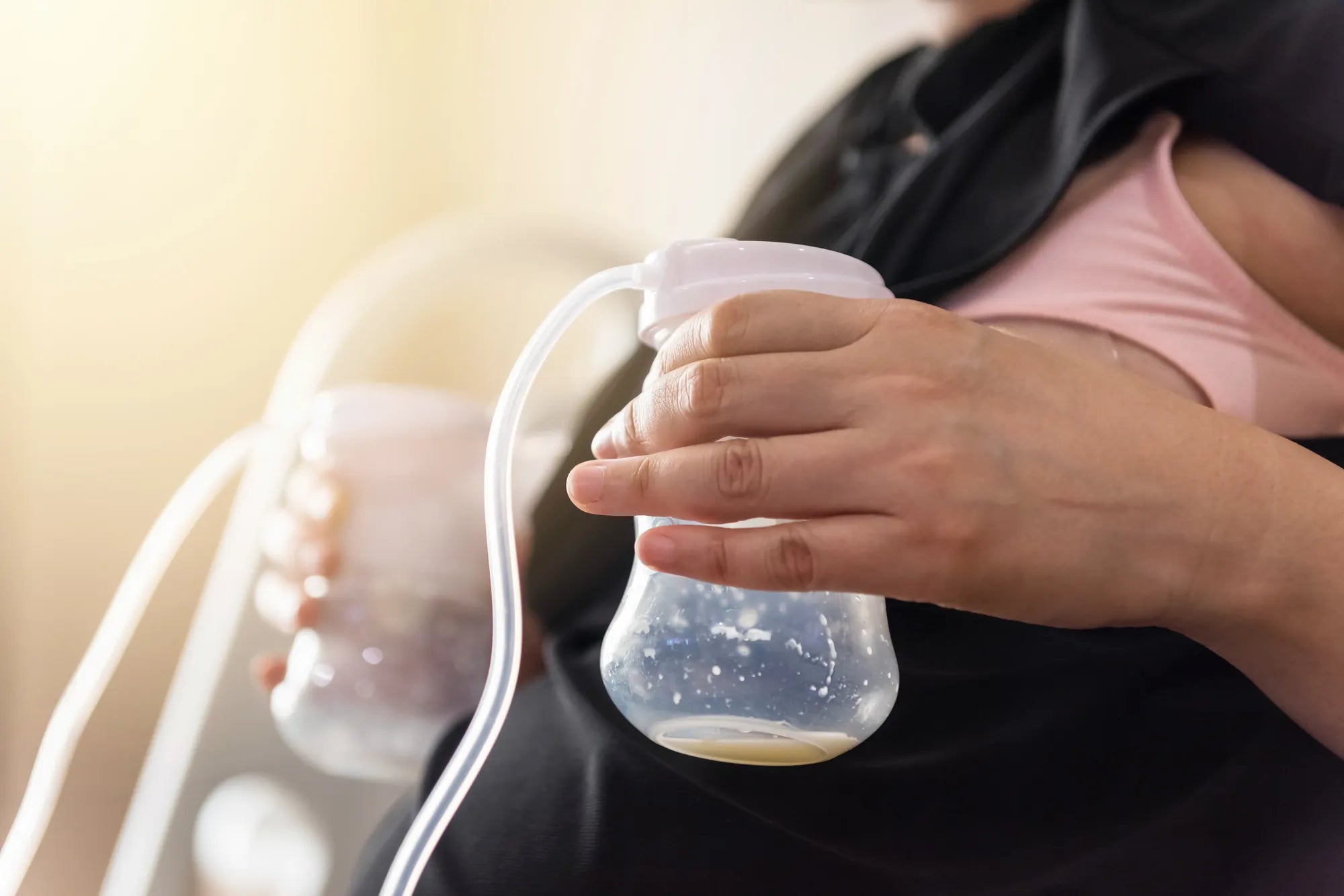
How soon does breast milk come in after pumping? This is a fundamental question for any mother using a breast pump, whether she's returning to work, managing supply, or exclusively pumping. The answer centers on understanding the milk ejection reflex, commonly known as "let-down." This physiological response is what triggers milk to move from the milk-producing cells into the ducts and toward the nipple.
Pumping effectively is a learned skill that relies on successfully triggering this reflex. The timing can vary based on numerous factors, from your emotional state to your pump's fit. This guide provides a data-driven, step-by-step look at the process, offering evidence-based strategies to optimize your pumping sessions. As a trusted maternal and baby care brand, MomMed specializes in creating reliable, comfortable products like wearable breast pumps and nursing accessories to support you through this journey.
How Pumping Triggers Your Milk Ejection Reflex (Let-Down)
The process begins with stimulation. When your nipple is stimulated—by your baby's suckling or a breast pump's suction—nerve signals are sent to your brain. This triggers the pituitary gland to release the hormone oxytocin into your bloodstream.
Oxytocin then travels to your breast tissue, where it causes tiny muscles around the milk-producing alveoli to contract. These contractions squeeze milk into the ductal system, pushing it forward. This is the let-down. It's often felt as a tingling, tightening, or warmth in the breasts, though some mothers don't feel it physically but see a sudden spray or increase in milk flow into the pump bottles.
It's crucial to understand that pumping is not merely about suction strength. Effective pumping mimics a baby's natural nursing pattern: initial rapid, light sucks to initiate let-down, followed by slower, deeper sucks to remove milk. High-quality pumps, like those from MomMed, are engineered with specific stimulation and expression modes to replicate this biological cue.
The Typical Timeline: When to Expect Milk Flow After Starting to Pump
For most mothers, milk begins to flow within 2 to 5 minutes of starting an effective pumping session. The initial drops or trickle will often appear within the first minute or two during the stimulation phase. A more substantial, steady flow—the visible sign of let-down—typically follows shortly after.
This timeline assumes a good pump fit, correct settings, and a relatively relaxed state. In the early postpartum days or when first learning to pump, it may take longer, perhaps 5-10 minutes, for the let-down to occur. Consistency is key; your body learns to associate the pump's sensation with milk release, often speeding up the response over time.
Key Factors That Influence How Quickly Your Milk Lets Down
Multiple variables can accelerate or delay your milk ejection reflex. Understanding these empowers you to create an optimal pumping environment.
Your Physical and Emotional State
Stress, anxiety, pain, and fatigue are potent inhibitors of oxytocin release. The hormone is closely linked to feelings of love and relaxation. Creating a calm, private ritual before pumping can significantly improve response time. Simple deep breathing exercises for 60 seconds before starting can make a notable difference.
Pump Fit and Settings
An incorrect flange size is one of the most common barriers to efficient let-down. Flanges that are too large or too small can cause pain, reduce nipple stimulation, and hinder milk removal. Always start your session in the faster, lighter stimulation mode to trigger let-down before switching to expression mode. MomMed pumps include multiple flange sizes and intuitive mode settings to support this process.
Consistency and Routine
Your body thrives on predictability. Pumping at roughly the same times each day trains your neurohormonal system to prepare for milk release. This conditioning can lead to faster let-downs, sometimes even before you turn the pump on, especially if you are pumping at a time when your baby typically feeds.
Breast Fullness
Milk may let down more quickly when breasts feel fuller, as the pressure provides a stronger physical cue. However, effective milk removal is still entirely possible from softer, less full breasts. The key is the effectiveness of the let-down reflex, not the initial storage volume.
Maximizing Efficiency: Tips to Encourage a Faster Let-Down with Pumping
Beyond understanding the physiology, practical techniques can help you achieve a quicker, more productive let-down. Implementing even one or two of these strategies can transform your pumping experience.
Create a Relaxing Environment
Your mindset is your most powerful tool. Apply a warm compress to your breasts for a few minutes before pumping to increase blood flow and promote relaxation. Have a glass of water nearby, put on calming music, and ensure you are in a comfortable, supported seated position. Reducing distractions is crucial.
Utilize Hands-On Pumping
Hands-on pumping combines mechanical suction with manual techniques to empty the breast more completely and efficiently. While pumping, use your free hand to gently massage your breast from the chest wall toward the nipple. You can also compress the breast during suction to help push milk out. This physical stimulation can help initiate and sustain let-down.
Mindful Visualization
Engage your senses to boost oxytocin. Look at a photo or video of your baby. Sniff a piece of their clothing or a blanket. If you are away from them, close your eyes and vividly imagine holding them, their smell, and the sound of their coos. This powerful mental connection directly stimulates the hormonal cascade needed for let-down.
The Role of Comfortable, Hands-Free Technology
Wearable breast pumps can be a game-changer for let-down efficiency by reducing stress. The ability to move around, care for another child, or simply not be tethered to a wall outlet eliminates the "clock-watching" anxiety that can inhibit oxytocin. A pump like the MomMed S21 Double Wearable Breast Pump offers hospital-grade performance in a discreet, cordless design, allowing you to relax more naturally, which is fundamental to triggering milk flow.
MomMed Innovation: Designed for a Natural and Efficient Response
At MomMed, our product design philosophy starts with maternal physiology. Every feature is engineered to support the natural let-down process and effective milk removal, making pumping a more comfortable and successful experience.
Mimicking a Baby's Natural Rhythm
MomMed electric and wearable pumps feature customizable stimulation and expression modes. The stimulation mode uses a rapid, gentle suction pattern designed to trigger the milk ejection reflex quickly. Once let-down is established, you can switch to a slower, deeper expression mode that efficiently removes milk, closely mirroring a baby's nursing pattern.
The Comfort Factor
Discomfort is a primary barrier to let-down. All MomMed pumps use BPA-free, food-grade silicone for flanges and parts that contact skin and milk. Our range of flange sizes ensures a better fit for more nipple shapes and sizes, reducing pain and friction. Furthermore, our pumps operate at whisper-quiet noise levels, helping to maintain a serene environment conducive to relaxation and milk flow.
Award-Winning Efficiency
The MomMed S21 Double Wearable Pump is a testament to this design ethos. Its hospital-grade suction strength, contained within a compact, cordless unit, provides the performance needed for reliable milk removal. This efficiency, recognized with industry innovation awards, gives mothers confidence that their pump is a effective partner in maintaining their milk supply.
What If Milk Doesn't Come In? Troubleshooting Common Challenges
If you consistently experience a delayed let-down (over 10 minutes) or see very little milk output, it's time to systematically troubleshoot. Persistent issues should always be discussed with an International Board Certified Lactation Consultant (IBCLC) or your healthcare provider.
Check Your Pump Setup
First, re-evaluate your equipment. Is your flange size correct? Your nipple should move freely in the tunnel without rubbing, and only a small amount of areola should be pulled in. Are all valves, membranes, and duckbills intact and replaced regularly? Worn parts can drastically reduce suction efficiency. Ensure you are using the correct settings, starting on low-to-medium suction in stimulation mode.
Assess Frequency and Duration
To establish and maintain a robust supply, most mothers need to pump 8-12 times in a 24-hour period, including at least once at night when prolactin levels are highest. Each session should typically last 15-20 minutes per breast, or for about 2 minutes after the last drops of milk are seen. Inconsistent or infrequent pumping can signal your body to slow down production.
Underlying Supply Issues
Sometimes, challenges are rooted in medical history. Conditions like Polycystic Ovary Syndrome (PCOS), thyroid disorders, insulin resistance, or a history of breast surgery can impact milk production. Similarly, a retained placenta or significant postpartum hemorrhage can affect hormonal signaling. A healthcare provider can help diagnose and manage these underlying factors.
Pump Type Comparison: Let-Down and Efficiency
Choosing the right pump can influence your let-down experience. This table compares key features relevant to triggering and maintaining milk flow.
| Pump Type | Typical Let-Down Initiation | Key Features for Efficiency | Best For |
|---|---|---|---|
| Hospital-Grade Multi-User | Often fastest due to powerful, precise motor | Strong, adjustable suction; highly customizable cycles; maximum durability | Establishing supply pre-term; exclusively pumping; managing low supply |
| Double Electric Wearable (e.g., MomMed S21) | Comparable to standard electric; enhanced by mobility reducing stress | Hands-free design; hospital-grade suction in portable form; multiple stimulation/expression modes | Active mothers; returning to work; primary pump for maintaining supply |
| Standard Double Electric | Reliable, typically within 2-5 minutes with good fit | Plug-in power; consistent performance; often more affordable | Daily use at a dedicated pumping station; primary pumping |
| Manual Pump | Can vary; relies entirely on user's rhythm and technique | Portable; silent; total user control over suction rhythm | Occasional use; travel backup; relieving engorgement |
Frequently Asked Questions (FAQs)
Is it normal for milk to take 10 minutes to let down sometimes?
Yes, this can be normal, especially in the early weeks of pumping, if you are overly tired, stressed, or if your pumping schedule has been irregular. Focus on relaxation techniques and consistency. If it becomes a persistent pattern, review flange fit and pump settings.
Can I pump if only drops come out?
Absolutely. Pumping when you see only drops is still sending the critical "make more milk" signal to your body. Consistency in removing milk, even small amounts, is far more important for building long-term supply than the volume of any single session.
How does a wearable pump compare to a hospital-grade pump for let-down?
Modern, high-quality wearable pumps like the MomMed S21 are engineered to offer performance comparable to many hospital-grade pumps in terms of initiating and maintaining milk flow. The key advantage is the stress reduction from hands-free, mobile use, which can itself promote a faster let-down. For mothers with critical supply concerns, a traditional hospital-grade rental may still be recommended initially.
Should I keep pumping if no milk is coming?
Do not pump on high suction for extended periods without milk flow, as this can cause tissue damage and pain. If no milk appears after a few minutes in stimulation mode, switch the pump off. Take a short break, drink water, practice deep breathing or visualization for 5-10 minutes, and then try again. Sometimes a reset is all you need.
Can flange size affect how soon milk comes in?
Yes, profoundly. An incorrect flange size is a leading cause of pain, poor nipple stimulation, and inefficient milk removal—all of which delay let-down and reduce output. Ensuring a proper fit is one of the most impactful steps you can take to improve pumping efficiency.
Conclusion: Patience, Practice, and the Right Support
Mastering the timing of your milk let-down with a pump is a journey of partnership between your body, your technique, and your equipment. While a 2-5 minute window is common, your personal timeline is unique and will evolve with practice and patience. By implementing relaxation strategies, ensuring optimal pump fit, and maintaining a consistent routine, you can train your body to respond efficiently and effectively.
Remember, challenges are common and solvable. Whether you're troubleshooting a slow let-down or seeking to maximize output, the foundation is always comfort, consistency, and correct technique. Trusted by thousands of moms, MomMed is committed to supporting you with innovative, reliable tools designed for your success and comfort throughout your breastfeeding and pumping journey. Shop the MomMed collection at mommed.com for all your breastfeeding and pregnancy needs, from our award-winning S21 wearable pump to essential nursing accessories and baby care products.