


Home
Pregnancy, Breastfeeding, and Pumping: The Ultimate Guide for Moms
How Often Do I Need to Sanitize Breast Pump: A Complete Guide for Safe Feeding
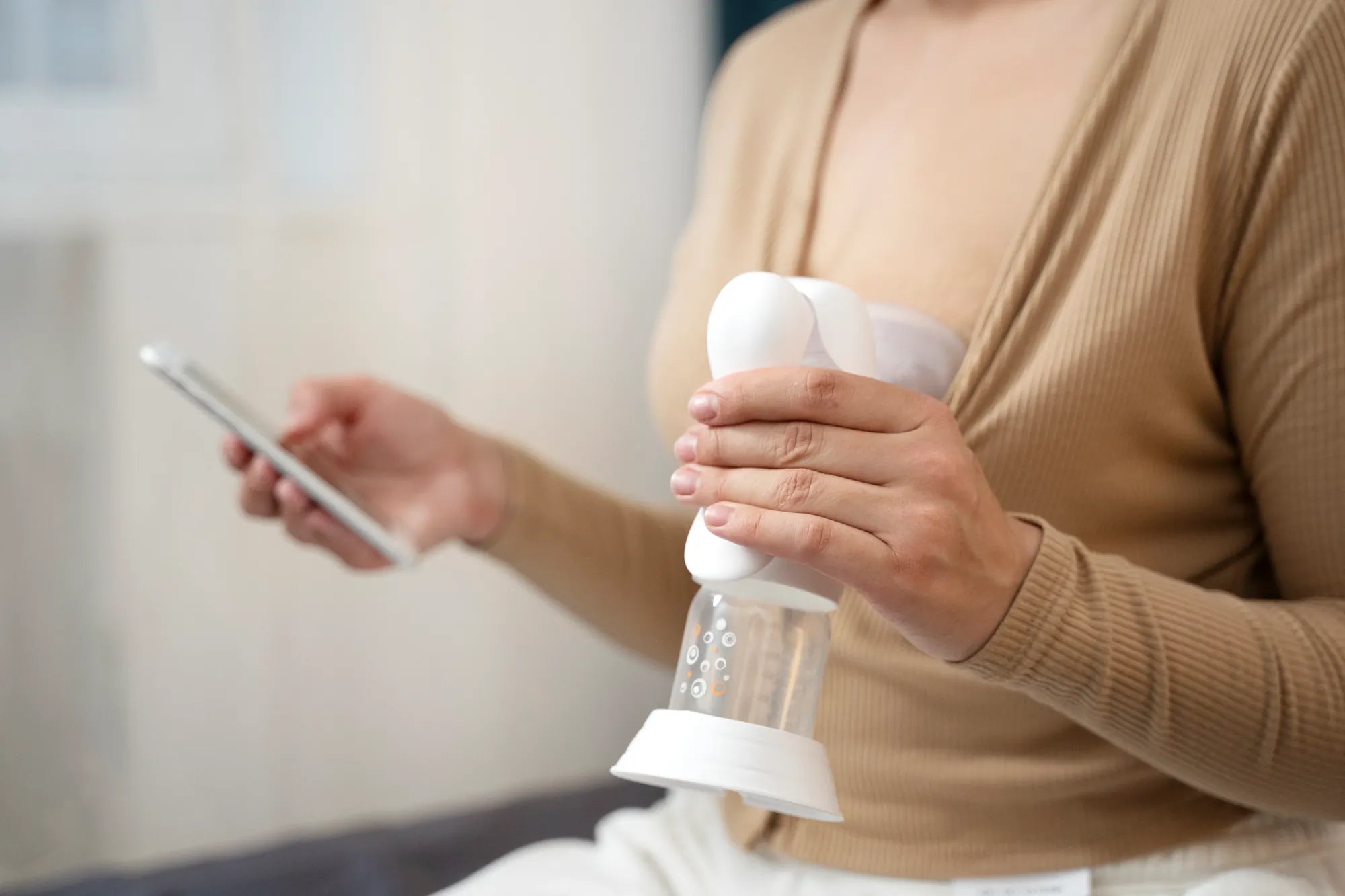
How Often Do I Need to Sanitize Breast Pump: A Complete Guide for Safe Feeding
Ensuring your breast pump is properly sanitized is one of the most important steps you can take to protect your baby's health. Breast milk is a perfect food, but it can also be a breeding ground for harmful bacteria if pumping equipment isn't kept scrupulously clean. This guide answers the pressing question, "How often do I need to sanitize breast pump?" with clear, actionable guidelines backed by health authority recommendations. You'll learn the science behind pump hygiene, how to establish a safe routine, and how trusted brands like MomMed design products to make this essential task simpler for busy parents.
Why Sanitizing Your Breast Pump Is Non-Negotiable
The primary reason for sanitizing your breast pump is to prevent your baby from ingesting harmful pathogens. Bacteria like E. coli, Salmonella, and mold can grow in the residual milk fat left in pump parts. For infants, especially those under 3 months, premature, or with compromised immune systems, these bacteria can cause serious illness.
Beyond immediate health risks, improper sanitation can lead to recurrent issues like thrush (a yeast infection) or mastitis, a painful breast infection that can disrupt milk supply. A clean pump also ensures the quality and taste of your expressed milk isn't compromised, encouraging your baby to feed well.
Establishing a consistent sanitizing routine provides peace of mind. Knowing your equipment is safe allows you to focus on bonding with your baby rather than worrying about potential contamination. This practice is a cornerstone of safe pumping, as vital as proper latch or flange fit.
MomMed, as a trusted maternal and baby care brand, emphasizes that hygiene is integral to the breastfeeding journey. Our products, from the S21 Wearable Breast Pump to essential feeding gear, are designed with safety and easy cleaning as top priorities, supporting moms in maintaining these crucial standards.
Cleaning vs. Sanitizing: Understanding the Critical Difference
Many parents use the terms "cleaning" and "sanitizing" interchangeably, but they are distinct, sequential steps. Cleaning is the physical removal of milk residue, fat, and visible dirt using soap and water. This step is necessary before sanitizing, as sanitizers cannot penetrate and effectively kill germs hidden under a layer of milk film.
Sanitizing is the process of reducing germs on a surface to a level considered safe by public health standards. It goes beyond cleaning to kill a high percentage of bacteria, viruses, and fungi. Think of it as the final, crucial step to ensure safety after the visible grime is gone.
For daily maintenance, cleaning after every single use is mandatory. Sanitizing frequency, however, depends on several factors, which this guide will detail. You cannot sanitize a dirty item effectively; the two-step process is non-negotiable for optimal baby safety.
Understanding this difference is key to following guidelines correctly. Skipping the cleaning step to just sanitize, or cleaning but never sanitizing, both leave your baby vulnerable. A complete hygiene routine incorporates both actions on their appropriate schedules.
How Often to Sanitize: Your Step-by-Step Frequency Guide
So, how often do I need to sanitize breast pump parts? The answer isn't one-size-fits-all. The Centers for Disease Control and Prevention (CDC) provides a clear framework, but your baby's age and health are the primary deciding factors.
For Daily Use: The Standard Recommendation
For mothers pumping for a healthy, full-term infant who is not immunocompromised, sanitizing pump parts at least once per 24 hours is the gold standard. This means if you pump multiple times a day, you clean after each session but need only sanitize the parts once within that day.
The rationale is that thorough cleaning with hot, soapy water removes most germs immediately after use. Sanitizing once daily provides an extra layer of protection, ensuring any lingering bacteria are eliminated before they can multiply to dangerous levels. This frequency balances safety with practicality for everyday life.
You can choose the time of day that works best for your routine—many moms find sanitizing all parts used during the day in one evening session is most manageable. The key is consistency within that 24-hour window to prevent bacterial biofilm formation.
For Special Circumstances: When to Sanitize More Frequently
In certain situations, the standard guideline shifts. You should sanitize pump parts after every single use if your baby is under 3 months old, was born prematurely, or has any diagnosed medical condition affecting their immune system (e.g., cancer, HIV).
This stricter protocol is also essential if you or your baby currently have a fungal infection like thrush, or a bacterial infection like mastitis. Sanitizing after each use prevents re-introducing the pathogen. Furthermore, if you notice any mold or mildew on your pump parts or tubing, you must immediately sanitize (if the parts are salvageable) and replace any porous components.
Adhering to these heightened standards during vulnerable periods is a critical protective measure. When in doubt, especially in the early newborn phase, erring on the side of more frequent sanitization is a safe practice.
For Occasional or Backup Use
For pumps or parts used infrequently—such as a backup manual pump or spare set of flanges—the rule is simple: they must be sanitized before their first use after a period of storage, even if they were clean when put away.
After that initial sanitization, treat them like your primary parts: clean after each use and sanitize at least once daily during the period they are in active rotation. Never assume a stored item is ready to use; dust and airborne microbes can settle, making pre-use sanitization essential.
The MomMed Advantage: Engineering for Effortless Hygiene
MomMed designs its breast pumps with the understanding that a simple cleaning routine is more likely to be followed consistently. Our philosophy centers on creating products that support, not complicate, a mother's journey. The award-winning S21 Double Wearable Breast Pump exemplifies this commitment.
Key design features that facilitate proper hygiene include fewer separable parts where milk can pool, streamlined assemblies that are intuitive to take apart and reassemble, and the use of BPA-free, food-grade silicone and plastics that withstand repeated cleaning and sanitizing without degrading.
Many MomMed pump parts are also top-rack dishwasher safe (always check your specific model's guide), offering a thorough cleaning option for busy days. Furthermore, our clear, detailed user manuals provide specific sanitization instructions tailored to each product, removing guesswork.
By prioritizing materials safety and user-friendly design, MomMed empowers moms to maintain the highest hygiene standards with confidence and less stress, turning a critical task into a simple part of the daily routine.
Best Practices for Effective Sanitizing: A Method Breakdown
Once you know how often you need to sanitize your breast pump, executing the process correctly is vital. Here are the most common and effective methods, with step-by-step guidance.
Method Comparison: Steam, Boil, and Cold Water
| Method | How It Works | Pros | Cons & Important Notes |
|---|---|---|---|
| Electric Steam Sanitizer | Uples steam to kill germs in an enclosed appliance. | Fast, convenient, no chemical residue. Often includes a drying function. | Upfront cost. Check manufacturer guidelines to ensure pump parts are compatible. |
| Microwave Steam Bags | Water in a special bag creates steam in the microwave. | Inexpensive, compact, and quick (2-5 minutes). | Bags wear out. Requires a microwave. Parts may remain wet and need air drying. |
| Boiling (Stovetop) | Submerge parts in a rolling boil for 5+ minutes. | Very effective, low-cost, and accessible. | Can degrade plastic/ silicone over time. Risk of melting or warping. Never boil tubing or membranes. |
| Cold Water Sanitizing | Soak in a solution of water and EPA-registered sanitizing tablets/drops. | No heat, safe for all parts. Good for travel. | Requires specific chemicals. Longer contact time (often 15-30 mins). Must rinse if directed. |
Your Step-by-Step Sanitizing Routine
1. Clean First: Disassemble all parts that touch breast milk (flanges, valves, membranes, bottles, connectors). Wash in warm, soapy water using a dedicated brush. Rinse thoroughly under running water.
2. Choose Your Method: Select a sanitization method from the table above. Ensure all parts are fully submerged or exposed to steam. Follow time and temperature instructions precisely.
3. Dry Completely: This is critical. Place sanitized parts on a clean, unused dish towel or paper towel in an area free from dust and contaminants. Allow to air-dry fully. Do not use a kitchen towel to rub dry, as it can reintroduce germs.
4. Store Properly: Once completely dry, reassemble the pump or store parts in a clean, covered container. Avoid sealing them in a plastic bag while damp, as this promotes mold growth.
Common Sanitizing Mistakes You Must Avoid
Even with the best intentions, simple errors can compromise pump hygiene. Being aware of these pitfalls helps you build a flawless routine.
Not Cleaning Before Sanitizing: Sanitizing solution cannot work through dried milk film. Always wash with soap and water first.
Using a Towel to Dry Parts: Kitchen towels harbor bacteria. Air-drying on a clean surface is the only safe method.
Improper Storage of Damp Parts: Storing parts in a sealed bag or container while damp creates a perfect environment for mold and mildew. Always ensure 100% dryness first.
Over-Sanitizing or Using Harsh Methods: Boiling parts not designed for it or using bleach can cause premature wear, cracking, or chemical residue. Always follow the pump manufacturer's (like MomMed) and sanitizer product's instructions.
Ignoring Tubing and Less Obvious Parts: If milk backs up into tubing, it must be cleaned and sanitized. Otherwise, tubing generally doesn't require sanitizing unless moisture or mold is present. Know the guidelines for each component.
FAQs: Your Top Sanitizing Questions, Answered
Q: Do I need to sanitize after every single pumping session?
A: For most babies, no—cleaning after each session and sanitizing once daily is sufficient. However, if your baby is under 3 months, premature, ill, or if you are treating an infection like thrush, then yes, sanitize after every use.
Q: Can I just use very hot soapy water instead of sanitizing?
A> While very hot water can kill some germs, it is not a reliable sanitizing method. The temperature required to kill all harmful bacteria scalds skin. A dedicated sanitizing step (steam, boil, or chemical) is necessary to meet public health safety standards.
Q: How do I sanitize my MomMed wearable pump parts?
A> Refer to your specific model's manual. Generally, for pumps like the S21, you can sanitize the flanges, milk collection cups, valves, and diaphragms using any recommended method (steam, boil, or cold-water soak). Avoid submerging the main motor unit. Many parts are dishwasher-safe for cleaning.
Q: What if I accidentally miss a day of sanitizing?
A> Don't panic. If the parts were cleaned thoroughly after last use and are for a healthy, full-term baby, the risk is low. Simply clean and sanitize them as soon as possible and resume your regular routine. Consistency over the long term is what matters most.
Q: How long do sanitized parts stay sterile?
A> They are considered sterile only until they are touched or exposed to air. The goal is not a surgical-level sterile field but a hygienic one. Once dry, store them in a clean container. If they've been stored for more than 24 hours, it's good practice to sanitize again before use for maximum safety.
Empowering Your Pumping Journey with Confidence
Mastering your breast pump sanitization routine is a powerful act of care. Knowing how often you need to sanitize your breast pump and executing it properly provides invaluable peace of mind, ensuring every drop of your liquid gold is safe for your little one. This practice, grounded in evidence and tailored to your baby's needs, is a cornerstone of a healthy feeding journey.
By choosing equipment designed with hygiene in mind, like MomMed's range of wearable and electric pumps, you simplify this essential task. Our commitment to safety, innovation, and supporting moms means our products are partners in your success, from pregnancy tests to the final weaning feed.
Let this knowledge empower you. A consistent, correct sanitizing habit is a simple yet profound way to protect your baby's health, allowing you to pump and provide with absolute confidence.
Shop the MomMed collection at mommed.com for breast pumps, pregnancy tests, and feeding gear designed to support your safe and confident parenting journey.