


Home
Pregnancy, Breastfeeding, and Pumping: The Ultimate Guide for Moms
How Long Should It Take to Pump Breast Milk: The Complete Evidence-Based Guide
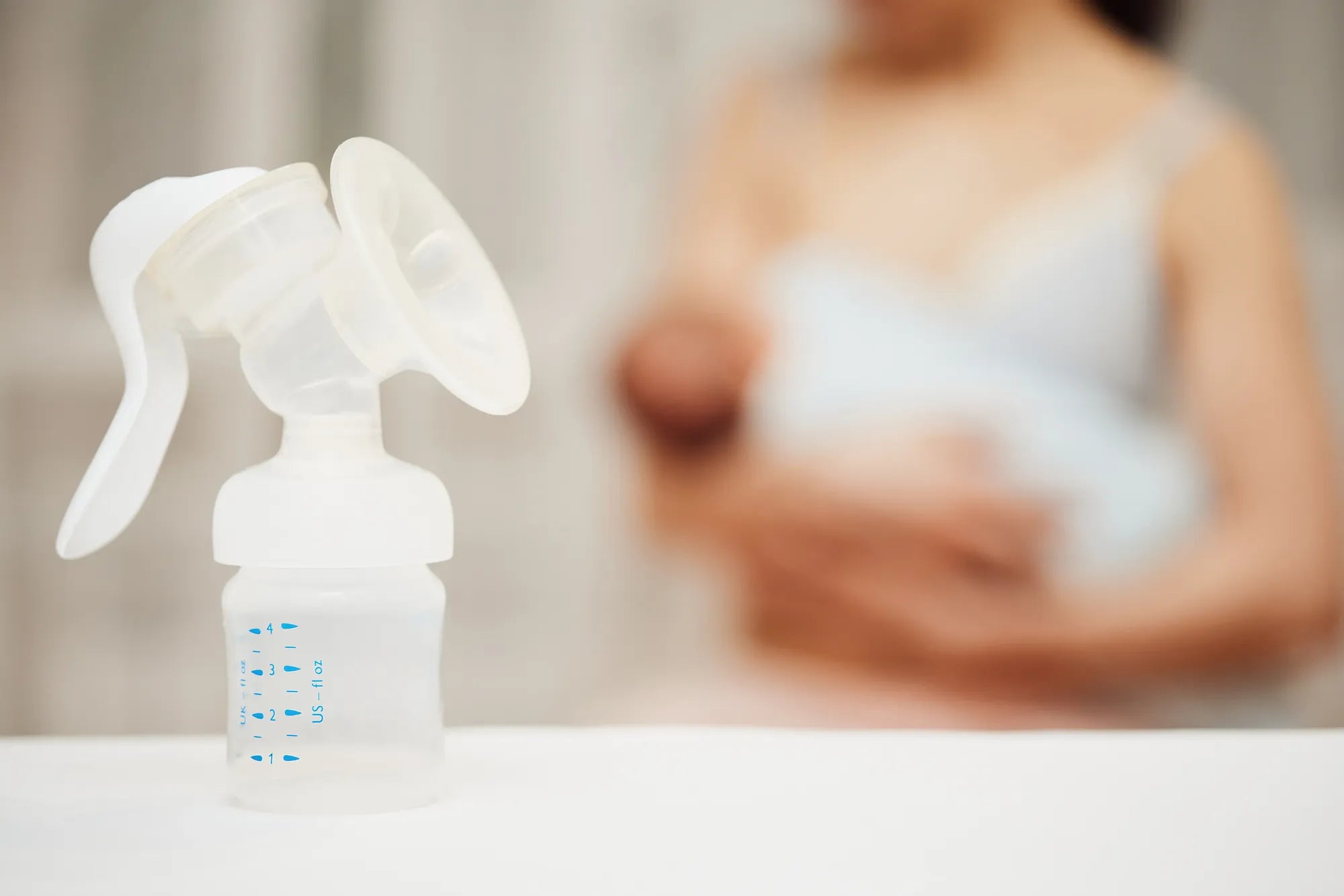
How Long Should It Take to Pump Breast Milk: The Complete Evidence-Based Guide
If you've ever stared at the pump timer, willing the bottles to fill faster, you're not alone. How long should it take to pump breast milk is one of the most common and pressing questions for pumping parents. The short answer: it varies, but typically 15-30 minutes per session. This guide moves beyond averages to give you a comprehensive, data-driven understanding of the factors at play, realistic timelines for different scenarios, and actionable strategies to make your pumping time as efficient and comfortable as possible.
Understanding Your Pumping Journey: Beyond the Clock
Pumping breast milk is a unique intersection of biology, technology, and personal circumstance. While we seek a definitive number, the “right” duration is deeply personal. Focusing solely on the clock can create unnecessary stress, which can ironically slow milk flow.
The primary goal of any pumping session is effective milk removal to maintain supply, meet your baby’s needs, and keep you comfortable. Time is a tool to gauge efficiency, not a strict master. This guide will help you interpret your own body's signals and establish a routine that works for your life, whether you're pumping exclusively, returning to work, or building an occasional stash.
Understanding the mechanics is the first step. A typical feeding at the breast lasts 20-30 minutes, and pumping aims to mimic this. However, the pump is a different stimulus than your baby. Your body's response to it—and the time it takes—is influenced by a symphony of factors we will explore next.
The Key Factors That Determine Your Pumping Time
There is no universal pumping duration because every individual's experience is shaped by a combination of physiological, equipment-related, and situational variables. Recognizing these helps you personalize your approach and set realistic expectations.
Your Body's Unique Physiology
Your milk supply, let-down reflex, and breast storage capacity are fundamental. Parents with a robust supply or a fast, responsive let-down may empty their breasts more quickly. Conversely, those with a slower let-down or who are pumping at a time of day when supply is naturally lower (typically evenings) may need more time.
Breast storage capacity—how much milk your breasts can hold between feeds—also varies greatly. Those with a larger capacity may produce more milk per session but pump less frequently. Time since last emptying is crucial; a full breast may let down faster than one recently nursed or pumped.
Pump and Equipment Efficiency
The quality and fit of your pump are non-negotiable for efficiency. A hospital-grade or high-quality double electric pump is significantly faster than a manual pump. The single most important piece is the flange fit. Incorrectly sized flanges can reduce milk output by up to 50%, drastically increasing pumping time and causing pain.
Pump settings matter immensely. Using a suction that's too high can cause tissue damage and edema, slowing flow. Modern pumps, like the MomMed S21 Double Wearable Breast Pump, feature adjustable stimulation and expression modes with gentle, rhythmic cycles designed to initiate let-down and then efficiently remove milk, potentially optimizing session time. Regular replacement of valves and membranes (every 1-3 months) is also critical for maintaining suction power.
Timing, Routine, and Mindset
Are you pumping first thing in the morning when prolactin levels and milk volume are often highest? This session might be quicker. Are you pumping at work while stressed about a deadline? Stress hormones like cortisol can inhibit oxytocin, delaying let-down. Hydration and comfort play direct roles. Furthermore, pumping in addition to a regular feeding to build a stash will yield less milk and may take a different amount of time than pumping instead of a feeding.
A Realistic Timeline: What to Expect Session-by-Session
With those factors in mind, let's translate them into concrete, evidence-based timeframes. These are guidelines from lactation experts, not rigid rules.
The Standard Double Pumping Session
For most parents using a double electric pump, a session lasts 15 to 20 minutes after milk begins to flow. This timeframe allows for the possibility of multiple let-downs. The session isn't uniformly productive: the first 2-3 minutes are often the stimulation phase, followed by 10-15 minutes of active milk ejection, with flow tapering off toward the end.
Continuing for 2-5 minutes after the last drops appear can help signal your body to produce more milk for future sessions. Pumping for longer than 30 minutes per session is generally not recommended, as it increases the risk of nipple soreness without significant yield benefits.
Pumping for Different Goals and Schedules
Your daily objective shapes your timeline. An exclusive pumper might aim for 8-12 sessions per day, each 15-25 minutes long, mirroring a newborn's feeding frequency. A parent pumping at work might have 2-3 scheduled 15-20 minute sessions during an 8-hour shift.
For someone building a freezer stash by pumping once a day after a morning feed, the session might only last 10-15 minutes, as the goal is to collect leftover milk rather than fully empty the breasts. Understanding your goal helps contextualize the time spent.
| Pumping Scenario | Typical Session Duration | Key Considerations |
|---|---|---|
| Exclusive Pumping | 15-25 mins, 8-12x/day | Consistency is key; mimics infant demand. |
| Back-to-Work Pumping | 15-20 mins, 2-3x/workday | Efficiency and discretion are priorities. |
| Occasional/Bottle Feeding | 10-20 mins, 1-2x/day | Often after a feed; volume varies. |
| Power Pumping (Supply Boost) | 60 mins (e.g., 20 on/10 off) | Not a daily routine; mimics cluster feeding. |
When Pumping Takes Longer – Or Shorter
Early postpartum, as your milk is coming in and you're learning your pump, sessions may feel longer and yield less. This is normal. A consistently slow session (over 30 minutes for little output) warrants troubleshooting flange fit and pump settings. On the flip side, some parents with a very fast let-down and ample supply may finish in 10-12 minutes with good output. This is also normal, provided there's no pain and baby is thriving.
Maximizing Efficiency: Actionable Tips to Optimize Pumping Time
You can influence many factors to make your sessions more effective. Efficiency isn't always about shorter time; it's about maximizing output and comfort within a reasonable period.
Creating the Right Environment & Mindset
Stress is the enemy of let-down. Create a relaxing ritual: deep breaths, a calming playlist, or looking at photos/videos of your baby. Gentle breast massage before and during pumping (hands-on pumping) can increase milk yield by up to 48%. Ensure you're well-hydrated and warm; a heating pad on your shoulders or a warm compress on your breasts before pumping can encourage flow.
Leveraging Technology and Proper Technique
Master your pump's settings. Use a rapid, light suction stimulation mode to trigger let-down. Once milk flows abundantly, switch to a slower, deeper expression mode. Wearable pumps like the MomMed S21 offer this flexibility and the freedom to move, which can reduce stress and make the time feel less burdensome. Always ensure parts like duckbill valves are replaced regularly to maintain optimal suction.
Practice hands-on pumping: while pumping, use your hands to compress and massage your breasts, especially when flow slows. This can help drain ducts more thoroughly and potentially shorten the time needed to achieve the same output.
Building a Sustainable, Consistent Routine
Your body thrives on predictability. Try to pump at roughly the same times each day. If low supply is a concern, power pumping—a technique where you pump in intervals over an hour (e.g., 20 minutes on, 10 off, 10 on, 10 off, 10 on) for a few days—can be more effective at boosting supply than adding several extra 30-minute sessions sporadically.
Troubleshooting: When Pumping Times Signal a Problem
If your pumping duration consistently falls outside the typical ranges with poor output or discomfort, it's time to investigate.
Is It Taking Too Long?
Consistently needing 40+ minutes to get a typical yield suggests an efficiency issue. Common culprits include: ill-fitting flanges (the most common issue), worn-out pump parts, suction set too high or too low, or an underlying hormonal or medical issue affecting supply (like thyroid disorders or retained placenta). Pain during pumping is never normal and is a clear sign something is wrong, usually with fit or suction.
Is It Over Too Quickly?
Finishing in under 10 minutes with ample output is often a sign of a strong let-down and efficient emptying, which is positive. However, be cautious if you're using extremely high suction to force milk out quickly, as this can damage tissue. Also, ensure you're not stopping at the first slowdown; waiting 1-2 minutes after the last drop can sometimes trigger a second let-down, ensuring you get the higher-fat hindmilk.
Knowing When to Consult a Professional
Seek help from an International Board Certified Lactation Consultant (IBCLC) if you experience: persistent pain, consistently low output despite correct technique, a sudden drop in output, or if you're concerned about your milk supply. They can assess latch (if also nursing), flange fit, pump function, and provide a personalized plan.
Frequently Asked Questions (FAQ)
1. How long should I pump if no milk is coming out?
If no milk is flowing after 3-5 minutes in stimulation mode, stop and reassess. Check flange fit, ensure pump parts are assembled correctly, and try relaxation techniques. Don't pump dry for more than 10 minutes, as this can cause discomfort without benefit. Try again in 30-60 minutes.
2. Is 10 minutes of pumping enough?
For some parents with a fast let-down and efficient removal, 10 minutes can be sufficient, especially if pumping after a feed. For most, 15-20 minutes is needed to allow for multiple let-downs and complete drainage. Monitor your output and your baby's satisfaction to gauge if 10 minutes is adequate for you.
3. Does a wearable pump take longer to empty breasts?
Not necessarily. Advanced wearable pumps like the MomMed S21 are designed with efficient motors and expression technology comparable to many traditional electric pumps. The primary difference is convenience and discretion, not necessarily time. Proper fit remains the critical factor for speed with any pump.
4. How long does it take to pump 4 oz?
There's no fixed time. For a parent with an average storage capacity, pumping 4 oz might take 15-20 minutes during a morning session. For another, it might be the total from both breasts in 10 minutes, or it might require two sessions later in the day. It depends entirely on individual physiology and timing.
5. Can I pump for 30 minutes every time?
While 30 minutes is the general upper limit, consistently pumping for 30 minutes without significant output after 15-20 minutes is often inefficient and can lead to nipple trauma. It's better to troubleshoot the cause of the slow flow (fit, parts, stress) than to simply add time. Quality of drainage over duration is key.
Choosing the Right Tools: The Impact of Your Pump
Your equipment is your partner in this journey. A reliable, comfortable pump is an investment in your time and mental health. Wearable pumps have revolutionized pumping by returning time and mobility to parents. The MomMed S21 Double Wearable Pump, for instance, features BPA-free, food-grade silicone flanges in multiple sizes, quiet operation, and customizable modes to support efficient milk removal. The right pump feels like an extension of your body, not a chore.
Remember, all pump parts are wear items. Membranes, valves, and duckbills lose elasticity over time, reducing suction and making sessions longer. Replacing these every 1-3 months is essential for maintaining peak performance and answering the question of how long should it take to pump breast milk with confidence.
Embracing Your Personal Pumping Rhythm
The journey to define your ideal pumping time is one of patience, observation, and self-compassion. Let go of comparing your clock to others'. Focus on the effective removal of milk, your comfort, and your baby's growth. Use the guidelines—15-20 minutes per session, proper flange fit, consistent routine—as a starting point, then adapt them to your unique rhythm.
Your time is precious. By understanding the factors at play, implementing efficient techniques, and using well-designed, reliable equipment, you can transform pumping from a countdown on a timer into a manageable, integrated part of your life. Trust your body, trust the process, and give yourself grace as you navigate this chapter.
Ready to optimize your pumping journey with comfort-tested, efficient technology? Shop the MomMed collection at mommed.com for all your breastfeeding and pregnancy needs, from our award-winning S21 Wearable Breast Pump to expert-fitting flange kits and accessories designed to support every minute of your journey.