


Home
Pregnancy, Breastfeeding, and Pumping: The Ultimate Guide for Moms
How Long Can You Use Pumped Breast Milk: A Comprehensive Guide to Storage & Safety
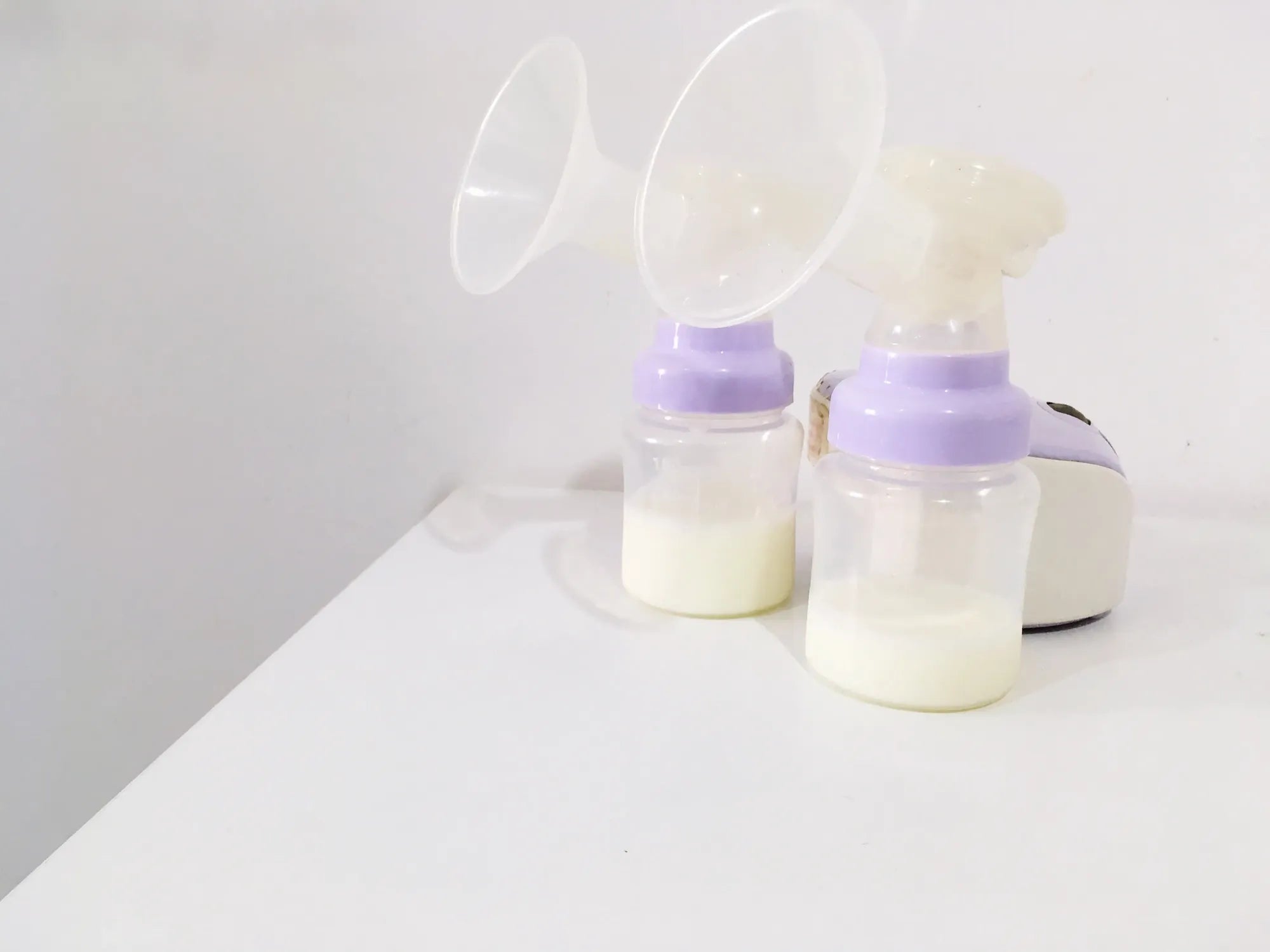
How Long Can You Use Pumped Breast Milk: A Comprehensive Guide to Storage & Safety
Introduction: Understanding the Lifespan of Liquid Gold
Pumped breast milk is often called "liquid gold" for its unparalleled nutritional and immunological benefits for your baby. Preserving this precious resource requires precise knowledge of storage guidelines. Using milk outside its safe window can risk your baby's health, while discarding milk prematurely can be emotionally and practically taxing for a pumping parent.
This comprehensive guide delivers clear, evidence-based answers to the central question: How long can you use pumped breast milk? We synthesize recommendations from the Centers for Disease Control and Prevention (CDC), the American Academy of Pediatrics (AAP), and leading lactation research. You will learn not just the timelines, but the science behind them and the practical steps to ensure every drop is used safely and effectively.
Our goal is to replace anxiety with confidence. By understanding the rules and the reasoning, you can build a sustainable pumping and storage routine that supports your baby's health and your peace of mind.
The Essential Storage Guidelines: Temperature & Timeline
Breast milk storage safety is primarily a function of temperature and time. Bacteria growth slows dramatically as temperature decreases. The following guidelines are the cornerstone of safe milk handling, designed to minimize bacterial contamination and preserve nutritional quality.
Adhering to these standards is non-negotiable for infant safety. These timelines assume that milk is expressed using clean hands and sanitized pump parts into a clean container, which we will detail in a later section.
Freshly Expressed Milk at Room Temperature
Freshly pumped breast milk can be safely kept at room temperature for a short period. The CDC states that milk is safest for use within 4 hours, especially if the room is warm. Under very clean conditions, some sources extend this to 6-8 hours, but 4 hours is the conservative and widely recommended standard.
This short window exists because room temperature (ideally below 77°F or 25°C) allows for the slow growth of bacteria. The clock starts the moment the milk leaves the breast. If your baby does not finish a bottle at a feeding, it should be used within 2 hours or discarded.
Refrigerated Breast Milk
Refrigeration significantly extends the life of breast milk. Store milk in the back of the refrigerator, where the temperature is most consistent and coldest (at or below 39°F or 4°C). Avoid storing milk in the door, where temperatures fluctuate with frequent opening.
The standard recommendation is to use refrigerated breast milk within 4 days. Research indicates that refrigeration for up to 4 days effectively inhibits bacterial growth while maintaining most of the milk's beneficial properties, including its live cells and antibodies.
Frozen Breast Milk
Freezing is for long-term storage. The duration depends entirely on the type of freezer. For a standard freezer compartment within a refrigerator (which is opened frequently), use milk within 6 months for best quality.
For a standalone deep freezer that maintains a constant 0°F (-18°C) or colder, breast milk can be stored for up to 12 months. It's important to note that while frozen milk remains safe, its quality—particularly levels of certain vitamins and antioxidants—may gradually diminish over time. For optimal nutrition, aim to use frozen milk within 6 months.
Factors That Influence Breast Milk Storage Times
The guidelines above are the baseline, but several practical factors can influence the actual safety and quality window of your stored milk. Understanding these variables helps you make informed judgment calls.
These factors underscore that safe storage is a process, not just a set of timers. Your practices from expression to feeding create a chain of safety.
The Cleanliness of Your Pumping Process
Hygiene is the first and most critical factor. Milk expressed with impeccable cleanliness inherently has lower bacterial load, giving it a longer safe life. Always wash your hands thoroughly before pumping or handling pump parts.
Ensure all pump parts that touch milk (flanges, valves, membranes, bottles) are cleaned after each use according to manufacturer instructions. Using a dedicated brush and hot, soapy water is essential. For extra assurance, especially for preterm or immunocompromised infants, daily sanitizing is recommended.
Temperature Fluctuations Matter
Consistency is key. Repeatedly taking milk in and out of the refrigerator, letting it sit out during a feed, or having a fridge that doesn't stay consistently cold can accelerate spoilage. The "danger zone" for bacterial growth is between 40°F and 140°F (4°C and 60°C).
Minimize time in this zone. Cool freshly expressed milk quickly before adding it to previously refrigerated milk. Use a refrigerator thermometer to ensure your appliance is cold enough. Never refreeze thawed milk, as this process breaks down milk components and can allow bacterial growth during the thawing phase.
From Freezer to Fridge to Baby: The Thawing Clock
Once you decide to use frozen milk, a new countdown begins. The safest method is to thaw milk overnight in the refrigerator. Milk thawed in the fridge can be kept there for up to 24 hours before it must be used.
If you need to thaw milk quickly, place the sealed storage bag or bottle under cool running water, gradually increasing to warm water. Never thaw breast milk in a microwave or boiling water, as this can create hot spots and destroy vital nutrients. Once fully thawed and brought to room temperature or warmed, the milk must be used within 2 hours.
A Practical Comparison: Storage Locations & Methods
This comparison table helps you quickly reference the best storage method for your needs, whether you're planning for the next feed or building a freezer stash.
| Storage Location | Maximum Storage Time | Best For | Key Considerations |
|---|---|---|---|
| Room Temperature (up to 77°F/25°C) | 4 hours (up to 6-8 in very clean conditions) | Immediate next feed | Use a bottle cover. Discard any leftover milk after 2 hours from start of feeding. |
| Refrigerator (at back, ≤39°F/4°C) | 4 days | Feeds within the week | Store in clean, sealed bottles or bags. Label clearly. Use older milk first. |
| Standard Freezer (inside fridge) | 6 months | Medium-term storage | Quality is optimal within 6 months. Leave space for expansion at the top of bags. |
| Deep Freezer (standalone, ≤0°F/-18°C) | 12 months | Long-term stash, returning to work | Place bags in the back, away from the door. Organize by date. |
Maximizing Safety and Quality with the Right Gear
Following the rules is easier with the right tools. The products you use for expression, storage, and feeding form a system that protects your milk's integrity.
As a trusted maternal and baby care brand specializing in wearable breast pumps, pregnancy test kits, feeding gear, and baby care essentials, MomMed designs products with this holistic safety journey in mind. Our goal is to provide reliable, comfortable, and innovative products that support moms at every stage.
Choosing the Right Storage Containers
Your storage container is your milk's primary protector. Use only food-grade, BPA-free containers designed for breast milk. Hard-sided plastic or glass bottles with tight-sealing lids are excellent for refrigeration. For freezing, pre-sterilized breast milk storage bags are space-efficient and designed for safe freezing and thawing.
Never use ordinary plastic bags or disposable bottle liners, as they are not designed for storage and can tear or leach chemicals. Leave about an inch of space at the top of bags before freezing to allow for expansion.
The Importance of Labeling
This simple habit prevents waste and ensures safety. Always label your container with the date the milk was expressed and the volume. Use the "first in, first out" rule. If you have a high lipase issue (which causes milk to develop a soapy smell after storage but is still safe), you may also note this on the label.
For working moms, labeling with the date helps you rotate your stash effectively, ensuring no milk is stored beyond its recommended time.
How a Reliable Pump Supports Fresh Milk
The journey of safe milk starts with efficient and hygienic expression. A pump that is effective, comfortable, and easy to clean helps ensure milk is expressed quickly and with minimal contamination risk. Poor flange fit or an inefficient pump can lead to incomplete emptying or prolonged sessions, which isn't ideal for milk supply or your time.
MomMed's award-winning S21 Double Wearable Breast Pump exemplifies this principle. Its closed-system design and BPA-free, food-grade silicone components help maintain hygiene. The efficient expression allows you to build your stash confidently, knowing the milk entering your storage container is in the best possible condition. Comfortable, reliable pumping is the first step in the safe storage chain.
Navigating Common Challenges and Special Scenarios
Real-life pumping often involves gray areas. Here’s how to handle some specific situations with confidence, based on expert lactation advice.
If your baby starts a bottle but doesn't finish it, the milk is only safe for 1-2 hours after the feeding begins. This is because baby's saliva introduces bacteria into the bottle. It's best to offer smaller amounts to avoid waste.
Traveling with breast milk requires planning. For car trips, use a cooler with ice packs to keep milk at refrigerator temperatures. When flying, frozen breast milk is not subject to the TSA's 3-1-1 liquid rule for carry-ons. Inform security officers you are carrying breast milk.
For mothers dealing with oversupply or building a stash before returning to work, the freezer is your ally. Freeze milk in small quantities (2-4 oz) to avoid thawing more than you need. Remember, once thawed, it cannot be refrozen.
FAQ: Your Top Breast Milk Storage Questions, Answered
Q1: Can I mix milk from different pumping sessions?
Yes, but with caution. You can combine milk pumped on the same day. Cool the newly expressed milk in the refrigerator first before adding it to already chilled milk. Never add warm milk to cold milk, as it can raise the temperature of the stored batch. Label the container with the date of the oldest milk.
Q2: How do I know if breast milk has gone bad?
Trust your senses. Spoiled breast milk often has a distinctly sour or rancid odor, similar to spoiled cow's milk. Visually, it may appear clumpy or have separated in a way that doesn't re-mix gently. If in doubt, err on the side of caution and discard it.
Q3: What is high lipase milk and does it affect storage time?
High lipase is an enzyme in some mothers' milk that breaks down fats more quickly, leading to a soapy or metallic smell and taste after storage. It is not spoiled and is safe for baby to drink. Storage times do not change. If your baby refuses it, you can scald the milk (heat to 180°F/82°C until small bubbles form, then quickly cool) before freezing to deactivate the enzyme.
Q4: Can I add fresh warm milk to already refrigerated milk?
It is not recommended. As mentioned above, adding warm milk can raise the temperature of the refrigerated batch, potentially allowing bacteria to grow. Always cool the fresh milk in the fridge separately before combining it with other cold milk.
Q5: How should I warm refrigerated or thawed breast milk?
The best method is to place the sealed bottle or bag in a bowl of warm water or under warm running water. Gently swirl the milk to mix the separated fat. Test the temperature on your wrist before feeding. Again, avoid microwaves, which destroy nutrients and create dangerous hot spots.
Conclusion: Confidence in Every Drop
Mastering the guidelines for how long you can use pumped breast milk empowers you to provide the best nutrition for your baby while reducing stress and waste. The core principles are clear: prioritize cleanliness, respect temperature boundaries, and adhere to evidence-based timelines for room temperature, refrigeration, and freezing.
This knowledge, combined with reliable tools, transforms pumping from a task into a confident part of your parenting journey. MomMed is committed to supporting you with innovative, safe products designed for real-life challenges—from our comfortable, efficient wearable pumps to our full range of baby care essentials. We believe in empowering moms with both knowledge and gear they can trust.
You now have the comprehensive guide to ensure every ounce of your liquid gold is preserved safely and used effectively. For all your breastfeeding and pregnancy needs, from finding the perfect pump fit to essential baby care, shop the MomMed collection at mommed.com. Here's to a confident, well-supported feeding journey.