


Home
Pregnancy, Breastfeeding, and Pumping: The Ultimate Guide for Moms
How Do I Exclusively Pump Breast Milk: A Comprehensive Guide for Every EP Mom
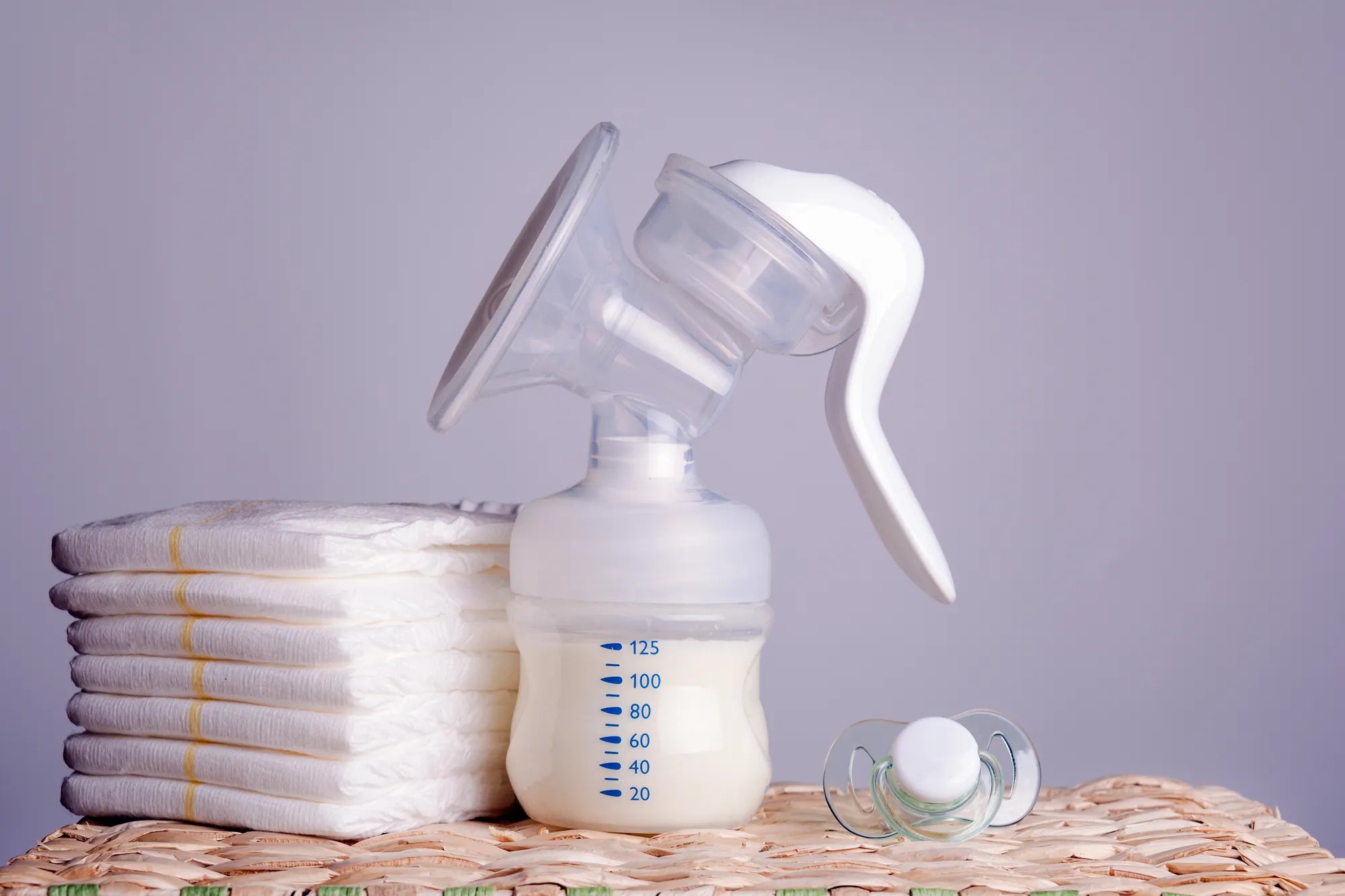
How Do I Exclusively Pump Breast Milk: A Comprehensive Guide for Every EP Mom
Introduction to Exclusive Pumping: A Valid, Powerful Choice
Exclusive pumping, often abbreviated as EP, is the practice of feeding a baby expressed breast milk from a bottle, without direct breastfeeding at the breast. It is a distinct and complete feeding method, separate from combination feeding or occasional pumping. This comprehensive guide will walk you through every step of how do I exclusively pump breast milk, from initial setup to long-term success.
Parents choose EP for a multitude of valid reasons. These can include persistent latching difficulties, a baby's stay in the neonatal intensive care unit (NICU), returning to a workplace that isn't conducive to direct nursing, personal preference, or specific medical needs of either parent or baby. It's a significant commitment of time, energy, and dedication, and it is a profoundly valid way to provide your baby with the benefits of breast milk.
This guide is designed to support you with factual, data-driven advice. We'll cover the essential equipment, the science behind maintaining supply, practical time-management strategies, and the emotional resilience needed for the journey. Whether you're planning to EP from the start or transitioning to it, understanding the how do I exclusively pump breast milk process is key to your confidence and success.
Getting Started: Building Your Exclusive Pumping Foundation
A successful exclusive pumping journey begins with the right tools and mindset. Investing time in your initial setup pays dividends in efficiency, comfort, and supply stability. Your primary goal in the early weeks is to signal to your body to produce a full milk supply through frequent and effective milk removal, mimicking a newborn's feeding pattern.
Gathering your core equipment before your baby arrives, or as soon as you decide to EP, reduces stress. You'll need a high-quality double electric breast pump, a hands-free pumping bra, multiple sets of pump parts and bottles, milk storage bags, and cleaning supplies. Creating a dedicated, comfortable pumping station with water, snacks, and entertainment can make sessions more pleasant.
The initial phase is demanding, often requiring 8-12 pumping sessions per 24 hours to establish a robust milk supply. This frequency is non-negotiable for most in the first 12 weeks, as it closely replicates how often a newborn would nurse. Consistency in this schedule is more critical than pumping at exact clock times; focus on spreading sessions evenly throughout the day and night.
Choosing the Right Pump for Your EP Journey
Your breast pump is your most critical tool. For exclusive pumping, a hospital-grade rental or a robust, high-performance double electric pump is highly recommended. These pumps are designed for multiple daily, long-term use and are more effective at maintaining milk supply than smaller, single-user models. Wearable pumps can be excellent secondary pumps for mobility but may not be powerful enough as a primary pump for all individuals.
Flange fit is paramount. An incorrectly sized flange (the funnel that fits over your nipple) is a leading cause of low output, pain, and tissue damage. Your nipple should move freely in the tunnel without rubbing the sides, and only a small amount of areola should be drawn in. Brands like MomMed prioritize this, offering pumps like the award-winning S21 Double Wearable Breast Pump with multiple flange size options to ensure a comfortable, effective fit.
Consider features that support an EP lifestyle: adjustable suction patterns and cycles to mimic a baby's suckling, a closed-system design for hygiene, battery life for portability, and quiet motors. As a trusted maternal care brand, MomMed designs its pumps, such as the S21 and S12 models, with BPA-free, food-grade silicone and innovative technology to combine hospital-grade efficiency with the comfort needed for a long-term EP routine.
Creating Your Pumping Sanctuary and Schedule
Your pumping environment significantly impacts let-down and mental well-being. Designate a comfortable chair with good back support, keep chargers, a large water bottle, healthy snacks, and a phone or tablet for distraction within reach. Low lighting and relaxing music or a meditation app can help stimulate oxytocin, the hormone responsible for milk ejection.
Your schedule is your blueprint. In the early months, aim for a "magic number" of pumping sessions—typically 8 to 10 times per day—to establish and protect your supply. This number is based on individual mammary storage capacity. Use a tracking app or a simple notebook to log pump times, duration, and output to identify patterns and ensure you're meeting your frequency goal.
Don't become a slave to the clock. While consistency is key, a flexible approach of pumping around every 2-3 hours during the day with one longer stretch at night (no more than 4-5 hours initially) is sustainable. The focus should be on total number of sessions per day and complete emptying of the breasts, rather than rigid adherence to specific times.
Mastering the Pumping Routine: Techniques for Maximum Efficiency
Effective pumping is a skill. Moving beyond simply turning on the pump involves techniques that maximize output, protect your tissue, and save precious time. The core principle is effective milk removal: emptying the breasts thoroughly tells your body to make more milk.
Hands-on pumping is a game-changer. Before pumping, do gentle breast massage. During pumping, use your hands to compress and massage your breasts, working from the chest wall toward the nipple. This manual manipulation can significantly increase milk yield, especially hindmilk, and help clear ducts. It turns a passive activity into an active, efficient one.
Always double pump. Pumping both breasts simultaneously saves time and has been shown to yield a higher total milk volume with a higher fat content compared to sequential pumping. It also creates a better prolactin response, which is crucial for long-term milk production. A hands-free bra is non-negotiable for enabling double pumping while having your hands free to massage or use your phone.
Maximizing Milk Output and Efficiency
Understand your pump's settings. Start with a fast, light suction (stimulation or let-down mode) for 1-2 minutes until milk flow begins. Then, switch to a slower, deeper suction (expression mode) at the highest comfortable vacuum level. Pump until the milk streams slow to drips, then switch back to stimulation mode for another minute or two to trigger a possible second let-down.
Pump until empty, not just by time. A common guideline is 15-20 minutes per session, but your body is the real guide. Continue pumping for 2 minutes after the last drops of milk appear to ensure full drainage. Incomplete emptying can signal your body to slow production. For parents using a primary pump like the MomMed Swing or a wearable like the S21, ensuring you use the correct cycle patterns is key to mimicking this natural emptying process.
Regular maintenance is crucial for performance. Pump parts like valves, membranes, and duckbills are wear items. Replace them according to the manufacturer's schedule (often every 4-12 weeks for exclusive pumpers) as worn parts create weaker suction, reducing output and efficiency. Clean parts thoroughly after each use to prevent bacterial growth.
Managing Your Time and Mental Load
Exclusive pumping is a significant time commitment, often described as a part-time job. Strategic planning is essential. Consider wearable pumps, like MomMed's S21, for ultimate flexibility. They allow you to pump while preparing meals, working at a computer, caring for older children, or even running errands, reclaiming hours in your day.
Multitask smartly. Pump while feeding your baby a bottle—this synchronizes your schedules. Use a nursing pillow to position the baby safely beside you. "Power pumping," which involves pumping in a pattern of 20 minutes on, 10 minutes off, 10 minutes on, 10 minutes off, 10 minutes on for one hour, can help mimic cluster feeding to boost supply during a perceived dip.
Delegate and communicate. A supportive partner can be instrumental by handling bottle feeding, washing pump parts, and bringing you water and snacks during sessions. Clearly communicate your schedule and needs. Your mental load is real; using tracking apps, setting alarms, and creating a visible family schedule can help share the cognitive burden.
Nutrition, Storage, and Bottle Feeding Logistics
Your body needs fuel to make fuel. While no specific food guarantees increased supply, adequate overall nutrition and hydration are fundamental. Severe calorie restriction can negatively impact milk production. Focus on a balanced diet rich in whole foods, and drink to thirst—water is excellent, and your urine color (pale yellow) is a good hydration guide.
Safe milk handling is non-negotiable for your baby's health. Following evidence-based guidelines prevents waste and ensures your liquid gold remains safe. Always wash your hands before handling pump parts or expressed milk. Clean and sanitize pump parts, bottles, and storage containers regularly according to CDC guidelines.
When preparing a bottle, practice paced bottle feeding. Hold the bottle horizontally and allow the baby to actively draw milk from the nipple, taking breaks. This mimics the flow of breastfeeding, prevents overfeeding, and is easier on the baby's digestion. Never microwave breast milk, as it creates hot spots and can destroy beneficial nutrients; instead, thaw frozen milk in the refrigerator overnight or warm a bottle in a bowl of warm water.
Safe Milk Storage and Handling Guidelines
Adhering to standardized storage times is critical. The following table consolidates current best practices from the CDC and Academy of Breastfeeding Medicine for healthy, full-term infants. These times are maximums; using milk sooner is always preferable.
| Storage Location | Temperature | Freshly Expressed Milk | Thawed, Previously Frozen Milk |
|---|---|---|---|
| Room Temperature | Up to 77°F (25°C) | Up to 4 hours | 1-2 hours |
| Insulated Cooler | With ice packs | Up to 24 hours | Do not store |
| Refrigerator | 39°F (4°C) or colder | Up to 4 days | Up to 24 hours |
| Freezer | 0°F (-18°C) or colder | Within 6 months (best within 3) | Do not refreeze |
Label every storage bag or container with the date and volume. Practice the "first in, first out" method. When freezing, lay bags flat to freeze in a thin sheet for quicker thawing and more efficient storage. Store milk in the back of the refrigerator or freezer, not in the door, where temperatures fluctuate.
Supporting Your Body and Supply
Hydration is directly linked to milk production. Aim to drink a large glass of water with every pumping session. Stress and fatigue are potent supply suppressors. While difficult with a new baby, prioritize rest when possible. Even short periods of relaxation or meditation can lower cortisol levels, which can interfere with milk ejection.
Remember that pumping output is a measure of the pump's efficiency and milk removal, not your worth as a parent. Normal daily output for an exclusive pumper ranges from 25 to 35 ounces per day, but it can vary. Your baby's diaper output (5-6 wet diapers, 3-4 yellow stools per day) and growth are the true indicators of adequate intake.
If you are concerned about supply, troubleshoot systematically before assuming an intrinsic problem. Check flange fit, replace pump parts, ensure you're pumping frequently enough, review your hydration and calorie intake, and consider a session with an International Board Certified Lactation Consultant (IBCLC) who is EP-knowledgeable.
Navigating Challenges and Celebrating Milestones
The EP path has its unique hurdles. From physical discomfort to logistical snags and emotional fatigue, being prepared with solutions empowers you to persist. Common issues include clogged ducts, nipple soreness, supply fluctuations, and the sheer monotony of the schedule. Each challenge has practical strategies for management and prevention.
Celebrating milestones is vital for morale. Mark your first full month of EP, celebrate when you stash your 100th bag of frozen milk, or reward yourself for consistently hitting your pumping sessions. Every ounce you provide is an accomplishment. Your commitment is providing your baby with tailored nutrition and immune protection, a gift that extends far beyond basic feeding.
Troubleshooting Common Exclusive Pumping Issues
Low Supply Concerns: First, audit your routine. Are you pumping 8+ times per day? Are your flanges correctly sized? Have you replaced pump valves/membranes? Are you using hands-on techniques? Consider a 3-5 day block of "power pumping" once a day. Rule out medical issues like hormonal imbalances (thyroid, retained placenta) or certain medications with a healthcare provider.
Clogged Ducts & Mastitis: A clogged duct feels like a tender, hard lump. Act immediately: pump or massage frequently from that breast, use warm compresses before pumping, massage the area toward the nipple during pumping, and try dangle pumping (leaning over so gravity helps). Mastitis is a bacterial infection with flu-like symptoms (fever, chills, red wedge-shaped area). It requires prompt medical attention for antibiotics, along with continued milk removal.
Nipple Pain & Damage: Pain is not normal. Re-evaluate flange size (most women need smaller than the standard 24mm/28mm). Ensure your pump suction is at a comfortable level; higher is not always better. Use purified lanolin or coconut oil on nipples after pumping. Pumps with adjustable, gentle initiation modes, like those in the MomMed collection, can help prevent trauma by allowing a gradual, natural start to the session.
The Emotional Journey and Finding Support
Exclusive pumping can feel isolating. You may encounter a lack of understanding from those who view pumping as inferior to direct nursing. It's crucial to validate your own choice and seek out communities that understand. Online forums and social media groups dedicated to EP are invaluable sources of real-time advice, empathy, and celebration from those walking the same path.
Communicate your needs clearly to your partner, family, and friends. Let them know how they can help: washing parts, preparing bottles, handling night feeds with stored milk, or simply giving you uninterrupted time to pump. Planning for the future, including a gradual weaning plan from the pump when you and your baby are ready, can provide a light at the end of the tunnel.
Remember, your journey is your own. Comparing your output or schedule to others is rarely helpful. You are making daily sacrifices of time and energy to provide for your child. That dedication is the very definition of love in action. Celebrate your resilience.
Frequently Asked Questions (FAQ)
Q1: How many times a day do I need to pump to maintain my milk supply?
To establish a full supply, most need to pump 8-12 times per 24 hours in the early months. To maintain it once regulated (around 12 weeks), many can reduce to 6-8 sessions per day, depending on individual storage capacity. The key is consistent, effective removal. Dropping sessions too quickly or going long stretches without pumping can signal your body to reduce production.
Q2: Can I really build a full supply using only a pump?
Absolutely. A full milk supply is defined by what your baby needs. For most exclusive pumpers, this is 25-35 ounces per day. By mimicking a newborn's feeding frequency with a high-quality pump and correct technique, your body will respond by producing the necessary volume. The pump is an effective tool for milk removal, which is the primary driver of supply.
Q3: How do I know if my wearable pump (like MomMed's) is effective for exclusive pumping?
A wearable pump is effective for EP if it allows you to comfortably and completely empty your breasts within a reasonable time frame (15-25 minutes) and you are able to maintain your target output and baby's growth. Many, like the MomMed S21, are designed for this purpose, offering hospital-grade suction in a portable form. It's wise to have a traditional double electric as a backup. Monitor your output and baby's diapers to gauge effectiveness.
Q4: How long should each pumping session last?
Pump until the milk flows slow to drips and then for 1-2 minutes beyond. This typically takes 15-25 minutes per session when double pumping. Time alone is a poor guide; some may need 30 minutes to fully empty, especially during a "power pump" session or if dealing with a clog. Focusing on empty breasts rather than a stopwatch is more productive for supply.
Q5: Is exclusive pumping more expensive than direct breastfeeding?
Yes, there are additional costs. You must purchase or rent a high-quality pump, multiple sets of parts, bottles, storage bags, and potentially a hands-free bra. There are also utility costs for running the pump and washing/sterilizing supplies. However, compared to the cost of formula feeding, EP is often less expensive while still providing breast milk. Investing in a durable, efficient pump from a reliable brand like MomMed can be cost-effective over the long term.
Your EP Journey: A Testament of Love and Dedication
Mastering how do I exclusively pump breast milk is a profound learning curve that equips you with incredible knowledge about your body and your baby's needs. You have learned that success hinges on the synergy of the right tools—a reliable, comfortable pump like those engineered by MomMed—a consistent, flexible routine, and unwavering self-care. The data-driven strategies for output, storage, and troubleshooting are your toolkit for resilience.
This path you've chosen is one of remarkable commitment. Every session, every washed bottle, every carefully labeled bag of milk represents a conscious act of nourishment. It's a journey that builds not just a freezer stash, but immense personal strength. Trust in the process you've built, listen to your body and your baby, and lean on the community of fellow EP parents who understand the unique challenges and triumphs.
You are providing your child with the irreplaceable benefits of your milk, tailored to their developing immune system, through your sheer determination. That is an amazing achievement. For all your breastfeeding and pregnancy needs, from award-winning wearable pumps to essential feeding gear, shop the trusted MomMed collection at mommed.com. You are doing an incredible job.