


Home
Pregnancy, Breastfeeding, and Pumping: The Ultimate Guide for Moms
How Big Should Breast Pump Cup Be: A Comprehensive Guide
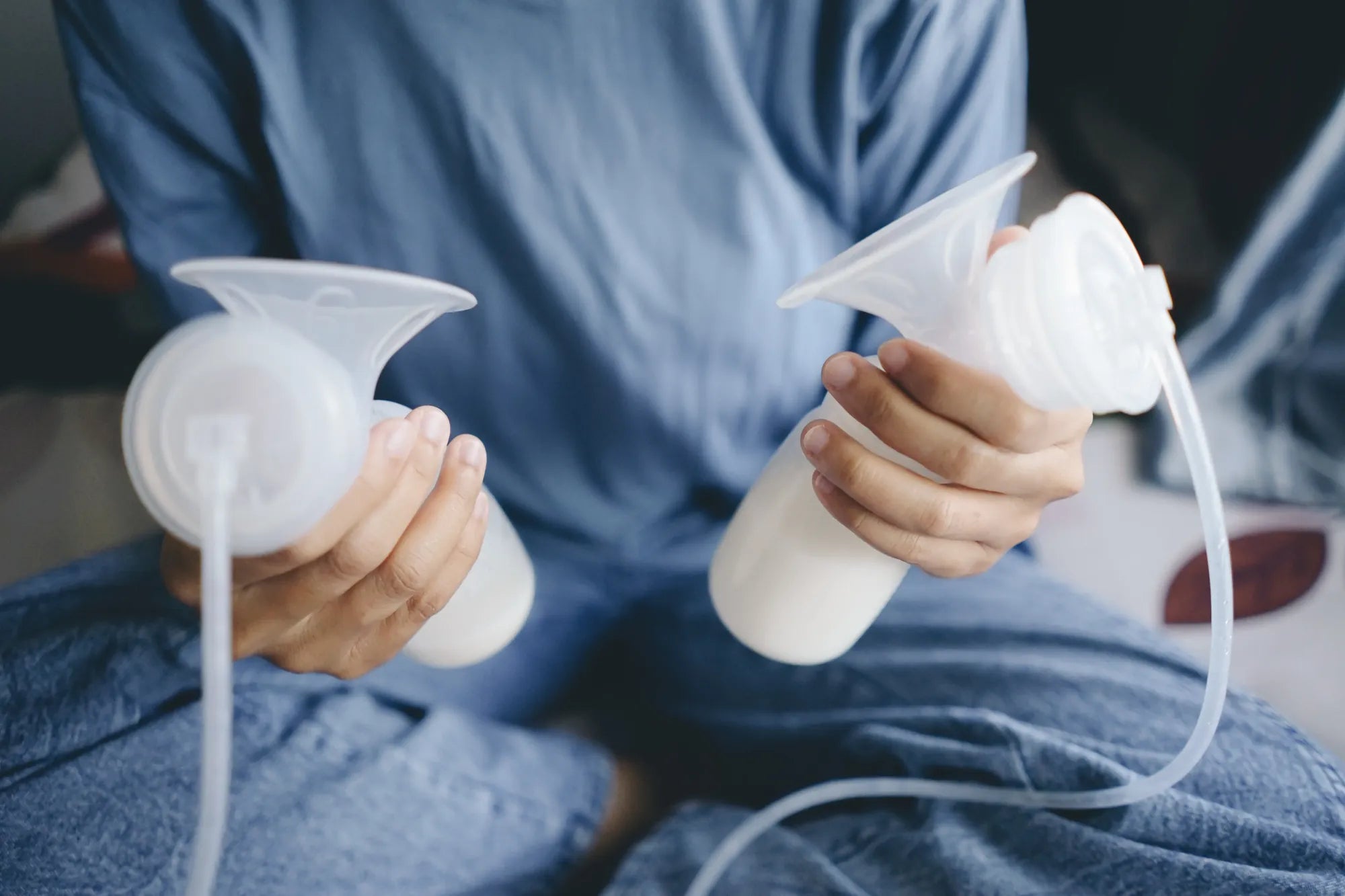
How Big Should Breast Pump Cup Be: A Comprehensive Guide
Choosing the correct breast pump cup, or flange, size is not a minor detail—it's the single most critical factor for a comfortable, efficient, and sustainable pumping experience. The wrong size can lead to pain, low milk supply, and nipple damage, while the right fit can make pumping feel manageable and even productive. This comprehensive guide will answer the central question: How big should breast pump cup be? We provide a data-driven, step-by-step approach to finding your perfect fit, empowering you with knowledge to transform your pumping routine.
Understanding Breast Shield Anatomy and Why Fit Matters
To understand sizing, you must first know the parts. The breast shield, commonly called the flange, is the funnel-shaped piece that fits over your breast and nipple. The tunnel is the narrow cylinder your nipple moves into during pumping. The areola is the pigmented skin surrounding the nipple.
A correct fit means your nipple moves freely within the tunnel without rubbing against the sides, and only a small amount of areola is drawn in with each suction cycle. The flange should create a seal against your breast without pinching or compressing tissue.
An incorrect fit has direct, measurable consequences. A flange that is too large will pull excessive areola into the tunnel, causing swelling, edema, and reduced milk flow. One that is too small will compress the nipple, restricting milk ducts and causing friction, blanching (turning white), and significant pain.
Research and lactation consultant consensus indicate that improper flange fit is a leading contributor to low milk output, nipple trauma, and conditions like mastitis or clogged ducts. Investing time in finding your correct size protects your milk supply and your physical well-being.
Step-by-Step: How to Measure Your Nipple for the Correct Flange Size
The foundation of correct sizing is an accurate nipple diameter measurement. You will need a flexible ruler or a set of calipers, preferably in millimeters. The best time to measure is after a pumping session or feeding, when your nipple is in its most natural, non-engorged state.
Gently compress your breast tissue to make the nipple more prominent. Using your ruler or calipers, measure the diameter of the nipple at its base, where it meets the areola. Do not include the areola in this measurement. Measure straight across the widest part.
Take this measurement at least twice for accuracy. It's also crucial to measure both nipples, as many women have asymmetrical sizes. Record the measurement in millimeters (mm). This number is your starting point, not your final flange size.
The "Rule of Thumb" and Initial Size Selection
The standard lactation guideline states that your ideal flange tunnel diameter should be approximately 1-4 mm larger than your measured nipple diameter. This extra space allows for nipple expansion and movement during pumping without constriction.
For example, if your nipple measures 17 mm, you would start by trying a 21 mm flange (17 mm + 4 mm = 21 mm). This is a starting point; comfort and output are the ultimate judges. The following table provides a quick-reference guide for initial size selection based on your measurement.
| Measured Nipple Diameter (mm) | Suggested Starting Flange Size (mm) |
|---|---|
| 13-14 | 17 |
| 15 | 19 |
| 16 | 21 |
| 17 | 24 |
| 18-19 | 27 |
| 20-21 | 30 |
| 22-23 | 32+ (or consider custom) |
Remember, this is a guideline. Some nipples are more elastic and may need less added space, while others may require the full 4mm difference. The goal is a snug seal around the breast with a freely moving nipple.
Signs Your Breast Pump Flange is the Wrong Size
Your body provides clear feedback. Recognizing these signs is essential for troubleshooting. Symptoms of a flange that is too large are distinct. You will see a significant portion of your areola being pulled into the tunnel with each cycle. Your nipple may rub against the sides of the tunnel, and you might experience redness or swelling of the areola post-pump.
Output is also affected. With a too-large flange, milk removal is often inefficient because the suction is not properly focused on the nipple and milk ducts. You may feel the pump pulling strongly but see disappointing milk yields, leading to longer, less productive sessions.
Signs of a flange that is too small are often more painful. The nipple will fill the tunnel tightly, with no visible space around it. You may see the nipple base turning white (blanching) during suction due to restricted blood flow, and experience pinching, burning, or persistent pain during and after pumping.
Long-term use of a too-small flange can cause nipple cracks, fissures, and damage to delicate tissue. It can also compress milk ducts at the nipple base, leading to clogged ducts and increased risk of mastitis. If you experience any of these signs, reassess your size immediately.
Beyond Measurement: Factors That Influence Your Ideal Fit
Nipple elasticity and tissue behavior are unique. Some nipples stretch and elongate significantly during pumping, while others maintain a more consistent shape. Highly elastic tissue might benefit from a flange size on the smaller end of the 1-4mm range to provide more support and prevent excessive areola pull.
Nipple swelling during a session is normal due to increased blood flow. However, if swelling is severe and causes the nipple to rub, it may indicate the flange is too small or the suction is too high. Starting with a comfortable, moderate suction can help minimize this reactive swelling.
Asymmetry is the rule, not the exception. It is perfectly normal—and often necessary—to use two different flange sizes for your left and right breasts. Using the same size for both when they differ can compromise comfort and output on one side. Always fit each breast individually.
Your size is not static. Flange size can change over time, particularly in the early postpartum weeks as engorgement subsides and your nipples adapt. It's wise to re-measure every 4-8 weeks or anytime you experience persistent discomfort or a drop in output.
MomMed's Fit-Focused Design: Comfort Built In
At MomMed, a trusted maternal and baby care brand, we engineer our products with the reality of a mother's body in mind. We understand that the question of how big should breast pump cup be has no one-size-fits-all answer. That's why our breast pumps, like the award-winning S21 Double Wearable Breast Pump, are designed to simplify your fit journey.
Every MomMed pump includes multiple flange sizes in the box, typically ranging from 21mm to 28mm. This allows you to experiment and find your perfect match without additional purchases. Our shields are crafted from soft, BPA-free, food-grade silicone that is gentle on sensitive skin.
The adjustable suction and rhythm modes on MomMed pumps are crucial for fit. You can find a comfortable, effective setting that works with your body's response, rather than forcing a high, painful suction that can cause swelling and distort fit. Comfortable expression is efficient expression.
Our wearable cups feature an ergonomic, contoured shape that sits naturally against the chest. This design promotes a better seal and a more natural pumping angle, reducing leaks and ensuring the suction is applied effectively to the breast tissue for optimal milk removal.
Why Wearable Pumps Like MomMed S21 Simplify the Fit Journey
The hands-free, in-bra design of a wearable pump like the MomMed S21 directly contributes to a better fit experience. The secure, flexible fit of the cup within your bra helps maintain a consistent seal throughout your session, even as you move slightly.
This design also promotes relaxation. Being able to pump discreetly and go about light tasks reduces stress, which can inhibit let-down. A more relaxed body often leads to better nipple positioning and milk flow, making it easier to assess true comfort and fit.
The ultra-quiet operation of MomMed wearable pumps further enhances this relaxed state. You can focus on your baby, watch TV, or work without loud mechanical noises, allowing for a more natural and comfortable pumping rhythm that supports proper flange function.
Ultimately, a wearable pump that fits well and operates quietly removes significant barriers to regular pumping. By making the process more comfortable and convenient, MomMed supports your commitment to providing breast milk for your baby, whatever your feeding journey looks like.
Frequently Asked Questions on Breast Pump Flange Sizing
Q: Can I use a different flange size for each breast?
A: Absolutely. Breast asymmetry is very common. Using the correctly sized flange for each nipple is best practice for comfort and maximizing milk output from both breasts.
Q: My nipple size changes during pumping—is that normal?
A: Yes. Nipples often swell slightly from increased blood flow. However, severe swelling or pain indicates the flange may be too small or the suction too high. A good fit accommodates mild, comfortable expansion.
Q: How often should I reassess my flange size?
A: Re-measure every 4-8 weeks, especially in the first three months postpartum. Also reassess immediately if you experience new pain, a sudden drop in output, or visible signs of poor fit (blanching, areola pull-in).
Q: What if my measurement falls between standard sizes?
A: Start with the larger of the two closest sizes. If discomfort occurs, you can try silicone inserts or cushions (like BeauGen cushions) to customize a slightly large flange to a more precise fit, or explore custom flange options.
Q: Does flange material matter for fit?
A: Yes. Hard plastic flanges offer no give. Soft, flexible silicone flanges (like those from MomMed) can conform slightly to your breast shape, creating a more comfortable seal and potentially accommodating a wider range of nipple behaviors comfortably.
Comparison of Common Breast Pump Flange Scenarios
| Scenario / Symptom | Likely Flange Issue | Immediate Action | Long-Term Solution |
|---|---|---|---|
| Areola is pulled deep into tunnel; low output | Too Large | Try a smaller flange size (reduce by 2-3mm). | Re-measure nipple and select size per guideline. |
| Nipple rubs sides, turns red | Too Large | Apply pure lanolin; reduce suction. | Switch to a smaller, correctly sized flange. |
| Nipple fills tunnel completely, turns white, pain | Too Small | Stop pumping; apply warm compress. | Measure and move up to a larger flange size immediately. |
| Output good but persistent pain at base | Too Small or Wrong Shape | Check for nipple blanching during pump. | Try a larger size or a flange with a more tapered/wide-base design. |
| Good comfort but output declining | Size may have changed; Pump parts wear | Re-measure nipples. Check duckbill valves/membranes for wear. | Replace soft parts regularly; reassess size every few months. |
Achieving Your Perfect Fit for a Happier Pumping Experience
Finding the answer to how big should breast pump cup be is a personalized process centered on measurement, observation, and comfort. Start with an accurate nipple measurement, apply the 1-4mm rule, and let your body's feedback be your final guide. Remember that asymmetry is normal, sizes can change, and the right fit is the cornerstone of effective, pain-free milk expression.
MomMed is committed to supporting you with innovative, comfortable products that acknowledge this complexity. From our inclusive range of flange sizes to the ergonomic design of our wearable pumps, every detail aims to make your journey smoother. Your comfort and success are what drive our innovation in breastfeeding and baby care products.
If you continue to struggle with fit or pain despite adjustments, do not hesitate to seek support. A certified lactation consultant (IBCLC) can provide a professional assessment and personalized recommendations. You deserve a pumping experience that supports your goals without sacrifice.
Ready to experience a pump designed with your fit in mind? Shop the MomMed collection at mommed.com for all your breastfeeding and pregnancy needs, and discover the difference that the right size and the right technology can make in your daily routine.