


Home
Pregnancy, Breastfeeding, and Pumping: The Ultimate Guide for Moms
How and When to Start Pumping Breast Milk: Your Essential Guide
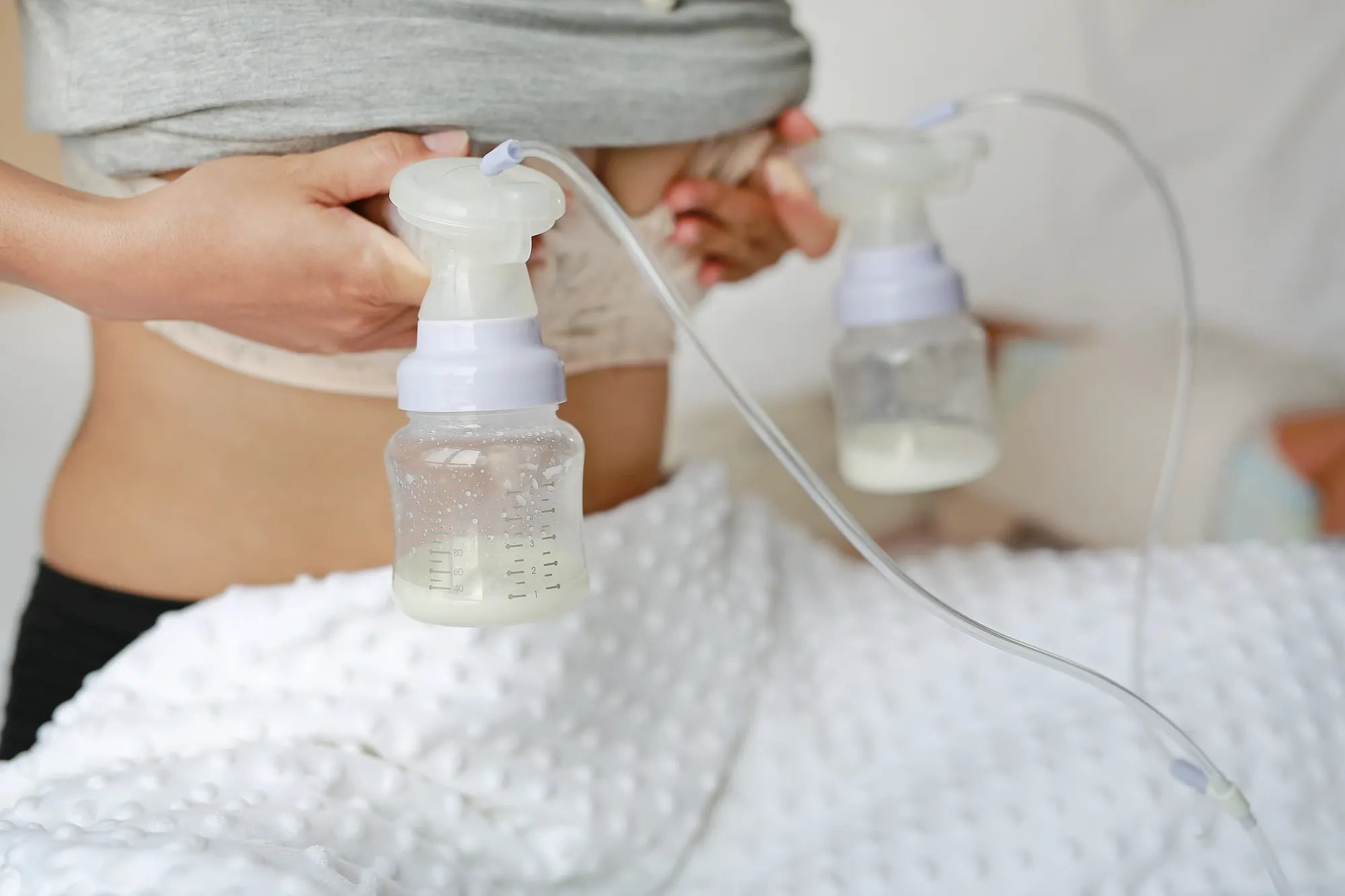
How and When to Start Pumping Breast Milk: Your Essential Guide
Introduction to Breast Milk Pumping
The decision to start pumping breast milk often comes with a mix of determination and questions. You want to provide your baby with all the benefits of breast milk while navigating the practicalities of modern life. This guide exists to transform that uncertainty into confidence.
We'll walk through the critical "when" and the practical "how" of how and when to start pumping breast milk. From establishing your first session to building a sustainable routine, this evidence-based resource combines lactation science with real-world mom wisdom. Our goal is to empower you with knowledge, helping you make informed choices that align with your body, your baby, and your lifestyle.
When to Start Pumping Breast Milk: Timing is Key
There is no single universal answer, as the ideal time to begin pumping depends heavily on your individual circumstances and goals. Starting too early without medical need can potentially lead to oversupply or nipple confusion, while starting too late for a specific goal can create unnecessary stress. The core principle is to protect your breastfeeding relationship and milk supply.
Most lactation consultants recommend waiting until breastfeeding is well-established before introducing regular pumping. This typically means your baby is latching well, feeding effectively, and you're both in a comfortable rhythm. However, specific timelines vary. Let's break down the most common scenarios to provide clear guidance on how and when to start pumping breast milk for your situation.
If Your Goal is to Build a Freezer Stash or Return to Work
For moms planning to return to work or simply wanting to create a backup supply, patience is beneficial. The general recommendation is to wait 3-4 weeks postpartum. This allows your milk supply to regulate based on your baby's natural demand, reducing the risk of creating an oversupply.
Begin with one pumping session per day, ideally in the morning when milk production is often highest. A great strategy is to pump for 10-15 minutes on one breast while your baby feeds on the other, or to pump about 30-60 minutes after a feeding. This approach adds a gentle stimulus without overtaxing your body as you learn how and when to start pumping breast milk for storage.
If You Need to Pump for Medical or Latching Reasons
In cases of prematurity, a baby in the NICU, significant latching difficulties, or medical conditions affecting the baby's ability to feed, pumping may need to begin within the first 6-12 hours after birth. This is a critical step to initiate and protect your milk supply.
Here, timing is guided by healthcare providers. You will likely follow a strict pumping schedule of 8-12 sessions every 24 hours, mimicking a newborn's feeding frequency. This early and frequent removal of colostrum and milk is the most powerful signal to your body to produce. A hospital-grade pump is often recommended in these initial stages.
If You Want to Introduce a Bottle (of Breast Milk)
To avoid bottle preference and ensure your baby will comfortably switch between breast and bottle, timing matters. The sweet spot is typically after breastfeeding is established (around 3-4 weeks) but before the 6-8 week mark, when babies become more aware of feeding methods.
Introduce the bottle occasionally, not daily, and have someone other than the breastfeeding parent offer it. This helps the baby associate the bottle with feeding, not with mom. Starting this process is a key part of learning how and when to start pumping breast milk for bottle-feeding flexibility.
How to Start Pumping: A Step-by-Step Beginner's Guide
Beginning to pump can feel technical, but breaking it down into manageable steps makes it approachable. The process revolves around preparation, proper technique, and creating a comfortable environment. Success hinges on consistency and responding to your body's signals.
Think of your first few sessions as practice runs. Output may be small, and that's completely normal. The goal is to learn the rhythm and feel of pumping. Let's walk through the essential steps to build a solid foundation for your how and when to start pumping breast milk journey.
Step 1: Gather Your Gear and Get Comfortable
Preparation reduces anxiety. You'll need your breast pump (ensure all parts are clean and assembled correctly), collection bottles or bags, a comfortable chair with back support, a glass of water, and perhaps a snack. Many moms find it helpful to have a photo or video of their baby, or an item of their clothing, nearby to stimulate oxytocin and encourage let-down.
Create a calm environment. Dim the lights, put on relaxing music, or use a few minutes for deep breathing before you begin. Your mental state directly impacts your physical let-down reflex. Comfort is not a luxury; it's a key component of effective milk expression.
Step 2: Mastering the Pumping Session
Proper flange fit is non-negotiable. The flange is the funnel that fits over your breast. Your nipple should move freely in the tunnel without rubbing the sides, and only a small amount of areola should be pulled in. An incorrect fit is a leading cause of pain, low output, and damage. Many brands, like MomMed, offer multiple flange size options to ensure a perfect, comfortable fit.
Start your pump on the lowest comfortable suction setting in "stimulation" or "let-down" mode (rapid, light suction). After milk begins to flow (usually 1-2 minutes), switch to "expression" mode (slower, deeper suction) and increase the suction only to a level that feels effective but not painful. Pump for about 15-20 minutes per breast, or for 2 minutes after the last drop of milk.
Step 3: Effective Milk Expression and Storage
Don't just sit passively. Use hands-on pumping techniques to increase yield. Gently massage your breasts before and during pumping, starting at the chest wall and moving toward the nipple. Apply gentle compression while pumping to help drain milk ducts more fully. Research shows this can increase milk output significantly.
For storage, label your milk with the date and time. Follow CDC guidelines: freshly expressed milk can be kept at room temperature (up to 77°F) for up to 4 hours, in the refrigerator for up to 4 days, and in a standard freezer for about 6 months (12 months in a deep freezer). Store milk in small quantities (2-4 oz) to avoid waste.
Choosing Your Pump: Finding the Right Fit for Your Lifestyle
The breast pump you choose can make a profound difference in your comfort, efficiency, and consistency. The market offers a range from heavy-duty hospital rentals to sleek wearable models. Your selection should be based on your primary use case, frequency of pumping, need for mobility, and budget.
Understanding the core differences between pump types allows you to invest wisely. A pump is a tool, and the right tool makes the job easier. This decision is a crucial part of planning how and when to start pumping breast milk successfully.
Hospital-Grade vs. Personal Use Pumps
Hospital-grade pumps are powerful, multi-user machines designed for establishing milk supply, often in medical situations like a NICU stay. They are typically rented, with a new, personal set of collection kits. They are not intended for long-term, daily personal use due to their size and power.
Personal use pumps are FDA-regulated as single-user devices. They are designed for daily, long-term use and come in various styles: double electric, single electric, and manual. Their motor is sealed for hygiene. For most moms building a stash or returning to work, a high-quality personal double electric pump is the recommended choice.
The Game-Changer: Wearable, Hands-Free Breast Pumps
Wearable pumps represent a significant innovation, offering discretion and mobility that traditional pumps cannot. These cordless, rechargeable devices fit inside your bra, allowing you to pump while working, caring for other children, or simply moving freely around your home.
Brands like MomMed have pioneered this space with models like the award-winning S21 Double Wearable Breast Pump. It features hospital-grade suction in a quiet, compact design made from BPA-free, food-grade silicone. The ability to pump without being tethered to an outlet or sitting in one spot can reduce stress and make maintaining a consistent schedule—the cornerstone of milk supply—much more achievable. This technology directly supports the practical realities of how and when to start pumping breast milk in a busy life.
Building and Maintaining Your Milk Supply with Pumping
Your milk supply operates on a simple principle: supply equals demand. Effective, frequent removal of milk tells your body to produce more. Pumping must mimic a baby's feeding pattern to send the right signals. Whether you're pumping exclusively or supplementing direct feeds, consistency is your most powerful tool.
Watching output can be anxiety-inducing, but it's important to remember that pump output is not always an accurate measure of what your baby gets at the breast. Babies are more efficient. Focus on patterns and your baby's growth rather than a single session's volume.
The Power of Consistency: Creating a Pumping Schedule
A schedule provides structure and ensures you're removing milk often enough. For exclusive pumping, you'll need to pump as often as a newborn eats: about 8-12 times in 24 hours, including at least once at night when prolactin levels are high. As your baby grows, you may gradually reduce sessions while maintaining total output.
For a mom returning to work who breastfeeds at home, a common schedule is to pump every 2-3 hours during the workday, roughly when the baby would normally feed. This might look like pumping at 9 AM, 12 PM, and 3 PM. Consistency in timing helps regulate supply. This structured approach is central to understanding how and when to start pumping breast milk for supply maintenance.
Signs of Effective Pumping and Troubleshooting Low Output
Signs you're pumping effectively include: hearing a rhythmic spray of milk (not just drops), feeling your breasts soften during the session, experiencing a tingling let-down sensation, and seeing milk flow that starts and stops in waves. You should feel pulling or tugging, but not sharp pain.
If output is consistently low, systematically troubleshoot: Check flange fit (the most common issue). Ensure all pump parts (especially valves and membranes) are intact and replaced regularly. Try hands-on pumping. Review your schedule for frequency. Consider stress, hydration, and nutrition. Sometimes, a different pump or setting makes a difference.
Comparing Pump Types: Key Features and Best Uses
Choosing equipment is easier with a clear comparison. The table below outlines the primary pump categories to help you match a pump to your primary goal as you navigate how and when to start pumping breast milk.
| Pump Type | Best For | Key Features | Considerations |
|---|---|---|---|
| Hospital-Grade (Rental) | Establishing supply post-birth, NICU babies, low milk supply issues | Maximum power and efficiency, multi-user motor, designed for frequent use | Not for long-term personal use, requires rental, less portable |
| Double Electric (Plug-in) | Primary pump for working moms, exclusive pumping, building a large stash | Efficient double pumping, consistent power, often covered by insurance | Requires outlet, less mobility, can be bulky |
| Wearable/Hands-Free (e.g., MomMed S21) | Moms on-the-go, multitasking, discreet pumping, supplementing feeds | Fits in bra, cordless, quiet, allows full mobility | Battery life, may have slightly less suction than top plug-in models, requires proper bra fit |
| Single Electric / Manual | Occasional use, relieving engorgement, as a backup pump | Portable, inexpensive, simple to use | Time-consuming for full sessions, less efficient for maintaining full supply |
Your Pumping FAQs Answered
Quick, evidence-based answers to common questions can provide reassurance and clarity as you master how and when to start pumping breast milk.
How soon after birth can I pump?
If your baby is breastfeeding well with no issues, wait 3-4 weeks. If there is a medical need (baby can't latch, is in NICU, low blood sugar), you may start pumping within hours of birth under medical guidance. The "when" is entirely goal-dependent.
How much milk should I expect to pump per session?
Early on, 0.5 to 2 ounces total per session is normal. As your supply regulates, a typical output for a session replacing a feed is 3-5 ounces total. Remember, output varies throughout the day and is typically highest in the morning.
Can I pump if I'm also breastfeeding directly?
Absolutely. This is called "combination feeding" and is very common. To add pumping without causing oversupply, add just 1-2 sessions per day, like after your first morning feed when milk volume is often highest.
How do I clean and maintain my MomMed pump?
After each use, disassemble all parts that touch milk. Rinse in cool water, then wash with warm, soapy water. Air-dry thoroughly on a clean towel. Sanitize daily by boiling for 5-10 minutes or using a steam bag. Check valves and duckbills monthly for wear and replace if stretched or torn to maintain optimal suction.
Will pumping cause me to have an oversupply?
Not if done strategically. Pumping in addition to feeding on demand tells your body to make more milk. If you pump consistently beyond what your baby needs, you can create an oversupply. To avoid this, add pumping sessions gradually and consider pumping just to comfort if you're full, not to fully empty.
Conclusion: Empowering Your Feeding Journey
Mastering the art of pumping is a powerful skill that extends your ability to nourish your baby with breast milk. It provides flexibility, involves partners in feeding, and offers peace of mind. The journey begins with understanding your own "why"—whether for medical necessity, returning to work, or simply having options—and then applying the principles of proper timing, consistent technique, and comfortable equipment.
Listen to your body and your baby above all else. Prioritize flange fit, hydration, and relaxation as much as suction settings. Choose tools that integrate into your life, not complicate it. Trusted brands like MomMed are dedicated to this mission, creating innovative, reliable products like wearable pumps that support, rather than hinder, your daily rhythm.
You have the knowledge to start confidently. You can navigate how and when to start pumping breast milk with purpose. Your feeding journey is unique, and with the right approach and support, pumping can become a seamless and empowering part of it. Shop the MomMed collection at mommed.com for all your breastfeeding and pregnancy needs, from their award-winning S21 wearable pump to essential nursing accessories, and find the gear that empowers your journey.