


Home
Pregnancy, Breastfeeding, and Pumping: The Ultimate Guide for Moms
Does the Dishwasher Sanitize Breast Pump Parts? A Comprehensive Guide for Safety-Conscious Parents
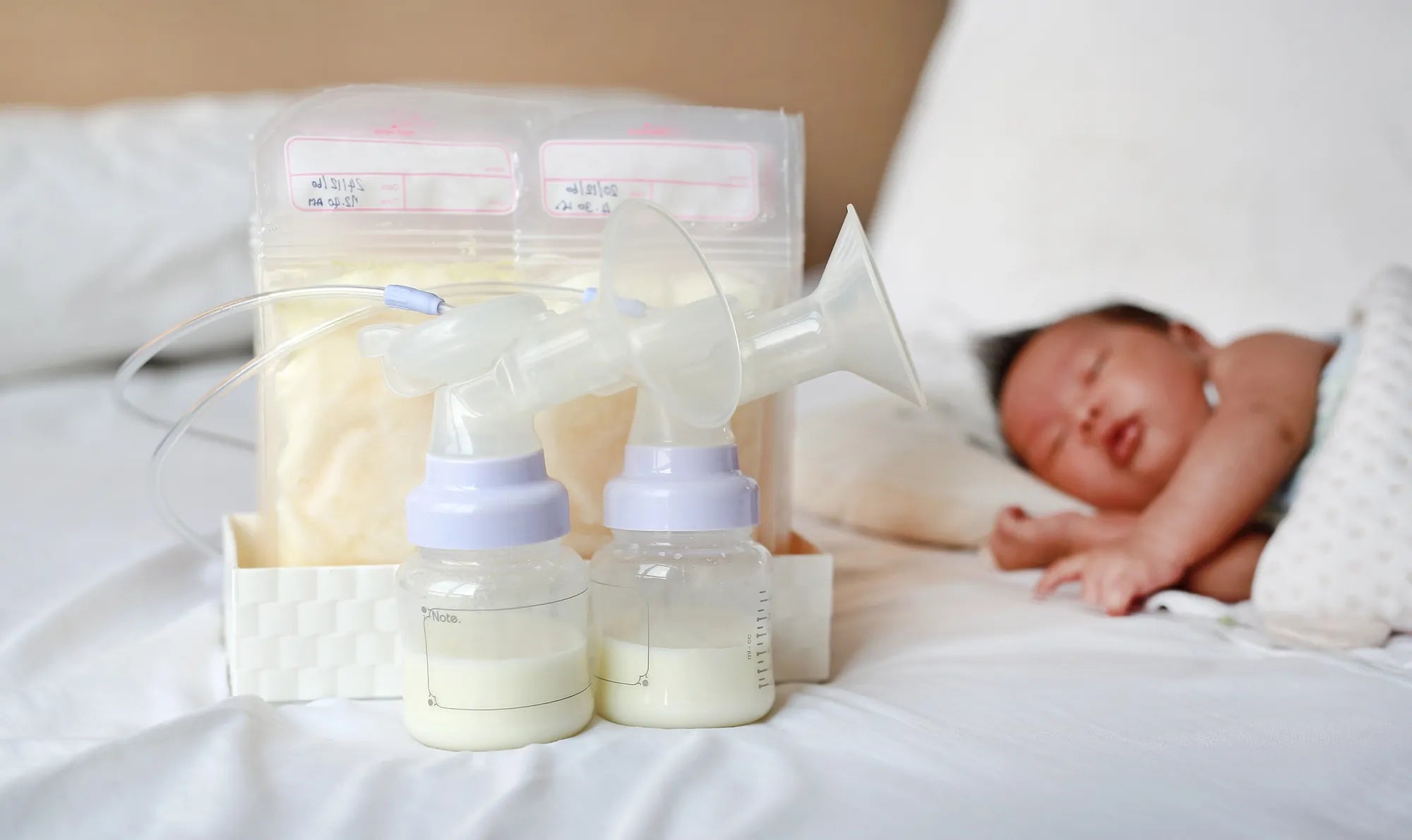
Does the Dishwasher Sanitize Breast Pump Parts? A Comprehensive Guide for Safety-Conscious Parents
For every parent who pumps, a paramount question governs the daily routine: Is my baby's milk safe? The cleanliness of breast pump parts is non-negotiable, directly impacting infant health. This leads many to wonder if the convenience of a dishwasher provides adequate sanitation. Does the dishwasher sanitize breast pump parts? This comprehensive guide cuts through the confusion with evidence-based analysis, reviewing official health guidelines and material science to give you a clear, actionable answer. We'll explore the risks, benefits, and definitive best practices to protect your little one, while highlighting how trusted brands like MomMed design products with your safety and practicality in mind.
Understanding the Critical Difference: Cleaning vs. Sanitizing vs. Sterilizing
Before evaluating the dishwasher, we must define our terms. These three levels of decontamination are not interchangeable, and confusing them can compromise safety.
Cleaning is the essential first step. It involves physically removing milk fat, proteins, and visible debris from pump parts using water, soap, and friction. Cleaning does not kill germs; it removes the organic matter that bacteria and viruses need to grow. Without proper cleaning, any subsequent sanitizing step is far less effective.
Sanitizing is the process of reducing germs on a surface to a level considered safe by public health standards. For breast pump parts, this typically means killing 99.9% of bacteria. This is the standard recommended by the Centers for Disease Control and Prevention (CDC) for daily or regular use, especially for healthy, full-term infants.
Sterilizing goes further, aiming to destroy all microorganisms, including bacterial spores. This is a hospital-grade process often required for medical equipment. For home use, sterilization may be recommended in specific cases, such as for infants under 2 months old, those born prematurely, or with compromised immune systems, but sanitizing is the standard for most.
Why Sanitizing is the Recommended Standard for Pumping
The CDC's guidelines for infant feeding during the first year explicitly state that sanitizing is a key step for extra protection. Breast milk, while containing antibodies, is also a perfect medium for bacterial growth if residue remains. Sanitizing after a thorough clean provides a critical safety net, ensuring that any lingering pathogens are eliminated before the next use.
The Dishwasher Debate: Convenience vs. Certified Safety
The dishwasher presents a tempting solution: high heat, powerful jets, and hands-off convenience. However, its suitability for breast pump parts is a complex issue with significant caveats.
On the pro side, a dishwasher's final rinse cycle often uses water heated to 150°F (65.5°C) or higher, which is sufficient to sanitize surfaces if maintained for a specific duration. The automated process can also ensure consistent water temperature and coverage that might be variable in a sink.
The cons, however, are substantial. Dishwasher detergents are formulated for plates and cookware, not for baby-feeding equipment. They can leave a chemical film or residue that is difficult to rinse completely from the intricate valves and membranes of a pump. Furthermore, the intense, prolonged heat and forceful water pressure can warp plastic flanges, degrade silicone seals, and crack backflow protectors, compromising both the pump's performance and its safety.
What the CDC Explicitly Says About Dishwashers and Breast Pump Parts
The CDC's guidelines are the gold standard for infant feeding safety. Their current recommendation is clear: "If using a dishwasher, place disassembled pump parts in a basket or closed-top bin during the cycle to avoid loss." Crucially, they note this is acceptable only if the parts are dishwasher-safe according to the manufacturer.
However, the CDC's primary and most emphasized method is manual washing: "Wash pump parts as soon as possible after use in a wash basin used only for washing infant feeding equipment. Use soap and warm water." They consistently follow this with instructions for sanitizing via boiling, steam, or a bleach solution. The dishwasher is presented as a conditional alternative, not the primary recommendation.
The Tangible Risks: Residue, Damage, and Voided Warranties
The risks of dishwasher use are real and multifaceted. Harsh detergent residues can mix with your expressed milk, potentially causing digestive upset for your baby. Rinse aids, designed to prevent spotting on glass, can coat silicone parts, altering their flexibility and possibly leaching into milk.
Heat damage is another major concern. The high temperatures in a dishwasher's drying cycle or sanitize setting can permanently warp flanges, affecting suction and comfort. Silicone membranes, like those used in MomMed pumps for their softness and durability, can become brittle and crack, leading to milk entering the tubing or motor—a hygiene and equipment failure. Most importantly, using a dishwasher against the manufacturer's instructions will void the warranty on your pump.
The Recommended Best Practice: A Step-by-Step, Evidence-Based Guide
Based on CDC guidelines and lactation consultant advice, the following routine offers the optimal balance of safety, effectiveness, and equipment preservation. This method is compatible with all quality pumps, including MomMed's wearable and electric models designed with fewer, easy-to-clean parts.
Step 1: The Immediate Post-Pump Rinse
As soon as possible after pumping, rinse all parts that contacted breast milk under cool or warm running water. This prevents milk from drying and hardening, making the full clean easier. Do not place parts in a sink; use a dedicated wash basin to avoid contamination from sink bacteria.
Step 2: Daily Cleaning with Hot, Soapy Water
Fill your clean basin with hot water and mild dish soap. Use a brush dedicated solely to pump parts to scrub every surface, channel, and crevice—pay special attention to valves, membranes, and the interior of bottles or collection cups. Rinse thoroughly under running water to remove all soap suds. Air-dry completely on a clean drying rack or paper towel; do not towel dry, as this can transfer germs.
Step 3: Regular Sanitizing for Maximum Safety
Sanitize at least once daily for infants under 2 months, premature, or immunocompromised. For older, healthy infants, sanitizing once per day or several times a week is sufficient. Choose one of these CDC-approved methods:
Boiling: Submerge disassembled parts in a rolling boil for 5 minutes. Ensure parts are heat-safe.
Steam: Use an electric countertop steam sterilizer or microwave steam bags. MomMed's BPA-free silicone and plastic parts are compatible with most steam systems.
Bleach Solution (for non-porous parts): Soak in a solution of 2 teaspoons of unscented bleach per gallon of cool water for 2 minutes, then air-dry thoroughly.
Comparing Sanitization Methods: Effectiveness, Convenience, and Cost
To help you choose the best method for your lifestyle, here is a comparative analysis of the most common sanitization techniques.
| Method | Effectiveness (Sanitization) | Convenience | Impact on Pump Parts | Approx. Cost |
|---|---|---|---|---|
| Handwash + Steam Bag | High (CDC-approved) | Very High (3-5 min in microwave) | Low risk; gentle steam | Low (bag reusable ~20x) |
| Handwash + Electric Sterilizer | Very High (CDC-approved) | High (automatic cycle) | Low risk; gentle steam | Medium (initial purchase) |
| Handwash + Boiling | Very High (CDC-approved) | Medium (requires monitoring) | Medium risk (heat warping) | Very Low |
| Dishwasher (Top Rack) | Variable (depends on model/cycle) | Very High | High risk (heat, detergent, jets) | Low |
| Dishwasher with "Sanitize" Cycle | Potentially High (if temp >150°F sustained) | Very High | Very High risk (extreme heat) | Low |
As the table illustrates, the combination of handwashing followed by steam sanitization offers the best balance: high, reliable effectiveness, excellent convenience, and minimal risk of damaging your pump investment.
Special Considerations for Wearable Breast Pumps
Wearable pumps, like the popular MomMed S21, introduce unique considerations. Their design integrates collection cups, valves, and sometimes tubing into a compact unit. Always consult your specific manual. Generally, the motor and battery components must never be submerged or washed. Only the collection cups, lids, valves, flanges, and diaphragms are cleanable.
The closed-system design of pumps like the MomMed S21 helps prevent milk backflow into tubing, but it makes a thorough clean of every milk-contact surface even more critical. Their food-grade, BPA-free silicone parts are typically safe for steam sterilization, which is often the most practical and safe method for these intricate components, preserving their integrity far better than a dishwasher's harsh environment.
Addressing Common Challenges: Low Supply, Engorgement, and Mastitis
Hygiene is interconnected with overall breast health. Improperly cleaned pump parts can introduce bacteria, contributing to issues like mastitis (a painful breast infection). Ensuring flawless sanitation is part of a holistic approach.
If you are dealing with low milk supply, the comfort and efficiency of your pump are key. Damaged or residue-coated valves from a dishwasher can drastically reduce suction, leading to ineffective milk removal, which signals your body to produce less. Maintaining pristine parts ensures optimal performance. For engorgement, effective milk removal is relief, and a fully functional, clean pump is your best tool.
Frequently Asked Questions (FAQ)
Q: Can I put my MomMed wearable pump parts in the dishwasher?
A: MomMed recommends against placing any breast pump parts in the dishwasher. The high heat and aggressive detergents can damage the silicone membranes, warp the flanges, and leave harmful residues. For the longevity and safety of your pump, follow the manual's instructions for handwashing and steam sanitizing.
Q: Is the hot water in my dishwasher enough to sanitize on its own?
A: Possibly, but unreliably. To sanitize, water must reach at least 150°F (65.5°C) and the parts must be exposed to that temperature for a sustained period. Many home dishwashers, especially on normal cycles, do not maintain this temperature long enough on all surfaces of intricate pump parts to guarantee sanitization.
Q: What about using the dishwasher's dedicated "sanitize" cycle?
A: While this cycle is designed to reach higher temperatures, it poses the greatest risk of heat damage to your pump parts. The extreme heat can melt, warp, or crack components. The sanitization may be effective, but the cost of potentially ruining your pump and the risk of chemical residue make it an inadvisable choice.
Q: How do I remove a dishwasher film or detergent residue from my parts?
A: If you suspect residue, wash the parts thoroughly by hand using hot, soapy water and a dedicated brush. Follow with a vinegar rinse (1 part white vinegar to 3 parts water), swish, and then rinse extremely well with clean water. Subsequently, adopt the handwash and steam sanitize method to prevent recurrence.
Q: I only have one set of parts; what's the quickest safe method between pumps?
A: The fastest safe protocol is the "quick clean" method: rinse immediately post-pump, wash with soap and hot water, rinse thoroughly, and then sanitize using a microwave steam bag (which takes about 3-5 minutes). This entire process can be completed in under 10 minutes, ensuring your parts are safe and ready for the next session.
Prioritizing Safety to Build Pumping Confidence
The evidence is clear: while a dishwasher may seem convenient, it is not the safest or most recommended primary method for sanitizing breast pump parts. The risks of chemical residue, part damage, and inconsistent sanitization outweigh the benefits. The gold-standard routine remains thorough handwashing with hot, soapy water followed by a dedicated sanitizing step—most reliably achieved through steam sterilization. This protocol protects your baby's health and preserves the performance and lifespan of your pump. By integrating these practices, you transform a chore into an act of profound care, ensuring every drop of milk your baby receives is pure and safe. Your commitment to safe pumping is the foundation of a healthy feeding journey.
Shop the MomMed collection at mommed.com for all your breastfeeding and pregnancy needs, including our award-winning S21 Wearable Breast Pump designed with easy-to-clean, durable parts to support your safe and confident pumping routine.