


Home
Pregnancy, Breastfeeding, and Pumping: The Ultimate Guide for Moms
Does Pumping Change the Shape of Your Breast? The Science Explained
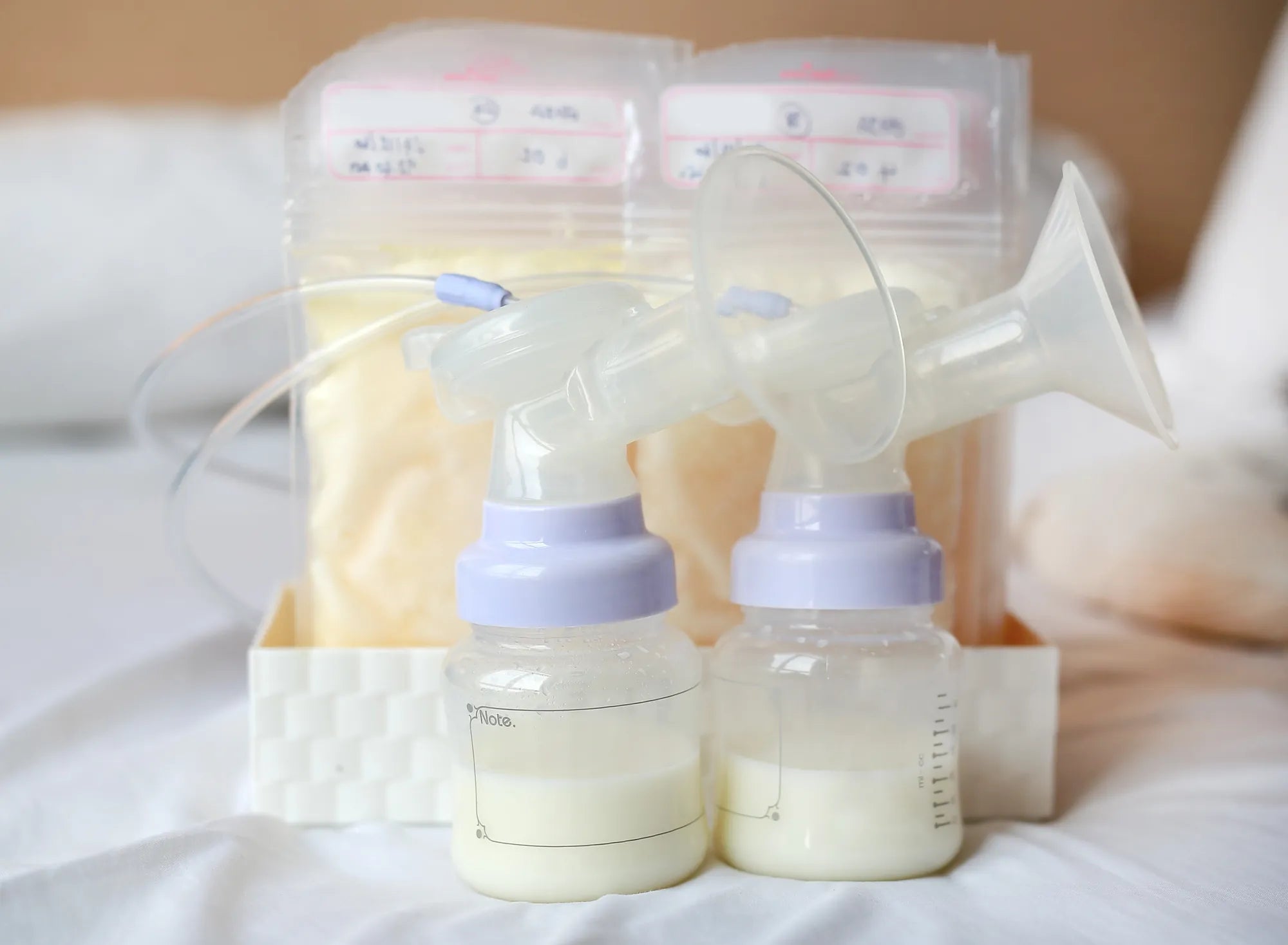
Does Pumping Change the Shape of Your Breast? The Science Explained
Introduction: Addressing a Common Concern
Many breastfeeding and pumping moms look in the mirror and wonder about the changes they see. The question, "Does pumping change the shape of your breast?" is a common and valid concern. It stems from a desire to understand how caring for your baby interacts with your own body's journey.
This article cuts through the myths with science and compassion. We will explore the intricate anatomy of the breast, the mechanical realities of pumping versus nursing, and the multitude of factors that truly influence postpartum breast appearance. Our goal is to replace anxiety with knowledge, so you can focus on nourishing your little one with confidence.
Understanding Breast Anatomy and the Lactation Transformation
To understand if pumping changes breast shape, we must first understand what the breast is made of and how it changes. The female breast is not a static organ; it's a dynamic system primarily composed of glandular tissue (milk-producing lobes and ducts), fatty tissue, and connective ligaments (Cooper's ligaments) that provide structural support.
Pregnancy initiates a dramatic transformation. Hormones like estrogen and progesterone cause the glandular tissue to proliferate significantly, often increasing breast size by one or more cup sizes. After birth, the hormone prolactin triggers milk production, filling the expanded ductal system.
This process of engorgement, milk production (lactogenesis), and eventual weaning subjects the breast's skin and supportive ligaments to significant stretching and changes in volume. It is this biological process of pregnancy and lactation itself, not merely the method of milk removal, that is the primary architect of change.
Pumping vs. Breastfeeding: Is There a Difference in Impact?
The core of the question lies here: does the mechanical action of a pump cause different physical effects than a nursing baby? Both a baby and a high-quality electric pump use suction and release (a cycle) to stimulate the milk ejection reflex (let-down) and remove milk.
A baby's latch and suckling is a complex, biological interaction that provides specific stimulation. A modern breast pump, however, is engineered to mimic this natural rhythm. The key difference is not in the fundamental outcome—milk removal—but in the consistency and control of the stimulus.
Research and lactation consultant consensus indicate that the act of lactation is the dominant factor influencing breast tissue. The method of milk removal—whether at the breast or via pump—does not show clinically significant differences in causing long-term changes to breast shape or ptosis (sagging). Effective emptying is crucial for comfort and supply, regardless of method.
How a High-Quality Pump Can Support Breast Health
Using a well-designed pump is not a detriment; it can be a tool for support. Pumps with customizable settings allow you to tailor the experience to your body's needs. For instance, initiating with a rapid, light stimulation mode mimics a baby's initial quick sucks to trigger let-down.
Switching to a slower, deeper expression mode with comfortable suction then effectively drains the breast. This controlled approach, a feature of pumps like the MomMed S21 Wearable, ensures efficient milk removal without excessive, harsh suction that could cause discomfort or edema. Proper use supports milk supply and helps manage engorgement, contributing to overall breast comfort during the lactation period.
The Real Factors That Influence Postpartum Breast Shape
Shifting focus from the pump to broader influences provides clarity. The shape of your breasts after having a baby is a tapestry woven from several threads, most of which are unrelated to your feeding choice.
Genetics: Your genetic blueprint is the most powerful determinant. It influences your skin's natural elasticity, the density of your Cooper's ligaments, and your baseline breast composition (more glandular vs. more fatty tissue).
Age: Collagen and elastin production naturally decreases with age. A woman having her first baby at 20 will likely have skin with more rebound than a woman having her first baby at 40, regardless of feeding method.
Number of Pregnancies: Each pregnancy subjects the breast's structural supports to a cycle of expansion and contraction. Multiple pregnancies often correlate with more cumulative change.
Weight Fluctuations: Significant weight gain or loss, during or after pregnancy, dramatically affects breast size as fat cells expand and shrink, further stretching skin.
Smoking: Nicotine breaks down collagen and impairs blood flow, severely compromising skin elasticity and healing.
| Factor | Influence on Breast Shape | Relation to Pumping |
|---|---|---|
| Genetics & Age | Primary determinant of skin elasticity and ligament strength. | None |
| Number of Pregnancies | More pregnancies = more cycles of tissue expansion/retraction. | Indirect; more likely to pump over multiple children. |
| Weight Fluctuations | Major impact on breast volume and skin stretching. | None |
| Smoking | Significantly degrades skin collagen and elasticity. | None |
| Lactation Process | Causes temporary engorgement and stretching; process is the same for nursing/pumping. | Central, but not unique to pumping. |
Practical Tips to Support Your Breasts During Your Pumping Journey
While you can't control genetics, you can adopt practices that support your body's structures during this demanding time. Think of this as holistic care for your breastfeeding self.
1. Wear a Supportive Bra, Day and Night
This is non-negotiable. A properly fitted nursing or pumping bra provides essential support to the Cooper's ligaments, which are under stress from the weight of milk. Avoid underwires that can press on ducts and lead to clogged ducts or mastitis. Look for soft, structured bras with good lateral support.
2. Maintain a Stable, Nourishing Diet
Focus on a balanced diet rich in protein, healthy fats, and vitamins to support skin health and overall recovery. Gradual weight loss, if desired, is preferable to rapid loss, which can leave skin looking deflated. Stay hydrated; skin elasticity suffers when you're dehydrated.
3. Incorporate Gentle Chest and Posture Exercises
Strengthening the underlying pectoral muscles won't change breast tissue, but it can provide a subtle lifting effect and improve posture. Simple exercises like wall presses, modified push-ups, and rows can help. Always consult your healthcare provider before starting a postpartum exercise routine.
4. Prioritize Skin Hydration
Keeping the skin on your chest moisturized can support its elasticity. Gentle massage with a safe, natural oil like coconut or almond oil can also promote circulation. This is a act of self-care, not a guarantee against change.
Debunking Common Myths About Pumping and Breasts
Myth 1: "Pumping causes more sagging than direct breastfeeding." There is no scientific evidence to support this. The sagging (ptosis) associated with motherhood is linked to the hormonal and physical changes of pregnancy, pre-pregnancy breast size, and the factors listed above.
Myth 2: "Wearable pumps are less effective and lead to more breast changes." Efficacy depends on pump quality and fit. A hospital-grade wearable pump like the MomMed S21 is engineered for effective milk removal. Ineffective emptying from any pump can lead to engorgement, which is uncomfortable, but not a direct cause of permanent shape change.
Myth 3: "Stronger suction means better pumping and worse for your shape." False. Pumping should never be painful. Using suction stronger than needed can cause tissue trauma, edema, and pain. It does not remove more milk and is not linked to long-term shape—only to short-term injury.
Frequently Asked Questions (FAQ)
Does pumping make your breasts sag more than breastfeeding?
No. Comprehensive studies indicate that the number of pregnancies, age, genetics, and significant weight fluctuation are the key factors associated with breast ptosis. The lactation process itself causes changes, but the method of milk removal (baby at breast or pump) does not show a statistically significant difference in long-term sagging.
Can a breast pump damage breast tissue?
Not when used correctly. Damage typically arises from using incorrectly sized flanges (which should fit the nipple, not the areola) or excessively high, painful suction settings. Using a pump with adjustable, comfortable settings and ensuring a proper flange fit—resources for which are provided by brands like MomMed—protects your tissue and ensures efficient, safe milk expression.
Do wearable pumps like MomMed's cause more shape changes?
No. A well-engineered wearable pump is designed for efficiency and comfort. The award-winning MomMed S21 Wearable Pump, for example, uses a hospital-grade motor system to ensure effective milk removal. The defining factor is how well the breast is emptied, not whether the pump is worn in a bra or sits on a table. Effective emptying supports supply and comfort.
Will my breasts go back to their pre-pregnancy shape after I stop pumping?
It's important to set realistic expectations. After weaning, breasts will undergo involution, where milk-producing tissue shrinks. They may return close to their pre-pregnancy size, but the shape and skin elasticity often undergo a permanent change. Many women find their breasts are softer and less dense. This is a normal part of the body's journey through motherhood.
How can I minimize changes while I'm pumping?
Focus on the supportive practices outlined: consistent wear of a supportive bra, maintaining stable weight through good nutrition, staying hydrated, and moisturizing your skin. Most importantly, use a quality pump correctly to maintain comfort and milk supply, reducing the cycles of severe engorgement.
Conclusion: Embracing Your Body's Story with Confidence
The evidence is clear: pumping does not uniquely change the shape of your breast. The narrative of your body's transformation is written by genetics, pregnancy, and time. The pump is simply a tool—one that provides freedom, supports feeding goals, and allows you to nourish your baby.
Your body has accomplished an incredible feat. Choosing to pump is a valid and powerful part of your feeding journey. By focusing on supportive care and using reliable, comfortable tools, you can navigate this period with greater ease and less worry. Trust in your strength and the science that shows your choices are not working against you.
Shop the MomMed collection at mommed.com for all your breastfeeding and pregnancy needs, from our innovative wearable pumps to comfortable nursing bras and essential baby care items, designed to support you every step of the way.