


Home
Pregnancy, Breastfeeding, and Pumping: The Ultimate Guide for Moms
Does Alcohol Stay in Breast Milk After Pumping: What You Need to Know
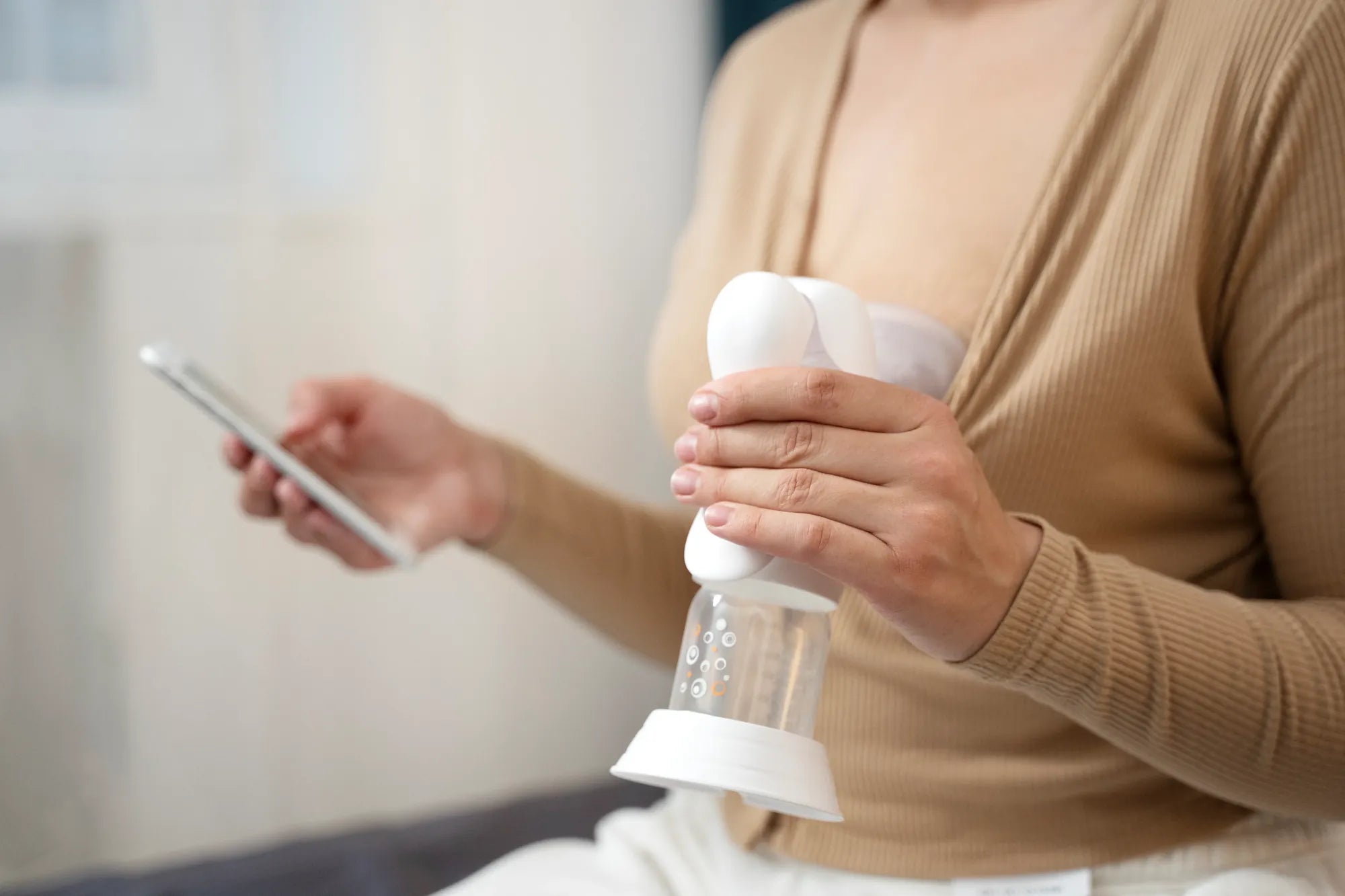
Does Alcohol Stay in Breast Milk After Pumping: What You Need to Know
Introduction: Navigating Alcohol and Breastfeeding with Confidence
For breastfeeding mothers, the question of whether alcohol stays in breast milk after pumping is a common source of anxiety and confusion. The desire for normalcy, including an occasional drink, often clashes with the paramount priority of a baby's safety. This article cuts through the myths with clear, science-backed information. You will learn exactly how alcohol metabolizes in your body and milk, why the common "pump and dump" practice is largely unnecessary, and how to plan effectively using modern tools like wearable breast pumps. Our goal is to empower you with knowledge, replacing fear with practical strategies for making informed choices that work for you and your baby.
The Science of Alcohol Transfer: How It Enters and Leaves Breast Milk
Alcohol passes freely from your bloodstream into your breast milk. The concentration in your milk is nearly identical to the concentration in your blood, known as your Blood Alcohol Concentration (BAC). There is no barrier or filter; it's a simple matter of equilibrium. When you consume a drink, alcohol enters your stomach and intestines, is absorbed into your bloodstream, and then diffuses into your milk supply.
Crucially, alcohol does not get "trapped" or stored in breast milk. As your liver metabolizes the alcohol and your BAC begins to drop, the alcohol level in your milk decreases at a parallel rate. The alcohol clears from your milk as it clears from your blood. A helpful analogy used by many lactation consultants is: "If you're sober enough to drive, you're sober enough to breastfeed." This underscores the principle that alcohol in milk is a temporary, time-limited issue tied directly to your own sobriety.
The rate of metabolism is relatively constant for most adults, averaging about 0.015 grams per deciliter per hour (one standard drink raises BAC by about 0.02). However, this rate can vary based on body weight, metabolism, food intake, and the type of alcohol consumed. A heavier person may metabolize a drink slightly faster than a lighter person, and drinking on a full stomach slows absorption, leading to a lower peak BAC.
Debunking the Myth: Why "Pump and Dump" Is Not the Answer
The pervasive "pump and dump" myth—the idea that you can pump milk immediately after drinking to remove the alcohol-laden milk and speed up the process—is biologically incorrect. Pumping and discarding milk does not accelerate the removal of alcohol from your bloodstream. Since alcohol is in equilibrium between your blood and milk, pumping only removes the milk that contains alcohol at that moment.
New milk produced after you pump will still contain alcohol if alcohol remains in your bloodstream. The only factor that lowers the alcohol concentration in your milk is time, allowing your liver to do its job. Therefore, pumping and dumping is only useful for comfort (to relieve engorgement while you wait for the alcohol to clear) or to maintain your milk supply on schedule. It is not a method to "purify" your milk faster.
Wasting precious breast milk can be emotionally and physically draining for mothers. Understanding this science can alleviate the guilt associated with either discarding milk unnecessarily or feeling you must abstain completely. The focus should shift from an emergency reaction (dumping) to proactive planning (timing).
The Critical Factor: Timing Your Consumption and Feeding
Since time is the essential element, planning becomes your most powerful tool. A standard guideline is to wait approximately 2 to 3 hours after a single standard drink before nursing or feeding expressed milk to your baby. A "standard drink" is defined as 12 ounces of 5% beer, 5 ounces of 12% wine, or 1.5 ounces of 40% (80-proof) liquor.
For multiple drinks, the waiting time adds up. A common calculation is to add 2 hours for each additional drink. However, this is a rough estimate. Individual metabolism varies, and the safest approach is to use a personal breathalyzer for absolute certainty or to err on the side of caution by waiting longer.
It is also vital to consider the timing of your baby's feeds. Many mothers find it easiest to have a drink immediately after a nursing or pumping session. This maximizes the time before the next feed. For example, if you nurse your baby at 7 PM and they typically go 3-4 hours before the next feed, having a drink at 7:30 PM gives your body ample time to metabolize the alcohol before the midnight feed.
This strategy aligns perfectly with using expressed milk. You can feed your baby at 7 PM, pump right after to stimulate supply and store milk, then enjoy your drink knowing you have a bottle of "alcohol-free" milk ready for the next time your baby is hungry.
Strategic Pumping with Wearable Pumps: The MomMed S21 Advantage
Modern wearable breast pumps transform planning from a chore into a seamless part of your routine. A pump like the award-winning MomMed S21 Double Wearable Breast Pump offers the discretion and mobility to maintain your milk supply effortlessly, which is central to managing alcohol consumption.
The key strategy is to pump before you plan to consume any alcohol. This serves two purposes: it provides a safe bottle for your baby's next feeding, and it empties your breasts, signaling your body to produce more milk. Since the S21 is ultra-quiet, cordless, and fits inside your bra, you can do this pump session discreetly while preparing dinner or relaxing, without disrupting your evening.
Wearable pumps also help manage engorgement during the waiting period. If you feel uncomfortable while waiting for the alcohol to clear, you can use your MomMed pump to express milk for comfort (which you would then discard or save for topical use, per guidelines below). This helps prevent plugged ducts or mastitis while adhering to the safety timeline. The BPA-free, food-grade silicone components ensure everything touching your milk is safe for your baby.
This proactive approach—using technology for convenience and planning—empowers you to feel in control. You are not reacting to a problem; you are strategically managing your feeding schedule.
Alcohol, Milk Supply, and Baby's Health: What the Research Says
Beyond immediate transfer, it's important to understand the broader effects. Contrary to old wives' tales, alcohol does not improve milk let-down or help babies sleep. Research indicates it can actually inhibit the milk ejection reflex and may slightly reduce milk production. For the baby, alcohol in milk can lead to shorter sleep periods (more frequent waking), reduced milk intake by up to 20%, and potential disruptions in early motor development with chronic, heavy exposure.
The table below summarizes key evidence-based findings:
| Factor | Effect of Alcohol | Evidence & Notes |
|---|---|---|
| Milk Ejection | Inhibits let-down reflex | Studies show decreased oxytocin response, potentially making pumping or nursing less efficient. |
| Milk Intake | Reduced by baby | Infants may consume ~20% less milk in the 3-4 hours after maternal alcohol consumption. |
| Baby's Sleep | Disrupts patterns | While sedation may occur initially, sleep is more fragmented and shorter overall. |
| Milk Production | Possible decrease | Not a reliable galactagogue; chronic use may impact prolactin signaling. |
| Metabolism Rate | ~0.015 g/dL per hour | Average clearance rate; a standard drink typically requires 2-3 hours to clear. |
These findings reinforce the principle of moderation and planning. Occasional, limited consumption timed wisely poses minimal risk, but habitual or heavy drinking is not compatible with safe breastfeeding.
Practical Guidelines and Safety Tips for Nursing Mothers
1. Feed or Pump First: Always nurse your baby or pump milk to store before you have a drink. This is your number one rule.
2. Know Your Drink: Stick to a single standard drink and measure pours. Avoid large cocktails or heavy craft beers with unknown alcohol content.
3. Eat Food: Consume alcohol with a meal or substantial snacks to slow absorption and lower your peak BAC.
4. Have a Safe Stash: Maintain a small supply of milk expressed during completely sober periods in reliable storage bags or bottles.
5. Consider Non-Alcoholic Options: The market for sophisticated non-alcoholic beers, wines, and spirits has exploded, offering celebration without concern.
6. When in Doubt, Wait it Out: If you feel any effects (buzzed, tipsy), you are not sober enough to feed. Wait longer.
For milk pumped during the alcohol clearance period, you have options beyond dumping. Some mothers label it "For Bath Milk" as some believe adding a small amount of breast milk to a baby's bath can be good for skin. The most important thing is not to feed it to your baby until you are certain the alcohol has cleared from your system.
Frequently Asked Questions (FAQs)
1. Can I just pump right after a drink to get rid of the alcohol in my milk?
No. Pumping removes the milk present at that moment, but as long as alcohol remains in your bloodstream, new milk you produce will continue to contain alcohol. It does not speed up your metabolism. Time is the only solution.
2. How long should I wait after 2 glasses of wine?
As a general rule, wait 2-3 hours for the first glass and add 1-2 hours for the second. For 2 standard glasses of wine, a waiting period of 4-5 hours is a prudent estimate. Your body weight and food intake will affect this.
3. Does alcohol-free beer or wine contain any alcohol?
"Alcohol-free" and "non-alcoholic" beverages can contain trace amounts, usually up to 0.5% ABV. This is negligible and unlikely to affect breast milk. However, "dealcoholized" products are a safer choice than "low-alcohol" ones if you are extremely cautious.
4. What if my baby needs to eat before the waiting time is up?
This is why planning is essential. If you don't have previously expressed safe milk on hand, you may need to use donor milk or formula for that one feeding. This is a safe alternative and does not harm your breastfeeding journey.
5. Can I mix milk pumped at different times to "dilute" the alcohol?
This is not recommended. Mixing milk with alcohol and alcohol-free milk does not eliminate the alcohol; it simply distributes it throughout a larger volume. The total alcohol content is still present. It's safer to label and separate milk pumped during the alcohol clearance window.
6. Does alcohol affect the quality or nutrients in my breast milk?
Alcohol does not change the fundamental nutritional composition of proteins, fats, and carbohydrates. However, as noted, it can reduce the volume a baby takes and may impact vitamin absorption. The primary risk is from the alcohol itself, not nutrient degradation.
Conclusion: Empowering Your Journey with Knowledge and Support
Navigating alcohol while breastfeeding hinges on understanding a simple biological process: alcohol enters and exits your milk in sync with your blood. The power lies in planning, not in panic-driven practices like pumping and dumping. By timing your drinks, leveraging the convenience of wearable pumps like the MomMed S21 to build a safe milk stash, and adhering to evidence-based guidelines, you can make choices that balance your well-being with your baby's safety. MomMed is committed to supporting this journey with innovative, comfortable, and reliable products designed for real life. Trust your knowledge, plan ahead, and feed with confidence.
Shop the MomMed collection at mommed.com for wearable breast pumps, milk storage bags, and all your breastfeeding and pregnancy needs.