


Home
Pregnancy, Breastfeeding, and Pumping: The Ultimate Guide for Moms
Do You Lose Weight Breast Pumping? The Evidence-Based Connection
Do You Lose Weight Breast Pumping? The Evidence-Based Connection
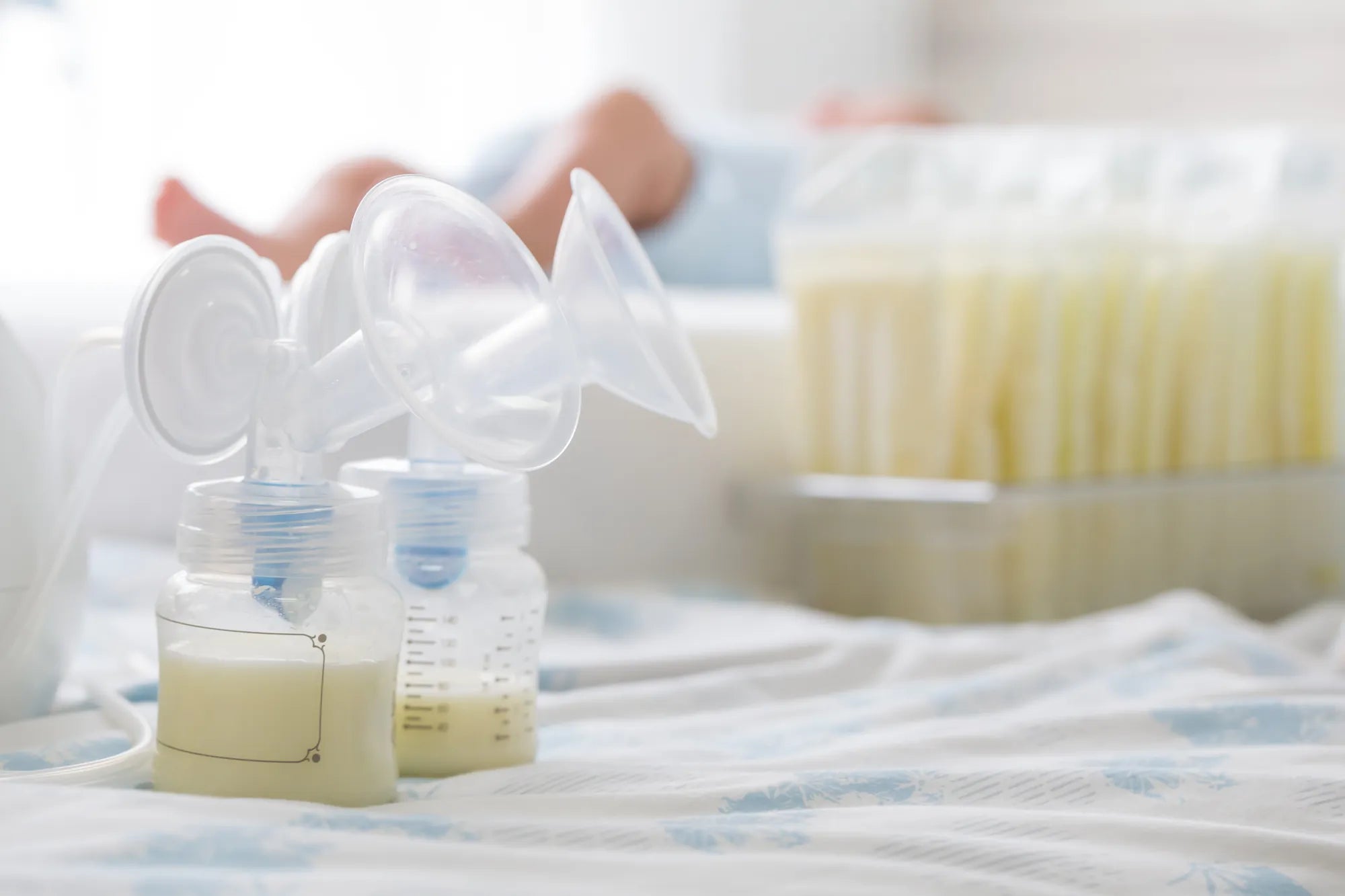
You've just had a baby, and amidst the joy and exhaustion, you're wondering about your body. A common question surfaces: Do you lose weight breast pumping? Many new mothers hear that "breastfeeding melts the baby weight away," but what about when you're using a pump? This article dives deep into the evidence-based connection between expressing milk and postpartum weight loss. We'll explore the physiological mechanisms, compare pumping to nursing, address the critical factors at play, and provide actionable, supportive strategies to help you navigate this journey with realistic expectations and self-compassion.
The Science Behind Lactation and Postpartum Weight Loss
The relationship between lactation and weight loss is rooted in human biology. When you produce milk, your body is performing significant metabolic work. This process is governed by a complex interplay of hormones that influence both milk synthesis and your body's use of energy stores.
From an evolutionary standpoint, the fat accumulated during pregnancy serves as an energy reserve for lactation. Your body is designed to tap into these reserves to help fuel milk production, especially in the early months when a newborn's feeding demands are high and frequent. This biological setup suggests a natural pathway for weight reduction, though its pace and extent vary dramatically from person to person.
It's crucial to understand that postpartum weight loss is not linear. The initial rapid loss of fluid and the baby's weight, placenta, and amniotic fluid is followed by a slower, more gradual process. Lactation can influence this second phase, but it is just one of many factors in a holistic picture that includes diet, activity, sleep, and genetics.
How Milk Production Burns Calories
Producing breast milk is energetically expensive. Think of your mammary glands as a 24/7 metabolic factory. To synthesize an ounce of milk, your body must pull nutrients from your bloodstream and mobilize resources.
Research consistently estimates that lactation requires an additional 300 to 500 calories per day above your pre-pregnancy maintenance needs. This range accounts for the volume of milk produced, which typically averages 25 to 35 ounces per day for an exclusively feeding mother. This caloric burn is comparable to a moderate-intensity workout, but it's happening around the clock.
It's important to note that these are net calories. If you consume significantly more than you expend, weight loss will stall. Conversely, consuming too few calories can jeopardize your milk supply and energy levels. The key is adequate, nutrient-dense nourishment to support both you and your baby.
The Hormonal Influence: Prolactin, Oxytocin, and Metabolism
Hormones are the conductors of the postpartum symphony. Prolactin, the primary milk-making hormone, does more than stimulate milk production. It can influence metabolism and may promote the utilization of fat stores for energy. However, prolactin can also increase appetite, which is your body's smart way of ensuring you take in enough calories to meet the new demand.
Oxytocin, the "love hormone" released during milk ejection (let-down), causes the uterus to contract. These contractions help the uterus return to its pre-pregnancy size more quickly, which can reduce abdominal girth, though it may not directly translate to scale weight loss.
Other hormones, like cortisol (the stress hormone), play a counter-role. High stress and poor sleep can elevate cortisol, which is associated with increased abdominal fat retention and can potentially interfere with milk ejection. This highlights why managing stress is a critical, though often overlooked, component of postpartum wellness.
Breast Pumping vs. Direct Nursing for Weight Loss
Is there a difference in weight loss potential between exclusively pumping and directly nursing at the breast? The core metabolic process—creating breast milk—is the same. Your body expends the same estimated calories to produce an ounce of milk, regardless of how that milk is removed.
The primary factors that could create a difference are related to the efficiency and consistency of milk removal. Effective, regular removal signals your body to continue production. A pump that empties the breasts well and a consistent pumping schedule should, in theory, maintain the same caloric demand as nursing.
However, practical differences exist. Pumping mothers have more control over scheduling, which can help maintain routine even after returning to work, potentially supporting consistent milk production longer. On the flip side, some mothers may find it harder to achieve a full let-down or complete emptying with a pump compared to a baby, which could theoretically impact supply signaling over time.
The convenience of modern pumps can also play a role. A hands-free, wearable pump allows a mother to move, tend to other children, or even do light chores during a session. This can reduce the perceived burden of pumping, lower stress, and help integrate the caloric burn of milk production seamlessly into a busy day.
| Factor | Direct Nursing | Exclusive Pumping |
|---|---|---|
| Caloric Expenditure for Milk Production | ~300-500 extra calories/day | ~300-500 extra calories/day |
| Hormonal Release (Oxytocin/Prolactin) | Triggered by baby's suckling | Triggered by pump suction; can vary by individual comfort |
| Schedule Control | Baby-led, often unpredictable | Mother-led, can be more structured |
| Potential for Consistent Milk Removal | High with good latch | Depends on pump quality, flange fit, and technique |
| Impact on Daily Activity During Feeding | Typically requires sitting/lying down | Hands-free options allow for mobility (e.g., with a wearable pump) |
Key Factors That Influence Postpartum Weight Loss
While breast pumping creates a caloric deficit, it is not a magic bullet. Your postpartum weight loss journey is influenced by a constellation of factors. Understanding these can help you set realistic goals and be kinder to yourself.
Genetics and Pre-Pregnancy Metabolism: Your baseline metabolism and genetic predisposition play a significant role. Some women's bodies hold onto fat stores more tenaciously during lactation, possibly as an evolutionary safeguard against famine.
Diet Quality and Quantity: "Eating for two" is a myth during lactation; you are eating to fuel milk production. The quality of calories matters immensely. Nutrient-dense foods support recovery and milk quality, while empty calories can hinder progress.
Sleep Deprivation: This is a major hurdle for new parents. Lack of sleep disrupts hormones like leptin and ghrelin that regulate hunger and satiety, often leading to increased cravings for high-carb, high-fat foods. It also raises cortisol levels.
Stress and Mental Health: Postpartum anxiety, depression, or simply the high stress of new motherhood can significantly impact weight. Cortisol promotes fat storage, particularly around the abdomen.
Physical Activity Level: Once cleared by your healthcare provider, gentle movement supports overall health, mood, and metabolism. However, intense exercise too soon can sometimes temporarily affect milk supply for some women.
Practical Strategies to Support Your Body While Pumping
Focusing on holistic wellness, rather than just the number on the scale, creates a sustainable and healthy approach. Here are evidence-based strategies that align with the needs of a pumping mother.
Nourishing Nutrition for Lactation and Energy
Instead of counting calories obsessively, focus on food quality. Aim for a balanced plate with lean proteins (chicken, fish, beans, lentils), complex carbohydrates (oats, quinoa, sweet potatoes), healthy fats (avocado, nuts, olive oil), and a rainbow of fruits and vegetables.
Hydration is non-negotiable. Milk production is fluid-dependent. Keep a large water bottle with you at your pumping station. Incorporate soups, broths, and water-rich fruits like melon and berries.
Prepare easy, grab-and-go snacks to combat ravenous hunger. Think Greek yogurt with berries, apple slices with nut butter, hard-boiled eggs, or a handful of trail mix. These prevent reaching for less nutritious options when you're tired and busy.
Incorporating Safe and Realistic Movement
Start with walking. A daily stroller walk is excellent for you and baby, boosts mood, and counts as light cardio. Focus on pelvic floor and deep core rehabilitation exercises (like gentle diaphragmatic breathing and pelvic tilts) before jumping into high-impact workouts.
Wear a supportive bra, especially during exercise and pumping. The convenience of a wearable pump like the MomMed S21 Double Wearable Breast Pump means you can potentially engage in very gentle movement or stretching while pumping, maximizing time efficiency without being tethered to a wall.
Listen to your body. If you feel pain, excessive fatigue, or notice a dip in supply, scale back. The goal is supportive movement, not intense training, in the early postpartum months.
Prioritizing Rest and Managing Stress
"Sleep when the baby sleeps" is classic advice for a reason. Even 20-minute power naps can help regulate cortisol. Enlist help from your partner, family, or friends to cover a pumping session or baby care so you can rest.
Incorporate micro-moments of stress relief. Practice deep, diaphragmatic breathing for two minutes during a pumping session. Try a short meditation using a phone app. The act of pumping itself can be framed as a forced moment of stillness—use it to breathe and be present.
Lower your expectations. The pressure to "bounce back" is immense and counterproductive. Celebrate what your body is doing: creating life-sustaining nourishment for your child.
MomMed: Designed for Your Pumping and Wellness Journey
At MomMed, we understand that the right tools can transform an experience. Our mission is to support mothers with innovative, reliable, and comfortable products that integrate seamlessly into the demanding reality of new motherhood, indirectly supporting your overall wellness goals.
Our award-winning S21 Double Wearable Breast Pump exemplifies this philosophy. Its completely cordless, discreet design grants true hands-free freedom. This means you can pump while preparing a healthy meal, playing with an older child, or simply relaxing with your feet up—reducing the stress and time pressure often associated with pumping.
Comfort is directly tied to efficiency and consistency. Pain or discomfort can inhibit let-down and lead to incomplete emptying. MomMed pumps feature multiple, adjustable suction modes and levels, allowing you to find the most comfortable yet effective setting for you. Effective milk removal is the key to maintaining a healthy milk supply and, by extension, the ongoing caloric expenditure of lactation.
Every component that touches your skin or milk, from the flanges to the milk collection cups, is made from BPA-free, food-grade silicone, ensuring the highest standard of safety for you and your baby. When you feel supported and confident in your gear, you're more likely to maintain a consistent pumping routine, which is foundational for both milk supply and the metabolic benefits of lactation.
Frequently Asked Questions (FAQ)
Will I lose weight faster if I pump more often?
Not necessarily. Pumping frequency should be guided by the goal of maintaining your milk supply, not weight loss. Pumping more often than needed to meet your baby's demands ("over-pumping") can lead to an oversupply, which comes with its own set of challenges like engorgement and mastitis. Stick to a schedule that mimics your baby's feeding patterns or empties your breasts regularly (typically 8-12 times in 24 hours for a newborn). The caloric burn is tied to milk volume produced, not the number of sessions alone.
Is it normal not to lose weight while breastfeeding or pumping?
Yes, it is completely normal. Many women experience a weight loss plateau, especially in the first 3-6 months. Your body may be holding onto reserves as a protective mechanism to ensure a steady energy supply for milk production. Hormonal shifts, sleep deprivation, and dietary adjustments all contribute. Be patient and focus on health metrics beyond the scale, like energy levels and how your clothes fit.
When can I expect to see weight loss from pumping?
Patterns vary widely. Some women see gradual loss starting around 6-8 weeks postpartum as hormones stabilize and routines establish. For others, significant loss doesn't occur until they begin to wean or night wean, when the caloric demand of milk production decreases. The most rapid loss is often in the first two months (largely fluid), followed by a slower, more variable pace.
Could pumping be causing me to hold onto weight?
Pumping itself is not causing weight retention. However, the hormonal state of lactation, specifically elevated prolactin, can influence how and where your body stores fat for some individuals. Additionally, the increased appetite it triggers can lead to consuming more calories than you burn if not mindful. It's a complex system where your body prioritizes milk production, sometimes at the expense of immediate weight loss.
Should I follow a specific diet while pumping to lose weight?
Avoid drastic diets or severe calorie restriction, as this can rapidly diminish your milk supply. Instead, adopt a balanced, whole-foods approach. A safe guideline is to consume at least 1,800-2,200 nutritious calories per day, depending on your body size and activity level. Consulting a registered dietitian specializing in postpartum nutrition can provide a personalized, safe plan that supports both your weight goals and your milk supply.
Embracing Your Postpartum Journey with Realistic Expectations
The evidence shows that breast pumping can indeed support postpartum weight loss as part of a natural biological process. It creates a consistent caloric demand, akin to a hidden workout happening within. However, it is not a guaranteed, linear, or rapid solution. The scale is influenced by a tapestry of factors including genetics, diet, sleep, stress, and hormones.
The most sustainable approach is to shift the focus from weight loss to overall wellness and nourishment. View pumping as one component of a holistic routine that includes eating nutrient-rich foods, staying hydrated, finding moments for gentle movement and rest, and managing stress. The right tools, like comfortable and efficient pumps, can reduce the friction in this routine, making it easier to maintain.
Your body has accomplished an incredible feat. Whether the weight comes off quickly, slowly, or waits until after weaning, practice kindness and patience with yourself. The act of providing breast milk for your baby—whether at the breast or via a pump—is a significant metabolic effort and a profound gift. Celebrate that strength.
For mothers seeking gear that supports both their milk production and their daily well-being, explore solutions designed with your real life in mind. Shop the MomMed collection at mommed.com for all your breastfeeding and pregnancy needs, from our innovative wearable pumps to essential nursing accessories, and find products that help you navigate this journey with greater comfort and confidence.