


Home
Pregnancy, Breastfeeding, and Pumping: The Ultimate Guide for Moms
Do You Have to Hold Your Breast While Pumping? A Complete Guide
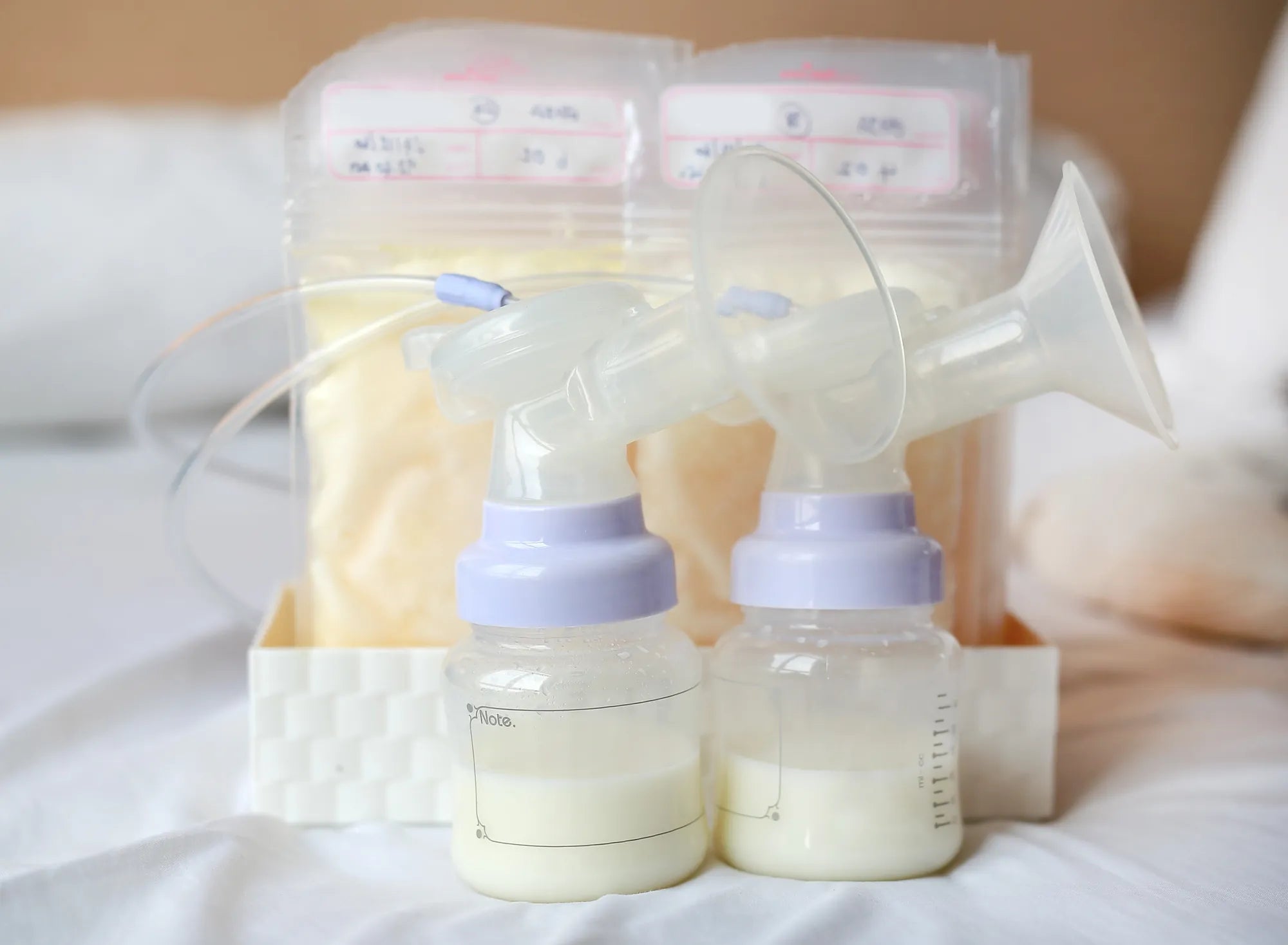
Do You Have to Hold Your Breast While Pumping? A Complete Guide
Introduction: The Pumping Dilemma – To Hold or Not to Hold?
If you’ve ever found yourself hunched over a pump, arms aching from holding flanges in place, you’ve asked this question. The physical strain of traditional pumping is real: sore shoulders, the inability to care for your baby or work, and the feeling of being physically tethered to a machine. This article provides a definitive, evidence-based answer. You will learn the biomechanics of effective pumping, why constant holding is often unnecessary with the right setup, and how to achieve comfortable, efficient, and truly hands-free sessions. We’ll integrate practical tips from lactation science and highlight how innovative products from trusted brands like MomMed are designed specifically to solve this very problem.
Understanding the "Why" Behind Holding Your Breast
Historically, holding breast pump flanges was standard advice for several functional reasons. Primarily, it helps maintain a critical vacuum seal. Any air leak breaks suction, drastically reducing pumping efficiency and milk output. Manual pressure compensates for ill-fitting flanges or a less-secure bra.
Secondly, holding allows for precise alignment. The nipple must be centered in the flange tunnel to move freely without rubbing the sides, which can cause pain and damage. Manual adjustment ensures this optimal position is maintained throughout the session.
Finally, holding enables hands-on pumping techniques. Gentle breast compression and massage before and during pumping can stimulate the milk ejection reflex (let-down) more effectively and help drain milk ducts more fully. This combination of securing, aligning, and massaging formed the traditional hands-on approach.
The Downsides of Constant Manual Support
While holding can be helpful, relying on it exclusively presents significant challenges. The most immediate is physical strain. Repetitive motion and static posture can lead to pain in the wrists, arms, neck, and shoulders—a form of repetitive strain injury (RSI) that can hinder a mother’s ability to care for her baby.
It also severely limits multitasking. Pumping sessions, which can occur 8-12 times a day in the early months, become lost time. A mother cannot easily hold her baby, prepare a bottle, work on a laptop, or simply drink water without interrupting the process. This can contribute to stress and make maintaining a pumping schedule more difficult.
Perhaps most critically, the discomfort and inconvenience can negatively impact milk supply. Stress can inhibit the let-down reflex, and if sessions are cut short due to pain or frustration, it signals the body to produce less milk. The goal of pumping is effective milk removal in a sustainable way, and constant manual holding often works against that sustainability.
Modern Solutions: Achieving Effective Hands-Free Pumping
The good news is that with the right knowledge and tools, hands-free pumping is not only possible but is the optimal standard for most mothers. It combines comfort with efficiency, allowing for better milk removal through relaxation and the ability to use strategic techniques without constant strain. The cornerstone of this approach rests on three pillars: a perfectly fitted flange, a supportive pumping bra, and a pump designed for stable, secure operation.
The Critical Role of a Properly Fitted Flange
The number one reason flanges require manual holding is incorrect size. Most pumps come with standard 24mm or 28mm flanges, but a study in the Journal of Human Lactation found that up to 65% of women need a different size. A proper fit means the nipple moves freely without areola being drawn in, and the tunnel creates a natural seal against the breast.
When the flange fits correctly, it adheres securely with suction alone. There’s no need for constant hand pressure to prevent air leaks. Brands like MomMed understand this, offering multiple flange sizes (from 17mm to 28mm) with their pumps and providing detailed fitting guides. This commitment to proper fit is the first and most crucial step toward hands-free freedom.
Leveraging Pumping Bras and Hands-Free Kits
A high-quality, dedicated pumping bra is a non-negotiable tool for hands-free pumping. It acts as a secure anchor, holding flanges firmly against the breast with consistent, even pressure that hands cannot match. This allows the pump’s suction to work effectively without interruption.
When selecting a bra, look for one with precise, adjustable openings that snugly fit your specific flange size. A good bra should feel supportive but not constrictive. It’s the engineering that replaces your hands, enabling you to be fully mobile during your session. This simple accessory transforms the pumping experience from a burdensome task into a manageable part of your daily routine.
How Innovative Pump Design Makes a Difference
Not all pumps are created equal for hands-free use. Traditional plug-in models with dangling bottles and long tubes are inherently unstable. Modern innovation has focused on creating stable, self-contained systems. Wearable pumps, in particular, are engineered for this purpose.
MomMed’s wearable pumps, like the award-winning S21, exemplify this design philosophy. Their ergonomic, angled cups are shaped to fit discreetly and securely within a bra. The motor’s stable, consistent suction—derived from hospital-grade pump technology—maintains a reliable seal without fluctuation. Features like multiple expression modes mimic a baby’s natural nursing pattern to encourage let-down without manual intervention. This thoughtful design makes the pump itself a partner in achieving hands-free efficiency.
Hands-On Pumping: When and How to Use It Strategically
While constant holding is unnecessary, strategic manual techniques—often called "hands-on pumping"—remain a powerful tool to increase milk output. Developed by renowned lactation researchers, this method combines pumping with gentle massage to more fully empty the breast.
Here’s a step-by-step guide for integrating it without strain: First, spend 1-2 minutes massaging your breasts before you pump, starting at the chest wall and moving toward the nipple. This warms the tissue and signals milk production. Once pumping begins and let-down occurs, use gentle compression. With your hands in a C-shape, compress the breast behind the flange, hold for a few seconds, and release. Rotate around the breast to target different duct clusters.
Finish your session with 2-3 minutes of hand expression after the pump is removed. Research shows this combination can remove significantly more milk, particularly valuable for mothers working to increase supply or manage engorgement. The key is that these are intentional, brief techniques, not the constant, stressful holding of flanges for an entire session.
Comparing Pumping Methods: Hands-Held vs. Hands-Free Bra vs. Wearable Pump
The table below outlines the key differences between common pumping setups, highlighting how each approach handles the need for manual support and its overall impact on the user.
| Feature | Traditional Pump (Hands-Held) | Traditional Pump + Hands-Free Bra | Wearable Pump (e.g., MomMed S21) |
|---|---|---|---|
| Manual Holding Required | Constant, for seal and alignment | Minimal to none; bra provides support | None; designed for complete hands-free use |
| Mobility During Session | Very limited; stationary | Moderate; can move but bottles protrude | High; fully mobile, discreet under clothing |
| Risk of Repetitive Strain | High | Low | Very Low |
| Ease of Multitasking | Poor | Good | Excellent |
| Setup Complexity | Low | Medium (bra + pump assembly) | Low (all-in-one unit) |
| Typical Output Efficiency | Can be high if held correctly, but user-dependent | Consistently high with proper fit | Consistently high; designed for effective expression |
MomMed Spotlight: The Award-Winning S21 Wearable Pump Experience
MomMed’s S21 Double Wearable Breast Pump is a direct response to the "holding" dilemma. It embodies the principles of effective, hands-free design. The experience begins with slipping the lightweight, BPA-free silicone cups into your nursing bra. A single click starts the ultra-quiet, brushless motor, which operates at a whisper-quiet 40dB.
The pump features two-phase technology: a let-down mode with faster, lighter suction to stimulate milk ejection, followed by an expression mode with deeper, slower pulls to efficiently drain the breast. This mimics a baby’s natural nursing pattern, promoting better output without manual massage. The closed-system design and hospital-grade suction ensure hygiene and performance.
Winning multiple industry awards for innovation, the S21 validates that hands-free pumping does not mean compromising on power. Mothers report the freedom to care for older children, work, or simply relax during sessions, which can positively impact milk supply through reduced stress. It’s a tool that redefines the pumping experience from the ground up.
Frequently Asked Questions (FAQs)
Q: Will I get less milk if I don’t hold my breasts?
A: Not necessarily. If you have a proper flange fit and a secure setup (like a good pumping bra or a wearable pump), your output should remain consistent or even improve due to increased comfort and relaxation. Strategic hands-on pumping can be used to *increase* output if needed, but constant holding is not a requirement for adequate milk removal.
Q: My flanges keep falling off when I let go. What am I doing wrong?
A: This typically points to one of three issues: 1) Incorrect flange size: This is the most common cause. Measure your nipple diameter and ensure no areola is being pulled into the tunnel. 2) A loose or ill-fitting pumping bra: The bra should hold the flanges snugly against your breast. 3) Improper positioning: Ensure the flange is centered and creating a seal before you turn the suction to maximum. Start on low suction to establish the seal, then increase.
Q: Are wearable pumps like MomMed’s as effective as traditional plug-in pumps?
A: For most mothers and for regular maintenance pumping, modern wearable pumps are highly effective. Their performance is backed by advanced motor technology that replicates hospital-grade suction patterns. Some mothers with specific supply challenges might use a traditional pump for occasional "power pumping" sessions, but countless mothers successfully maintain or build their supply exclusively with wearable pumps. Effectiveness always depends on proper fit, use, and individual response.
Q: Can I use a hands-free bra with any pump?
A: Yes, most hands-free pumping bras are designed with adjustable openings to accommodate the flange necks of major pump brands. This is a cost-effective way to convert your existing traditional pump into a hands-free system. Ensure the bra offers enough support to hold the weight of the bottles without pulling downward and breaking the seal.
Q: How do I know if my flange is the right size?
A: After pumping, examine your nipple. It should be centered in the tunnel and move freely without rubbing. There should be little to no areola pulled in, and the nipple should not fill more than 3/4 of the tunnel width. Redness, blanching (white spots), or pain at the base of the nipple are signs of a flange that is too small. A large amount of areola being pulled in indicates a flange that is too large. Many brands, including MomMed, offer printable nipple rulers to help you measure accurately.
Conclusion: Empower Your Pumping Journey with Comfort and Freedom
The clear answer is no, you do not have to hold your breast while pumping. This practice is a relic of outdated equipment and one-size-fits-all approaches. The path to efficient, comfortable pumping is built on three pillars: a precisely fitted flange that creates its own seal, a supportive hands-free bra that acts as your reliable second set of hands, and a pump designed for stable, effective operation like MomMed’s wearable options. By embracing these solutions, you reclaim your time, protect your body from strain, and create a sustainable pumping routine that supports your breastfeeding goals. Your journey deserves innovation that empowers you. Shop the MomMed collection at mommed.com for wearable breast pumps, perfectly sized flanges, and accessories designed to give you true hands-free freedom.