


Home
Pregnancy, Breastfeeding, and Pumping: The Ultimate Guide for Moms
Can You Share Breast Pump Parts: What You Need to Know
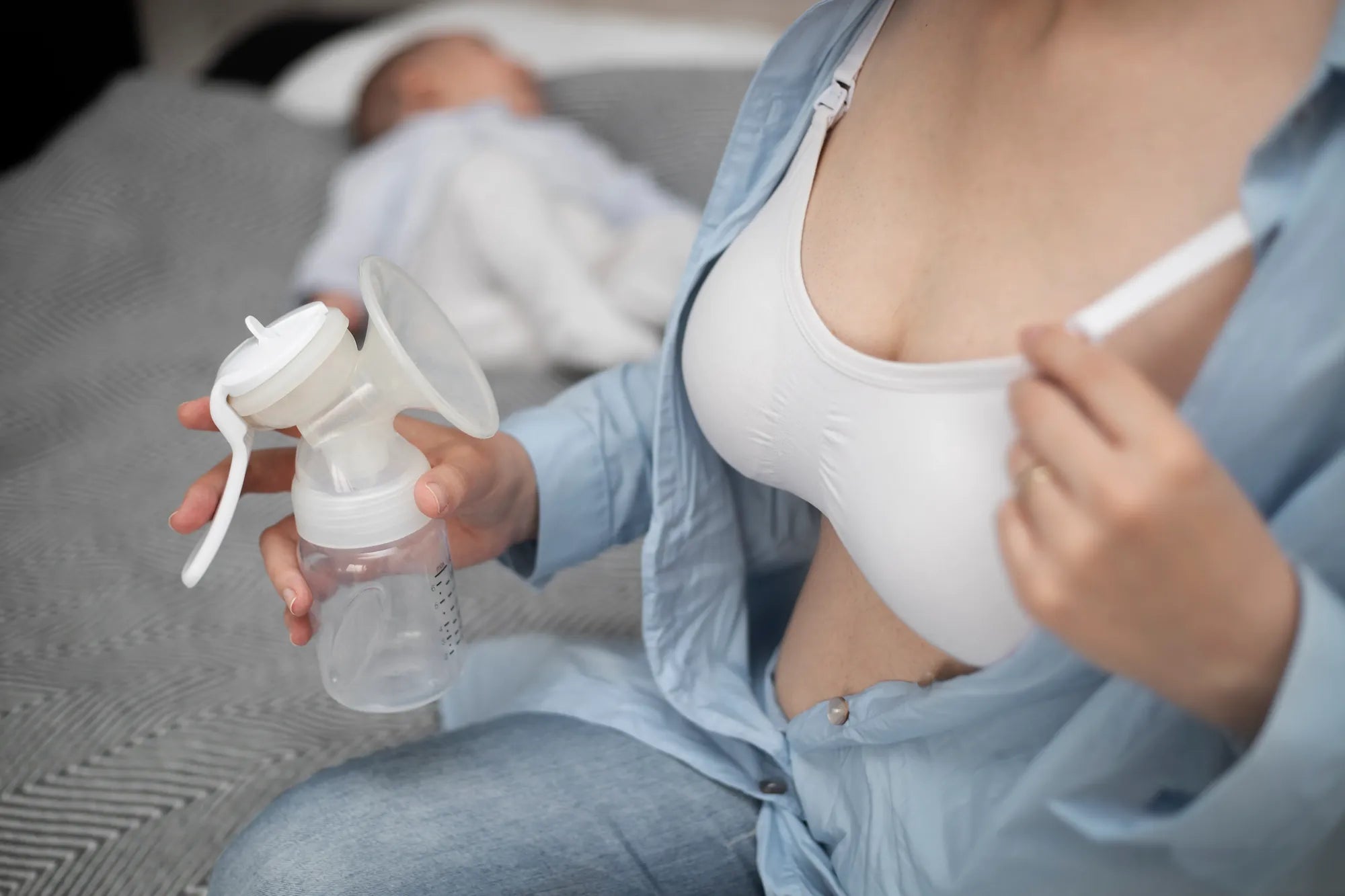
Can You Share Breast Pump Parts: What You Need to Know
Navigating Breast Pump Hygiene and Safety
New parents face countless decisions about what to share, borrow, or buy new. The question "Can you share breast pump parts?" emerges frequently in parenting forums, mom groups, and family conversations. While the temptation to save money or help a friend is understandable, the answer involves crucial health considerations that impact your infant's wellbeing.
This guide provides clear, authoritative information from leading health organizations including the CDC, FDA, and La Leche League. We'll examine the specific risks of sharing different pump components, outline which parts are absolutely personal, and offer practical, safe alternatives. Understanding these guidelines empowers you to make informed choices that prioritize your baby's safety without unnecessary anxiety.
Breast pumps are medical devices that interact directly with your body and your baby's nutrition. Their proper use and maintenance are fundamental to a healthy breastfeeding journey. We'll also explore how modern pump designs, like those from MomMed, incorporate safety features that support individual use while maintaining affordability and convenience for today's parents.
Can you share breast pump parts safely? The short answer from health experts is generally no for components that contact breast milk. However, understanding the nuances helps you navigate real-world situations with confidence. Let's begin by examining why major health organizations take this position and what specific risks they aim to prevent.
Understanding the Risks: Why Sharing Isn't Recommended
Health authorities consistently advise against sharing breast pump parts that come into contact with breast milk or the breast. This recommendation stems from documented risks of pathogen transmission that can occur even with thorough cleaning. Breast milk can carry viruses, bacteria, and fungal elements that may not be eliminated through standard washing methods.
The Centers for Disease Control and Prevention (CDC) explicitly states that breast pump parts that touch breast milk should be used by only one person. This includes flanges, valves, membranes, and collection containers. Their guidelines emphasize that infectious organisms can survive in microscopic milk residues, creating potential for cross-contamination between users.
Several specific pathogens pose particular concern. Human Immunodeficiency Virus (HIV) and Hepatitis B and C viruses can be present in breast milk. While transmission risk depends on viral load and other factors, sharing equipment creates unnecessary exposure. Bacterial infections like Staphylococcus aureus (including MRSA) and fungal infections like Candida (thrush) can also transfer through contaminated pump parts.
Even between healthy individuals, sharing introduces risks. Bacteria naturally present on skin and in milk can differ between people. Introducing another person's microbiome to your breast tissue or milk supply may disrupt your own bacterial balance, potentially leading to mastitis or other inflammatory conditions. The immune systems of newborns and young infants are particularly vulnerable to unfamiliar pathogens.
Beyond infectious risks, shared parts may not fit properly. Ill-fitting flanges can cause nipple damage, pain, and reduced milk output. Since breast shield size varies significantly between individuals (typically 15mm to 30mm), using someone else's equipment often means compromising on proper fit, which directly impacts pumping comfort and efficiency.
Parts Breakdown: What's Absolutely Personal vs. What Might Be Shared
Not all breast pump components carry equal risk. Understanding which parts are critical to keep personal versus those that might be shared under specific circumstances helps you make practical decisions. This breakdown follows FDA recommendations and lactation consultant guidance, categorizing parts based on their contact with bodily fluids and contamination potential.
The "Do Not Share" List (Personal Essentials)
These components have direct contact with breast milk or breast tissue and should never be shared between users. Consider them personal care items similar to toothbrushes or eating utensils.
Breast shields (flanges) directly contact the breast and nipple. They collect milk droplets and skin cells, and improper fit can cause tissue damage. Even with sterilization, the specific contour and size must match the individual user's anatomy for effective, comfortable pumping.
Valves, membranes, and backflow protectors create the pump's suction mechanism and prevent milk from entering the tubing. These small plastic and silicone parts trap microscopic milk particles in their crevices. Complete cleaning is challenging, and residual moisture can promote bacterial or mold growth between uses.
Milk collection bottles and bags hold expressed milk for storage and feeding. These containers should be dedicated to a single user to prevent contamination of the milk supply. Even with dishwashing, scratches in plastic bottles can harbor bacteria. Storage bags are single-use and shouldn't be repurposed between individuals.
Tubing connectors and adapters that interface between the flange and collection bottle often have small openings where milk can splash or condense. While they may not seem to contact milk directly, aerosolized droplets can reach these components, making them potential contamination points.
The "Maybe" List: Motors, Tubes, and Chargers
These components don't directly contact breast milk in properly functioning pumps, but sharing still requires careful consideration and specific conditions.
The pump motor unit (the main device that creates suction) can potentially be shared if it's a hospital-grade pump designed for multiple users. For personal-use pumps, manufacturers generally design them for single users. Sharing may void warranties and raises hygiene concerns about the exterior surfaces.
Tubing presents a complex case. In closed-system pumps (like MomMed models), tubing should not contact milk if the backflow protectors function correctly. However, if milk ever backflows into tubing, it becomes contaminated and should be replaced. Clear, dry tubing that has never had milk entry might be shared after disinfection, but new tubing is inexpensive and safer.
Power adapters, charging cables, and batteries are generally safe to share as they don't contact bodily fluids. However, ensure electrical components are in good condition without frayed wires or damage. Personal pumps with built-in batteries may have hygiene considerations if the exterior becomes contaminated during use.
| Component | Safe to Share? | Key Considerations |
|---|---|---|
| Breast Shields/Flanges | No | Direct breast contact; size must match anatomy |
| Valves & Membranes | No | Traps milk particles; difficult to clean thoroughly |
| Collection Bottles/Bags | No | Holds milk for consumption; scratches harbor bacteria |
| Tubing (never had milk entry) | Maybe | Only if completely dry and disinfected; replacement recommended |
| Pump Motor (hospital-grade) | Yes | Designed for multiple users with personal accessory kits |
| Power Adapters/Cables | Yes | No fluid contact; check for electrical safety |
The MomMed Commitment to Your Safety and Comfort
At MomMed, our design philosophy centers on creating products that support safe, comfortable, and effective breastfeeding journeys. We recognize that questions about sharing parts arise from genuine needs for affordability and convenience. Our approach addresses these needs while maintaining uncompromising safety standards.
All MomMed breast pumps feature closed-system designs that prevent milk from entering the tubing or motor. This crucial safety feature, found in our S21 Double Wearable Breast Pump and S12 Single Wearable model, creates a barrier between expressed milk and the pump's mechanical components. Even if a mother experiences strong let-down or temporary overflow, the backflow protector ensures milk cannot travel up the tubing.
We manufacture our wearable pumps and replacement parts using BPA-free, food-grade silicone and plastics. These medical-grade materials are non-toxic and designed for repeated cleaning. Each pump comes with a complete set of personal parts sized appropriately for the average user, with additional flange sizes available separately to ensure proper fit.
Our instructional materials emphasize proper cleaning protocols and single-user dedication of milk-contact components. We provide detailed guidance on identifying when parts need replacement (typically every 1-3 months for valves and membranes) to maintain optimal performance and hygiene. This commitment to education helps parents establish safe pumping routines from the beginning.
Understanding that affordability affects access, MomMed offers direct replacement parts through our website at reasonable prices. When you know can you share breast pump parts isn't recommended, having access to affordable replacements becomes essential. Our modular design allows you to replace individual components rather than entire systems, extending your pump's lifespan economically.
Smart Alternatives to Sharing Pump Parts
Fortunately, parents have several safe, affordable alternatives to sharing personal pump components. These options respect health guidelines while addressing practical concerns about cost and accessibility.
Renting a Hospital-Grade Pump
Hospital-grade breast pumps are specifically designed and manufactured for multiple users. These robust devices feature powerful motors and are regularly serviced for safety. The rental model follows a "rent the motor, buy the kit" approach that maintains hygiene while controlling costs.
You rent only the pump motor from a medical supply company, hospital, or pharmacy. Then you purchase a brand new, personal accessory kit containing all components that contact milk or breasts. This system provides access to high-quality pumping technology without compromising safety. Insurance often covers these rentals, particularly for mothers with premature infants or specific medical needs.
Hospital-grade pumps typically offer stronger, more adjustable suction than personal models. This can benefit mothers who need to establish or maintain milk supply, pump for multiples, or return to work while breastfeeding. The rental period can be tailored to your specific needs, whether weeks or months.
When considering this option, verify that the rental provider properly sterilizes and maintains pump motors between users. Reputable companies provide documentation of their cleaning protocols. Ensure your personal accessory kit is properly sized, as hospital-grade pumps accommodate various flange sizes through interchangeable parts.
Buying Pre-Loved: A Safe Checklist
Purchasing a used breast pump requires careful evaluation to ensure safety. Follow this checklist if considering a pre-owned pump:
- Buy only the motor unit - Never purchase used personal parts (flanges, valves, bottles). Plan to buy these components new.
- Verify it's a closed-system pump - Open-system pumps cannot be safely used by multiple people as milk can enter the motor.
- Check the manufacturing date - Most pumps have a lifespan of 1-3 years with regular use. Avoid pumps older than 3 years.
- Request verification of a smoke-free home - Pumps absorb environmental contaminants that can transfer to milk.
- Test functionality before purchasing - Ensure all buttons, settings, and suction levels work properly.
- Inspect for damage or wear - Check power cords, battery compartments, and exterior surfaces.
- Confirm the model is still supported - Ensure replacement parts remain available from the manufacturer.
Utilizing Insurance and Affordability Programs
The Affordable Care Act requires most insurance plans to cover breast pump costs. Understanding your benefits can provide access to a new pump without financial strain. Contact your insurance provider to learn about covered pump models, whether they offer direct shipment or require using a specific supplier, and any documentation needed.
Many manufacturers, including MomMed, offer direct insurance billing through partner networks. Our website provides resources to help you navigate insurance claims and identify covered products. We also participate in HSA/FSA programs, allowing you to use pre-tax dollars for pump purchases and replacement parts.
Manufacturer rebate programs and seasonal sales can further reduce costs. Consider purchasing during holiday sales or registering for newsletters to receive discount notifications. Some community organizations and women's health clinics offer pump lending or assistance programs for qualifying families.
When evaluating costs, remember that a quality pump with good durability represents a long-term investment. Spending slightly more initially for a reliable, comfortable pump often proves more economical than replacing cheaper models frequently. Proper maintenance and timely part replacement extend any pump's usable life.
Your Breast Pump Hygiene Routine: A Quick Refresher
Proper cleaning and maintenance of your personal pump parts protect your baby's health and ensure optimal performance. Following established guidelines minimizes contamination risks and extends your equipment's lifespan.
The CDC recommends washing all parts that contact breast milk after each use. Disassemble components completely, rinse in cool water to remove milk residue, then wash with hot soapy water using a dedicated brush. Air dry on a clean towel or drying rack rather than towel-drying, which can transfer bacteria.
For infants under 3 months, premature babies, or immunocompromised infants, daily sanitizing provides extra protection. You can sanitize using boiling water, steam bags, or dishwasher sanitize cycles. Check manufacturer instructions for temperature limits, as some plastics may warp with extreme heat.
Store clean, dry parts in a protected container or resealable bag between uses. Avoid storing damp parts in sealed containers, which promotes microbial growth. Designate a clean space for pump part storage away from food preparation areas or potential contaminants.
Replace parts according to manufacturer schedules or when signs of wear appear. Valves and membranes typically need replacement every 1-3 months as they lose elasticity. Inspect flanges for cracks or cloudiness, which indicate degradation. Tubing should be replaced if moisture appears inside or flexibility decreases.
MomMed pumps include detailed cleaning instructions specific to each model. Our wearable pumps feature fewer small parts than traditional models, simplifying the cleaning process. The silicone diaphragms in our closed-system design are durable and dishwasher-safe for convenient maintenance.
Special Considerations and Exceptions
While general guidelines advise against sharing, certain situations warrant specific discussion. Understanding these exceptions helps you apply guidelines appropriately to your unique circumstances.
Mothers pumping for the same baby, such as adoptive parents or same-sex couples, represent a special case. Since the infant receives milk from both individuals, pathogen transmission concerns differ. However, each lactating parent should generally use their own set of parts to maintain individual hygiene and proper fit. The pump motor can typically be shared if properly cleaned between users.
Using your own parts for multiple children is generally safe with proper maintenance. Between pregnancies, thoroughly clean and store parts in sealed containers. Before using them for a new baby, inspect for deterioration and consider replacing valves and membranes. Parts that have been properly stored for less than a year typically remain usable.
Emergency situations where sharing might seem necessary require creative solutions. If you must help another mother temporarily, consider these options: purchasing inexpensive manual pumps as backups, utilizing milk banks or donor milk programs instead of sharing equipment, or contacting local health departments for emergency feeding resources.
When traveling or forgetting parts, purchasing new components proves safer than borrowing. Many pharmacies carry basic pump parts, and hospital maternity wards often have emergency supplies. Keeping an extra set of membranes and valves in your diaper bag or car provides insurance against such situations.
Remember that can you share breast pump parts questions often arise from temporary needs rather than long-term arrangements. Identifying the specific need (short-term access vs. long-term affordability) helps you select the most appropriate solution while maintaining safety standards.
Frequently Asked Questions (FAQs)
Can I share parts with my sister or a close friend if we sterilize them thoroughly?
Health authorities still discourage this practice. Sterilization eliminates many pathogens but cannot guarantee removal of all biological material from microscopic crevices in valves and membranes. Additionally, proper flange fit is individual-specific—using someone else's flanges may cause discomfort, nipple damage, and reduced milk output. The small cost savings doesn't justify the potential risks to both mothers and their babies.
Is it safe to use pump parts handed down from my first baby for my second?
Generally yes, if the parts have been properly stored and show no signs of wear. Inspect all components for cracks, cloudiness, or deterioration, particularly in silicone parts like valves and membranes. These should likely be replaced after 6-12 months of use regardless of storage. Flanges that still fit properly and show no damage can typically be reused. When in doubt, replace small parts—they're less expensive than treating potential infections.
What if milk accidentally went into the tubing of my MomMed pump? Can it be cleaned?
MomMed's closed-system design prevents milk from entering tubing during normal use. However, if backflow occurs due to improper assembly or extreme angles, replace the tubing immediately. Milk in tubing cannot be adequately cleaned due to the length and small diameter. Replacement tubing is affordable and available through our website. This is why knowing can you share breast pump parts includes understanding that contaminated tubing should never be shared.
Does MomMed sell individual replacement parts?
Yes, we offer a complete range of replacement parts for all our pump models. This includes flanges in multiple sizes, valves, membranes, tubing, collection bottles, and charging cables. Purchasing genuine MomMed replacement parts ensures compatibility, maintains performance, and upholds safety standards. Our modular design makes maintaining your pump affordable without needing to replace the entire system.
How often should I replace breast pump parts?
Replacement schedules vary by component and usage frequency. Valves and membranes typically need replacement every 1-3 months as they lose elasticity, affecting suction. Inspect flanges monthly for cracks or cloudiness. Tubing should be replaced if you see moisture inside or if it becomes less flexible. Collection bottles may need replacement if scratched or cloudy. Always follow your pump manufacturer's specific recommendations, and replace parts immediately if you notice performance changes or visible damage.
Can I use parts from different pump brands together?
Generally not recommended. Pump systems are engineered as complete units with specific tolerances and performance characteristics. Mixing brands may compromise suction, safety features, or proper sealing. Some standardized parts (like certain bottles) might interchange, but critical components like flanges and valves should match your specific pump model. Using incompatible parts may void warranties and potentially create hygiene gaps where milk could leak or become contaminated.
Prioritizing Safety for Your Peace of Mind
Breastfeeding and pumping involve enough challenges without adding unnecessary health risks. While sharing personal pump parts might seem like a harmless way to save money or help another mother, the potential consequences outweigh the benefits. Your baby's developing immune system deserves protection from avoidable pathogen exposure.
Modern pumping solutions offer safe alternatives that respect both health guidelines and economic realities. From insurance-covered pumps to affordable replacement parts, parents have more options than ever. Brands like MomMed design products with both safety and accessibility in mind, creating closed-system pumps with readily available components.
Establishing proper hygiene habits from the beginning sets a foundation for successful, stress-free pumping. When you know which parts to keep personal, how to clean them effectively, and when to replace them, you can focus on bonding with your baby rather than worrying about equipment safety.
The question "can you share breast pump parts" ultimately reflects a caring parent's desire to make wise decisions. By choosing dedicated personal parts and maintaining them properly, you're investing in your baby's health and your own pumping comfort. That investment pays dividends throughout your breastfeeding journey and beyond.
Shop the MomMed collection at mommed.com for all your breastfeeding and pregnancy needs. Explore our award-winning wearable pumps, designed for your comfort and your baby's safety, along with replacement parts that keep your pumping routine hygienic and effective.