


Home
Pregnancy, Breastfeeding, and Pumping: The Ultimate Guide for Moms
Can You Pump Breast Milk If You Smoke? What You Need to Know
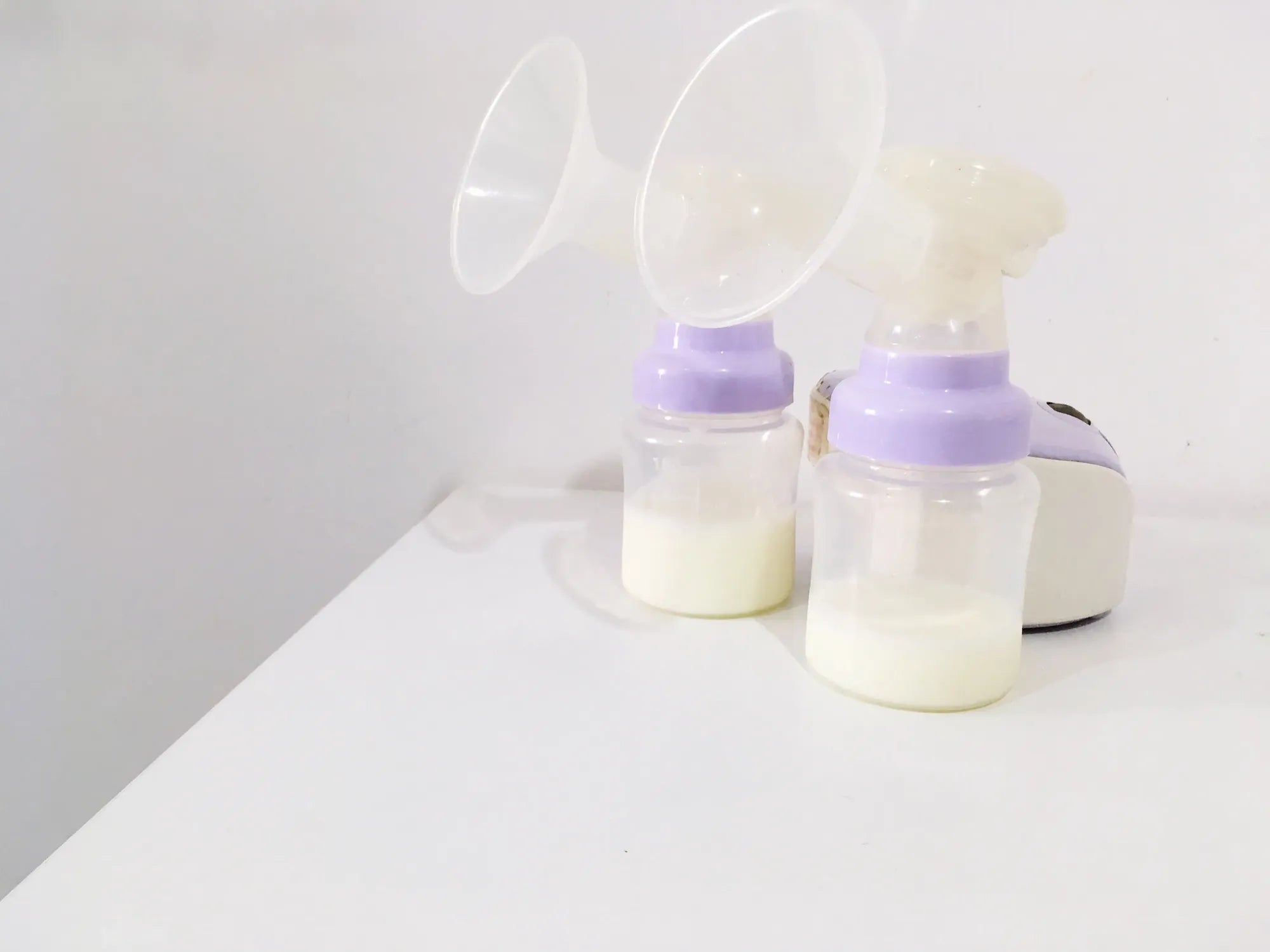
Can You Pump Breast Milk If You Smoke? What You Need to Know
If you're a breastfeeding mother who smokes, you're likely grappling with guilt, confusion, and a pressing question: can you pump breast milk if you smoke? The short answer is yes, but with critical caveats and protocols that must be followed to minimize risk. This article provides the clear, factual, and non-judgmental information you need. We'll explore the science of nicotine in breast milk, outline specific risks to your baby and your milk supply, and provide a step-by-step guide for safer pumping and feeding if you continue to smoke. Our goal is to empower you with knowledge, not shame, so you can make the most informed choices for your and your baby's well-being.
The Science of Nicotine and Breast Milk: How Substances Transfer
When you smoke a cigarette, nicotine and thousands of other chemicals enter your bloodstream. From there, they readily pass into your breast milk. The concentration in your milk mirrors the concentration in your plasma. Research indicates nicotine levels in breast milk can be up to three times higher than in the maternal bloodstream.
Pharmacokinetics—how the body processes a drug—are key here. Nicotine peaks in breast milk approximately 30 to 60 minutes after smoking. Its half-life (the time it takes for the concentration to reduce by half) is about 1.5 hours. This means if you smoke one cigarette, it takes several hours for nicotine to clear significantly from your system and your milk.
The frequency and timing of smoking directly impact your baby's exposure. Smoking multiple cigarettes close together leads to a cumulative buildup of nicotine. Conversely, spacing out cigarettes and strategically timing them in relation to feeding or pumping can substantially reduce the amount of nicotine your infant ingests.
It's crucial to understand that while breastfeeding is still recommended over formula for smoking mothers due to its numerous benefits, it is not a "safe" method of feeding in this context. It is a method of feeding that carries a known risk (nicotine exposure) which must be actively managed to protect infant health.
Assessing the Risks: For Your Baby and Your Milk Supply
Potential Impacts on Infant Health
The primary concern with pumping breast milk after smoking is the direct exposure of your infant to nicotine and other toxins. Documented effects on babies include increased fussiness, colic-like symptoms, and sleep pattern disturbances. Nicotine is a stimulant, which can make infants jittery and interfere with their sleep.
More concerning are the potential long-term effects. Studies suggest associations between nicotine exposure via breast milk and an increased risk of respiratory illnesses, such as asthma and bronchitis, and sudden infant death syndrome (SIDS). The risk of SIDS multiplies significantly when combined with direct exposure to secondhand smoke.
It is vital to distinguish the risk of nicotine in milk from the far greater danger of secondhand and thirdhand smoke. Secondhand smoke (inhaling smoke from the air) and thirdhand smoke (residue on clothes, skin, and furniture) pose severe, direct risks to infant lung development and overall health. Protecting your baby from these environmental exposures is non-negotiable.
Ultimately, healthcare providers often frame this as a risk-benefit analysis. The profound immunological, nutritional, and bonding benefits of breast milk are weighed against the risks of nicotine exposure. For many mothers, continuing to provide breast milk while actively working to minimize nicotine transfer is considered the preferred path.
Effects on Milk Production and Let-Down
Smoking can negatively impact the mechanics of breastfeeding and pumping. Nicotine has been shown to inhibit the hormone prolactin, which is essential for milk production. Mothers who smoke may experience a lower overall milk supply compared to non-smokers.
The let-down reflex—the release of milk from the alveoli into the milk ducts—can also be impaired. Nicotine is a vasoconstrictor, meaning it narrows blood vessels. This can reduce blood flow to the breasts and potentially hinder the efficient release of milk during a pumping session.
This doesn't mean establishing or maintaining a pumping schedule is impossible. Many smoking mothers successfully pump and provide breast milk. However, it may require more diligence, consistent pumping to signal demand, and strategies to support supply, such as staying hydrated and ensuring proper nutrition.
Understanding these potential challenges allows you to be proactive. If you notice a dip in output, consider whether timing a pump session further from a cigarette or using breast compression techniques during pumping could help.
Essential Guidelines for Pumping and Feeding If You Smoke
The Critical Timing Strategy
The single most effective strategy to reduce nicotine in your breast milk is meticulous timing. The protocol is straightforward: smoke immediately after you pump or breastfeed, not before.
After smoking, wait as long as possible before the next feeding or pumping session. Ideally, aim for a window of 2 to 3 hours. This allows nicotine levels in your blood and milk to drop significantly. While it won't eliminate nicotine, it reduces the concentration your baby is exposed to during the next feed.
To implement this, you need to plan your pumping schedule around your smoking. For example, pump at 9 AM, then smoke if needed. Your next pump should be no sooner than 11 AM or, better, 12 PM. This may require adjusting your typical pumping rhythm but is essential for risk reduction.
Pumping on a consistent schedule is also crucial for maintaining supply. Using a wearable pump can make adhering to this timed strategy more manageable, as it offers flexibility and discretion.
Hygiene and Environmental Safety Protocols
Timing is useless if your baby is exposed to smoke residue. Strict hygiene is mandatory to prevent thirdhand smoke exposure.
- Never smoke near your baby. Always go outside, far away from windows and doors.
- Change your clothing after smoking. Keep a specific "smoking jacket" that you remove before re-entering the house.
- Wash your hands and face thoroughly with soap and water before handling your baby, your breast pump, or any pump parts.
- Never allow smoking in your home or car, even when the baby is not present. Toxins settle into fabrics and surfaces.
These steps protect your infant from the more hazardous particulate matter and toxins that linger on skin and clothes, separate from the nicotine that transfers into your milk.
How MomMed Supports Your Feeding Journey with Comfort and Discretion
Navigating a pumping schedule with the added complexity of timing around smoking requires reliable, convenient tools. This is where innovative breast pump technology can provide meaningful support. MomMed, a trusted maternal and baby care brand, designs products with the real-world challenges of motherhood in mind.
The MomMed S21 Double Wearable Breast Pump is engineered for this very need. Its ultra-quiet, hospital-grade performance allows for effective milk removal, which is key to signaling your body to maintain supply. More importantly, its completely hands-free, discreet design means you can pump on your strict schedule—whether you're at home, working, or managing other tasks—without added stress or interruption.
All MomMed breast pumps, including the S21 and S12 Wearable models, use BPA-free, food-grade silicone for baby safety. The comfort of their flanges can make longer, consistent pumping sessions more sustainable, which is crucial for mothers working to establish and protect their milk supply amidst other challenges.
By reducing the friction and hassle of pumping, a reliable wearable pump like the S21 can make it easier to adhere to the "pump first, smoke later, wait 3 hours" protocol, turning a theoretical guideline into a practical, everyday routine.
Exploring Safer Alternatives and the Path to Cessation
The healthiest choice for you and your baby is to quit smoking. While the guidelines above help manage risk, seeking support for cessation should be a parallel and primary goal. Discuss all options with your healthcare provider.
Nicotine Replacement Therapy (NRT), such as patches, gum, or lozenges, is generally considered safer than smoking during breastfeeding. While nicotine still transfers into milk, NRT delivers a controlled dose without the thousands of other carcinogens and toxins found in cigarette smoke. The patch provides a steady, lower level of nicotine, which may result in lower milk concentrations than the peaks and valleys caused by smoking.
Prescription medications like bupropion or varenicline are other options, but their use during lactation must be carefully evaluated by a doctor who can weigh the benefits against potential risks.
You are not alone. Seek support from:
• Your obstetrician, pediatrician, or a lactation consultant (IBCLC).
• National smoking cessation hotlines like 1-800-QUIT-NOW.
• Local support groups or cognitive behavioral therapy programs.
Every cigarette not smoked is a victory. Celebrate reductions as steps toward the ultimate goal.
Comparison: Smoking, Nicotine Replacement, and Abstinence
| Factor | Smoking Cigarettes | Using NRT (e.g., Patch) | Abstinence (No Nicotine) |
|---|---|---|---|
| Nicotine in Milk | High, with sharp peaks | Lower, more steady levels | None |
| Other Toxins | Thousands (tar, CO, etc.) | None (from product itself) | None |
| Risk to Infant | Highest (nicotine + toxins) | Moderate (nicotine only) | None |
| Effect on Milk Supply | Likely negative (lowers prolactin) | Possible, less data | Optimal |
| Maternal Health Risk | Very High | Low (short-term use) | None |
Frequently Asked Questions (FAQ)
Does "pumping and dumping" work after smoking?
Not effectively for nicotine. Pumping and dumping refers to discarding milk after consuming alcohol or certain medications to clear the substance from your system. Because nicotine clears based on time, not removal of milk, pumping and dumping right after a cigarette does not speed up the process. The nicotine is in your bloodstream and will continuously pass into newly produced milk. Waiting 2-3 hours is the only effective method to lower concentration.
What about vaping or using marijuana?
Vaping nicotine presents similar concerns regarding nicotine transfer into breast milk, though it may eliminate some combustion toxins. The long-term safety of vaping chemicals (flavorings, propylene glycol) during lactation is unknown. Marijuana's active component, THC, accumulates in breast milk and can affect infant brain development. The official recommendation from the American Academy of Pediatrics is to avoid marijuana use while breastfeeding.
Is any amount of smoking safe?
There is no known "safe" threshold for smoking while breastfeeding. The guiding principle is that less is always better, and none is best. Reducing the number of cigarettes per day and strictly following timing/hygiene protocols will lower risk. The first cigarette of the day after a long sleep often results in the highest nicotine spike, so be especially mindful then.
Will my pediatrician judge me if I tell them I smoke?
A good pediatrician's primary goal is your baby's health. They need accurate information to provide the best care. Being honest allows them to monitor your baby for potential issues like respiratory problems or poor weight gain more closely. They can also connect you with cessation resources. If you feel judged, seek a second opinion, but please do not withhold this critical health information.
Can smoking affect the taste of my breast milk?
Yes. Studies have shown that breast milk from smoking mothers can have a different odor and may be rejected by some infants. This is another reason why the timing strategy is important—nicotine concentration and potential flavor changes are lowest the longer you wait after smoking to pump or feed.
Empowerment Through Informed Choice and Compassion
The journey of motherhood is complex, and the question of whether you can pump breast milk if you smoke sits at a difficult intersection of biology, habit, and love. The evidence is clear: breastfeeding or pumping while smoking is not without risk, but those risks can be substantially mitigated through disciplined timing, rigorous hygiene, and a commitment to reduction. The benefits of breast milk—its tailored nutrition, live antibodies, and bonding facilitation—often tip the scale for many mothers and healthcare providers, especially when the alternative is formula and the ever-present danger of environmental smoke.
Be kind to yourself. Every step you take to follow safer protocols is a protective act for your child. Seeking information, as you are doing now, is the first and most important step. Whether you are using a reliable MomMed wearable pump to maintain your schedule or speaking to a doctor about NRT, you are moving forward. Your health and your baby's health are deeply connected; caring for one is an act of caring for the other.
You are not just a mother who smokes; you are a mother striving to do her best in challenging circumstances. Let that effort be guided by knowledge, supported by the right tools, and softened with self-compassion. Shop the MomMed collection at mommed.com for all your breastfeeding and pregnancy needs, and take each day as it comes, celebrating your strength and resilience.