


Home
Pregnancy, Breastfeeding, and Pumping: The Ultimate Guide for Moms
Can I Use Any Bottle with Breast Pump? A Comprehensive Guide for Moms
Can I Use Any Bottle with Breast Pump? A Comprehensive Guide for Moms
Introduction: Understanding the Breast Pump and Bottle Connection
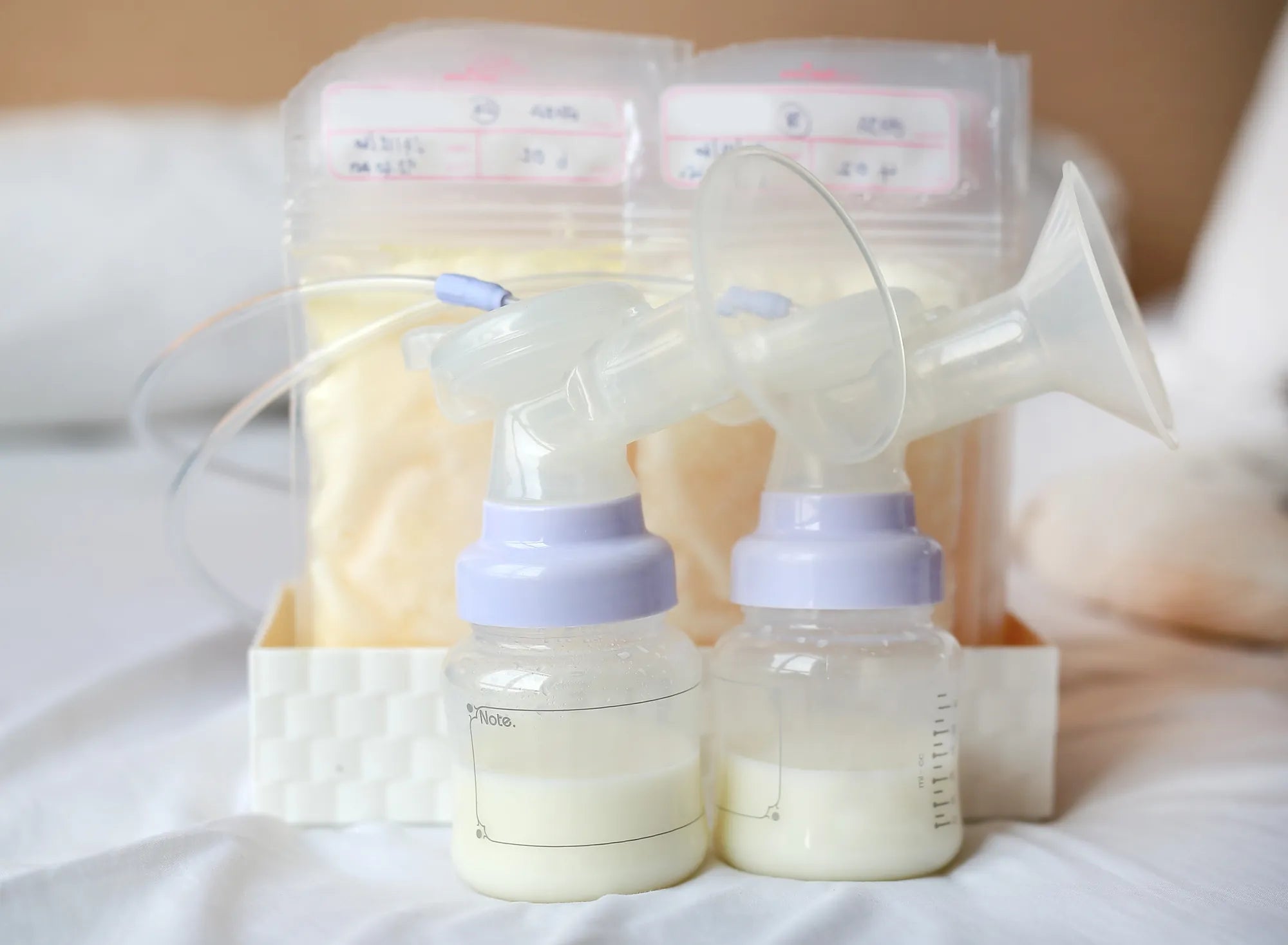
"Can I use any bottle with my breast pump?" is one of the most common and practical questions from breastfeeding mothers. The answer is more nuanced than a simple yes or no, and getting it right is crucial for an efficient, comfortable, and successful pumping journey. Using an incompatible bottle can lead to frustration, reduced milk output, and even wasted liquid gold.
This comprehensive guide provides an evidence-based, detailed exploration of breast pump and bottle compatibility. We will demystify the technical standards, explain why the correct fit is non-negotiable for both performance and safety, and give you a clear action plan. Our goal is to empower you with knowledge, so you can make informed choices that support your feeding goals. As a trusted maternal and baby care brand, MomMed is committed to supporting this journey with reliable, innovative products designed with compatibility and mom's needs in mind.
Why Bottle Compatibility Matters More Than You Think
Bottle compatibility is not merely a matter of convenience; it is foundational to the function of your breast pump. The primary reason is creating and maintaining a vacuum seal. A breast pump works by generating rhythmic suction to mimic a baby's nursing pattern, which stimulates let-down and draws milk from the breast.
If the bottle does not screw securely onto the pump's flange or connector, air leaks into the system. This break in the seal drastically reduces the suction strength at the breast. The result is inefficient milk removal, which can lead to engorgement, a perceived drop in milk supply, and significant discomfort. Proper milk removal is the key signal to your body to produce more milk, making an effective seal critical for maintaining supply.
Beyond performance, compatibility is a safety and hygiene issue. A secure connection ensures that expressed milk flows directly into a sterile container without exposure to external contaminants. Leaks from a poor fit can create a moist environment perfect for bacterial growth on pump parts. Furthermore, using bottles not rated for the mechanical stress of pumping could lead to cracks or breaks, posing a safety risk.
Finally, the right bottle preserves the quality of your breast milk. A stable, leak-proof connection means every precious drop is captured safely in a container made from food-grade, BPA-free materials. Investing time in ensuring compatibility protects your effort, your milk, and your baby's health.
The Standard: Understanding Thread Types and Sizes
At the heart of bottle compatibility is the threading—the spiral grooves on the neck of the bottle that screw onto the pump's flange or adapter. Think of it like different charger ports for phones; a USB-C cable won't fit into a Lightning port without an adapter. The breast pump world primarily operates on two main thread standards.
The most common standard in the United States and used by many major pump brands is the Wide-Neck or Wide-Mouth thread. This thread is typically around 40mm in diameter. Bottles designed for this standard have a broader opening, which can make them easier to clean and fill. Most MomMed pumps, including our wearable models, utilize this universal wide-neck standard for maximum compatibility.
The other prevalent standard is the Standard-Neck or Narrow-Neck thread, often measuring about 24mm in diameter. This thread is frequently found on bottles from European brands and some specific product lines. It's crucial to identify which standard your pump uses, as a wide-neck bottle will not screw onto a standard-neck flange, and vice versa.
Some proprietary systems exist, but the industry has largely consolidated around these two threads. The wide-neck has become the de facto standard for open-system and many closed-system pumps due to its versatility. Always refer to your pump's manual first to confirm its thread specification before attempting to use another bottle.
Beyond the Thread: Other Critical Factors for a Perfect Fit
Material Safety and Quality
The thread ensures a physical connection, but the material of the bottle is what touches your milk. It is imperative to use bottles made from BPA-free, food-grade materials. Materials like high-quality silicone, glass, or certain plastics (like PP or PPSU) are safe for containing breast milk and can withstand repeated washing and sterilization.
MomMed ensures all parts that contact milk, including our collection bottles and flanges, are made from medical-grade, BPA-free silicone. This commitment to material safety guarantees that no harmful chemicals leach into your expressed milk, protecting your baby's health from the first pump session.
Bottle Shape and Functional Design
Compatibility isn't just about screwing on; it's also about functionality. The shape of the bottle can affect whether it fits securely in bottle warmers, cooler bag compartments, or car cup holders. An ergonomically designed bottle is easier to handle when attaching and detaching from the pump, especially during late-night sessions.
Furthermore, some pump motors are calibrated for the weight and air volume of their specific collection bottles. Using a significantly heavier bottle (like a large glass one) on a wearable pump could affect the center of gravity and comfort. Always consider the practical use case beyond the initial screw-on test.
Valve, Collar, and Backflow Protection Systems
This is a technically vital aspect often overlooked. Many modern breast pumps, including MomMed's closed-system pumps, have integrated backflow protection membranes or valves. These components are crucial safety features that prevent milk, moisture, and bacteria from being sucked back into the pump's tubing and motor.
These protection systems are often built into a specific connector or bottle collar. Using a non-compatible bottle might bypass this essential feature, potentially damaging your expensive pump motor and creating an unhygienic environment. Manufacturer-designed bottles guarantee these protective systems function as intended.
Your Practical Guide: How to Check if a Bottle is Compatible
You don't need to be an engineer to test bottle compatibility. Follow this step-by-step, actionable checklist to determine if your chosen bottle will work safely and effectively with your pump.
Step 1: Consult the Official Source. Your first stop should always be your breast pump's user manual or the manufacturer's website. Look for a section on "compatible accessories" or "bottle specifications." They will explicitly state the thread type (e.g., "standard wide-neck") and may even list compatible third-party bottle brands.
Step 2: Perform the Physical Screw Test. Without the pump turned on, attempt to screw the bottle onto the pump's flange or connector. The connection should be smooth, require only a gentle twist to secure, and feel snug without any forcing, cross-threading, or obvious gaps. If it doesn't start smoothly, do not force it.
Step 3: Conduct a Dry-Run Suction Test. Assemble your pump with the bottle attached, but without any milk. Turn the pump on to a low to medium suction setting. Place your hand over the top of the bottle's opening (where the nipple would go). You should feel strong, consistent suction on your hand. Listen and feel for any hissing sounds or loss of suction, which indicate an air leak at the connection point.
Step 4: Explore Universal Adapters. If a bottle you love isn't compatible, all is not lost. Many pump and bottle brands sell universal adapters. These small, inexpensive pieces act as intermediaries, converting a wide-neck pump output to a standard-neck bottle, or vice versa. Ensure any adapter is also made from safe, BPA-free materials.
Comparison of Common Bottle Thread Standards
| Thread Standard | Approx. Diameter | Common Brands/Examples | Compatibility Notes |
|---|---|---|---|
| Wide-Neck (Wide-Mouth) | ~40mm | MomMed pumps, Spectra, many Medela bottles, Philips Avent Natural, some Como Tomo | Most common US standard. Highly versatile. MomMed uses this for seamless compatibility. |
| Standard-Neck (Narrow) | ~24mm | Dr. Brown's Options+, some older Philips Avent, NUK, MAM | Common in European brands. Requires an adapter for most wide-neck pumps. |
| Proprietary | Varies | Some specific closed-system pump bottles (certain Medela Freestyle parts) | Designed for one specific pump model. Third-party options are rare; manufacturer parts are recommended. |
The MomMed Advantage: Engineered for Seamless Compatibility
MomMed designs its breastfeeding solutions with the understanding that compatibility should be simple, not a puzzle. Our core philosophy is to remove guesswork and friction from the pumping experience, allowing mothers to focus on their babies and their own comfort.
All MomMed breast pumps, from our hospital-grade electric models to our popular wearable pumps, are built around the universal wide-neck thread standard. This intentional design choice means that the collection bottles included with your MomMed pump are not only guaranteed to fit perfectly but are also highly likely to be compatible with a wide range of other wide-neck accessories you may already own or wish to purchase.
A prime example of this seamless integration is the MomMed S21 Double Wearable Breast Pump, an award-winning innovation. The S21 includes specially designed, BPA-free silicone collection bottles that attach directly and securely to the discreet pumping cups. This creates a closed, hygienic system that functions flawlessly. The bottles are the perfect size and weight for the wearable design, ensuring balance and comfort whether you're moving around or resting.
By choosing a MomMed system, you invest in a holistic ecosystem where the pump, flanges, valves, and bottles are engineered to work in harmony. This guarantees optimal suction performance, maintains important backflow protection, and ensures the safe handling of your expressed milk from the very first use.
Frequently Asked Questions (FAQs)
Q: Can I use Dr. Brown's, Philips Avent, or Como Tomo bottles with my pump?
A: It depends on the specific product line. Many Philips Avent bottles (like the Natural series) use a wide-neck thread and may be compatible. Dr. Brown's Options+ bottles use a standard neck and typically require an adapter for wide-neck pumps like MomMed or Spectra. Como Tomo bottles often have a unique shape but some lines are wide-neck compatible. Always check the bottle's specifications and perform the physical screw test first.
Q: What are the real risks of using an incompatible bottle?
A: The risks are tangible: 1) Poor milk extraction leading to engorgement and potential supply issues. 2) Milk leakage and waste, which is emotionally and physically draining. 3) Pump damage from moisture ingress if backflow protection is bypassed. 4) Hygiene concerns from bacteria growth in leak paths. 5) General frustration and added stress, which can negatively impact let-down.
Q: Are the bottles from my pump's brand inherently better than generic ones?
A: Manufacturer-branded bottles offer a guaranteed fit, ensured performance, and are part of the pump's safety system (like backflow protection). They are tested as a unit. High-quality third-party bottles that are certified as compatible by the pump brand or verified through your own testing can be a cost-effective and suitable alternative, provided they meet the same material safety standards.
Q: Can I pump directly into breast milk storage bags?
A: Some pumps offer adapters for pumping directly into certain brands of storage bags. However, this is not a universal feature. Bags lack the stability of a bottle, increasing the risk of spills and tears. A safer, more reliable method is to pump into a sturdy, compatible bottle and then transfer the milk to a storage bag for freezing. This two-step process minimizes the chance of losing precious milk.
Q: I have a MomMed pump. Where can I find compatible spare bottles or parts?
A: Genuine MomMed replacement bottles, flanges, valves, and other parts are available directly through our official website, mommed.com. Using official parts ensures the longevity of your pump and the safety of your milk. Our customer service team can also assist with specific compatibility questions.
Empowering Your Feeding Journey with the Right Choice
The question "Can I use any bottle with my breast pump?" has a clear, empowered answer: you can use any bottle that is demonstrably compatible with your specific pump model. This guide has equipped you with the knowledge to understand thread standards, assess safety factors, and perform practical tests. The goal is efficient, comfortable, and safe milk expression that supports your breastfeeding journey, whether you're an exclusive pumper or combining nursing with bottle feeds.
Choosing a pump system designed with universal compatibility in mind, like MomMed's, eliminates a significant source of potential stress. It allows you to channel your energy into what truly matters—nourishing your baby and caring for yourself. Your pumping experience should be one of empowerment, not obstacle.
Ready to experience seamless, hassle-free pumping with guaranteed compatibility? Shop the MomMed collection at mommed.com for all your breastfeeding and pregnancy needs, from our innovative S21 Wearable Pump to essential nursing accessories, all designed with a mom's real-life needs in focus.