


Home
Pregnancy, Breastfeeding, and Pumping: The Ultimate Guide for Moms
Can a Breast Pump Help Enlarge Breasts? Exploring the Facts
Can a Breast Pump Help Enlarge Breasts? Exploring the Facts
Addressing the Common Question: Can a Breast Pump Enlarge Breasts?
Many women, particularly during or after pregnancy, wonder about the relationship between breast pumping and permanent changes to their bustline. The query "Can a breast pump help enlarge breasts?" is a common one, born from a natural desire for body confidence amidst the significant physical transformations of motherhood. It's crucial to approach this topic with clear, factual information.
This article will thoroughly explore the science behind breast anatomy, the designed purpose of a breast pump, and the temporary versus permanent effects you might observe. We aim to separate enduring facts from pervasive myths, providing you with evidence-based knowledge. As a trusted maternal and baby care brand, MomMed is committed to offering reliable information that supports moms and moms-to-be with innovative, comfortable products for their breastfeeding and parenting journeys.
You will learn the definitive answer to whether pumping leads to lasting enlargement, understand the real physiological changes that occur, and discover how to use a pump effectively for its intended purpose: supporting your breastfeeding goals and your baby's nutrition.
Understanding Breast Anatomy and Natural Size Fluctuations
To understand what a breast pump can and cannot do, we must first look at what breasts are made of. The female breast is primarily composed of three types of tissue: glandular tissue (milk-producing lobules and ducts), fatty (adipose) tissue, and connective ligaments (Cooper's ligaments) that provide structural support.
The proportion of glandular to fatty tissue varies greatly among women and is the primary determinant of breast size and shape. Genetics and overall body fat percentage play the most significant roles in defining your baseline breast size, far more than any external device or short-term activity.
Throughout a woman's life, breasts naturally change size and density due to hormonal fluctuations. During puberty, rising estrogen levels stimulate the development of the ductal system and the deposition of fat. Each menstrual cycle can bring temporary swelling and tenderness due to fluid retention and increased blood flow.
The most dramatic changes occur during pregnancy and lactation. Hormones like progesterone, estrogen, and prolactin cause the glandular tissue to proliferate significantly in preparation for milk production. This growth, along with increased blood flow, often leads to a noticeable increase in cup size, which is a temporary state linked to the biological function of feeding an infant.
The Primary Purpose of a Breast Pump: Milk Removal, Not Reshaping
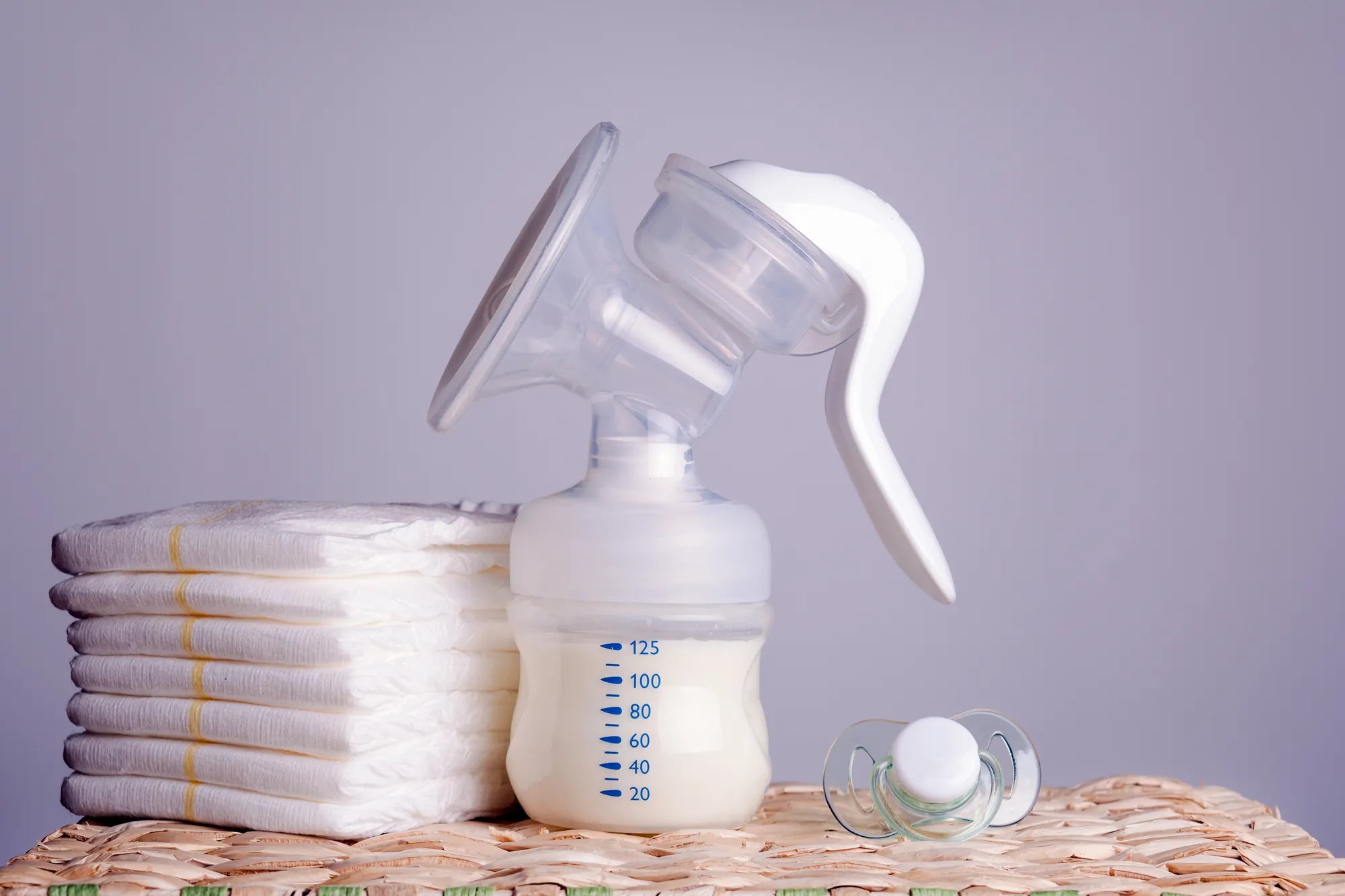
A breast pump is a mechanical device designed with one core medical and practical function: to express and remove breast milk from the lactating breast. It mimics a baby's suckling action by creating a rhythmic vacuum (suction) around the nipple and areola.
This suction stimulates nerves that signal the pituitary gland to release the hormone oxytocin. Oxytocin triggers the "let-down" reflex, causing the tiny muscles around the milk-producing cells to contract and squeeze milk into the ducts and out through the nipple. The pump then efficiently empties these ducts.
The process is fundamentally about extraction, not construction. It targets the glandular tissue's functional capacity for milk synthesis and ejection. It does not interact with or permanently alter the underlying fatty tissue matrix that constitutes the bulk of breast volume. Therefore, the primary answer to "Can a breast pump help enlarge breasts?" is no, not in a permanent, structural sense.
Using a high-quality pump like the MomMed S21 Wearable Breast Pump ensures this milk-removal process is comfortable, efficient, and convenient, supporting a mother's feeding schedule whether she is with her baby or apart. Its design focuses on optimal milk expression, not tissue modification.
Temporary vs. Permanent Changes: What You Might Actually See
The Illusion of Fullness and Engorgement
When you begin a regular pumping routine, especially in the early postpartum weeks, you may notice your breasts appear and feel fuller. This is a temporary effect of two factors: increased milk production (supply meeting demand) and heightened blood flow (vascular engorgement) to the mammary glands.
This state of fullness can create the illusion of enlarged breasts. However, it's directly tied to the presence of milk in the ducts and alveoli. After a pumping or feeding session, when the breasts are well-drained, they will feel softer and may appear less full. This cycle of filling and emptying is a normal part of lactation, not a permanent change in tissue volume.
Consistent pumping signals your body to continue producing milk, maintaining this cycle of temporary fullness for as long as you lactate. The comfort features of pumps, such as MomMed's multiple suction modes and levels, help manage this process without causing the pain of severe engorgement.
Post-Weaning: The Return to Baseline
The journey after you stop breastfeeding or pumping is called involution. This is the process where the milk-producing glandular tissue shrinks back down, a reversal of the growth that occurred during pregnancy. The rate and completeness of this process vary from woman to woman.
Your post-weaning breast size and shape are influenced by several key factors: the elasticity of your skin (which can be affected by age, genetics, and whether you experienced significant stretching), any changes in your overall body weight, and your genetic predisposition. The use of a pump during lactation does not dictate the outcome of this process.
Some women find their breasts return to a size and shape similar to their pre-pregnancy state. Others may notice they are slightly smaller or larger due to weight changes or differences in tissue composition. It's critical to understand that the pump was a tool for the lactation chapter; it is not a modulator of your long-term tissue fate after weaning.
Comparing Myths to Evidence-Based Facts
Let's clearly debunk common misconceptions with factual, physiological explanations. The following table contrasts popular myths with the evidence-based reality.
| Common Myth | Evidence-Based Fact |
|---|---|
| Pumping increases the amount of fatty tissue in the breasts. | Pumping targets and stimulates glandular (milk-producing) tissue. It does not generate new fat cells or cause the body to deposit additional fat specifically in the breasts. Body fat distribution is governed by hormones and genetics. |
| Using stronger suction levels will lead to bigger breasts. | Excessive suction does not equate to increased size. It can cause nipple pain, tissue damage, vasospasm, and edema. Effective pumping is about comfort and efficient milk removal. MomMed pumps offer adjustable, gentle-to-strong settings to find your comfortable maximum for output, not trauma. |
| Pumping when you are not pregnant or lactating will enlarge your breasts. | Without the hormonal milieu of pregnancy and lactation (high prolactin, etc.), the breast tissue is not in a proliferative, milk-producing state. Pumping in this context has no significant or lasting effect on size and may cause discomfort or irritation due to unnecessary friction and suction on non-lactating tissue. |
| Breast pumps can "lift" or reshape breasts to prevent sagging. | There is no scientific evidence that pumping strengthens the Cooper's ligaments or increases skin elasticity—the primary factors against sagging (ptosis). Sagging is more closely related to pregnancy itself (weight of engorged breasts), genetics, age, smoking, and significant weight fluctuations. A supportive bra is more impactful than pumping for breast shape support. |
| If you pump more milk, your breasts will stay larger forever. | High milk output is related to the functional capacity of your glandular tissue and milk removal frequency, not permanent volume. Once lactation ends and involution occurs, that glandular tissue atrophies. The size associated with high milk volume is temporary. |
Supporting Breast Health and Feeding Goals with the Right Tools
While a breast pump is not a device for enlargement, its real value for maternal and infant health is immense. A quality, well-designed pump supports successful breastfeeding, which is linked to numerous health benefits for both mother and baby. By allowing efficient milk removal, it helps establish and maintain a healthy milk supply, prevents issues like engorgement and mastitis, and provides flexibility for mothers who need to be away from their infants.
Choosing a pump that prioritizes comfort, efficiency, and safety is crucial for this supportive role. MomMed's wearable pumps, like the award-winning S21 model, are engineered with this holistic support in mind. Their BPA-free, food-grade silicone materials ensure safety, while features like adjustable suction modes and a ultra-quiet motor focus on a comfortable, discreet experience.
This comfort directly contributes to a more positive pumping experience, reducing stress and making it easier to stick to a schedule that maintains your supply. When you are comfortable and confident with your equipment, you can focus on the bonding and nutritional benefits of providing breast milk, which is a significant boost to overall well-being during motherhood.
The hands-free, wearable design of pumps like the MomMed S21 also empowers mothers with mobility and convenience, reducing the feeling of being "tethered" and supporting mental health. This holistic approach to design—supporting physical comfort and lifestyle needs—is where a breast pump truly shines.
Maximizing Pumping Efficiency and Comfort
To use a breast pump effectively for its true purpose, technique and product choice matter. First, ensure you have the correct flange (shield) size. A flange that is too large or too small can reduce milk output, cause pain, and damage tissue. Your nipple should move freely in the tunnel without rubbing, with minimal areola being pulled in.
Start your pumping session with a few minutes in a stimulation mode (fast, gentle sucks) to trigger your let-down reflex. Once milk begins to flow, switch to expression mode (slower, stronger sucks). Mimicking the baby's natural pattern is key. MomMed pumps feature these dedicated modes to help guide you through an effective session.
Pump frequently, especially in the early weeks, to build a robust milk supply. Consistency is more important than marathon sessions. Most mothers find pumping for about 15-20 minutes per breast, or about 2-5 minutes after the last drops of milk, is sufficient. Listen to your body and adjust.
Create a relaxing routine. Look at a photo or video of your baby, practice deep breathing, or have a glass of water. Stress can inhibit oxytocin. The quiet operation of a quality pump helps maintain a calm environment. Remember, effective pumping is about gentle, consistent removal that keeps your supply healthy and manageable.
FAQ: Your Top Questions Answered
1. Can pumping prevent my breasts from sagging after breastfeeding?
There is no conclusive evidence that pumping prevents sagging. Breast ptosis is primarily influenced by factors like the number of pregnancies, genetics, age, BMI, and smoking history. The stretching of skin and ligaments during pregnancy and the heavy, engorged phase of early lactation are significant contributors. Wearing a well-fitted, supportive bra day and night during lactation and maintaining stable weight are more proven supportive measures.
2. Will my breasts stay bigger if I pump very frequently or for long durations?
Only for the duration of your active lactation. Frequent pumping signals your body to produce more milk, which can maintain the temporary fullness of glandular tissue. However, once you wean and milk production ceases, that tissue will involute (shrink). Your long-term size will be determined by post-weaning weight and your genetic predisposition, not your previous pumping frequency.
3. Is it safe to use a breast pump for non-lactation purposes, like trying to enlarge breasts?
MomMed breast pumps are designed and intended specifically for the expression of breast milk. Using them for any other purpose is not recommended. Without the hormonal context of lactation, pumping is unlikely to have any effect and could lead to nipple soreness, skin irritation, or bruising. For any concerns about breast size or shape, consulting a healthcare provider or a board-certified plastic surgeon is the appropriate course of action.
4. I've heard about "pumping for pleasure." Does that affect size?
The concept of using suction for erotic stimulation is separate from the mechanical, milk-removal function of a breast pump. There is no evidence that this activity leads to permanent enlargement. The devices designed for clinical or feeding purposes, like MomMed pumps, are not intended or tested for this use, and such practice could carry risks of injury.
5. How do I know if the changes in my breasts are normal or if I should see a doctor?
Normal changes are typically symmetrical and related to your menstrual cycle, pregnancy, or lactation. You should consult a healthcare provider immediately if you notice: a new lump or thickening, dimpling or puckering of the skin, nipple retraction (turning inward), spontaneous nipple discharge (especially if bloody), redness or scaling of the nipple/areola, or a change in breast size or shape that is sudden and only on one side. Regular self-exams and clinical check-ups are important for breast health.
Embracing Your Body's Journey with Realistic Expectations
The journey of motherhood brings profound and beautiful changes to a woman's body. It's important to navigate this time with realistic expectations and evidence-based knowledge. A breast pump is a remarkable tool designed to support the vital work of feeding your baby, offering flexibility, comfort, and help in maintaining your milk supply. Its purpose, however, is not to permanently enlarge, lift, or reshape your breasts.
True body confidence comes from understanding and appreciating your body's capabilities. Your breasts perform the incredible task of nourishing your child, and a quality pump like those from MomMed exists to support that function with innovation and care. Focus on breast health, successful lactation, and choosing products that enhance your comfort and convenience during this special chapter.
Celebrate the strength and adaptability of your body. For all your breastfeeding, pumping, and baby care needs, trust in products built with your well-being in mind. Shop the MomMed collection at mommed.com for all your breastfeeding and pregnancy needs, and embrace your unique journey with confidence and support.