


Home
Pregnancy, Breastfeeding, and Pumping: The Ultimate Guide for Moms
A Breast Pump: Essential Guide for Modern Mothers
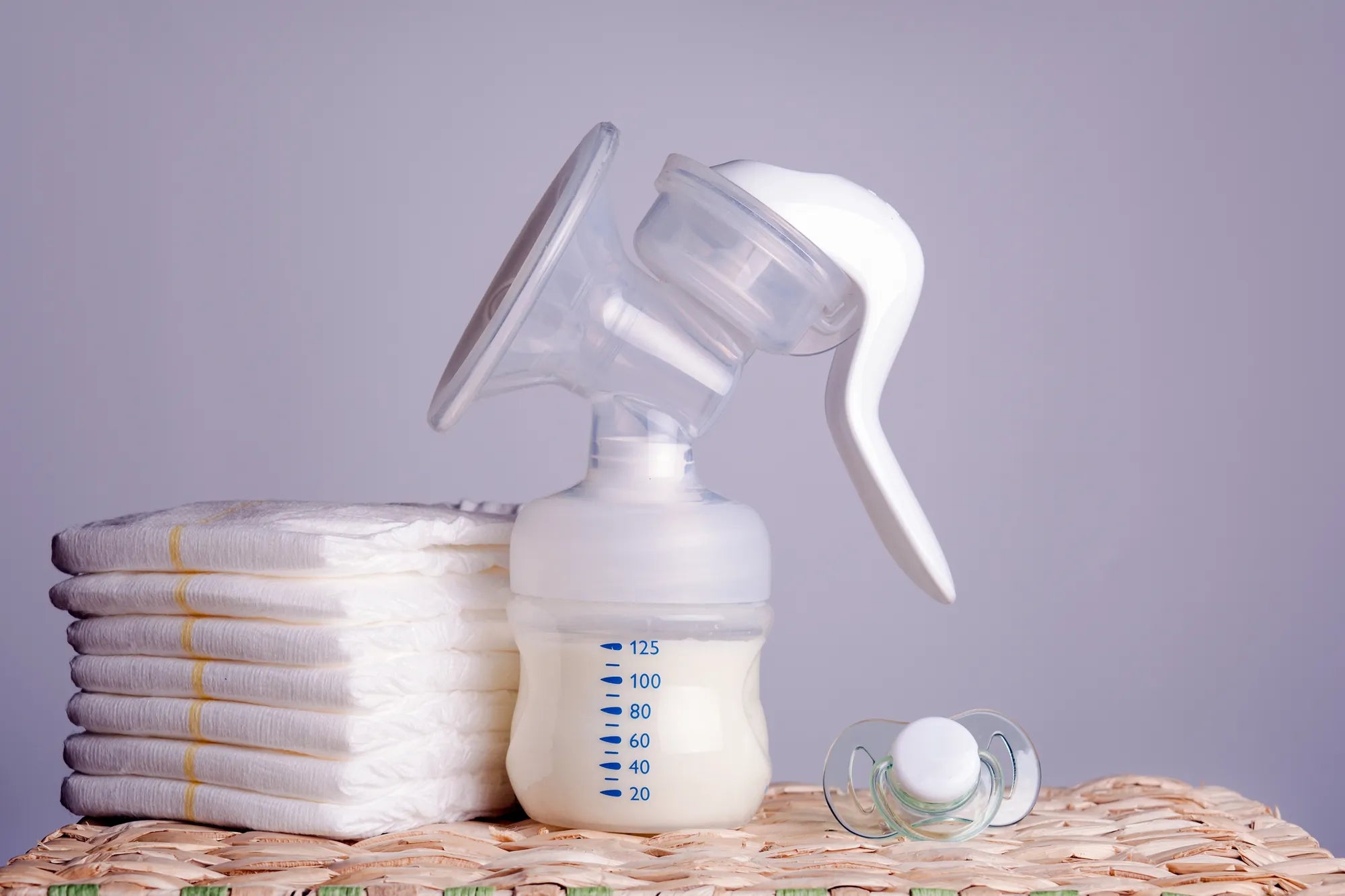
A Breast Pump: Essential Guide for Modern Mothers
Introduction to Breast Pumps: Your Modern Feeding Companion
Modern motherhood is a beautiful, complex journey that demands both flexibility and support. A breast pump is far more than a simple piece of equipment; it's a powerful tool that grants you freedom and control over your feeding experience. It’s not a replacement for breastfeeding but a complement that can empower you to meet your baby's needs in more ways than one. This guide will help you understand how this essential device can support your unique path, whether you're exclusively pumping, returning to work, or seeking more balance.
As a trusted maternal and baby care brand, MomMed is dedicated to empowering moms with innovative, comfortable solutions. We specialize in creating reliable products like wearable breast pumps, pregnancy test kits, and feeding gear, all designed with your well-being in mind. Our mission is to provide you with the tools and knowledge to navigate motherhood with confidence, knowing you have safe, effective options at your fingertips.
Why a Breast Pump is a Modern Motherhood Essential
A breast pump offers multifaceted benefits that extend far beyond the basic function of milk removal. Its role is crucial for both practical logistics and maternal well-being. Understanding these advantages can help you appreciate why it's considered a non-negotiable for many families today.
First and foremost, a pump is instrumental in establishing and maintaining your milk supply. Regular, effective milk removal signals your body to continue production. This is vital if your baby has latching difficulties, is in the NICU, or if you need to stimulate supply in the early days. Furthermore, it provides essential relief from painful engorgement, which can help prevent issues like clogged ducts and mastitis.
Beyond physiology, a breast pump fosters family bonding and shared responsibility. It allows partners, grandparents, and other caregivers to participate in feeding, creating special bonding moments and giving you crucial breaks. This support system is invaluable for your mental health, allowing time for self-care, appointments, or even a few uninterrupted hours of sleep.
For mothers returning to work or school, a breast pump is the key to continuing to provide breast milk. It enables you to maintain your feeding goals while pursuing your professional or educational aspirations. Ultimately, a breast pump provides the flexibility that defines modern motherhood, offering choices that align with your lifestyle and your baby's needs.
Navigating the Types of Breast Pumps: Finding Your Perfect Fit
The breast pump market offers a variety of models, each designed for different needs and lifestyles. Choosing the right type is the first step toward a successful and comfortable pumping experience. Here’s a breakdown of the main categories to guide your decision.
Hospital-Grade vs. Personal-Use Pumps
Hospital-grade pumps are powerful, multi-user devices designed for frequent, efficient milk removal. They are typically rented through a hospital or medical supplier and are often recommended for establishing milk supply in the first few weeks, for mothers of preemies, or for those with low supply issues. Personal-use pumps, which you own, are designed for daily, long-term use. They are more compact and come in various styles, like the MomMed Swing Breast Pump, offering robust performance for personal needs.
Single vs. Double Electric Pumps
Single electric pumps express milk from one breast at a time. They are often more affordable and portable but can make pumping sessions twice as long. Double electric pumps, like the MomMed S21 Double Wearable, allow you to pump from both breasts simultaneously. This is far more efficient, saving significant time and often yielding a better milk output due to the increased prolactin response from dual stimulation.
Wearable vs. Traditional Electric Pumps
This is where innovation has revolutionized pumping. Traditional electric pumps have a main motor unit connected via tubes to bottles and flanges that you hold or secure with a hands-free bra. They are powerful but can limit mobility. Wearable breast pumps, such as the MomMed S21 or S12 models, are cordless, compact units that fit inside your bra. They offer ultimate discretion and freedom, allowing you to pump while working, commuting, or caring for older children.
Manual Pumps: A Simple Backup
Manual breast pumps are operated by hand, giving you direct control over suction rhythm and strength. They are inexpensive, completely silent, and highly portable, making them an excellent backup for emergencies or occasional use. However, they require more hand effort and are not ideal for exclusive or frequent pumping due to the potential for fatigue.
Key Features to Consider When Choosing Your Pump
Beyond the basic type, specific features determine how effective, comfortable, and convenient your pump will be. Evaluating these aspects will help you find a model that fits seamlessly into your life.
Comfort & Customization: Suction Modes and Levels
Comfort is paramount. Look for pumps that offer both a stimulation (let-down) mode and an expression mode. The stimulation mode uses faster, lighter suction to trigger your milk ejection reflex. Once let-down occurs, the expression mode switches to slower, deeper pulls to efficiently drain the breast. Adjustable suction levels allow you to find the strongest yet most comfortable setting, preventing nipple pain and damage.
Performance: Efficiency and Suction Strength
Performance is measured by suction strength (often in mmHg) and cycle speed. Effective milk removal requires a pump that can create sufficient vacuum. Many personal pumps, including MomMed's, offer hospital-grade suction levels. A faster cycle speed can mimic a hungry baby's rapid suckling, which some women find more effective. The goal is a pump that empties the breast well to protect your supply.
Portability & Discretion: Design for an Active Life
For the modern, on-the-go mom, portability is key. Consider size, weight, noise level, and battery life. Wearable pumps excel here, being lightweight and fitting discreetly in your bra. Ultra-quiet motors (under 45 dB) allow you to pump in shared spaces without drawing attention. Long battery life, preferably with rechargeable lithium-ion batteries, ensures you aren't tethered to an outlet.
Ease of Use & Cleaning: Simplifying Your Routine
Pumping adds steps to your day, so simplicity matters. Intuitive controls with clear displays are helpful, especially during nighttime sessions. Fewer parts mean easier assembly and cleaning. All parts that contact milk should be BPA-free and dishwasher-safe for thorough sanitation. MomMed uses food-grade, medical-grade silicone in all breast pump components, ensuring safety for your baby and ease for you.
How to Use Your Breast Pump Effectively and Comfortably
Proper technique is just as important as the pump itself. Following best practices from the start can maximize output, ensure comfort, and help you establish a sustainable routine.
Getting Started: Preparation and Fitting
Begin with clean hands and assembled, clean parts. The most critical step is ensuring correct flange fit. The flange is the funnel that surrounds your nipple. Your nipple should move freely in the tunnel without rubbing the sides, and very little areola should be pulled in. An incorrect size is a common cause of low output and pain. Create a relaxing environment, perhaps with a photo or video of your baby, and use warm compresses or gentle breast massage before starting to encourage let-down.
The Pumping Session: Technique and Timing
Start with the stimulation mode for 1-2 minutes or until you see milk flowing in streams. Switch to expression mode. Use your hands to gently massage your breasts from the chest wall toward the nipple during pumping (hands-on pumping), which can increase output by up to 48%. A typical session lasts 15-20 minutes per breast if single pumping, or 15-20 minutes total if double pumping. Pumping for a few minutes after milk stops flowing can help ensure better drainage.
Storing Your Liquid Gold: Best Practices
Safe storage preserves the nutritional and immunological benefits of your milk. Use clean bottles or specially designed breast milk storage bags. Label each container with the date and time expressed. Follow evidence-based guidelines: freshly expressed milk can be kept at room temperature (up to 77°F) for up to 4 hours, in the refrigerator for up to 4 days, and in a freezer compartment for 6-12 months. Always use the oldest milk first.
| Storage Location | Temperature | Safe Duration |
|---|---|---|
| Room Temperature | Up to 77°F (25°C) | Up to 4 hours |
| Refrigerator | 39°F (4°C) or below | Up to 4 days |
| Freezer (with separate door) | 0°F (-18°C) or below | 6-12 months |
| Cooler with Ice Packs | – | Up to 24 hours |
Integrating a Breast Pump into Your Feeding Journey
A breast pump can play different roles at different stages. Understanding how to leverage it for your specific goals makes the process more manageable and effective.
Building a Freezer Stash
To build a stash without causing an oversupply, add one extra pumping session per day, ideally in the morning when prolactin levels are highest. You might pump for 10-15 minutes after your first morning feed. Even an ounce or two per day adds up quickly. Store milk in small quantities (2-4 oz) to avoid waste. Remember, the goal is a backup supply, not to fill an entire freezer.
Combining Breastfeeding and Pumping (Combo Feeding)
Many mothers successfully combine direct breastfeeding with bottle-feeding expressed milk. This approach offers maximum flexibility. You can breastfeed when together and leave expressed milk for when you're apart. To maintain supply, try to pump at roughly the same time a bottle is given. This signals your body to continue producing milk for that feeding session.
Returning to Work or School
Planning is essential. About 1-2 weeks before your return, start practicing with your pump and introducing a bottle to your baby. At work, aim to pump every 2-3 hours to match your baby's feeding schedule. Communicate with your employer about your need for breaks and a private, clean space (not a bathroom) to pump. A reliable, efficient pump like a double electric or wearable model is invaluable for this stage.
Frequently Asked Questions (FAQs)
Q: When should I start using a breast pump?
A: Timing depends on your goals. If breastfeeding is well-established (usually around 3-6 weeks), you can introduce pumping to build a stash. If you're separated from your baby due to NICU stay or latch issues, you may need to start pumping within hours of birth to establish supply. Always consult with a lactation consultant or healthcare provider for personalized advice.
Q: How often should I pump to maintain my supply?
A: To maintain a full milk supply, you generally need to remove milk as often as your baby feeds, about 8-12 times in 24 hours. If you're exclusively pumping, this means pumping every 2-3 hours, including once at night. If you're pumping to replace missed feedings (like at work), pump for each feeding you miss.
Q: Can I use a breast pump if I have low milk supply?
A> Yes, a breast pump can be a critical tool for increasing supply. Frequent, effective milk removal (every 2-3 hours) is the primary way to signal your body to produce more milk. Using a hospital-grade or high-quality double electric pump, along with hands-on pumping techniques, can be particularly helpful. Consult a lactation specialist for a tailored plan.
Q: How do I know if my breast pump flanges fit correctly?
A> Your nipple should move freely in the tunnel without rubbing. Only a small amount of areola (the darker skin around the nipple) should be drawn in. After pumping, your nipple should not be blanched (white), compressed, or painful. Signs of a bad fit include persistent pain, low output, and swelling at the base of the nipple. Many brands, including MomMed, offer multiple flange sizes.
Q: Is it normal to get less milk with a pump than when breastfeeding?
A> Yes, it's common. A baby is typically more efficient at removing milk than even the best pump. The average pumping output per session is 0.5 to 4 ounces combined from both breasts. Output can vary based on time of day, hydration, stress, and pump fit. Focus on the total 24-hour output rather than a single session.
Conclusion: Empowering Your Choice, Supporting Your Journey
Selecting and using a breast pump is a deeply personal decision that can significantly empower your motherhood experience. It's a tool that provides flexibility, supports your physical health, and enables you to share the feeding journey. By considering your lifestyle, specific goals, and the key features of comfort, performance, and portability, you can find a pump that feels like a helpful partner, not a chore.
Remember, whether you're building a stash for peace of mind, navigating a return to the office, or simply seeking a little more freedom, a breast pump is your ally. At MomMed, we are committed to supporting you with innovative, comfortable, and reliable tools designed for real life. Our award-winning S21 double wearable pump embodies this mission, offering hospital-grade suction in a discreet, cord-free design to help you pump on your own terms.
Your feeding journey is unique, and having the right equipment makes all the difference. Shop the MomMed collection at mommed.com for all your breastfeeding and pregnancy needs, from wearable pumps to essential baby care products, and take the next step with confidence.