


Home
Pregnancy, Breastfeeding, and Pumping: The Ultimate Guide for Moms
Which Breast Pump Has the Strongest Suction: A Comprehensive Guide to Optimal Performance
Which Breast Pump Has the Strongest Suction: A Comprehensive Guide to Optimal Performance
Introduction: Understanding Suction Strength in Breast Pumps
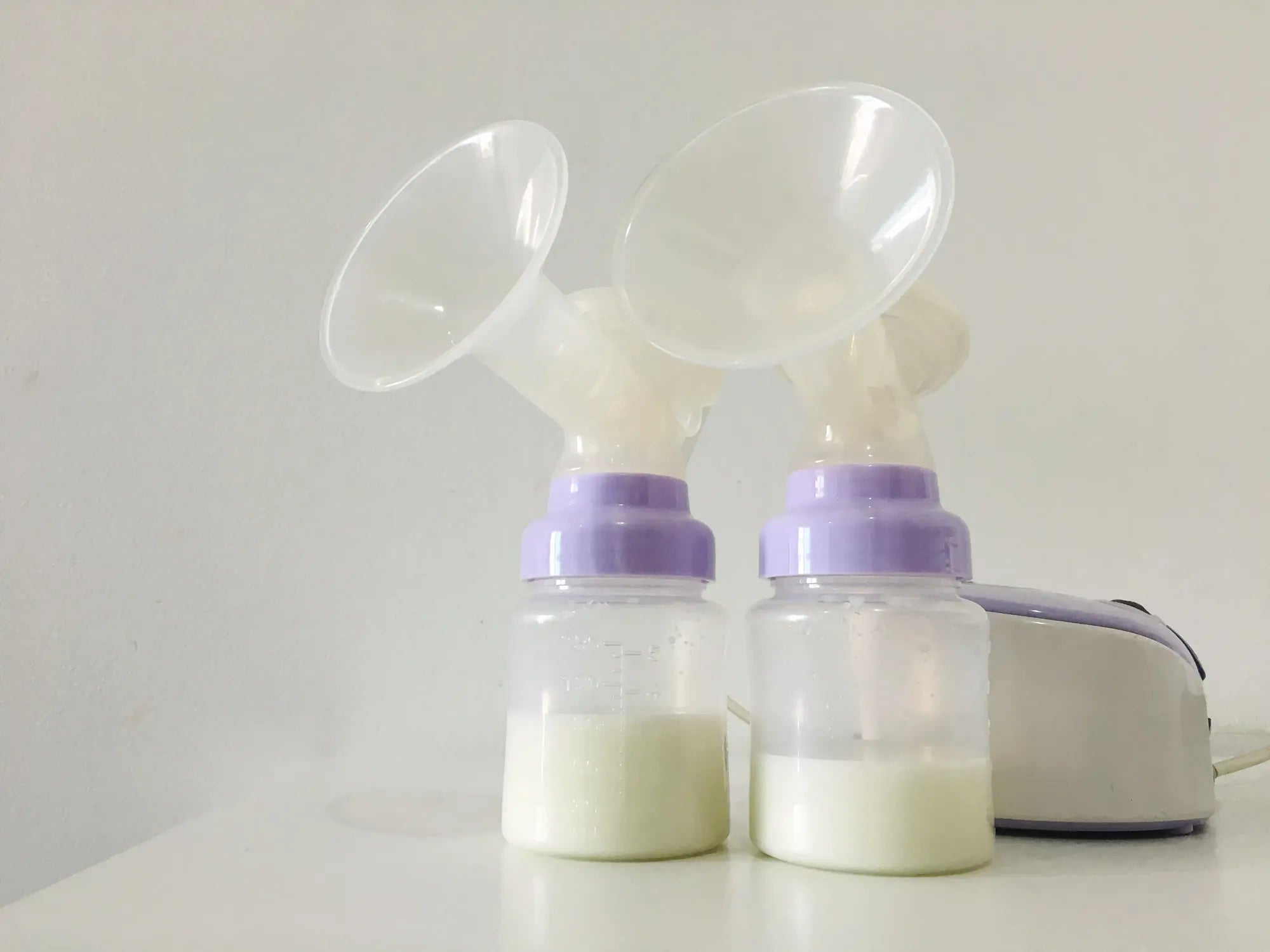
For mothers who pump, finding a breast pump with effective, powerful suction is often a top priority. The question of which breast pump has the strongest suction is more nuanced than comparing a single number. This comprehensive guide will dissect the science behind pump suction, compare top-performing models, and help you find the optimal balance of power, comfort, and efficiency for your breastfeeding journey.
Suction strength, measured in millimeters of mercury (mmHg), refers to the vacuum pressure a pump creates to draw milk from the breast. However, raw suction power alone does not equal effective milk expression. The true goal is efficient milk removal, which depends on a combination of suction strength, cycle speed, and personalized comfort settings that trigger your milk let-down reflex.
This article will provide a data-driven analysis to answer the core question: which breast pump has the strongest suction in various categories? More importantly, we'll explain why the strongest pump for you is the one that empties your breasts comfortably and completely, supporting your milk supply and fitting your lifestyle.
What Makes a Breast Pump "Strong"? Key Factors Beyond the Number
When evaluating strength, the maximum mmHg rating is just the starting point. A pump advertised with 300 mmHg might not be more effective than one rated at 250 mmHg if it's uncomfortable or doesn't mimic a baby's natural nursing rhythm. Effective expression is a symphony of factors working together.
The cycle speed, measured in cycles per minute (CPM), determines how quickly the pump alternates between suction and release. A successful pumping session typically begins with a high CPM, low suction "stimulation" mode to trigger let-down, then switches to a slower, deeper "expression" mode. The best pumps offer wide, customizable ranges for both settings.
Flange fit is arguably as critical as motor power. An incorrectly sized flange can cause pain, reduce milk output, and make even moderate suction feel unbearable. The tunnel should allow your nipple to move freely without rubbing the sides. Brands like MomMed prioritize this with BPA-free, food-grade silicone parts and multiple flange size options to ensure a proper seal and comfortable fit.
Finally, personal response is key. Your breast tissue sensitivity, milk ejection reflex, and individual physiology mean the "strongest" setting on paper might be ineffective or painful for you. The optimal pump provides a wide enough range to find your personal sweet spot of powerful yet comfortable expression.
Hospital-Grade vs. Personal-Use Pumps: Where Maximum Suction Typically Resides
Historically, the title for the strongest suction belonged unequivocally to hospital-grade multi-user pumps. These robust, durable machines are designed for maximum performance, often used in hospitals to help establish milk supply for NICU babies or mothers with medical challenges.
Pumps like the Medela Symphony and Ameda Platinum are hospital-grade workhorses. They are built for near-constant use, offer extremely consistent vacuum, and are calibrated to the highest safety and performance standards. Their primary goal is reliable, powerful milk removal, making them a common choice for renting in the early postpartum period.
However, the landscape has shifted. Many modern personal-use double electric pumps now offer suction levels that meet or exceed those of older hospital-grade models. Pumps like the Spectra S1/S2 and Motif Luna boast suction ranges up to 280-300 mmHg, blurring the line between personal and clinical strength.
The key difference often lies in durability and intended use cycle. Hospital-grade pumps are built for thousands of hours of use by multiple users (with separate, personal accessory kits). Personal pumps are designed for a single user's daily use over many months. For most mothers, a high-quality personal-use pump provides more than enough strength, along with coveted features like portability and quiet operation.
Analyzing Top Contenders: Suction Specifications and Real-World Performance
To determine which breast pump has the strongest suction, we must look at specifications and user-reported efficacy. The following table compares key models known for their powerful performance across different categories.
| Pump Model | Category | Max Suction (mmHg) | Cycle Speed Range | Key Strength Notes |
|---|---|---|---|---|
| Spectra S1/S2 | Personal-Use Electric | Up to 300 | 30-54 CPM | Widely cited as one of the strongest personal pumps. Hospital-grade suction with a gentle, rhythmic cycle. |
| Medela Symphony | Hospital-Grade Rental | Up to 300+ | Adaptive (Initiate/Express) | The clinical gold standard. Provides consistent, powerful suction with research-backed technology. |
| Motif Luna | Personal-Use Electric | Up to 280 | 30-50 CPM | Strong, customizable suction. Often noted for its powerful yet quiet motor. |
| MomMed S21 Wearable | Wearable Electric | Multiple Adjustable Modes | Variable (1-9 Levels) | Award-winning design focuses on effective, comfortable expression. Combines strong performance with ultimate portability. |
| Medela Pump in Style | Personal-Use Electric | Up to 250 | Adaptive (Let-down/Expression) | Reliable, strong suction from a legacy brand. Effective for maintaining supply. |
| Manual Pumps (Various) | Manual | User-Controlled | User-Controlled | Can generate very high, direct suction but is limited by user hand stamina and technique. |
Hospital-Grade & Heavy-Duty Personal Pumps
Models like the Spectra S1/S2 and Motif Luna represent the pinnacle of strong suction in the personal-use market. With maximum vacuum settings reaching 280-300 mmHg, they are frequently recommended for mothers with low milk supply, those exclusively pumping, or those who need to establish a robust supply. Their strength is not just in peak power but in the ability to maintain a consistent, rhythmic vacuum throughout a session.
The Medela Symphony, as a true hospital-grade pump, operates on a different principle. Its "Initiate" and "Express" phases are designed to automatically mimic a baby's natural pattern, applying research-based levels of suction and speed to maximize output. For mothers seeking the absolute strongest, most clinical-grade performance available for rental, it remains a top contender.
It's crucial to remember that these pumps are most effective when used correctly. Starting at the highest suction level can cause tissue damage, pain, and vasospasm, ironically inhibiting let-down. The strength of these pumps lies in their range, allowing you to find a comfortable yet highly effective setting.
Wearable Pumps: Balancing Power and Portability
The rise of wearable pumps has brought the question of suction strength to the forefront of innovation. Early models sacrificed some power for discretion. Today, advanced wearables have closed the gap significantly, offering impressive suction in a compact, cord-free design.
Take the award-winning MomMed S21 Double Wearable Breast Pump as a prime example. It is engineered not just for portability but for effective performance. Through smart motor design, it delivers multiple adjustable suction modes and levels tailored for both stimulation and efficient expression. For many mothers, it provides the strong, comfortable suction needed to empty breasts effectively, all while being truly hands-free.
The strength of a wearable pump is measured not just in mmHg but in its ability to integrate powerful expression into an active lifestyle. A pump that a mother is willing and able to use consistently during work, travel, or childcare will do more for her supply than a stronger pump that stays on the shelf due to inconvenience.
Manual Pumps: User-Controlled Strength
Manual pumps present a unique case. They have no motor-driven maximum; the suction strength is directly controlled by the user's hand. A determined user can generate a very high, sharp vacuum. This can be useful for quick relief of engorgement or as a backup.
However, this raw, user-generated strength has significant drawbacks. It is difficult to maintain a consistent rhythm for the 15-20 minutes required for a full session, leading to hand fatigue. The lack of a rhythmic, cycling stimulation mode can also make triggering let-down more challenging. For regular, efficient milk removal, an electric pump with programmable cycles is generally superior.
Finding Your "Strongest" Match: Comfort, Efficiency, and Lifestyle
Identifying which breast pump has the strongest suction for you requires a personal audit of your needs. The strongest pump is the one you will use consistently and comfortably to effectively drain your breasts. Consider these pillars: comfort, efficiency, and lifestyle integration.
Comfort is non-negotiable. Pain is not a sign of effectiveness; it's a sign of a problem. Look for pumps with gradual, adjustable settings that allow you to build suction to a comfortable maximum. Features like soft silicone flanges (a standard in MomMed products), closed systems that prevent milk backflow into the motor, and quiet operation all contribute to a more comfortable, less stressful experience.
Efficiency means complete milk removal in a reasonable time. This is where the interplay of suction and cycle speed matters most. A pump that offers a distinct, customizable let-down mode can be more efficient than a simply "strong" one. Observe your output and how your breasts feel after pumping—soft and drained indicates an efficient session.
Your lifestyle dictates the pump's form factor. An exclusively pumping mom may prioritize the robust power of a plug-in model like a Spectra. A working mom on the go might find the strongest pump for her is a powerful wearable like the MomMed S21, because its combination of strength and portability ensures she can pump consistently, protecting her supply.
Safety and Best Practices: Using Strong Suction Effectively
Harnessing the power of a high-suction pump requires knowledge and caution. Misuse can lead to nipple damage, vasospasm, and decreased milk supply. Follow these evidence-based practices to pump safely and effectively.
Never start at your maximum suction setting. Always begin each session in stimulation/massage mode with high speed and low vacuum. Once your milk begins to flow steadily (usually after 1-2 minutes), switch to expression mode with slower, deeper suction. Increase the vacuum level only to a point of firm pull without pain.
Ensure perfect flange fit. Your nipple should center in the tunnel with minimal areola pull. Rubbing, pinching, or your nipple hitting the end of the tunnel means the size is wrong. Most women need a flange size smaller than what is provided in standard kits. Proper fit ensures the powerful suction is applied correctly to the milk ducts.
Limit session duration. Even with comfortable settings, most pumping sessions should not exceed 20-30 minutes per breast. Over-pumping can cause edema (swelling) in the breast tissue, which can block milk flow. If you are exclusively pumping, frequency (8-12 times in 24 hours) is more important than marathon sessions.
Listen to your body. Signs the suction is too strong include: pain that doesn't subside after the first minute, nipple blanching (turning white) during or after pumping, pinching sensations, or cracked, damaged skin. If you experience these, lower the setting immediately and reassess flange size.
Frequently Asked Questions (FAQ)
Q: Is the pump with the highest mmHg number the best?
A: Not necessarily. While high maximum suction indicates potential power, the best pump effectively mimics a baby's nursing pattern. A comfortable, rhythmic cycle that triggers multiple let-downs will remove more milk than an uncomfortably high, static vacuum that causes tissue trauma and inhibits let-down.
Q: Can using the strongest suction setting increase my milk supply?
A> Supply is increased by frequent, effective milk removal, not by pain or extreme suction. Using a comfortably high setting that fully empties your breasts signals your body to make more milk. Painful pumping can increase stress hormones like cortisol, which may actually impede milk ejection.
Q: My wearable pump doesn't advertise a high mmHg. Is it still effective?
A> Yes. Many wearable pumps, including the MomMed S21, are engineered for optimal performance through intelligent motor design that creates effective suction patterns within a compact system. Their effectiveness is proven by user outcomes—reliable milk removal in a portable format—which is the ultimate measure of a pump's "strength."
Q: How do I know if the suction is too strong for me?
A> Clear signs include: sharp or lasting pain, your nipple turning white or purple during pumping (blanching), pinching sensations, or the formation of blisters or cracks. Your nipple should move freely in the tunnel, and sensation should be a strong pull, not a sharp pain.
Q: Are hospital-grade pumps always stronger than personal pumps?
A> In terms of raw motor durability and consistency for 24/7 use, yes. However, the maximum suction levels of top-tier personal pumps now match or approach those of hospital-grade models. For a single user, a high-quality personal pump often provides equivalent effective strength with greater convenience and features.
Conclusion: Strength is Personal and Multifaceted
The quest to find which breast pump has the strongest suction reveals that strength is a multi-dimensional feature. It encompasses not just vacuum power, but also cycle intelligence, comfort engineering, and lifestyle compatibility. The strongest breast pump for any mother is the one that empowers her to remove milk efficiently, comfortably, and consistently—whether that's a hospital-grade rental, a powerful personal electric, or an innovative wearable.
Prioritize a pump from a trusted brand that offers a wide range of customizable settings, proper flange fit, and is designed for your daily reality. By focusing on effective emptying rather than a maximum number, you invest in a tool that supports your long-term breastfeeding and pumping goals. Remember, the most powerful tool in your journey is your own body, supported by equipment that works with it, not against it.
Ready to find your perfect match? Explore a range of powerful, comfortable, and innovative pumping solutions designed with moms in mind. Shop the MomMed collection at mommed.com for all your breastfeeding and pregnancy needs, from award-winning wearable pumps to essential nursing accessories.