


Home
Pregnancy, Breastfeeding, and Pumping: The Ultimate Guide for Moms
Should I Buy a Breast Pump Before Birth? A Comprehensive Guide
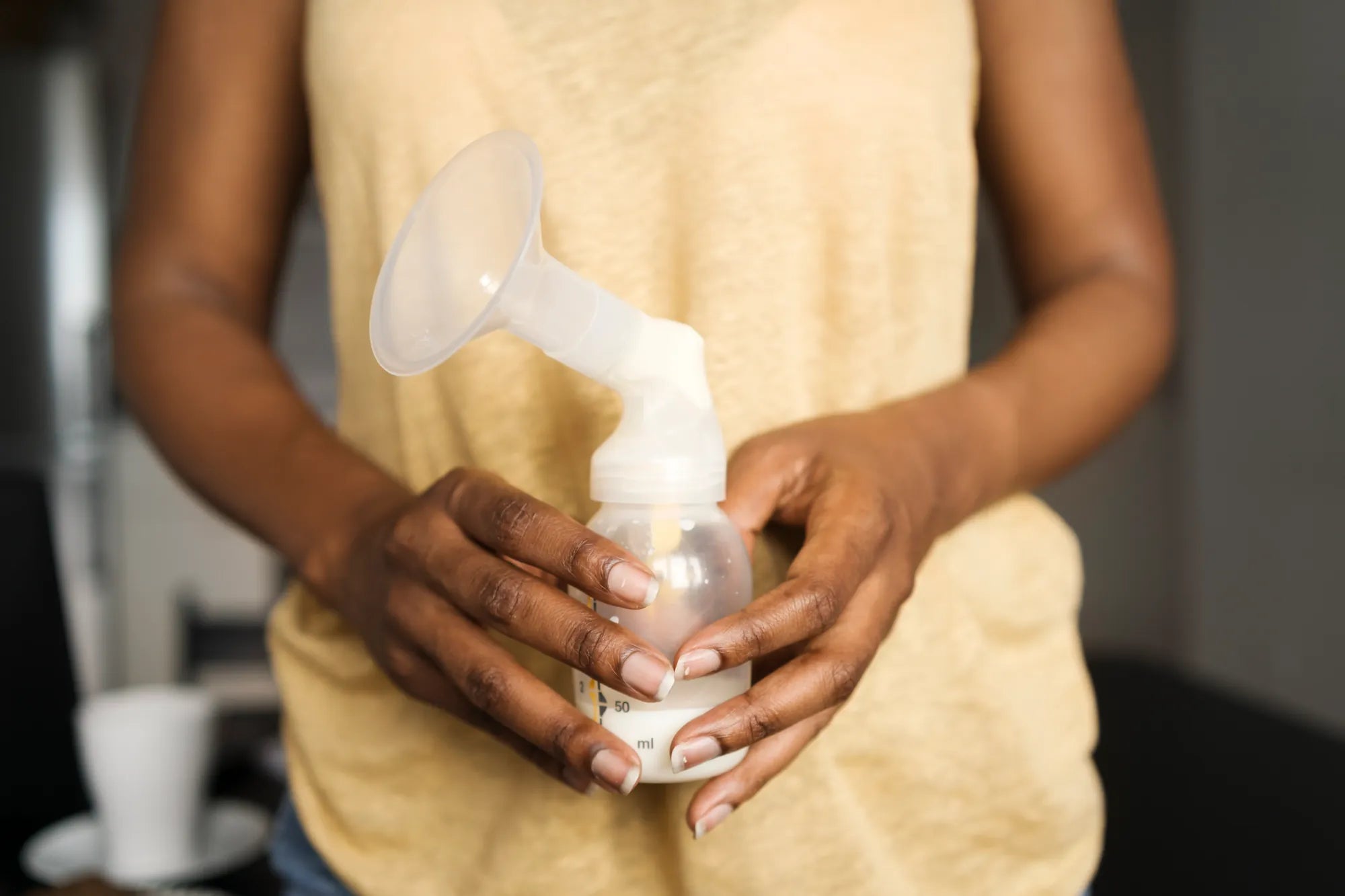
Should I Buy a Breast Pump Before Birth? A Comprehensive Guide
Introduction: The "To Buy or Not to Buy" Question for Expecting Moms
The decision of whether to buy a breast pump before birth is a common and often stressful dilemma for expectant parents. You're navigating a sea of baby gear lists, prenatal advice, and personal anxieties, wondering if this is an essential pre-birth purchase or something you can figure out later. This comprehensive guide is designed to cut through the noise.
We will explore the practical, financial, and emotional considerations behind this decision. The core question, "Should I buy a breast pump before birth?" doesn't have a universal answer, but it does have a personalized one based on your lifestyle, goals, and circumstances. By the end of this guide, you'll have a clear framework to decide what's best for you and your baby.
Understanding Your Breastfeeding Goals and Situation
Your personal circumstances are the most significant factor in this decision. A one-size-fits-all approach doesn't work for breastfeeding, and the same is true for acquiring a pump. Start by honestly assessing your anticipated postpartum life.
Consider your return-to-work timeline, your desire for feeding flexibility, your partner's interest in participating in feedings, and any known medical or anatomical factors. A mother planning to be a stay-at-home parent with immediate, on-demand feeding access has different needs than a mother returning to a full-time office job at six weeks postpartum.
Your mental approach matters too. For some, having the pump ready provides immense peace of mind and a sense of preparedness. For others, it adds an unnecessary layer of pressure or financial strain before the baby even arrives. Aligning your decision with your broader feeding philosophy is key.
Scenarios Where an Early Purchase Makes Sense
Buying a breast pump before birth is highly recommended in several specific situations. If you plan to return to work or school within the first few months, a pump is non-negotiable for maintaining your milk supply and providing breast milk while you're apart. Having it ready avoids a last-minute scramble during the stressful newborn phase.
Mothers who want to establish a freezer stash of milk—whether for peace of mind, to enable occasional longer outings, or to have a backup supply—benefit from starting early. You can often begin collecting and freezing colostrum in the final weeks of pregnancy (with your doctor's approval), and a pump facilitates this.
If you have risk factors for low milk supply, such as Polycystic Ovary Syndrome (PCOS), thyroid conditions, prior breast surgery, or Insufficient Glandular Tissue (IGT), having a high-quality, efficient pump ready from day one is a proactive step. It allows for immediate stimulation and potential supplementation if needed.
When You Might Consider Waiting
Waiting to purchase a pump can be a prudent choice in other scenarios. If you are genuinely uncertain about whether you will breastfeed or pump at all, renting a hospital-grade pump for a month post-birth can be a low-commitment way to try it out before investing in your own equipment.
For parents who plan for one partner to be a full-time, stay-at-home caregiver with the intention of exclusive, direct breastfeeding on demand, the immediate need for a pump may be lower. However, even in this case, a basic manual or single electric pump for occasional relief is often advised.
If financial constraints are a primary concern and your insurance coverage is unclear, waiting until after birth to navigate the insurance process or to use hospital resources might be necessary. However, as we'll explore next, understanding insurance can often make a pre-birth purchase a low or no-cost option.
The Practical Benefits of Having a Pump Ready from Day One
The postpartum period is physically demanding and emotionally intense. Having a reliable breast pump already at home eliminates one significant source of potential stress. You are prepared for any feeding challenge that arises, which is empowering during a time when you may feel you have little control.
From a physiological standpoint, early access is crucial. If your baby has difficulty latching in the first days, using a pump helps stimulate milk production and allows you to feed your expressed colostrum via a syringe or cup. This protects your supply and ensures your baby gets vital nutrients and antibodies.
Engorgement, when milk first comes in around days 2-5, can be intensely painful. A pump provides immediate relief by gently removing milk to soften the breast, making it easier for your baby to latch. It can also help manage oversupply or clear a clogged duct in its early stages.
Furthermore, a pump enables shared feeding from the start. Your partner or other support person can give a bottle of expressed milk, allowing you to get a crucial block of uninterrupted sleep, which is vital for recovery and mental health. This early participation also fosters bonding for the non-lactating parent.
Navigating Insurance Coverage and Timing
In the United States, the Affordable Care Act (ACA) requires most health insurance plans to cover the cost of a breast pump. This coverage is a game-changer and directly impacts the "buy before birth" decision. Understanding your plan's specifics is the first step.
Most insurance plans allow you to order your covered pump during your pregnancy, typically after a certain gestational week (often 28-32 weeks). You are not required to wait until after delivery. Contacting your insurance provider or using a dedicated durable medical equipment (DME) partner is the standard process.
Plans vary in how they provide the pump. Some offer a specific list of models you can choose from at no cost. Others provide a set monetary allowance, allowing you to upgrade to a more advanced pump by paying the difference. Knowing this helps you evaluate if the pump you want is fully covered or requires an additional investment.
Taking care of this paperwork during pregnancy is a strategic move. It ensures your pump is shipped and arrives before your due date, integrating seamlessly into your postpartum plan. It transforms the question from a financial burden to a simple logistical step in your prenatal preparation.
Choosing the Right Pump: Features to Prioritize
If you decide to secure a pump before birth, selecting the right model is the next critical step. The ideal pump balances clinical efficiency with real-world practicality for a new mother's life. Modern innovations, particularly in wearable technology, have dramatically shifted what's possible.
Focus on pumps that offer a combination of powerful performance, comfort, and flexibility. As a trusted maternal care brand, MomMed specializes in creating products that meet these exact needs, helping moms navigate breastfeeding with reliable, comfortable, and innovative solutions.
Why Wearable and Hands-Free Design is a Game-Changer
The advent of true wearable breast pumps has revolutionized the pumping experience. Unlike traditional plug-in pumps that confine you to a chair, wearable pumps fit discreetly inside your bra, allowing full mobility. This is not merely a convenience; it's a fundamental improvement in quality of life.
For a new mom, time is fragmented. A wearable pump allows you to care for your newborn, prepare a meal, help an older child, or even respond to work emails while pumping. This hands-free functionality reduces the feeling of being "tethered" and can make maintaining a pumping schedule more sustainable, especially for working moms.
The psychological benefit is significant. The discretion and freedom can reduce feelings of isolation and make the pumping journey feel more integrated into your daily life, rather than a separate, burdensome task.
Key Features for Comfort and Efficiency
When evaluating pumps, prioritize these evidence-based features for a better experience. Adjustable suction and cycle settings are non-negotiable. Every woman's body is different; a pump with multiple modes (like a let-down mode and expression mode) and a wide range of suction levels allows you to find your personal comfort zone for effective milk removal.
Ultra-quiet operation is essential for discreet use and to avoid waking a sleeping baby. Modern pumps like MomMed's models are engineered to be whisper-quiet. Hospital-grade performance refers to the pump's motor strength and ability to maintain suction, which is crucial for establishing and protecting milk supply, especially in the early weeks.
Finally, ensure all parts that contact milk are made from BPA-free, food-grade materials. MomMed uses medical-grade and food-contact silicone in all its breast pumps, ensuring the highest safety standards for you and your baby.
Spotlight on an Award-Winning Option
For mothers seeking a top-tier, hands-free solution from the start, the MomMed S21 Double Wearable Breast Pump exemplifies the ideal blend of innovation and practicality. As a winner of multiple industry awards for design and innovation, the S21 is built on proven technology and user-centric design.
Its key advantages include a compact, cordless design that fits invisibly in any bra, powerful yet quiet motors for efficient pumping, and multiple stimulation and expression modes for personalized comfort. For a mom deciding to buy a breast pump before birth, choosing a versatile, award-winning wearable option like the S21 provides maximum preparedness for any feeding scenario that arises postpartum.
Comparison: Buying a Breast Pump Before vs. After Birth
The following table summarizes the key trade-offs to help visualize the decision.
| Consideration | Buying BEFORE Birth | Buying AFTER Birth |
|---|---|---|
| Preparedness | High. Ready for any immediate postpartum need (latching issues, engorgement). | Low. Risk of scrambling to rent or buy during the stressful newborn period. |
| Insurance Process | Can be handled calmly during pregnancy. Pump arrives before you need it. | Must be navigated while recovering and caring for a newborn, potentially causing delays. |
| Cost with Insurance | Often $0 for a covered model. Upgrade options are clear. | Same coverage, but timing stress may lead to rushed decisions or out-of-pocket rentals. |
| Peace of Mind | Significant. One less item to worry about postpartum. | Variable. May cause anxiety if feeding challenges emerge without a tool to address them. |
| Risk of Non-Use | Low if you have clear indicators (returning to work, etc.). A quality pump holds resale value. | N/A, but waiting may mean missing the window to use insurance coverage effectively. |
| Ability to Research | Ample time to read reviews, compare features, and choose the best model for your life. | Limited time may lead to a choice based on availability rather than optimal features. |
Your Pre-Birth Breast Pump Checklist
Use this actionable checklist to guide your final decision. If you answer "yes" to most of these, buying a breast pump before birth is likely the right choice for you.
- I have checked my insurance coverage and understand how to order my pump during my third trimester.
- My lifestyle or work situation requires feeding flexibility (e.g., returning to work, planning regular outings).
- I want the option for my partner or family to help with feedings to give me breaks and foster their bonding.
- I value preparedness and peace of mind; having the tool ready for potential challenges (engorgement, latching issues) reduces my anxiety.
- I have researched pumps and selected a model that aligns with my needs (e.g., wearable for mobility, efficient for supply).
- I have a known medical history (PCOS, breast surgery) or a strong desire to build a milk stash that makes early pumping advantageous.
If you are leaning toward waiting, ensure you have a concrete plan for how you will obtain a pump quickly if needed after birth, whether through insurance, rental, or a swift purchase.
Frequently Asked Questions (FAQ)
Q: How early in pregnancy can I get a breast pump through insurance?
A: Most insurance plans allow you to order your pump after 28-32 weeks of pregnancy, but you should contact your provider or their designated DME supplier for your plan's exact timeline. You do not need to wait until after delivery.
Q: I'm planning to exclusively breastfeed. Do I really need a pump?
A> Even with exclusive direct breastfeeding, a pump is a valuable tool. It can provide relief from engorgement, help clear clogged ducts, allow you to leave milk for an occasional outing, and increase supply if your baby goes through a growth spurt. A simple manual or single electric pump can suffice for these occasional uses.
Q: What's the difference between a wearable pump and a traditional electric pump?
A: Traditional electric pumps are typically larger, require you to be plugged into an outlet or battery pack, and use bottles connected via long tubes. Wearable pumps are all-in-one units that fit inside your bra, are cordless, and collect milk directly into sealed containers. They offer complete hands-free mobility but are often smaller and may have a slightly different suction feel.
Q: Can I use a pump to increase my milk supply?
A> Yes, pumping is a primary method for increasing supply. Adding extra pumping sessions after or between feedings signals your body to produce more milk. Consistency is key. A high-quality, efficient pump like a hospital-grade or performance-focused wearable pump is recommended for this purpose.
Q: What if I buy a pump and then don't end up needing it?
A> This is a common concern. First, if you obtained it through insurance, your out-of-pocket cost was likely minimal or zero. Second, a quality, unopened pump often has good resale value in dedicated mom-to-mom marketplaces. Finally, many mothers find they use their pump more than anticipated, even if just for occasional relief or to create a small stash.
Conclusion: Empowering Your Feeding Journey with Confidence
The journey to answering "Should I buy a breast pump before birth?" is about aligning a practical tool with your personal vision for postpartum life. For a vast majority of mothers, particularly those returning to work, seeking flexibility, or who simply value preparedness, having a reliable, comfortable pump ready is a powerful step toward feeding confidence.
By understanding your insurance benefits, prioritizing features that match your real-world needs—like the freedom of a wearable design, the comfort of adjustable settings, and the assurance of hospital-grade performance—you can make a choice that supports rather than stresses you. Trust your instincts, use the checklist provided, and prepare in the way that brings you the most peace of mind as you await your baby's arrival.
Shop the MomMed collection at mommed.com for all your breastfeeding and pregnancy needs, including award-winning wearable breast pumps, pregnancy test kits, and essential baby care products designed to support you every step of the way.