


Home
Pregnancy, Breastfeeding, and Pumping: The Ultimate Guide for Moms
Is It Okay to Only Pump Breast Milk? The Complete Guide to Exclusive Pumping
Is It Okay to Only Pump Breast Milk? The Complete Guide to Exclusive Pumping
Introduction: Redefining "Breastfeeding" in the Modern World
If you're asking, 'Is it okay to only pump breast milk?', the resounding answer is yes. Exclusive pumping (EP) is a legitimate, healthy, and increasingly common way to feed your baby. For many parents, it's not just a backup plan but a primary, intentional feeding strategy.
Modern motherhood recognizes that 'breastfeeding' means providing your baby with your breast milk, whether it comes directly from the breast or from a bottle. The right feeding method is the one that sustains your mental health, fits your lifestyle, and meets your baby's nutritional needs.
This guide will explore the pros and cons of exclusive pumping in depth, providing the data and support you need to navigate this path confidently. We'll move beyond simple yes/no answers to give you the tools for success.
What is Exclusive Pumping? Understanding Your Feeding Option
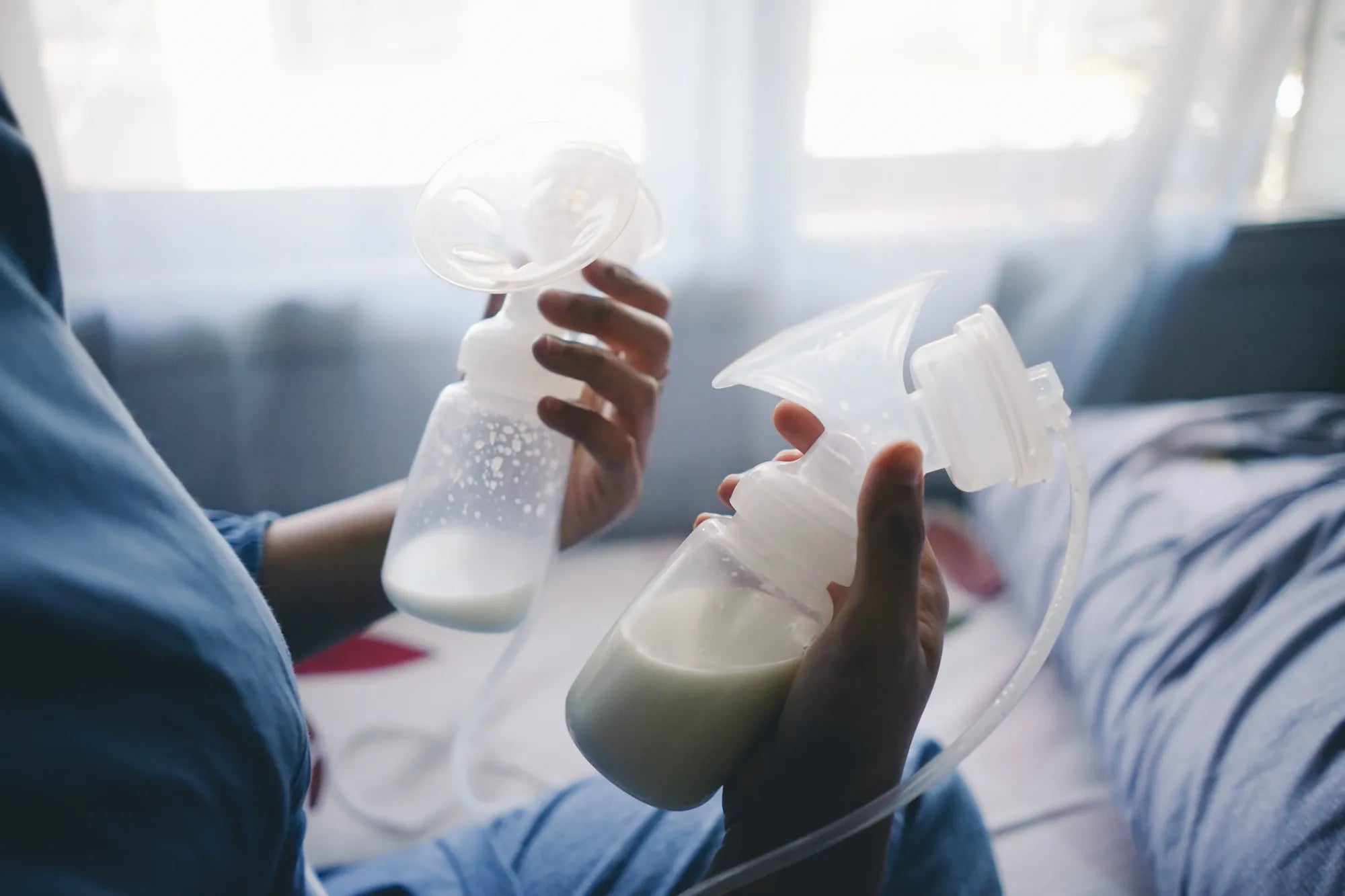
Exclusive pumping is the practice of using a breast pump to express 100% of your baby's breast milk, with little to no sessions of direct nursing at the breast. It's a dedicated method that requires planning, equipment, and commitment.
It's important to distinguish EP from other forms of pumping. Supplemental pumping is done alongside direct nursing to boost supply or create a stash. Occasional pumping allows for flexibility for a date night or return to work. Exclusive pumping is a full-time feeding system.
Parents choose this path for a wide variety of reasons. Some are medical, such as a baby with a poor latch due to a tongue tie, a premature infant in the NICU, or a mother recovering from certain surgeries. Others are personal or logistical, including a desire for shared feeding duties, a return to a demanding workplace, or personal comfort.
Choosing EP is a significant decision. It involves a major time investment—typically 120-180 minutes per day spent pumping, cleaning, and handling milk. Understanding this commitment upfront is key to setting realistic expectations and building a sustainable routine.
The Benefits of Choosing to Exclusively Pump
For those who choose or need this path, exclusive pumping offers distinct and empowering advantages. These benefits can make it not just a viable option, but the optimal choice for many families.
Practical Flexibility and Shared Feeding Duties
One of the most cited benefits of EP is the flexibility it provides. Because milk is bottled, any caregiver—a partner, grandparent, or sibling—can participate in feedings. This allows the birthing parent to get longer, more predictable stretches of sleep, which is crucial for recovery and mental health.
This shared responsibility can also foster deeper bonds between the baby and other family members and create a more equitable division of labor. It eases the transition back to work, as the baby is already accustomed to taking a bottle, reducing stress about feeding during separation.
Furthermore, EP allows for precise scheduling. While you must maintain a regular pumping schedule to protect supply, the sessions can often be planned around other commitments more predictably than a hungry baby's unpredictable nursing cues.
Monitoring Intake and Managing Specific Challenges
Exclusive pumping provides clear, measurable data on exactly how much milk your baby consumes at each feeding. This can be incredibly reassuring, especially for new parents or those with babies who have specific health considerations.
For infants who are premature, have slow weight gain, or have medical conditions affecting feeding, this measurable intake is not just reassuring—it's critical information for healthcare providers. Parents can track ounces per day with certainty, eliminating the guesswork that sometimes accompanies direct nursing.
It also allows parents to easily see fluctuations in their own output, which can help identify a dip in supply early so they can take proactive steps like power pumping or consulting a lactation specialist.
Maintaining Milk Supply Without Direct Nursing
A high-quality, efficient breast pump can be a powerful tool for establishing and maintaining a full milk supply. For mothers experiencing significant pain with latching, babies with oral aversions or anatomical challenges, or for those who are separated from their infants, pumping is the solution that keeps the breast milk flowing.
Modern pumps, especially hospital-grade and advanced wearable models, are designed to effectively mimic a baby's suckling pattern to stimulate prolactin and oxytocin release—the hormones responsible for milk production and let-down. This means you can provide 100% breast milk without ever directly nursing.
This benefit is profound for adoptive parents who have induced lactation, for surrogacy arrangements, or for parents who simply find the physical act of nursing uncomfortable or dysphoric. The goal of providing breast milk is fully achievable through exclusive pumping.
The Challenges and Considerations of Exclusive Pumping
An honest assessment requires looking at the potential downsides. Being prepared for these challenges is the first step in overcoming them and building a successful, long-term EP journey.
The Time and Logistics of a Pumping Schedule
The time commitment is the most significant hurdle. Exclusive pumping is often more time-consuming than direct nursing. A typical schedule involves pumping 8-10 times per day in the early months, each session lasting 15-30 minutes, plus time for set-up, breakdown, and cleaning parts.
You must also factor in time for bottle feeding your baby, which can run concurrently but often doesn't. Then there's the logistics of milk storage: labeling, freezing, thawing, and washing bottles. This constant cycle can feel relentless, especially during the newborn stage.
Efficiency tips include having multiple sets of pump parts to reduce washing frequency, using a dedicated pumping station, and learning to pump while feeding the baby or during other tasks. However, the time demand remains a central reality of EP.
Physical Demands and Finding the Right Equipment
Pumping can cause physical discomfort if not done correctly. Nipple soreness, swelling, and even tissue damage can occur from using the wrong flange size or excessive suction. Finding your correct flange size—which is often different from the standard parts included with pumps—is a non-negotiable first step.
The need for reliable equipment is paramount. Pump failure or inefficiency can directly threaten your milk supply. Investing in a high-quality, double-electric pump is essential. Discomfort can often be mitigated by technology designed for comfort, such as pumps with silicone cushions, multiple rhythmic modes, and adjustable suction cycles.
This is where innovation in products like the MomMed S21 Double Wearable Breast Pump makes a tangible difference. Its ergonomic, BPA-free silicone flanges and customizable settings help ensure effective, comfortable milk removal, which is the cornerstone of sustainable exclusive pumping.
Emotional and Mental Factors
Some parents report feeling 'tethered' to their pump in a way that feels more mechanical than the bonding experience they envisioned with direct nursing. The mental load of constantly watching the clock, tracking ounces, and managing equipment can be draining.
There can also be feelings of isolation or missing out on a specific type of bonding. It's important to acknowledge these feelings while also actively creating bonding rituals outside of feeding, like babywearing, bath time, and skin-to-skin contact.
Access to support is crucial. Connecting with other exclusive pumping parents online or finding a lactation consultant experienced with EP can provide validation, troubleshooting advice, and emotional encouragement that this path is not only okay but commendable.
Exclusive Pumping vs. Direct Nursing: A Side-by-Side Look
This comparison table outlines key differences to help you evaluate which method might align better with your family's needs and circumstances. Neither is inherently superior; the best choice is highly individual.
| Factor | Exclusive Pumping (EP) | Direct Nursing |
|---|---|---|
| Bonding Experience | Bonding occurs during bottle feeding & other care. Skin-to-skin can be incorporated separately. | Direct physical contact and hormones like oxytocin during feeding can promote bonding. |
| Time Efficiency | More total time: pumping + feeding + cleaning. Allows scheduling flexibility. | Often faster per session (no setup/cleanup). Demand-led, less schedule control. |
| Monitoring Intake | Exact milliliter/ounce measurement at every feed. High visibility. | Intake is estimated via diaper output and baby's demeanor. Less precise. |
| Caregiver Flexibility | High. Any caregiver can feed the baby with a bottle. | Low. Primary feeding responsibility rests with the nursing parent. |
| Equipment & Cost | Requires a high-quality pump, bottles, storage bags, and cleaning supplies. Higher upfront/ongoing cost. | Minimal equipment needed. Potentially lower cost. |
| Impact on Milk Supply | Supply relies entirely on pump efficiency and schedule consistency. Requires diligence. | Supply regulated by baby's direct demand. Generally very efficient. |
| Discreetness & Mobility | With wearable pumps, can be very discreet and mobile. Stationary pumps are less so. | Requires privacy or cover for public nursing. Completely mobile with no gear. |
How to Succeed at Exclusive Pumping: A Practical Guide
If you choose the EP path, these evidence-based strategies will help you establish a robust milk supply, protect your well-being, and build a sustainable routine.
Investing in the Right Pump and Gear
Your pump is your lifeline. A hospital-grade or high-performance double electric pump is non-negotiable for maintaining a full supply long-term. Key features to look for include: adjustable suction strength and cycle speed, a 'let-down' mode, quiet operation, and portability.
Wearable pumps have revolutionized EP by offering true hands-free freedom. A model like the MomMed S21 Double Wearable Pump allows you to pump while working, caring for older children, or simply moving around your home, making the 8x/day schedule far more manageable. Ensure all parts that contact milk are BPA-free and food-grade, like the silicone used in MomMed products.
Essential supporting gear includes: multiple sets of flanges and bottles to minimize washing, a hands-free pumping bra, high-quality milk storage bags, a system for labeling and organizing milk (first-in, first-out), and a reliable bottle warmer.
Establishing and Maintaining Your Supply
The golden rule of milk supply is simple: frequent, effective removal. In the first 12 weeks, aim to pump 8-10 times per 24 hours, mimicking a newborn's feeding frequency. Each session should last about 15-20 minutes, or 2 minutes after the last drops of milk flow.
To boost supply, incorporate 'power pumping'—a technique that mimics cluster feeding: pump for 20 minutes, rest 10, pump 10, rest 10, pump 10. Do this once a day for several days. Stay hyper-hydrated and ensure you're consuming enough calories and nutrients; breastfeeding requires an extra 300-500 calories daily.
Track your output in an app or journal to identify patterns and catch any dips early. Remember, some variation is normal, but a sustained drop warrants a review of your pump settings, flange fit, or schedule.
Building a Support System and Managing Routine
Communicate your needs clearly with your partner, family, or friends. They can help by handling bottle feeds during your pumping sessions, taking over cleaning duties, or simply providing encouragement.
Create a comfortable, dedicated pumping station with water, snacks, your phone/charger, and entertainment. Treat this time as a mandatory, unskippable appointment for your health and your baby's nutrition.
Integrate pumping into your life: use a wearable pump while doing household chores, or schedule sessions during your baby's naps. Most importantly, connect with other EP parents. Online communities are invaluable for sharing tips, venting frustrations, and receiving the specific validation that this path is okay, normal, and enough.
Frequently Asked Questions About Exclusive Pumping
1. Can I make enough milk just by pumping?
Yes, absolutely. Milk production operates on a supply-and-demand system. Frequent, effective pumping signals your body to produce milk. While some women may have medical conditions affecting supply, the act of pumping itself, when done correctly and consistently, is a very effective way to establish and maintain a full supply.
2. Will my bond with my baby suffer if I don't nurse directly?
No. Bonding is multifaceted. Feeding is one moment of connection among thousands. You can foster a deep bond through bottle feeding with plenty of eye contact and skin-to-skin, as well as through bathing, babywearing, reading, and playing. The love and care you provide define your bond, not the method of milk transfer.
3. How long should I pump during each session?
A general guideline is 15-20 minutes per session, or for about 2 minutes after the last drops of milk stop flowing. It's important to drain the breast effectively to signal for more production. In the early morning when prolactin is high, sessions may be longer and more productive.
4. Is exclusive pumping safe for my baby?
It is completely safe. Your baby receives all the same nutritional, immunological, and developmental benefits of your breast milk. The only difference is the delivery method. Ensure you follow safe milk handling, storage, and warming guidelines to preserve the milk's quality and safety.
5. When should I consider exclusive pumping?
Consider EP if: your baby has a painful or ineffective latch that doesn't improve with support; your baby is in the NICU; you are returning to a job where pumping is more feasible than nursing; you have personal comfort or mental health reasons for preferring not to nurse; or you want to share feeding duties equally from the start.
Your Feeding Journey, Defined by Love and Care
The question 'Is it okay to only pump breast milk?' is one born from a desire to do the very best for your baby. Let this guide serve as your affirmation: exclusive pumping is not just okay; it is a valid, healthy, and commendable feeding choice. It represents a significant commitment of time, energy, and love.
Success in any feeding journey hinges on support, reliable information, and the right tools. Whether you choose EP out of necessity or preference, you are providing your child with the profound gift of your milk. Your journey is unique, and your choice is legitimate.
Trust your instincts, seek out community, and equip yourself with products designed to empower your choice. For mothers embarking on or navigating the exclusive pumping path, having a comfortable, efficient, and reliable pump is the cornerstone of a sustainable experience. Your well-being is integral to your baby's well-being.
Shop the MomMed collection at mommed.com for all your breastfeeding and pregnancy needs, including our award-winning S21 Wearable Pump, designed to offer the comfort, discretion, and efficiency that exclusive pumping parents deserve.