


Home
Pregnancy, Breastfeeding, and Pumping: The Ultimate Guide for Moms
How to Pump Breast Milk Hands Free: A Comprehensive Modern Guide
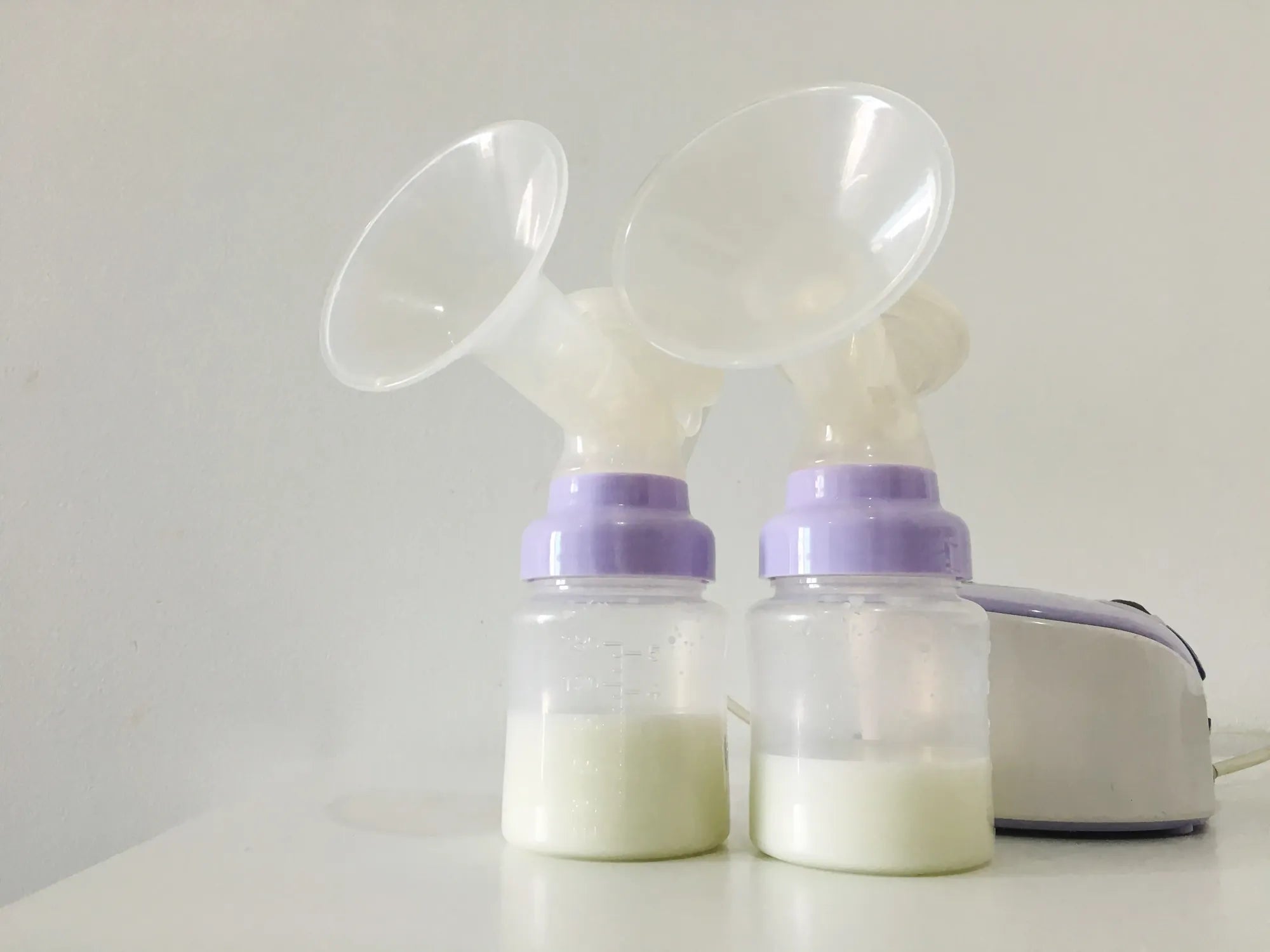
How to Pump Breast Milk Hands Free: A Comprehensive Modern Guide
Juggling a baby, household tasks, work, or other children while tethered to a wall outlet and holding pump flanges is a significant challenge for modern mothers. The desire to reclaim your hands and your time is not just a luxury—it’s often a necessity for maintaining your sanity, your schedule, and your milk supply. This is where the revolutionary innovation of hands-free, wearable breast pumps comes in, offering true mobility and freedom. This comprehensive guide, How to Pump Breast Milk Hands Free, will walk you through every step, from understanding the technology to mastering its use in your daily routine. We’ll explore the science, the practical tips, and the product knowledge you need to pump effectively and comfortably, empowering you to feed your baby without being anchored in place. As a trusted maternal and baby care brand, MomMed specializes in creating reliable, comfortable, and innovative products like our wearable breast pumps, designed specifically to solve these real-world problems for moms and moms-to-be.
Understanding Hands-Free Pumping: More Than Just a Pump
True hands-free pumping is defined by the ability to express milk without using your hands to hold the collection bottles or breast shields (flanges) in place. This is primarily achieved through two methods: using a traditional electric pump with a specialized pumping bra, or utilizing a modern all-in-one wearable pump. While a pumping bra with a standard pump offers a degree of hands-free operation, it still typically involves visible tubing and a separate motor unit, limiting true discretion and mobility.
Wearable breast pumps represent the pinnacle of hands-free technology. These are compact, self-contained units where the motor, battery, and milk collection vessel are integrated into a single cup that fits directly inside your nursing bra. This design offers unparalleled freedom, allowing you to move, work, care for other children, or even leave the house while pumping discreetly.
The core benefits of hands-free pumping are substantial. First is the profound ability to multitask, which can reduce stress and make pumping sessions feel less like a chore and more like a productive part of your day. Second, the reduction in stress and increased relaxation can positively impact milk ejection reflexes, potentially leading to more efficient let-downs and better output. A 2021 study in the Journal of Human Lactation noted that maternal relaxation is a key factor in successful milk expression.
Finally, the convenience for on-the-go or working mothers is transformative. Being able to pump during a commute (as a passenger), in a private office, or while preparing dinner removes a major logistical barrier to consistent pumping, which is critical for maintaining milk supply when separated from your baby.
Choosing the Right Hands-Free Pump for You
Selecting a wearable pump requires careful consideration of features that impact performance, comfort, and convenience. Not all hands-free pumps are created equal, and the right choice depends on your individual needs, body, and lifestyle.
Key features to evaluate include suction patterns and strength. Look for pumps that offer both a stimulation (let-down) mode and an expression mode, mimicking a baby’s natural nursing pattern. Adjustable suction levels are crucial for finding a comfortable yet effective setting that works for your sensitivity and milk flow. Battery life is paramount for true portability; a pump should last for multiple complete pumping sessions on a single charge.
Noise level is a critical factor for discretion, especially in shared workspaces or public settings. A quiet motor (often below 45 dB) is essential. Portability and ease of cleaning are also major considerations. Fewer parts and dishwasher-safe components can save significant time and frustration. Finally, ensure the pump offers a range of flange sizes, as a proper fit is the single most important factor for comfort, efficiency, and protecting nipple health.
Key Features to Compare: MomMed S21 vs. General Market Standards
To make an informed decision, it helps to see how a leading model stacks up against common market offerings. The MomMed S21 Double Wearable Breast Pump is engineered with specific features that address the core needs of hands-free pumping.
| Feature | MomMed S21 Wearable Breast Pump | General Market Standard |
|---|---|---|
| Noise Level | Ultra-quiet operation (<40 dB), library-quiet for maximum discretion. | Often between 45-60 dB, which can be noticeable in quiet rooms. |
| Suction Patterns | 9 levels in both stimulation and expression modes, plus a let-down memory function. | Typically 3-6 levels, sometimes with only one fixed pattern. |
| Battery Life | Up to 2.5 hours of continuous use on a single charge. | Often 1-2 hours, requiring more frequent charging. |
| Comfort & Fit | Ergonomic, angled cups with 4 included flange sizes (21mm, 24mm, 27mm, 30mm) for a secure, comfortable seal. | May include 1-2 standard sizes, requiring separate purchases for a custom fit. |
| Safety & Materials | All parts contacting skin or milk are BPA-free, food-grade silicone and PP. | Varies; not all brands use food-grade materials for all components. |
| Ease of Cleaning | Minimal parts; all milk-contact components are top-rack dishwasher safe. | More complex assemblies with small valves and membranes that require hand washing. |
This comparison highlights how the MomMed S21 is designed to excel in the areas that matter most for effective, comfortable, and discreet hands-free pumping, backed by its award-winning design and trusted reputation among thousands of moms.
Your Step-by-Step Guide to Pumping Hands-Free
Mastering hands-free pumping begins with proper setup and technique. First, ensure all parts are clean, dry, and correctly assembled according to the manufacturer’s instructions. For wearable cups, this typically involves connecting the flange, diaphragm, valve, and milk collection container to the motor housing.
Next, ensure a proper seal and fit. Center your nipple in the flange tunnel; it should move freely without rubbing the sides. The breast shield should lay flat against your breast, creating a light seal. A fit that is too tight can cause pain and block ducts, while a loose fit will compromise suction and output. MomMed pumps include multiple flange sizes to help you find this perfect fit, which is critical for preventing issues like nipple pain or vasospasm.
Insert the assembled cups into a supportive nursing bra. The bra should be snug but not constricting, holding the pumps firmly in place. Turn the pump on, starting always in the stimulation (let-down) mode at a low to medium suction level. Allow this mode to run for 2-3 minutes or until you see a steady stream of milk flowing.
Once milk flow is established, switch to expression mode. Gradually increase the suction level only to a point that is strong and effective but remains comfortable. Discomfort is a signal to lower the suction. Sessions typically last 15-20 minutes per breast, but follow your body’s cues and your baby’s feeding patterns.
Maximizing Comfort and Output
Effective pumping goes beyond just turning on the machine. To maximize comfort and milk yield, create a relaxed environment. Even while multitasking, try to take deep breaths, look at photos or videos of your baby, or listen to calming music to encourage oxytocin release, the hormone responsible for milk let-down.
Practice breast massage before and during your session. Gently massage from the chest wall toward the nipple before pumping to stimulate ducts. During pumping, using your hands (now free!) to compress and massage your breasts can significantly increase output by helping to drain milk lobes more thoroughly, a technique supported by lactation consultants.
Stay exceptionally well-hydrated. Milk production requires ample fluids. Keep a large water bottle nearby during every pumping session. Also, ensure you are consuming enough calories and nutrients to support lactation. Finally, maintain a consistent pumping schedule that approximates your baby’s feeding times to signal your body to maintain a steady supply.
Integrating Hands-Free Pumping into Your Daily Life
The true power of a hands-free pump is realized in its seamless integration into your daily routine. For the working mom, this might mean pumping during your morning commute (as a passenger), on a lunch break while answering emails, or during afternoon meetings in a private space. The discretion and quiet operation of pumps like the MomMed S21 make this feasible.
For the stay-at-home mom caring for an older toddler, you can pump while preparing meals, helping with homework, or during playtime. The ability to move freely prevents you from having to confine a curious child to a single room for 20 minutes multiple times a day.
To build a freezer stash, consider adding a pumping session first thing in the morning when milk supply is often highest, or for 10-15 minutes immediately after your baby’s first morning feed. The portability allows you to do this while starting your day, rather than having to sit stationary.
Always prioritize safety. While you can pump in the car, only do so as a passenger, never while driving. The distraction and potential for spilling precious milk create an unsafe situation. Similarly, avoid pumping while doing activities involving heat, sharp objects, or chemicals, even with your hands free.
Maintaining Your Pump and Your Supply
Proper care of your wearable pump is essential for its longevity, hygiene, and performance. After each use, immediately disassemble all parts that contact milk. Rinse with cool water first to remove milk proteins, then wash with warm, soapy water using a brush designed for pump parts. All MomMed milk-contact components are top-rack dishwasher safe for added convenience.
Sanitize according to the CDC’s recommendations for baby feeding items—typically once daily for infants under 2 months, premature, or immunocompromised, and as needed otherwise. Use a steam bag, boiling water, or a countertop sanitizer. Regularly inspect parts like duckbill valves, backflow protectors, and diaphragms for wear, tears, or stiffness, as these can drastically reduce suction. Replace these small parts every 1-3 months with genuine replacements to ensure optimal performance.
Your milk supply maintenance is directly tied to your pumping habits. Consistency is key. Pump or nurse at regular intervals to signal your body to continue production. Ensure each pumping session is effective by using massage and compression, and pumping long enough to drain the breast adequately (usually 2-3 minutes after the last drops of milk). If you encounter a sudden drop in output, assess factors like hydration, stress, lack of sleep, or a need to replace pump parts before assuming it’s a supply issue.
Troubleshooting Common Hands-Free Pumping Challenges
Even with the best equipment, challenges can arise. Low output is a frequent concern. First, check your flange fit—an improper size is a leading cause. Ensure you are relaxed and using massage. Evaluate your pump parts for wear and confirm the suction strength is adequate. Sometimes, switching back to stimulation mode for a few minutes can trigger another let-down.
Discomfort or pain should never be ignored. Immediately reduce the suction level. Re-evaluate your flange size—nipple swelling or tissue blanching indicates a size too small. Lubricating the flange flange with a bit of food-grade coconut oil or a dedicated nipple cream can reduce friction. If pain persists, consult an International Board Certified Lactation Consultant (IBCLC) to assess your technique and anatomy.
Leaks or a loss of suction are almost always related to pump parts. Check that all connections are tight and that valves and diaphragms are correctly installed, clean, and intact. A cracked membrane or a worn duckbill valve will destroy suction. Ensure the cups are positioned correctly and sealed against your breast before starting the pump.
Frequently Asked Questions About Hands-Free Pumping
Q: Is the suction of a wearable pump as effective as a hospital-grade pump?
A: For most mothers maintaining a full milk supply, modern wearable pumps like the MomMed S21 are highly effective. Hospital-grade pumps are typically recommended for establishing supply in the NICU, for exclusively pumping mothers from birth, or for relactation due to their powerful, durable motors. For the majority of moms supplementing or replacing occasional feeds, a high-quality wearable is perfectly sufficient and more convenient.
Q: Can I use a hands-free pump as my primary pump?
A> Yes, many mothers successfully use a wearable pump as their primary pump, especially if they have an established, robust milk supply. It is crucial to choose a high-performance model, ensure perfect flange fit, and maintain a consistent pumping schedule. Having a backup traditional pump or manual pump is always a wise precaution.
Q: How do I prevent leaks with a wearable pump?
A> Leaks are usually caused by improper assembly or overfilling. Ensure all seals and valves are correctly placed. Do not lean forward excessively while the cups are full, as this can exceed the anti-reflux design. Most importantly, monitor your output and pause to empty the collection cups before they reach maximum capacity.
Q: Are wearable pumps comfortable for all breast sizes?
A> Comfort largely depends on flange fit and bra support, not just breast size. Brands like MomMed offer multiple flange sizes to accommodate different nipple diameters. A supportive, well-fitting nursing bra is essential to hold the cups securely without putting pressure on breast tissue. Many full-busted women find wearables more comfortable than traditional flanges with heavy bottles hanging.
Q: How do I clean the complex parts of a wearable pump?
A> The key is immediate rinsing to prevent milk from drying in small channels. Disassemble completely after each use. Use a small brush to clean valve crevices. Prioritize pumps with minimal parts and dishwasher-safe components, like those from MomMed, to streamline this process significantly.
Embrace the Freedom of Modern Motherhood
Learning how to pump breast milk hands free is more than mastering a piece of technology; it’s about reclaiming agency, time, and flexibility in your motherhood journey. This comprehensive guide has equipped you with the knowledge to choose the right pump, use it effectively, integrate it into your life, and troubleshoot common issues. The ability to nourish your baby should not come at the cost of your mobility or mental well-being. With innovative, mom-designed solutions, you can maintain your milk supply and your schedule. Trusted by thousands of moms, MomMed is dedicated to supporting you with reliable, comfortable, and award-winning products that empower you to nurture your baby on your own terms. Shop the MomMed collection at mommed.com for all your breastfeeding and pregnancy needs, and experience the freedom that modern pumping technology provides.