


Home
Pregnancy, Breastfeeding, and Pumping: The Ultimate Guide for Moms
How to Produce More Breast Milk While Pumping: A Comprehensive Guide for Pumping Moms
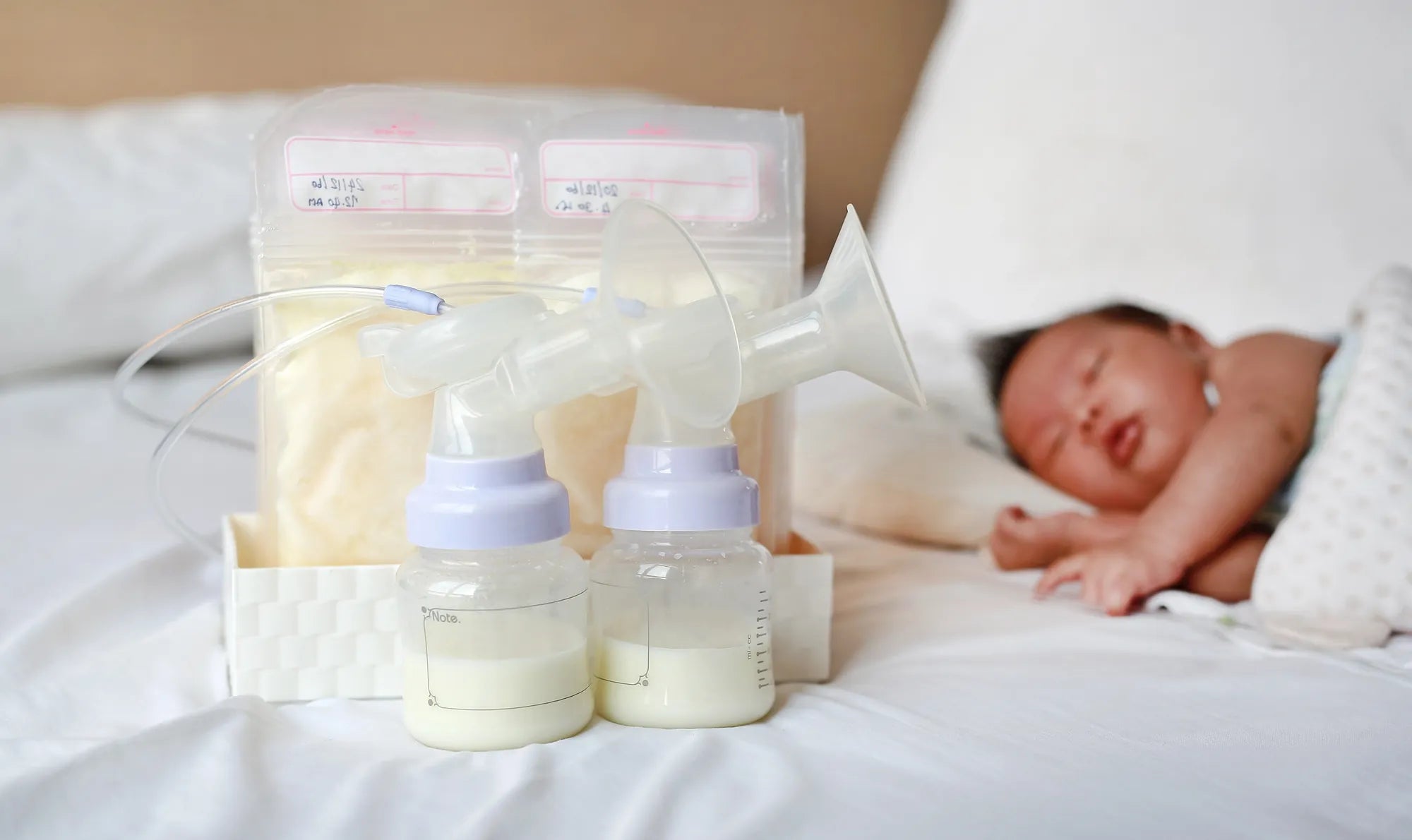
How to Produce More Breast Milk While Pumping: A Comprehensive Guide for Pumping Moms
If you're pumping breast milk, you've likely wondered how to produce more. Whether you're exclusively pumping, returning to work, or supplementing nursing sessions, maximizing output is a common and valid concern. This guide cuts through the noise to deliver actionable, evidence-based strategies rooted in lactation science. You'll learn how to work with your body's physiology, optimize your pumping routine, choose effective tools, and support your overall well-being to signal your body to make more milk. Let's transform your pumping journey with knowledge and practical steps.
Understanding Your Milk Supply: The Physiology of Pumping
To effectively increase milk production while pumping, you must first understand how supply works. Milk production operates on a simple but powerful principle: supply and demand. The more milk that is removed from your breasts—efficiently and frequently—the more your body is signaled to produce.
This process is driven by the hormone prolactin, which tells your alveoli (the milk-making cells) to make milk, and the feedback inhibitor of lactation (FIL), a protein that tells your body to slow production when milk isn't removed. Pumping effectively mimics a baby's suckling to remove milk and lower FIL levels, thereby increasing prolactin and boosting your supply signal.
Many parents worry about "low supply," but true physiological undersupply is less common than perceived supply issues. Often, challenges stem from ineffective milk removal, infrequent pumping sessions, or equipment problems. Understanding this foundation empowers you to target the real levers of change: frequency, efficiency, and consistency of milk removal.
Your body is designed to respond. Whether you're establishing a supply postpartum or working to increase an existing one, the strategies in this guide are designed to work with your biology, not against it.
Optimizing Your Pumping Routine for Maximum Output
Your pumping schedule and technique are the most critical factors under your direct control. A haphazard routine often leads to suboptimal output, while a strategic one can significantly boost production.
Frequency and Duration: The Non-Negotiables
In the early weeks postpartum, aim to pump 8-12 times in 24 hours to mimic a newborn's feeding pattern and firmly establish your supply. For maintaining or increasing supply later on, most lactation consultants recommend a minimum of 7-8 pumping sessions per day. Each session should typically last 15-20 minutes, or for about 2 minutes after the last drops of milk flow to ensure thorough emptying.
Consistency is more important than clockwork precision. Pumping at roughly the same times each day helps regulate your hormones. If increasing supply is the goal, adding one or two extra pumping sessions—even short, 10-15 minute "power pumping" sessions—can provide the extra demand signal your body needs.
The Power of Hands-On Pumping and Breast Massage
Research shows that using hands-on techniques during pumping can increase milk yield by up to 48%. This method involves massaging and compressing your breasts before and during a pumping session to help move fat-rich hindmilk out of the ducts and stimulate more let-downs.
Start with a few minutes of gentle, circular massage from the chest wall toward the nipple. During pumping, use your hands to compress and massage different quadrants of your breast, especially when milk flow slows. This manual assistance helps empty the breast more completely than the pump alone, sending a stronger "make more milk" signal.
Mastering Your Pump's Settings for Comfort and Efficiency
Using your pump correctly is paramount. Always begin with the stimulation or let-down mode—a rapid, light suction pattern—for 1-2 minutes or until milk begins to flow steadily. Then, switch to the expression or pumping mode, which has slower, deeper pulls.
Set the suction strength to the highest comfortable level, not the highest possible level. Pain inhibits let-down and can damage tissue. A pump like the MomMed S21 Wearable Breast Pump offers multiple, customizable modes and cycles, allowing you to find the perfect, comfortable rhythm that effectively triggers multiple let-downs per session.
Nutrition, Hydration, and Galactagogues: Fueling Production
While milk removal drives supply, your body needs adequate resources to manufacture milk. Think of nutrition as the quality raw materials for your milk factory.
Focus on a balanced diet rich in whole grains, proteins, healthy fats, and fruits and vegetables. There is no single "magic" food, but some foods traditionally considered galactagogues (substances believed to support milk production) like oats, flaxseed, brewer's yeast, and fenugreek are popular. It's crucial to note that evidence for herbs and supplements is often anecdotal, and fenugreek can actually decrease supply in some individuals.
Hydration is critical. Drink to thirst, aiming for your urine to be pale yellow. Keep a large water bottle at your pumping station. A simple rule is to drink a glass of water every time you pump. Dehydration can quickly lead to a temporary dip in output.
Most importantly, ensure you're consuming enough calories. Breastfeeding and pumping require an estimated 300-500 extra calories per day. Severe calorie restriction is counterproductive to maintaining a healthy milk supply.
The Impact of Stress, Rest, and Mental Well-being
The connection between your mind and your milk ejection reflex (let-down) is profound. Stress and fatigue release cortisol and adrenaline, hormones that can directly inhibit the release of oxytocin, the hormone responsible for milk let-down.
Creating a relaxing pumping environment can help. Try deep breathing, listening to calming music, looking at photos or videos of your baby, or using a heating pad on your shoulders before you start. The ultra-quiet motors of MomMed wearable pumps are specifically designed to reduce pumping stress and allow for discreet, peaceful sessions.
Prioritizing rest is not a luxury; it's a supply strategy. Sleep when the baby sleeps, if possible, and accept help with household tasks. Even short periods of relaxation can improve oxytocin flow. Setting realistic expectations and celebrating small victories—like an extra half-ounce or a consistent schedule—protects your mental health, which in turn supports your physical ability to produce milk.
Choosing the Right Pump and Ensuring Proper Fit
Your pump is your primary tool, and its effectiveness hinges on two things: performance and proper flange fit. An inefficient pump or incorrectly sized flanges can significantly hinder milk removal, leading to decreased supply, discomfort, and even tissue damage.
Flange fit is arguably the most overlooked aspect of pumping. The flange is the funnel that fits over your nipple and areola. Your nipple should move freely in the tunnel without rubbing the sides, and only a small amount of areola should be drawn in. Most pumps come with standard 24mm or 27mm flanges, but many people need a different size. Measure your nipple diameter (not including the areola) and add 0-4mm to find your likely flange size.
When selecting a pump, consider motors that offer both efficiency and comfort. Wearable pumps have revolutionized pumping by offering hands-free convenience, but not all are created equal. The MomMed S21 Double Wearable Pump, for instance, uses a hospital-grade suction motor in a compact, cordless design. This ensures effective milk removal—the key to supply—without tethering you to a wall outlet, reducing stress and making consistent pumping easier to achieve.
| Feature | Traditional Electric Pump | Wearable Pump (e.g., MomMed S21) | Impact on Milk Supply |
|---|---|---|---|
| Portability & Discretion | Limited; requires outlet or large battery pack. | High; cordless, fits in bra, ultra-quiet operation. | Enables more consistent pumping on-the-go, reducing missed sessions. |
| Hands-Free Use | No; requires holding bottles/flanges. | Yes; allows multitasking and relaxation. | Reduces stress, may improve let-down; allows for hands-on pumping techniques. |
| Flange Fit Options | Often extensive aftermarket options available. | May have slightly fewer options; MomMed provides multiple size inserts. | Proper fit is critical for comfort and effective emptying with any pump type. |
| Ease of Cleaning | Parts are typically standard and easy to clean. | Collection cups have more parts but are designed for easy disassembly. | Easy cleaning promotes regular use and hygiene, supporting consistent routine. |
| Simulation of Baby's Suckling | Varies by model; some have advanced, rhythmic cycles. | Advanced models like the S21 offer stimulation & expression modes with adjustable cycles. | Effective simulation triggers more let-downs, leading to more thorough emptying and better supply signals. |
Troubleshooting Common Pumping Challenges
Even with a perfect routine, you may hit obstacles. Here’s how to address common issues that can impact output.
Suspecting Low Supply: Before concluding you have low supply, verify with weighted feeds (if also nursing) or check if baby has adequate wet/dirty diapers. For exclusive pumpers, track total daily output over a week, not single sessions. If concerned, review frequency, flange fit, and pump settings first. A session with an International Board Certified Lactation Consultant (IBCLC) can provide personalized guidance.
Poor or Slow Let-Down Reflex: If milk doesn't flow easily, focus on relaxation techniques. Apply warm compresses to your breasts before pumping, practice deep breathing, or smell an item of your baby's clothing. Ensure you're using the stimulation mode correctly. Sometimes, starting the pump for a few minutes, then taking a short break before restarting, can trigger a let-down.
Maintaining Supply When Returning to Work: Plan ahead. Practice with your pump 1-2 weeks prior. At work, protect your pumping times as non-negotiable meetings. A wearable pump can be invaluable for discreet pumping during commutes or even in open-plan offices. Stay hydrated and keep snacks at your desk. Communicate your needs with your employer—you are legally entitled to break time and space to pump.
Frequently Asked Questions (FAQ)
Q: How long does it take to see an increase in milk supply from pumping?
A: Most people will see a noticeable change within 3-5 days of consistently implementing strategies like increased pumping frequency or adding power pumping sessions. However, it can take up to 2 weeks for a significant, sustained increase as your body adjusts to the new demand signals.
Q: Can I combine breastfeeding and pumping?
A> Absolutely. This is a very common and effective strategy. Many parents nurse their baby directly and then pump after or between some feedings to provide extra stimulation and build a freezer stash. Pumping after the first morning feed (when supply is often highest) is a popular tactic.
Q: What is "power pumping" and how do I do it?
A: Power pumping is a technique designed to mimic cluster feeding, which can help boost supply. A common pattern is: Pump for 20 minutes, rest for 10, pump for 10, rest for 10, pump for 10. Do this once a day for 3-7 days, ideally at the same time each day, during a period when your prolactin levels are naturally higher (typically early morning).
Q: Are there signs my pump or pump parts are affecting my output?
A> Yes. Key signs include: a noticeable drop in output without other changes, pain during pumping (often due to worn valves or incorrect flange size), the pump motor sounding strained or different, or milk backing up into the tubing (indicating a faulty membrane or valve). Replace duckbill valves, backflow protectors, and membranes every 1-3 months with regular use.
Q: Is it normal for pumping output to fluctuate during the day?
A> Completely normal. Most people produce the most milk in the early morning hours (due to higher prolactin). Output typically decreases as the day goes on. Stress, fatigue, menstrual cycle changes, and even time of month can cause natural variations. Focus on your total 24-hour output rather than individual session volumes.
Your Pumping Journey: Consistency, Compassion, and the Right Tools
Increasing your breast milk supply while pumping is a marathon, not a sprint. It requires a blend of scientific strategy and self-compassion. The core principles remain: remove milk frequently and effectively, support your body with nourishment and rest, and use equipment that works for you, not against you. Every pumping session is a conversation with your body, reinforcing the demand for milk.
Remember, your worth is not measured in ounces. The journey is filled with ups and downs, but by applying these evidence-based methods, you are empowering yourself to reach your personal feeding goals. You are providing for your baby with incredible dedication.
For many parents, finding the right pump—one that is effective, comfortable, and fits into their life—is a game-changer. MomMed is committed to supporting this journey with innovative, reliable products designed with a pumping parent's real needs in mind. From the hospital-grade efficiency of our S21 Wearable Pump to our range of correctly sized flanges and accessories, we build tools to help you succeed. Shop the MomMed collection at mommed.com for all your breastfeeding and pregnancy needs, and join a community of thousands of parents who trust us to support every step of their parenting journey.