


Home
Pregnancy, Breastfeeding, and Pumping: The Ultimate Guide for Moms
How to Dry Breast Pump Parts Quickly: A Comprehensive Guide
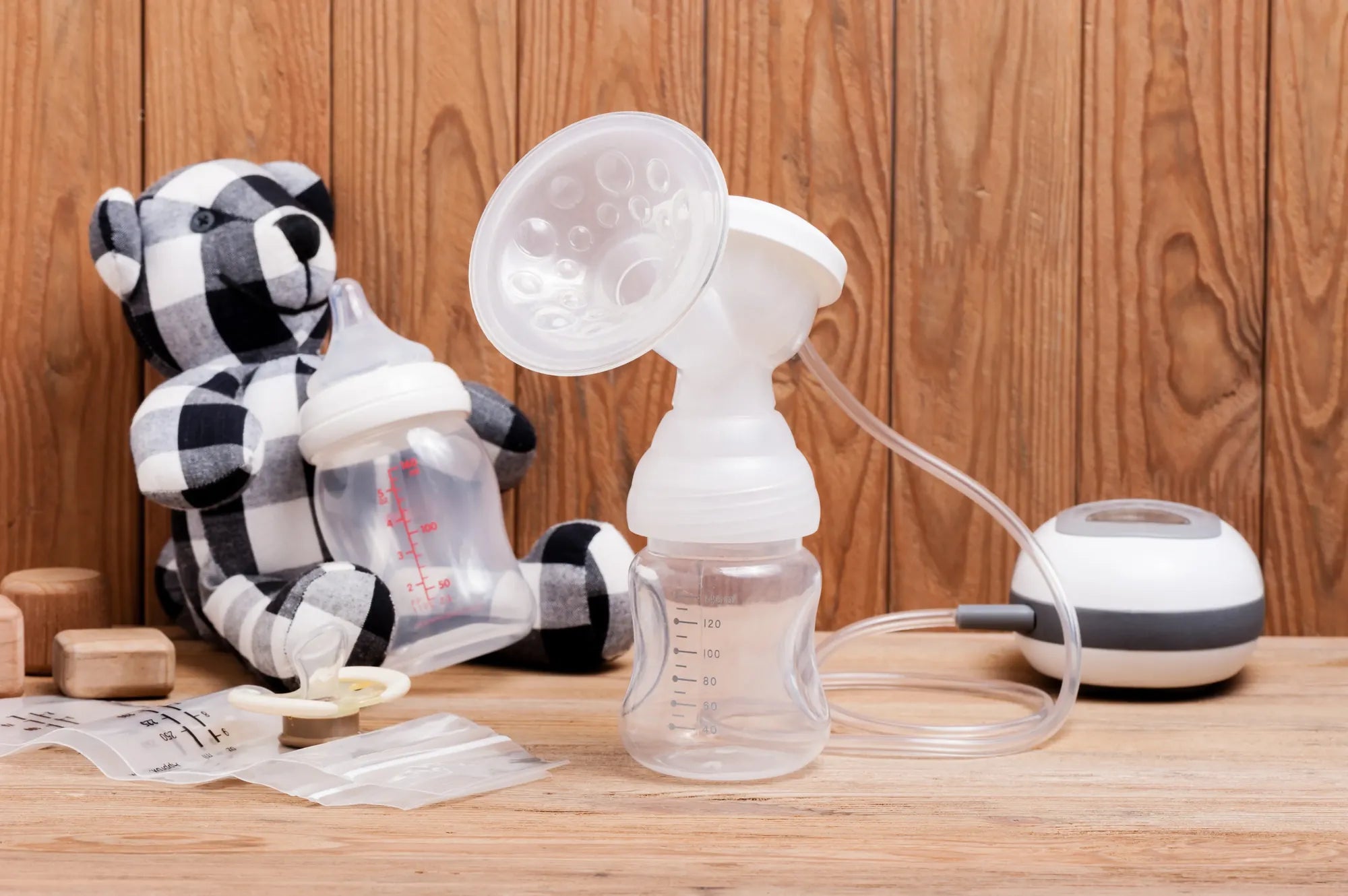
How to Dry Breast Pump Parts Quickly: A Comprehensive Guide
For many parents, breastfeeding is a vital part of nurturing their baby, and breast pumps play a crucial role in this journey. However, one of the most time-consuming aspects of using a breast pump is cleaning and drying its parts. Ensuring that these components are thoroughly dried is essential for maintaining hygiene and preventing bacterial growth. If you're wondering how to dry breast pump parts quickly, you're in the right place. This guide will walk you through practical and efficient methods to save time while keeping your equipment safe and ready for use.
Why Quick Drying Matters
Breast pump parts come into direct contact with breast milk, which is a nutrient-rich substance that can harbor bacteria if not properly cleaned and dried. Moist environments are breeding grounds for germs, and lingering water droplets can compromise the sterility of your pump parts. Quick drying not only ensures hygiene but also saves time, especially for parents who need to pump multiple times a day. By adopting efficient drying techniques, you can streamline your routine and focus more on your baby.
Essential Tools for Quick Drying
Before diving into the methods, it's important to gather the right tools. Having the proper equipment on hand can make the drying process faster and more effective. Here are some items you might find useful:
- A clean, lint-free towel or paper towels
- A drying rack specifically designed for breast pump parts
- A fan or hairdryer (set to cool air)
- A clean, well-ventilated space
Method 1: Air Drying with a Towel
One of the simplest ways to dry breast pump parts quickly is by using a clean towel. After washing the parts thoroughly, shake off any excess water and place them on a lint-free towel. Gently pat the components to remove as much moisture as possible. Then, arrange the parts on a drying rack in a well-ventilated area. This method is effective and requires minimal effort, making it a go-to option for many parents.
Method 2: Using a Fan or Hairdryer
If you're in a hurry, a fan or hairdryer can be a game-changer. After washing and shaking off excess water, place the pump parts on a clean surface. Turn on a fan or set a hairdryer to cool air and direct it toward the components. The airflow will help evaporate the moisture quickly. Be sure to keep the hairdryer at a safe distance to avoid warping or damaging the parts. This method is particularly useful when you need to reuse the pump parts shortly after cleaning.
Method 3: Utilizing a Dedicated Drying Rack
Investing in a drying rack designed for breast pump parts can significantly speed up the process. These racks are designed to hold all the components securely, allowing air to circulate freely around them. After washing, simply place the parts on the rack and let them dry naturally. Some drying racks come with additional features like UV sterilization, which can further enhance hygiene. This method is both efficient and space-saving, making it a popular choice among parents.
Method 4: The Paper Towel Trick
Paper towels are another handy tool for quick drying. After washing the pump parts, shake off excess water and wrap them in a clean paper towel. Gently press the towel against the components to absorb moisture. You can also place the wrapped parts in a well-ventilated area to allow any remaining water to evaporate. This method is quick, affordable, and effective, especially when you're short on time.
Method 5: Storing in a Clean, Dry Space
Proper storage plays a key role in ensuring that breast pump parts dry quickly and stay clean. After drying, store the components in a clean, dry space where they won't be exposed to dust or moisture. Avoid sealing them in airtight containers until they are completely dry, as this can trap moisture and promote bacterial growth. A well-organized storage system not only keeps your pump parts ready for use but also extends their lifespan.
Tips for Maintaining Hygiene
While quick drying is important, maintaining hygiene should always be a priority. Here are some additional tips to keep your breast pump parts clean and safe:
- Wash the parts immediately after each use to prevent milk residue from drying and sticking.
- Use warm, soapy water and a bottle brush to clean hard-to-reach areas.
- Sanitize the parts regularly, especially if your baby is premature or has a weakened immune system.
- Replace worn-out or damaged parts to ensure optimal performance and hygiene.
Common Mistakes to Avoid
When drying breast pump parts, it's easy to make mistakes that can compromise hygiene or damage the components. Here are some pitfalls to watch out for:
- Using a dirty towel or surface, which can introduce bacteria.
- Exposing the parts to excessive heat, which can cause warping or melting.
- Storing the parts while they are still damp, creating a breeding ground for germs.
- Neglecting to clean and dry small parts like valves and membranes, which are crucial for proper pump function.
How to Dry Breast Pump Parts Quickly When Traveling
Traveling with a breast pump adds an extra layer of complexity to the cleaning and drying process. Here are some tips to dry breast pump parts quickly on the go:
- Pack a portable drying rack or a collapsible one to save space.
- Use disposable paper towels for quick drying in hotel rooms or public restrooms.
- Carry a small, battery-operated fan to speed up the drying process.
- Store the parts in a clean, breathable bag to allow air circulation.
Final Thoughts
Drying breast pump parts quickly doesn't have to be a daunting task. With the right tools and techniques, you can ensure that your equipment is clean, dry, and ready for use in no time. Whether you're at home or on the go, these methods will help you maintain hygiene and streamline your pumping routine. Remember, a little effort goes a long way in keeping your baby safe and healthy. So, the next time you're faced with a pile of wet pump parts, you'll know exactly how to handle it efficiently and effectively.