


Home
Pregnancy, Breastfeeding, and Pumping: The Ultimate Guide for Moms
How to Choose the Right Size Breast Pump Flange: The Ultimate Guide
How to Choose the Right Size Breast Pump Flange: The Ultimate Guide
Why Flange Fit is the Foundation of Successful Pumping
Choosing the right size breast pump flange is not a minor detail; it is the single most important factor in determining your pumping comfort, efficiency, and long-term breastfeeding success. An ill-fitting flange can lead to pain, tissue damage, low milk output, and frustration, potentially derailing your feeding journey. Conversely, a perfect fit allows your nipple to move freely within the tunnel, enables optimal suction, and facilitates complete milk expression without discomfort.
Think of the flange as the interface between your body and the pump motor. Its primary job is to create a secure seal so suction can effectively draw milk from your breast. If this seal is compromised by incorrect sizing, the pump cannot work as intended. This is why understanding how to choose the right size breast pump flange is a non-negotiable first step for any pumping parent.
At MomMed, we recognize that every mother's anatomy is unique. That's why our wearable breast pumps, like the award-winning S21 Double Wearable Pump, are designed with personalized comfort in mind. We include multiple flange sizes in the box and offer additional sizing kits because we believe the right fit is foundational to a positive experience. A proper flange fit protects your nipple health, maximizes your output per minute, and makes the entire process more sustainable.
This guide will equip you with the knowledge to assess your fit, measure accurately, and make informed adjustments. By the end, you'll be empowered to transform pumping from a chore into an efficient, comfortable part of your routine.
Understanding Flange Anatomy: More Than Just a Tunnel
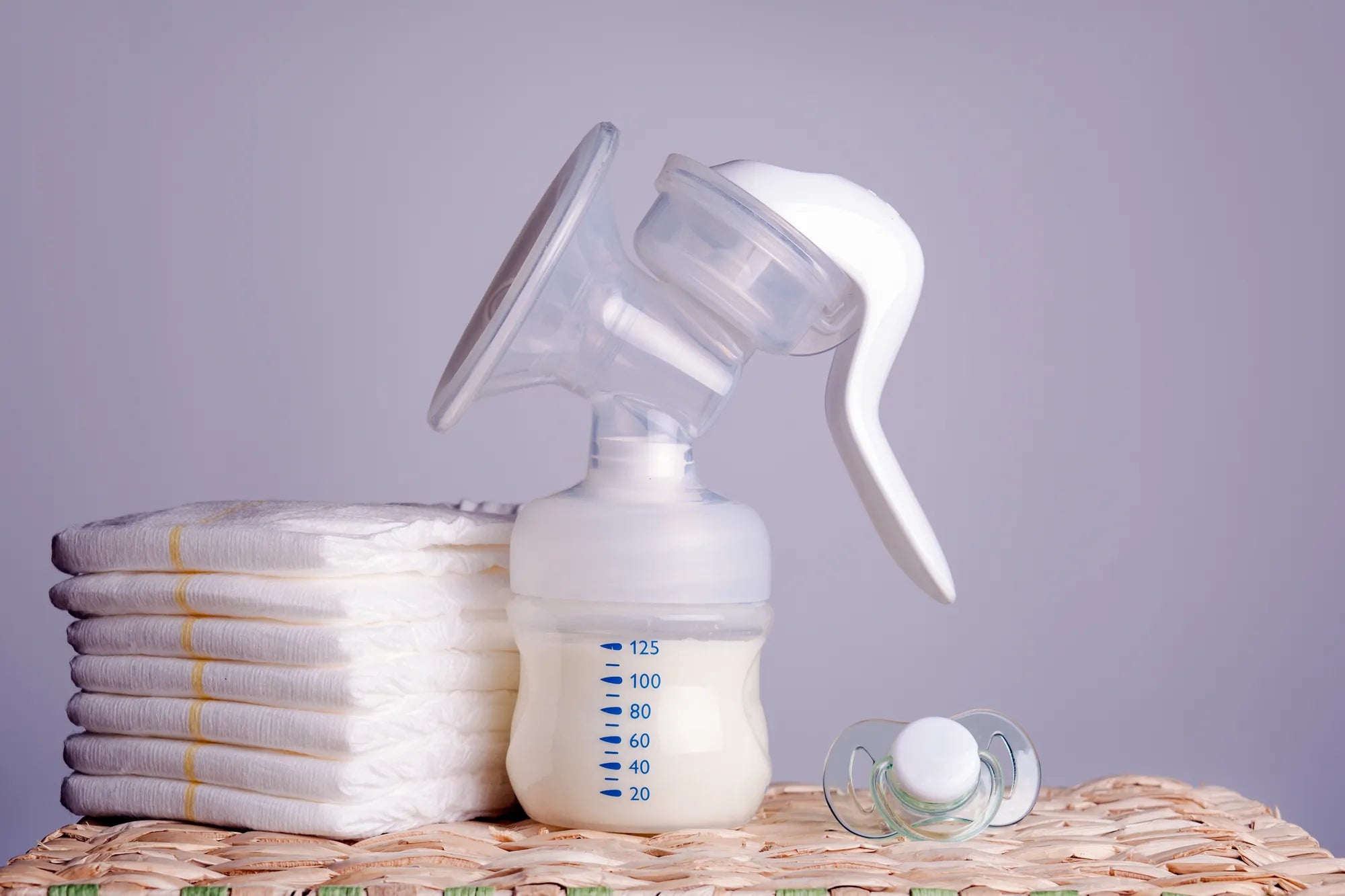
A breast pump flange, also called a breast shield, is a funnel-shaped piece that connects directly to your breast. It's far more than a simple plastic cone; its design directly influences milk removal. The core components include the flange shield, which rests against your breast; the tunnel, where your nipple moves during pumping; and the connector, which attaches to the bottle or pump tubing.
The tunnel diameter is the critical measurement when learning how to choose the right size breast pump flange. This is the internal space through which your nipple moves. The goal is for your nipple to center within this tunnel without rubbing against the sides and with only a minimal amount of areola being drawn in. The shield should sit flat and comfortably against your breast to form an airtight seal without digging into tissue.
When the flange size is incorrect, the entire system malfunctions. A tunnel that's too wide will pull excessive areola and breast tissue inside, causing friction, swelling, and reduced milk flow. A tunnel that's too narrow will constrict the nipple, causing pain, blanching, and potentially damaging milk ducts. Both scenarios lead to inefficient pumping and can negatively impact milk supply over time.
Materials also play a key role. Traditional hard plastic flanges offer no flexibility. MomMed utilizes soft, BPA-free, food-grade silicone for its flange surfaces. This material provides a more forgiving, comfortable seal that can gently conform to your breast's shape, reducing pressure points and improving the overall experience compared to rigid plastic designs.
The Tell-Tale Signs of an Incorrect Flange Fit
Listening to your body is the first step in diagnosing flange issues. Discomfort during pumping is not normal and is a primary indicator of poor fit. Beyond general pain, specific symptoms can pinpoint whether your flange is too large or too small, guiding you on how to choose the right size breast pump flange for your needs.
Symptoms of a Flange That's Too Large
A flange that is too large will pull an excessive amount of your areola and breast tissue into the tunnel. Visually, you may see more than a quarter-inch of areola being drawn in with each suction cycle. The nipple may not reach the end of the tunnel, leaving significant empty space around it. This causes friction and rubbing on the sensitive areolar tissue, which can lead to swelling and edema.
This edema can then block milk ducts, creating a vicious cycle of even poorer output. Mothers often report that despite pumping for a long time, their breasts still feel full, and output is surprisingly low. The pump is working hard, but because the suction is distributed over a wide area of tissue instead of focused on the nipple and immediate ducts, milk removal is inefficient and incomplete.
Other signs include redness or irritation on the areola, a feeling of "chafing" during pumping, and the flange shield feeling loose or unable to maintain a consistent seal without pressing hard against the breast. If you notice these issues, downsizing is likely necessary.
Symptoms of a Flange That's Too Small
A flange that is too small is often painfully obvious. The nipple will rub against the sides of the tunnel with every cycle, and you may see the nipple tip turning white or purple (blanching) during or after pumping due to restricted blood flow. The movement of the nipple will look restricted or strained instead of smooth and rhythmic.
Pain is typically sharp, pinching, or burning, concentrated at the base or tip of the nipple. After pumping, you might see a distinct circular ring or indentation around the base of the nipple where the flange was too tight. In severe cases, persistent use of a too-small flange can cause cracked nipples, vasospasms, or clogged ducts due to compression of milk flow.
Milk output may also suffer because the constricted nipple cannot stimulate the milk ejection reflex effectively, and swollen tissue from the compression can block ducts. If your nipple fills the entire tunnel with no space around it, you need to measure and consider a larger size.
The Goldilocks Zone: What a Perfect Fit Looks Like
A correctly fitted flange should feel comfortable, with a sensation of suction and movement but not pain. During pumping, your nipple should move freely in and out of the tunnel without rubbing the sides. Only a small amount of areola (typically 1-3mm) should be drawn in with each pull. After pumping, your nipple should be slightly longer but not swollen, discolored, or misshapen.
Milk should flow in steady streams, not just drops, once let-down occurs. Your breast should feel noticeably softer and drained after a typical session. The flange shield rests gently against your breast without digging in or leaving deep marks. Achieving this fit is the core objective of learning how to choose the right size breast pump flange.
Remember, comfort is the ultimate metric. The "rules" are guidelines, but your subjective experience of pain-free, efficient pumping is the true sign of success. A proper fit protects your tissue, supports your milk supply, and makes long-term pumping a viable option.
Your Step-by-Step Guide to Measuring Your Nipple for a Flange
Accurate measurement is the cornerstone of finding your correct flange size. The most common mistake is measuring the nipple at rest. Nipples change size when stimulated, so you must measure when they are most dilated—immediately after a pumping or breastfeeding session.
Step 1: Prepare Your Tools. You will need a flexible ruler with millimeter markings or a printable nipple ruler from a reputable lactation resource. Ensure you are in a well-lit area. Wash your hands.
Step 2: Time Your Measurement. Finish a short pumping session (5-10 minutes) or a breastfeeding session. Within 1-2 minutes of removing the pump or your baby, your nipple will be at its most elongated and dilated state. This is the perfect time to measure.
Step 3: Measure the Diameter. Using your ruler, measure the width of the nipple at its base, where it meets the areola. Do not include the areola itself. Measure in millimeters. Be precise but do not compress the tissue. It's wise to take this measurement 2-3 times to ensure consistency.
Step 4: Calculate Your Flange Size. The general rule is to add 0-4 mm to your measured nipple diameter. This added space allows for nipple movement and swelling during pumping. For example, a nipple measuring 18mm might start with a 21mm flange (adding 3mm). However, this is a starting point. Individuals with elastic tissue may need to add less, while those with swelling may need their exact measurement.
Step 5: Measure Both Sides. It is extremely common to have two different nipple sizes. Always measure each breast independently. You may need two different flange sizes for optimal comfort and output on each side. This is a normal part of learning how to choose the right size breast pump flange for your unique body.
Navigating Flange Size Charts and Variations
Once you have your measurement, you must translate it into a commercial flange size. It's crucial to note that sizing is not perfectly standardized across brands; a 24mm flange from one company might have a slightly different internal diameter than another. Always refer to the specific brand's sizing guide when available.
The following table provides a general comparison of common nipple measurements and the corresponding starting flange size across different product types, including MomMed's soft silicone offerings.
| Nipple Diameter (mm) | Standard Flange Size (mm) | MomMed Silicone Flange Size | Notes & Considerations |
|---|---|---|---|
| 13-15 | 17 | 17 (via accessory kit) | Often requires a specialty or insert size. |
| 16-17 | 19 / 21 | 21 (included with pumps) | 21mm is a very common starting size. |
| 18-19 | 21 / 24 | 21 or 24 (included) | Try both sizes to see which feels better. |
| 20-22 | 24 / 27 | 24 (included) | 24mm is another very common size. |
| 23-25 | 27 / 30 | 27 (via accessory kit) | Standard large size. |
| 26+ | 30 / 32 / 36 | 30+ (via accessory kit) | May require brand-specific large shields. |
MomMed simplifies this process. Our wearable pumps, such as the S21 and S12, come with multiple standard flange sizes in the box (typically 21mm and 24mm). We also offer separate Flange Size Kits for those who need smaller or larger options. Our flanges are made from our signature soft, BPA-free silicone, which can provide a more comfortable fit than the hard plastic standard with many pumps.
If your measurement falls between sizes, it's generally recommended to start with the smaller of the two options. You can always go up if you experience signs of constriction, but starting too large is a common pitfall. The flexibility of MomMed's silicone may also allow for a slightly different fit feel compared to rigid plastic.
Special Considerations and Adjustments for Optimal Comfort
Finding your size is the first step, but several other factors can fine-tune your fit for maximum comfort and efficiency. Your body is not static, and your pumping setup can be adapted to its needs.
Asymmetrical Sizing: It's More Common Than You Think
Having different nipple sizes on each breast is the rule, not the exception. Many mothers discover one breast may need a 21mm flange while the other needs a 24mm. Using the same size for both can lead to inefficiency and discomfort on one side. Always measure and fit each breast independently. Investing in a second flange in a different size is often necessary for a harmonious pumping experience.
This is where the modularity of a pump like the MomMed S21 is beneficial. You can easily attach a different sized flange to each collection cup, customizing the fit for each breast without needing a completely separate pump setup. Acknowledging asymmetry is a sophisticated part of mastering how to choose the right size breast pump flange.
Flange Fit Changes Over Time
Your flange size is not permanent. In the early postpartum days, nipple edema (swelling) is common, and you may need a slightly larger size initially. As swelling subsides in the first few weeks, you might need to downsize. Hormonal changes, menstrual cycles, and changes in pumping frequency can also temporarily affect nipple size and elasticity.
It's good practice to re-evaluate your fit every 4-8 weeks, or anytime you experience new pain, a drop in output, or a change in how your nipple looks during or after pumping. Regular reassessment ensures your setup evolves with your body.
Beyond Size: Material and Shape Matter Too
If you have the correct millimeter size but still experience discomfort, the material or shape of the flange may be the issue. Hard plastic flanges offer no give and can be uncomfortable for many. As mentioned, MomMed's food-grade silicone flanges provide a softer interface.
For those with particularly elastic tissue, pronounced tapering at the nipple base, or persistent pain, aftermarket silicone inserts or cushions can be game-changers. Brands like Pumpin’ Pals (angled shapes) or BeauGen (cushioned inserts) can modify the tunnel geometry or add padding, creating a custom fit without changing the pump itself. These can be used with many pump brands to enhance comfort.
Frequently Asked Questions (FAQ) About Flange Sizing
Q: Can I use a flange larger than my measurement for more comfort?
A: Typically, no. A flange that is too large is a leading cause of low milk output, areolar swelling, and discomfort from friction. "More room" does not equal more comfort in flange fitting. The goal is a snug-but-not-tight seal that allows the nipple to move freely without pulling in excess tissue.
Q: My measured size is 19mm. Should I use a 19mm or 21mm flange?
A> Start with the 21mm (adding 2mm). The 19mm flange would likely be too small and cause constriction. The added millimeters account for nipple movement and slight swelling during pumping. If the 21mm feels too roomy (you see a lot of areola pulled in), you could try a 19mm, but it's less common.
Q: My flange size isn't a standard offering (e.g., I need an 18mm). What are my options?
A> Many brands, including MomMed, offer size kits that include less common sizes. Alternatively, silicone flange inserts are an excellent solution. You can purchase inserts (like 18mm) that fit inside a standard 24mm hard plastic flange to create a custom tunnel diameter. This is a cost-effective way to achieve a perfect fit.
Q: How often should I check or change my flange size?
A> Reassess your fit if you experience any new pain, a significant change in output, or after any major physiological shift (e.g., the first 6 weeks postpartum, after resuming menstruation, or changing pumping frequency). A routine check every 2-3 months is a good practice even if nothing feels wrong.
Q: I'm using the correct size, but my nipples are still sore. What else could it be?
A> Check your pump settings. Suction that is too high is a major culprit for pain, even with a good fit. Start at the lowest effective suction and only increase as needed. Also, review the flange material—hard plastic may be the issue. Consider lubricating the flange tunnel with a few drops of food-grade oil (like coconut or olive oil) or a dedicated nipple cream to reduce friction.
Conclusion: Empower Your Pumping Journey with the Perfect Fit
Mastering how to choose the right size breast pump flange transforms pumping from a source of potential pain and frustration into an efficient, comfortable, and empowering part of your motherhood journey. The process hinges on post-pump measurement, interpreting physical signs from your body, and understanding that fit can change over time. Remember that comfort is your north star; pain is a signal that something needs to adjust.
Your dedication to providing breast milk is significant, and you deserve equipment that supports you perfectly. Investing time in finding your ideal flange size protects your nipple health, optimizes your milk output, and preserves your breastfeeding relationship. It is the most important investment you can make in your pumping setup.
At MomMed, we are committed to supporting you with innovative, comfortable solutions designed with real mothers in mind. Our ultra-quiet, hospital-grade wearable pumps, like the S21, come with multiple flange sizes to help you start your journey toward a perfect fit. Our soft, BPA-free silicone is engineered for comfort, and our additional sizing kits ensure you can find your exact match.
Take the knowledge from this guide, measure with confidence, and listen to your body. You have the power to create a comfortable and effective pumping routine. Ready to find your perfect fit? Shop the MomMed collection at mommed.com for all your breastfeeding and pregnancy needs, and discover pumps designed to adapt to you.