


Home
Pregnancy, Breastfeeding, and Pumping: The Ultimate Guide for Moms
How Many Calories You Burn Pumping Breast Milk: A Comprehensive Guide
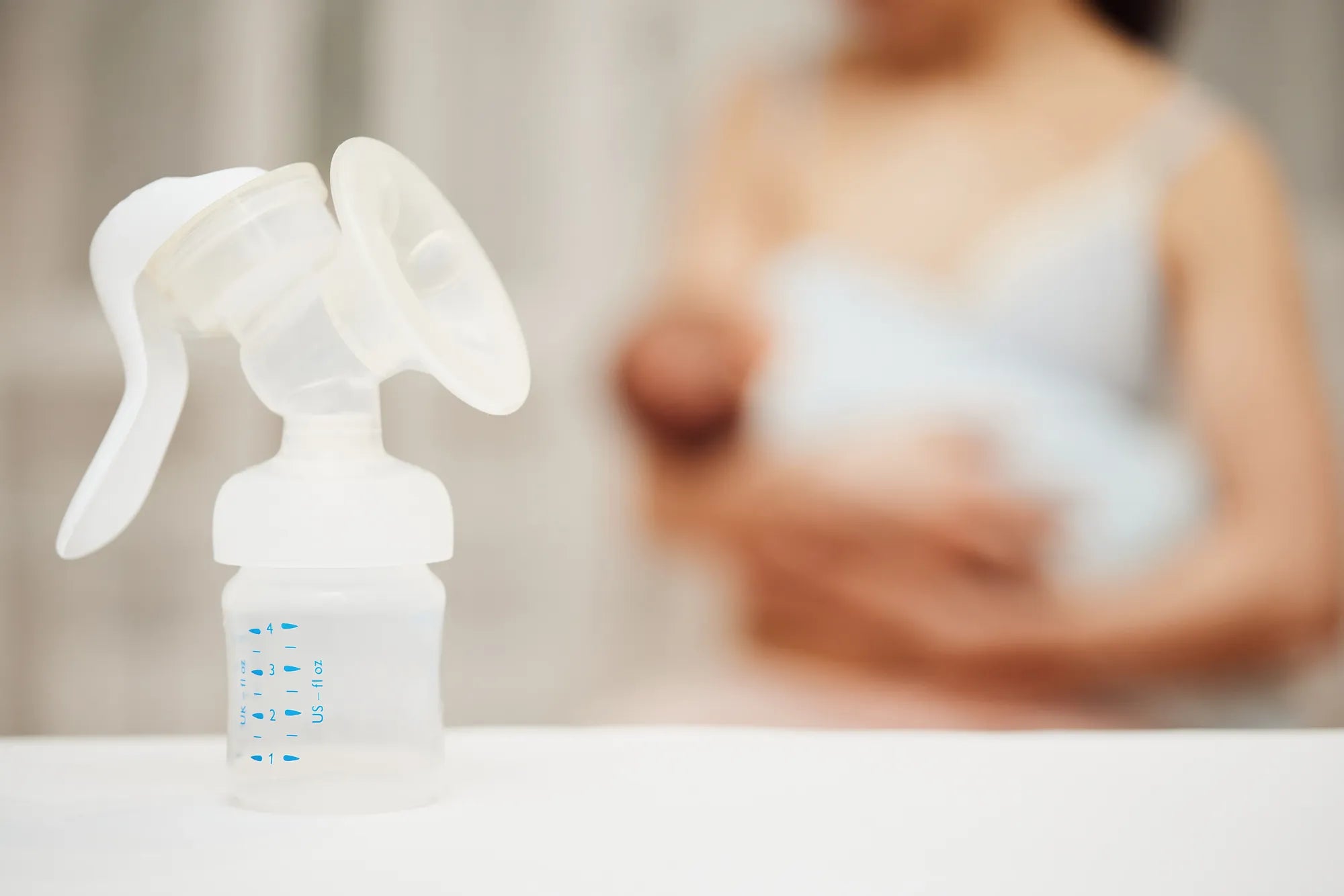
How Many Calories You Burn Pumping Breast Milk: A Comprehensive Guide
Understanding the Energy of Lactation
You’ve just finished a pumping session, poured that liquid gold into a storage bag, and an immediate, ravenous hunger hits. This experience is nearly universal among pumping parents, pointing directly to a fundamental biological truth: making milk is metabolically demanding work. The central question, How Many Calories You Burn Pumping Breast Milk: A Comprehensive Guide, addresses this very experience. This guide will demystify the science behind the calorie burn, provide you with data-driven formulas to estimate your personal expenditure, and deliver practical nutrition and lifestyle advice to fuel your body effectively for sustainable milk production and personal well-being.
The Science Behind Burning Calories While Pumping
Lactation is one of the most energy-intensive processes the human body undertakes. The metabolic engine required to produce breast milk, known as lactogenesis, runs around the clock. Your body synthesizes the perfect blend of fats, proteins, carbohydrates, and immune factors from your bloodstream, a process that demands significant caloric energy. This energy is drawn from a combination of your daily dietary intake and, if necessary, from the fat stores accumulated during pregnancy.
The primary hormone driving milk production, prolactin, signals your body to prioritize this function. Think of your metabolism shifting gears: resources are diverted to support mammary gland activity. The actual mechanical action of the pump or a baby suckling triggers the milk-ejection reflex (let-down), but the substantial calorie cost lies in the biochemical creation of the milk itself. Therefore, the energy expenditure is intrinsically linked to your output volume.
How Your Body Fuels Milk Production
Your body utilizes a two-tiered system to meet the energy demands of lactation. First, it uses calories from the foods and beverages you consume each day. When intake is sufficient, this is the preferred source. Second, it can mobilize adipose tissue—the fat stores built intentionally during pregnancy—to provide the necessary energy substrate. This is a natural, gradual process designed by evolution to support the mother and infant postpartum.
This is why a moderate, gradual weight loss is common for many lactating parents, as the body taps into these reserves. However, it’s crucial to understand that severe calorie restriction signals your body that resources are scarce, which can downregulate milk production as a survival mechanism. The goal is nourishing support, not deprivation.
Pumping vs. Direct Breastfeeding: Is There a Calorie Burn Difference?
This is a prevalent point of confusion. The core metabolic cost is in producing the milk, not the method of removal. Whether milk is removed by a baby at the breast or by a breast pump, the body expends roughly the same amount of energy to create each ounce.
Some nuances exist: skin-to-skin contact and nursing can influence hormone levels like oxytocin, which manages stress and bonding. A stressful or uncomfortable pumping experience could theoretically affect efficiency. However, in terms of pure caloric expenditure for milk synthesis, pumping and direct breastfeeding are considered equivalent for the same volume of output. The consistency of milk removal is what maintains the supply and the associated calorie burn.
Estimating Your Caloric Expenditure: Factors and Formulas
Moving from biological principle to personal practice requires estimation. There is no single number for every person, but robust physiological research provides a reliable framework and range. Your individual calorie burn from pumping breast milk depends on several key variables, allowing you to calculate a personalized estimate.
The General Rule of Thumb: Calories per Ounce
The most widely cited and practical metric is that producing breast milk burns approximately 20 to 22 calories per ounce. This figure is derived from the energy content of the milk itself (about 20 calories per ounce) plus the metabolic overhead of its production.
You can use this to calculate a daily estimate. For example, if you pump 30 ounces in a 24-hour period: 30 oz x 21 calories (the midpoint) = 630 calories burned specifically for milk production. This is in addition to your basal metabolic rate (BMR—the calories you burn at rest) and calories burned through daily activity and exercise.
| Daily Pumped Volume | Estimated Calories Burned (using 21 cal/oz) |
|---|---|
| 15 oz | 315 calories |
| 25 oz | 525 calories |
| 30 oz | 630 calories |
| 35 oz | 735 calories |
Key Factors That Influence Your Individual Burn Rate
Several variables cause the calorie burn to fluctuate from person to person:
- Milk Output Volume: The single biggest factor. Exclusively pumping for a newborn will burn far more than occasional pumping for an older baby on solids.
- Baby's Age and Demand: Milk composition changes subtly, with fat content varying. The caloric density of your milk can slightly alter the energy required to produce it.
- Your Basal Metabolic Rate (BMR): Individuals with a naturally higher BMR may have a slightly elevated metabolic cost for all physiological processes, including lactation.
- Body Composition and Metabolic Health: Your body's efficiency in utilizing energy stores can play a role.
- Frequency and Efficiency of Pumping: Consistent, effective removal that fully drains the breasts signals your body to maintain production, thereby maintaining the associated calorie expenditure.
Nourishing the Machine: Nutrition Tips for Pumping Moms
Understanding you’re burning calories pumping breast milk is only half the equation. The other half is strategically fueling your body to meet this demand without compromising supply or your own health. The objective is not to create a drastic calorie deficit for weight loss but to support a sustainable energy balance.
Prioritizing Quality Calories for You and Baby
Focus on nutrient-dense foods that deliver vitamins, minerals, healthy fats, and protein alongside calories. Lean proteins (chicken, fish, beans, lentils) are building blocks for tissue repair and milk production. Healthy fats (avocado, nuts, seeds, olive oil) are crucial for brain development and hormone regulation. Complex carbohydrates (oats, quinoa, sweet potatoes) provide sustained energy. Hydration is non-negotiable; thirst is a key guide, and aiming for fluids that match your output (water, milk, herbal teas) is essential.
Certain foods, termed galactagogues, are traditionally believed to support milk supply, though scientific evidence varies. Oats, brewer’s yeast, flaxseed, and fenugreek are popular examples. Their primary benefit often lies in providing quality nutrients and calories, which supports overall metabolic health for lactation.
Smart Snacking and Meal Planning for Sustained Energy
Pumping schedules are relentless. Planning prevents reaching for empty-calorie convenience foods. Prepare one-handed, high-protein snacks: hard-boiled eggs, cheese sticks, Greek yogurt, nut butter on apple slices, or trail mix. Batch-cook and freeze meals like soups, stews, and lactation-friendly muffins. Keep a snack basket and a large water bottle near your pumping station. This practical support ensures you’re replenishing the calories you burn pumping with high-quality fuel.
Beyond Calories: Holistic Support for Your Pumping Journey
Milk production and personal energy are influenced by a triad of factors: nutrition, hydration, and recovery. Ignoring rest and stress management can undermine even the most perfect diet.
The Role of Rest, Hydration, and Stress Management
Sleep deprivation and high cortisol (stress hormone) levels can directly inhibit milk ejection and, over time, signal the body to reduce supply. While “sleep when the baby sleeps” is challenging for pumping parents, prioritizing rest when possible is a lactation strategy. Dehydration can quickly impact output volume. Stress management—whether through deep breathing during let-down, a short walk, or asking for help—is not a luxury; it’s a functional component of maintaining your milk production metabolism.
Finding Comfort and Efficiency with the Right Pump
Discomfort and inefficiency during pumping sessions contribute to stress and can hinder effective milk removal, indirectly affecting the consistency of your calorie-burning milk production. Using a pump that is comfortable, quiet, and efficient supports a sustainable routine. As a trusted maternal care brand, MomMed specializes in designing pumps that address these needs. For instance, the MomMed S21 Wearable Breast Pump offers hospital-grade suction in a discreet, cord-free design, allowing for mobility and comfort. Proper flange fit—a focus in MomMed’s product guides—is critical for effective milk removal without pain, ensuring your body receives the clear signal to continue producing milk at the required volume. A comfortable, efficient pump is an investment in your pumping journey’s success and your overall well-being.
Common Questions from Pumping Moms (FAQ)
Q: Will pumping help me lose my pregnancy weight faster?
A: Pumping breast milk creates a significant additional calorie expenditure, which can contribute to gradual postpartum weight loss as your body utilizes fat stores. However, it is not a rapid weight-loss tool. Drastically cutting calories can reduce your milk supply. A slow, steady loss of 1-1.5 pounds per week is considered safe for most lactating parents.
Q: How many extra calories should I eat while exclusively pumping?
A> Using the 20-22 calories per ounce guide, you can estimate your needs. If you pump 30 ounces daily, you’re burning an extra ~630 calories. It’s generally recommended that exclusively pumping parents consume an additional 300-500+ quality calories per day above their maintenance needs, allowing the body to draw the remainder from reserves. Always consult with a healthcare provider or dietitian for personalized advice.
Q: What if I’m pumping but not losing weight?
A> This is common and can be due to several factors: your body may be holding onto weight to safeguard energy for lactation; dietary choices may be calorie-dense but less nutrient-rich; hormonal shifts (like thyroid changes) can affect metabolism; or you may simply need more time. Shift focus from the scale to nourishing your body and meeting your baby’s needs.
Q: Does the fat content of my milk affect how many calories I burn?
A> The variation is minor. While hindmilk (higher in fat) is more calorie-dense for the baby, the metabolic cost for you to produce an ounce of milk remains relatively constant. The body’s effort to synthesize and secrete both the aqueous and lipid components is captured in the 20-22 calorie per ounce average.
Q: Should I track calories while pumping?
A> For most, meticulous tracking can add stress. A better approach is to practice intuitive eating: listen to hunger cues, prioritize nutrient-rich foods, stay hydrated, and monitor your milk output and energy levels. If you have concerns about supply or nutrition, a lactation consultant or registered dietitian can provide guidance without promoting restrictive tracking.
Listening to Your Body and Celebrating Your Effort
The journey of pumping breast milk is a profound demonstration of metabolic dedication. Yes, you burn a substantial number of calories—anywhere from 300 to over 700 extra per day—to create your baby’s nourishment. This guide to how many calories you burn pumping breast milk underscores that the focus should be on supporting this incredible physiological feat with quality nutrition, adequate hydration, and compassionate self-care. Every ounce you pump represents a significant investment of your body’s energy and your personal commitment. Trust your body’s signals, seek support when needed, and recognize the monumental effort you are putting forth daily. For tools designed to support that effort with comfort and reliability, from wearable pumps to essential feeding accessories, shop the MomMed collection at mommed.com for all your breastfeeding and pregnancy needs.