


Home
Pregnancy, Breastfeeding, and Pumping: The Ultimate Guide for Moms
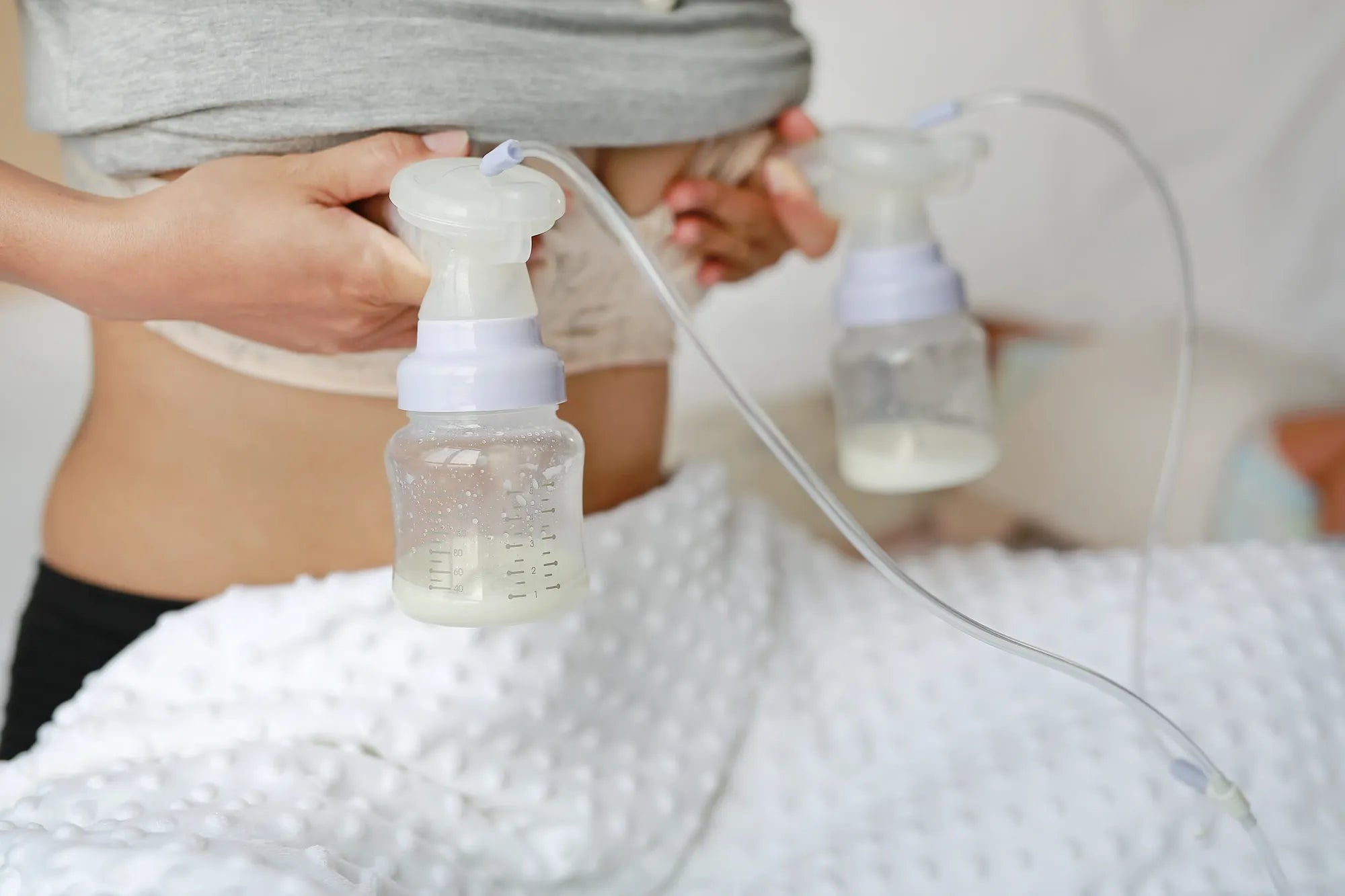
How Long to Massage Breast Before Pumping: A Complete Guide
How Long to Massage Breast Before Pumping: A Complete Guide
Introduction to Breast Massage and Pumping
If you're pumping breast milk, you've likely wondered about the best way to maximize your output and comfort. One of the most effective, yet often overlooked, techniques is a simple pre-pumping breast massage. The core question for many is straightforward: how long to massage breast before pumping to see real benefits?
This complete guide dives deep into the science, timing, and practical steps of pre-pumping massage. Breast massage, often called breast compressions, isn't just a nice-to-have; it's a powerful tool that stimulates your let-down reflex, helps drain your breasts more completely, and can be a game-changer for your pumping routine.
We'll provide clear, data-driven recommendations so you can pump smarter, not harder. Whether you're exclusively pumping, building a freezer stash, or returning to work, mastering this technique is essential. As a trusted maternal and baby care brand, MomMed is here to support your journey with reliable products and evidence-based advice.
The Science Behind Pre-Pumping Massage: Why It Works
Understanding the physiology of milk production and ejection makes the value of massage clear. Your breasts are not simple storage tanks; they are dynamic organs where milk is produced in alveoli and travels through a network of ducts to the nipple.
Gentle massage before pumping applies physical stimulation that triggers the release of oxytocin, the hormone responsible for the milk ejection reflex (let-down). This hormonal signal causes the tiny muscles around the alveoli to contract, squeezing milk into the ducts. Without an effective let-down, your pump is merely suctioning at the nipple, which is inefficient and can be uncomfortable.
Furthermore, massage helps mobilize fattier hindmilk that can cling to duct walls. It also promotes lymphatic drainage, which can reduce swelling and the risk of plugged ducts. Research and lactation consultant protocols, including those from Dr. Jack Newman, consistently highlight breast compressions as a key strategy for improving milk transfer and flow.
By manually encouraging milk movement toward the nipple before you even turn on your pump, you're essentially 'priming the pump.' This leads to a faster let-down, a more productive session, and often, a higher fat content in your expressed milk.
Step-by-Step: How to Massage Your Breasts Before Pumping
Proper technique is crucial for effectiveness and safety. Follow this step-by-step guide to ensure your pre-pump massage is both gentle and productive.
First, create a relaxing environment. Stress can inhibit oxytocin. Wash your hands thoroughly. Many moms find applying warmth for 2-3 minutes before massaging highly beneficial. You can use a warm, damp washcloth, a specially designed warm pack, or even take a warm shower.
Begin with your breast against your chest wall. Using the flat of your fingers or your palm, make gentle, circular motions. Start from the outer perimeter of your breast, moving slowly inward toward the areola. Apply light to medium pressure—enough to feel the tissue moving under your skin, but never to the point of pain or bruising.
Pay special attention to areas that feel particularly full, dense, or lumpy, as these may indicate fuller lobes or the beginning of a clog. Spend a few extra moments there with gentle, persistent circles. The goal is to soften the entire breast tissue, not just the front.
The Ideal Duration: How Long is Just Right?
So, how long to massage breast before pumping for optimal results? Based on lactation consultant recommendations and maternal feedback, 1 to 2 minutes of gentle, focused massage per breast is the general sweet spot.
This timeframe is typically sufficient to stimulate oxytocin release and initiate milk movement without being overly time-consuming. The first minute can be dedicated to overall breast softening with circular motions. The second minute can involve more targeted compression, gently squeezing and releasing the breast from the chest wall toward the nipple.
It's important to listen to your body's cues. You may feel a tingling, sudden fullness, or see milk begin to drip or spray—a sure sign your let-down is starting. Once you observe this, you can move to pumping. Some mothers with a very responsive let-down may need only 30-45 seconds, while others might benefit from a full 2-3 minutes. Start with 1-2 minutes and adjust based on your response.
Maximizing Your Pumping Session: Integrating Massage with Your MomMed Pump
Pre-pump massage and an efficient breast pump are a powerful combination. When you use a pump like the MomMed S21 Double Wearable Breast Pump, you can seamlessly integrate this technique for a hands-free, productive session.
After your 1-2 minutes of manual massage per breast, place your MomMed pumps into your bra. The BPA-free, food-grade silicone flanges should fit comfortably. Start the pump in its stimulation mode (often a faster, lighter suction pattern), which mimics a baby's initial rapid sucks to further encourage let-down.
Once milk begins to flow steadily (usually after 1-2 minutes), switch to expression mode. Here's a pro tip: you can continue hands-on pumping (compressions during pumping) while the wearable pump does its job. Gently compress and release areas of your breast that still feel firm while the pump is running. This tandem approach is proven to increase milk output and fat content.
The convenience of a wearable pump like the MomMed S21 allows you to do this without being tethered to a wall. You can move, hydrate, or even tend to another task while ensuring a more complete emptying, which is vital for maintaining milk supply.
Common Scenarios & Troubleshooting with Pre-Pumping Massage
Your pumping needs can change daily. Here’s how to adapt your pre-pump massage duration and technique for specific situations.
For Increasing Milk Supply
If you're pumping to boost supply, consistency and a bit more time are key. Aim for a full 2-3 minutes of massage before each scheduled pumping session. The extra stimulation signals your body to produce more milk. Combine this with frequent, effective removal using your pump. Ensuring a proper flange fit is also critical; an ill-fitting flange can hinder output despite good massage techniques.
For Relieving Engorgement or Clogged Ducts
Engorgement and clogs require a gentle, focused approach. Never use aggressive pressure, as this can cause more swelling and push the clog deeper. Before pumping, use warmth and gentle, persistent massage on the affected area for several minutes. Massage from behind the clog toward the nipple. Consider using a vibration tool (like an electric toothbrush or lactation massager) on the area to help break up the blockage before you pump.
When You're Short on Time
Even on busy days, don't skip massage entirely. A 'quick express' version of 30-60 seconds per breast is vastly better than none. Focus on a few deep, gentle compressions from the chest wall forward. This can still help trigger your let-down faster, making your shortened pumping session more efficient.
Beyond the Clock: Signs Your Massage is Effective
While timing is a helpful guideline, the true measure of success is in the outcomes. Shift your focus from the clock to these physical and observable signs that your pre-pump massage is working.
Physical Sensations: A tingling, pins-and-needles feeling or sudden warmth and fullness in your breasts indicates oxytocin is flowing and your let-down is starting. This is your body's green light to start pumping.
Visual Cues: Seeing milk droplets form on your nipple, or even a fine spray, before you attach the pump flange is a clear sign of success. Your breasts should also feel noticeably softer and less dense after massaging.
Pumping Efficiency: The most concrete sign is improved session results. This includes a faster time to first let-down, a stronger, more consistent stream of milk during the session, and ultimately, the ability to express the same or more milk in a shorter amount of time. This efficiency is a major win for any pumping parent.
Pre-Pump Massage vs. Other Techniques: A Comparison
Understanding how pre-pump massage compares to related techniques can help you build your optimal routine. The following table outlines the key differences.
| Technique | Primary Purpose | When It's Done | Typical Duration | Key Benefit |
|---|---|---|---|---|
| Pre-Pump Massage | Stimulate let-down & soften breast tissue | Immediately BEFORE attaching the pump | 1-3 minutes per breast | Initiates milk flow, makes pumping more efficient from the start |
| Hands-On Pumping (Compressions) | Empty breasts more completely | DURING the pumping session | Throughout expression mode | Increases milk output & fat content; helps fully drain breasts |
| Between-Session Massage | Comfort & clog prevention | Between pumping/feeding sessions (e.g., in shower) | Variable, as needed | Promotes lymphatic drainage, relieves mild fullness |
| Warm Compress Application | Promote relaxation & milk flow | 2-3 minutes BEFORE massage/pumping | 2-5 minutes | Enhances the effects of massage; especially good for clogs |
As shown, pre-pump massage is the specific preparatory step that sets the stage for an effective session. It works synergistically with hands-on pumping during the session for the best results.
Frequently Asked Questions (FAQ)
Q: Can I over-massage my breasts?
A: Yes. Excessive or overly forceful massage can lead to tissue trauma, bruising, increased swelling, and inflammation, which can paradoxically worsen milk flow. Always use a gentle touch. If it hurts, you're pressing too hard.
Q: Should I massage between pumping sessions?
A: Light, gentle massage in a warm shower or while applying moisturizer can aid comfort and lymphatic drainage. However, the most impactful massage for milk output is the focused 1-2 minute session done immediately before pumping.
Q: Do I need special tools for breast massage?
A> Your clean hands are the best and most sensitive tool. Some mothers find a warm compress essential. For persistent clogs, a lactation massager with vibration can be helpful, but it's not a necessity for routine pre-pump massage.
Q: How does this differ from hands-on pumping?
A: Pre-pump massage prepares the breast for the pump, triggering let-down. Hands-on pumping (compressions during pumping) is a continuation of that process, working alongside the pump's suction to fully empty the breast. They are complementary techniques.
Q: I use a wearable pump. Is pre-massage still important?
A: Absolutely. While wearable pumps like the MomMed S21 offer incredible convenience, they rely on the same physiology. A pre-pump massage ensures your let-down is triggered effectively, maximizing the output you get from your wearable session.
Conclusion: Embracing a Personalized Pumping Routine
Mastering the art of pre-pump massage is one of the most impactful skills you can develop for your breastfeeding and pumping journey. Start with the guideline of 1 to 2 minutes of gentle, circular massage per breast, but remember to personalize it. Listen to your body, watch for the signs of an effective let-down, and adjust your timing based on your needs—whether you're building supply, clearing a clog, or just racing against the clock.
When you combine this simple, evidence-based technique with a comfortable, efficient pump designed for real life, you empower yourself to feed your baby on your terms. MomMed is proud to support you with innovative, reliable products like our wearable breast pumps, made from safe, BPA-free materials, to make every step of motherhood a little easier.
Ready to optimize your pumping routine? Shop the MomMed collection at mommed.com for wearable breast pumps, expertly designed flanges, and all your breastfeeding and pregnancy needs. Discover the difference that the right tools and techniques can make.