


Home
Pregnancy, Breastfeeding, and Pumping: The Ultimate Guide for Moms
How Do You Clean Your Breast Pump at Work: A Comprehensive Guide for Confident Moms
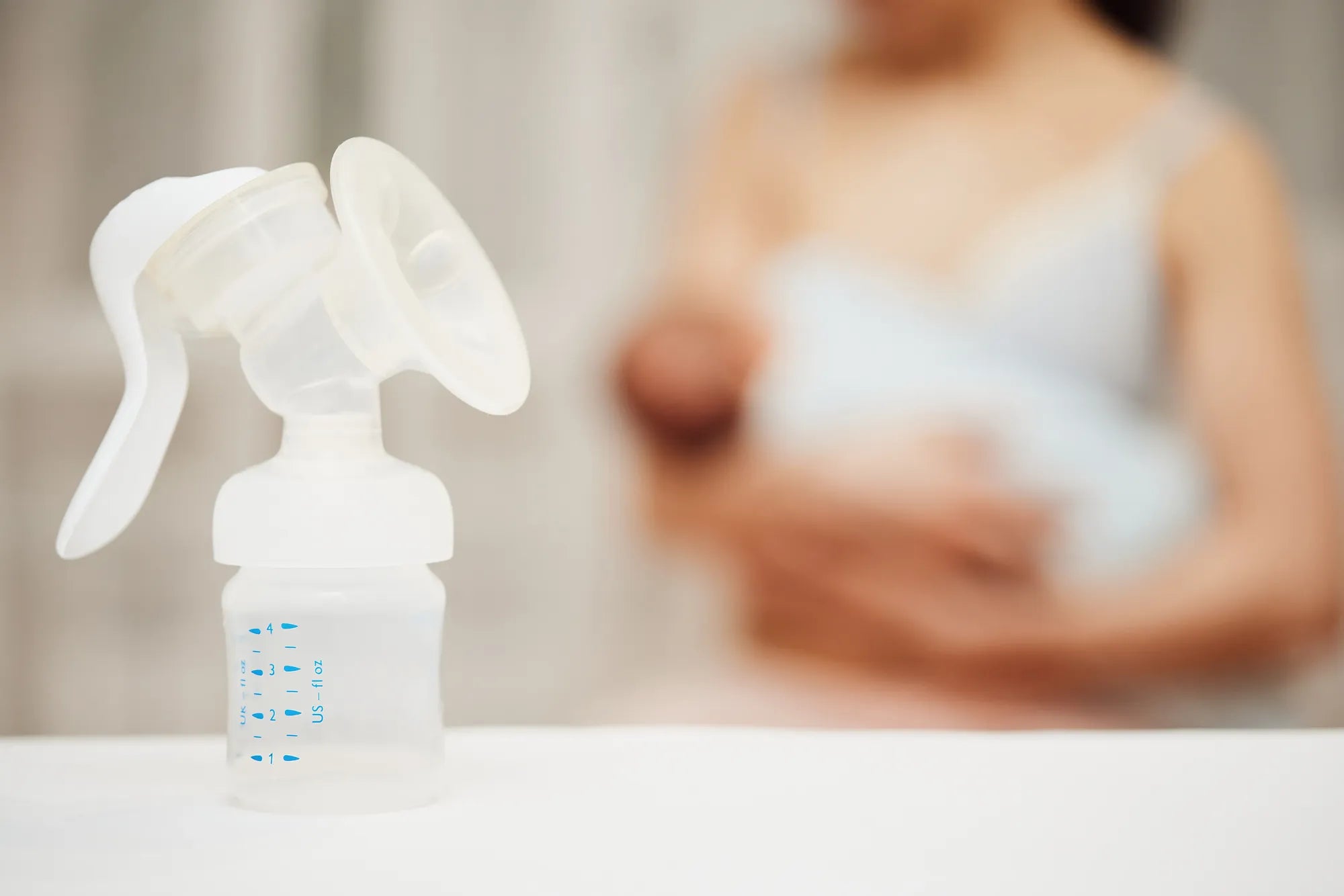
How Do You Clean Your Breast Pump at Work: A Comprehensive Guide for Confident Moms
Introduction: Mastering Pump Hygiene for a Seamless Workday
Returning to work while breastfeeding introduces a unique set of logistical challenges, with pump cleaning at the top of the list. How do you clean your breast pump at work effectively, safely, and discreetly? This isn't just about convenience; it's a critical component of your baby's health and your continued milk supply. A proper cleaning routine prevents bacterial contamination in expressed milk, protecting your infant from potential illness.
This comprehensive guide from MomMed, a trusted maternal and baby care brand, provides you with a detailed, evidence-based roadmap. We'll translate official guidelines into practical, actionable steps you can implement in any workplace environment. From your essential cleaning toolkit to advanced time-saving strategies, we empower you to maintain impeccable pump hygiene without adding undue stress to your busy day.
Your confidence as a pumping mom shouldn't be compromised by an unclear cleaning process. With the right knowledge and tools—including pumps designed for easy maintenance, like MomMed's wearable models—you can navigate this routine with assurance. Let's build a routine that keeps your milk safe, your pump functioning optimally, and your focus on your work and your baby.
Why Proper Cleaning at Work is Non-Negotiable for Infant Health
Breast milk is a living substance, rich in nutrients and antibodies, but this same biological complexity makes it an excellent medium for bacterial growth. When milk residue remains on pump parts, bacteria from the environment, your skin, or even the milk itself can multiply rapidly. This contamination can lead to spoiled milk and, if fed to your baby, cause gastrointestinal distress, such as vomiting or diarrhea.
The Centers for Disease Control and Prevention (CDC) provides clear guidelines for pump cleaning to mitigate these risks. Their recommendations are the gold standard, emphasizing that all parts that touch breast milk must be cleaned after every use. This isn't an arbitrary rule; it's a foundational practice for food safety, treating your pump parts with the same care as you would a baby's bottle or dish.
Beyond immediate health concerns, improper cleaning can damage pump parts over time. Milk fats can build up in valves and membranes, reducing suction efficiency and potentially decreasing your milk output. A consistent cleaning routine preserves the longevity and performance of your investment. Using reliable, easy-to-clean equipment, such as MomMed pumps made with smooth, BPA-free, food-grade silicone, simplifies adherence to these vital hygiene protocols.
Finally, establishing a rigorous cleaning routine provides invaluable peace of mind. Knowing you've taken every precaution allows you to be fully present at work, confident that the milk you provide for your baby is as safe and wholesome as possible. This psychological benefit is a crucial, often overlooked, aspect of sustaining your breastfeeding journey while managing professional responsibilities.
Your Work Pump Cleaning Toolkit: The Essential Checklist
Preparation is half the battle. Keeping a dedicated kit at your workplace eliminates daily guesswork and ensures you always have what you need. Store these items in a clean, designated bag or container at your desk or in a locker.
The Absolute Must-Haves: These items are non-negotiable for a basic clean. You will need a mild dish soap (preferably fragrance-free to avoid residue), a dedicated bottle and pump-part brush with soft bristles to reach small crevices, and clean, disposable paper towels or a dedicated microfiber cloth for drying. A large, clean mixing bowl or collapsible silicone basin is also essential if you are using a shared sink, providing a clean washing space.
Highly Recommended Nice-to-Haves: These items add convenience and efficiency. Microwave steam sanitizer bags allow for quick sanitizing at the office if needed. A portable, foldable drying rack or a specially designed pump-part drying tree saves space and promotes airflow. A small insulated bag with ice packs is critical for the refrigerator method, and having an extra set of pump parts (like MomMed's easily interchangeable components) is a true game-changer for busy days.
When selecting products, consider how they interact with your pump. MomMed designs its pump parts, such as those for the S21 Wearable Breast Pump, with simplicity in mind. The fewer nooks and crannies, and the smoother the food-grade silicone, the easier and faster the cleaning process becomes, making your toolkit even more effective.
The Step-by-Step Guide: How to Clean Your Breast Pump at Work
This core routine, based on CDC recommendations, should follow every pumping session at work. Consistency is key to safety and efficiency.
Step 1: Immediate Disassembly and Rinse
As soon as you finish pumping, disconnect all parts that contacted breast milk: flanges, valves, membranes, connectors, and bottles. Do not let milk dry on the components. Immediately take them to your cleaning area and rinse them thoroughly under cool running water. Cool water prevents the proteins in the milk from cooking onto the plastic, which can happen with hot water and make cleaning more difficult.
This initial rinse removes the majority of milk residue. Pay special attention to small, complex parts like duckbill valves or backflow protectors, as milk can easily get trapped. If you are in a shared bathroom, using your clean basin filled with cool water for this rinse is a hygienic alternative to the sink itself.
Step 2: The Thorough Wash with Hot, Soapy Water
After rinsing, wash every part meticulously. Fill your clean basin with hot water and add a drop of mild soap. Use your dedicated brush to scrub all surfaces, inside and out. Focus on threading, inside corners of flanges, and the interior of bottles. For valves and membranes, gently scrub with your fingers or a small brush to ensure no milk film remains.
Do not submerge motorized parts or tubing that did not touch milk (unless manufacturer instructions say otherwise). For MomMed pumps, only the collection cups, valves, and connectors need this wash. After scrubbing, rinse all parts completely under running water to remove all soap suds, as soap residue can contaminate milk and affect taste.
Step 3: Drying Safely and Discreetly in a Shared Space
Proper drying is as important as washing, as bacteria thrive in moisture. Shake off excess water from the parts. The ideal method is air-drying on a clean, dedicated drying rack placed on a paper towel at your desk. If discretion is needed, place the rack in a clean, dry drawer that is left slightly ajar for airflow.
Alternatively, lay parts on a fresh, clean paper towel and pat them dry before storing. Never use a shared kitchen towel or cloth, as these can harbor germs. Ensure parts are completely dry before reassembling for your next use or storing them in a clean, closed container. If parts are still damp, consider storing them in the refrigerator between sessions using the validated "refrigerator method."
Smart Strategies: The Refrigerator Method and the Power of Backup Parts
For many working moms, washing parts after every single session at work is not feasible. The CDC provides an alternative: the refrigerator method. This involves safely storing pump parts in the refrigerator between pumping sessions throughout the workday.
Here’s how to execute it correctly: After pumping, seal your rinsed or unrinsed pump parts in a clean, airtight container or zip-top bag and place them immediately in the refrigerator. The cold temperature significantly slows bacterial growth. At the end of the day, you take the parts home and wash and sanitize them thoroughly. This method is intended for same-day storage only; parts must still be cleaned at the end of the day.
Critical Do's and Don'ts: Do use a clean, dedicated bag or container. Do place parts in the fridge immediately. Do not store parts in the fridge door where temperature fluctuates. Do not use this method for more than 24 hours without cleaning. Do not use it if your baby is premature, has a compromised immune system, or is under three months old, without consulting your pediatrician first.
The ultimate convenience strategy is investing in a second (or third) complete set of pump parts. This allows you to use a clean set for each session and take the used sets home for washing. MomMed’s interchangeable and affordable parts make this strategy highly practical. It eliminates the need for midday washing or the refrigerator method, reducing stress and saving significant time during your workday.
What About Sanitizing? Daily Needs vs. Weekly Routine
It’s crucial to distinguish between cleaning (removing milk and germs with soap and water) and sanitizing (further reducing germs to a safe level after cleaning). For most healthy, full-term babies, daily sanitizing of pump parts at work is not necessary if proper cleaning is performed.
The CDC recommends sanitizing at least once per day, but this can effectively be done at home as part of your evening routine. This is especially relevant for the workplace, where sanitizing equipment may be limited. You can safely clean parts at work and then sanitize all parts together at home at the end of the day.
Effective sanitizing methods include boiling in water for 5 minutes, using a dishwasher with a sanitize cycle and heated dry, or using a microwave steam sanitizer bag. Always check your pump manufacturer’s instructions; MomMed parts are compatible with these common sanitizing methods. Sanitizing becomes a daily necessity if your baby is under three months old, was born prematurely, or has a weakened immune system—consult your healthcare provider for personalized guidance.
Choosing the Right Pump for Effortless On-the-Go Cleaning
The design of your breast pump has a profound impact on the ease and speed of your cleaning routine at work. When selecting a pump for a busy professional life, prioritize models that simplify maintenance.
Key features to look for include fewer separate parts, as less assembly means less to clean. Dishwasher-safe components are a major advantage for your home routine. Parts made from smooth, non-porous, BPA-free materials (like food-grade silicone) resist milk residue buildup and are easier to scrub. Intuitive design that avoids tiny, hard-to-reach crevices is also essential.
This is where wearable pumps like the award-winning MomMed S21 Double Wearable Breast Pump excel. Engineered with the busy mom in mind, its collection cups feature a streamlined design with minimal seams. The high-quality, food-contact silicone parts are not only gentle on skin but also exceptionally easy to rinse and wipe clean. The simplicity of its valve system compared to traditional pumps with multiple membranes and connectors translates directly into fewer minutes spent cleaning at the office sink.
Consider this comparison of cleaning considerations for different pump types:
| Pump Type | Typical Part Count to Clean | Common Cleaning Challenges | Best For Workplace Because... |
|---|---|---|---|
| Traditional Electric (with bottles) | 6-8+ parts (flanges, bottles, valves, membranes, connectors) | Many small parts; complex valves; tubing can get moisture inside if not careful. | Familiarity; but process can be time-consuming. |
| All-in-One Wearable (e.g., MomMed S21) | 3-4 main parts per side (cup, valve, connector) | Ensuring interior of cup is fully dry. Fewer inherent challenges. | Minimal parts, quick assembly/disassembly, easy-to-clean surfaces. |
| Manual Pump | 3-5 parts | Can have small crevices; requires physical effort to clean as well as pump. | Portability and simplicity, though pumping itself is more labor-intensive. |
FAQ: Quick, Authoritative Answers for Busy Pumping Moms
Q: Can I just use sanitizing wipes or spray on my pump parts at work?
A: No. The CDC does not recommend using sanitizing wipes or sprays on breast pump parts. These chemicals are not intended for food-contact surfaces and may not be rinsed off adequately, potentially contaminating your milk. Soap and water, or the refrigerator method, are the only recommended on-the-go solutions.
Q: What if I don't have access to a private or clean sink?
A: This is a common issue. Your clean, dedicated basin is the solution. You can bring water from a water cooler or bathroom to your private space (like a lactation room or your office) to wash parts in the basin. The refrigerator method is also an excellent alternative for days when washing truly isn't an option.
Q: How should I transport my clean, dry parts to and from work?
A>Use a clean, dedicated container with a lid—a large food storage container or a zip-top bag works well. Ensure parts are completely dry before packing to prevent mold growth. Transport them in your work bag, separate from used parts or other items.
Q: Is the refrigerator method really safe? My coworker said it's not.
A: When followed correctly, the refrigerator method is supported by CDC guidelines as a safe alternative to washing after every use for same-day storage. The key is using a clean container and refrigerating immediately. It is not safe for overnight or multi-day storage. For the highest-risk infants, consult your pediatrician.
Q: How often should I replace pump parts like valves and membranes?
A>Wear and tear reduces suction and hygiene. Check valves regularly for stretching, tears, or stickiness. Membranes should be intact and flexible. A good rule is to inspect monthly and replace every 2-3 months with frequent use. MomMed offers affordable, genuine replacement parts to ensure optimal performance and safety.
Empower Your Pumping Journey with Knowledge and the Right Tools
Mastering how to clean your breast pump at work is a cornerstone of a successful and sustainable return to the workplace while breastfeeding. By implementing the immediate rinse, thorough wash, and safe drying practices outlined here, you build an unshakable defense against contamination. Integrating smart strategies like the refrigerator method and maintaining backup parts transforms a potential stressor into a manageable, seamless routine.
Your confidence grows from knowing your actions are grounded in the latest safety guidelines from health authorities. This confidence allows you to provide the best for your baby without sacrificing your professional identity. Remember, the right equipment is not a luxury; it's a facilitator. Choosing a pump designed for easy maintenance, with intuitive, high-quality parts, directly reduces the time and effort required in your daily cleaning ritual.
You are navigating the complex, rewarding path of working motherhood with diligence and care. Let your pump cleaning routine be a simple, automated task that supports your larger goals, not a hurdle. With a solid plan in place, you can pump with assurance, knowing you are protecting your baby's health and safeguarding your precious milk supply, one clean part at a time.
Ready to simplify your pumping routine? Explore pumps designed with your real-life needs in mind. Shop the MomMed collection at mommed.com for all your breastfeeding and pregnancy needs, including our innovative wearable breast pumps, easy-clean accessories, and genuine replacement parts to keep your journey smooth and secure.