


Home
Pregnancy, Breastfeeding, and Pumping: The Ultimate Guide for Moms
Does Insurance Cover Breast Pump: Everything You Need to Know
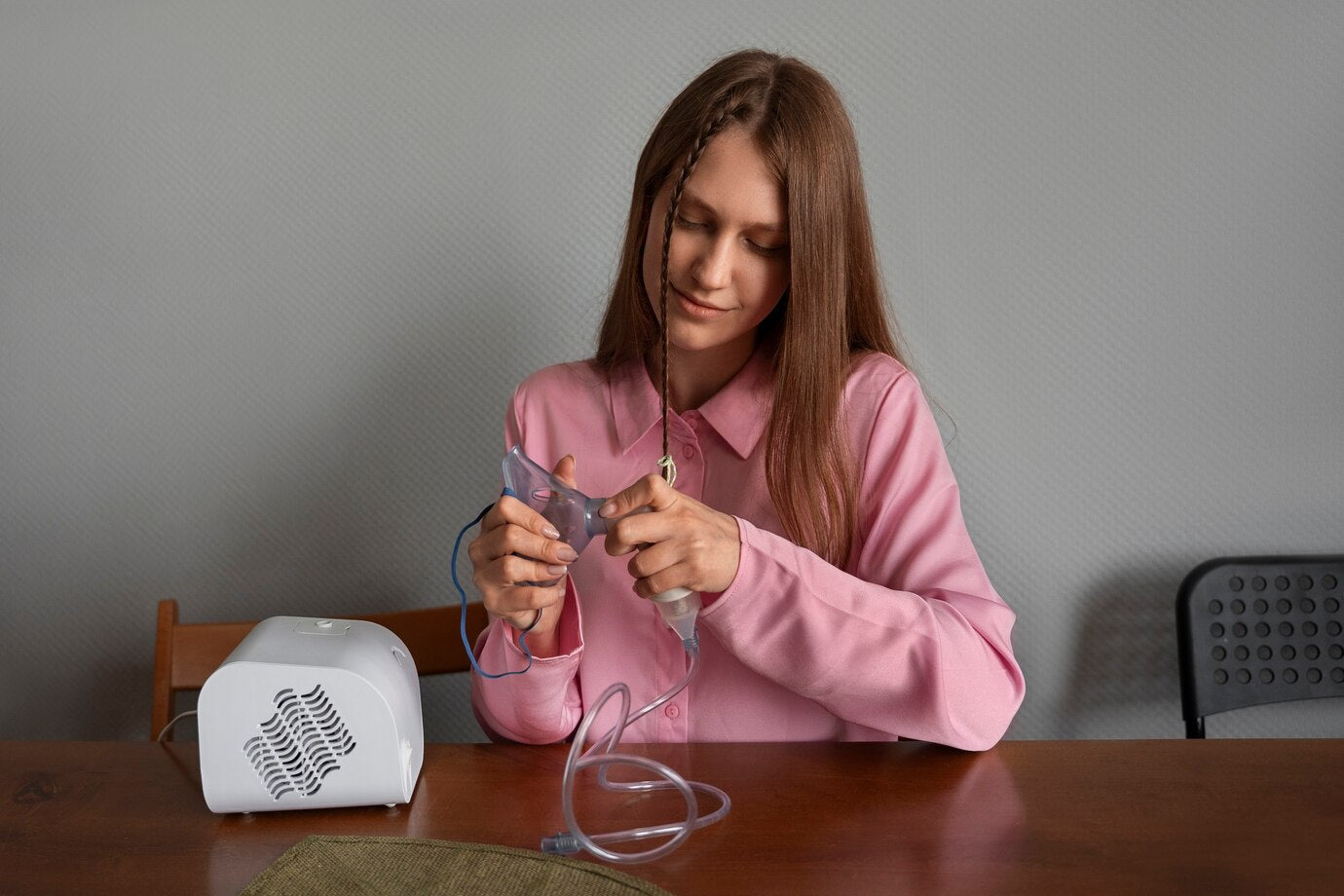
Does Insurance Cover Breast Pump: Everything You Need to Know
Navigating the world of insurance coverage for a breast pump can feel overwhelming, but it's a crucial step in preparing for your breastfeeding journey. The good news is that, thanks to federal law, most health insurance plans are required to provide coverage. This guide will give you everything you need to know about whether insurance covers a breast pump, the exact steps to get yours, and how to make the most of your benefits. You'll learn how to decode your policy, work with suppliers, and understand your options for different pump types, including advanced wearable models. By the end, you'll feel confident and equipped to secure the equipment you need to feed your baby.
Understanding Breast Pump Insurance Coverage
For many new parents, a breast pump is an essential tool for feeding their baby, whether returning to work, managing supply, or simply seeking flexibility. The core question, "Does insurance cover a breast pump?" has a largely positive answer due to the Affordable Care Act (ACA). However, the specifics of what is covered, when, and how can vary dramatically between insurance providers and individual plans.
This variation means that while one mom might receive a top-tier double electric pump with all accessories at no cost 30 days before her due date, another might have a more limited selection or need to wait until after delivery. The process often involves working with a specific medical equipment supplier and obtaining a prescription. Understanding these nuances upfront can save you time, stress, and potentially money.
It's also important to know that coverage isn't just about the pump itself. Some plans may also contribute to breastfeeding support services or lactation consultant visits. Starting your research early in your pregnancy gives you ample time to contact your insurer, understand your unique benefits, and ensure you have the right equipment ready when your baby arrives.
Approaching this process with a clear checklist transforms it from a daunting task into a manageable project. The key is to be proactive, ask detailed questions, and gather the necessary documentation. This foundational knowledge empowers you to advocate for the coverage you and your baby are entitled to receive.
Navigating the Affordable Care Act (ACA) Mandate
The cornerstone of breast pump insurance coverage is the Affordable Care Act (ACA), enacted in 2010. This law includes a provision that requires most private health insurance plans to provide coverage for preventive care and screenings for women without charging a copayment, coinsurance, or deductible. Crucially, this includes comprehensive support for breastfeeding.
Specifically, the ACA mandates coverage for breastfeeding support, counseling, and equipment. This means the cost of a breast pump must be fully covered by your insurance plan. The mandate applies to most individual health plans and employer-sponsored group health plans. However, it's important to note that "grandfathered" health plans—those that existed before March 23, 2010, and have not made significant changes—are not required to comply.
Eligibility for this benefit typically extends to pregnant women and new mothers. The law ensures you have access to the tools necessary to initiate and maintain breastfeeding, which is recognized for its significant health benefits for both infant and mother. This federal mandate is why you can confidently start the conversation with your insurer, knowing that in most cases, they are legally obligated to provide this benefit.
While the ACA sets the floor for coverage, it does not specify the exact type or brand of pump that must be provided. This is where insurance companies have discretion, leading to the variation in offerings. They may cover a basic manual pump, a standard single electric pump, or a double electric pump. The determination often hinges on what is deemed "medically appropriate," which can be influenced by your specific situation or your doctor's recommendation.
What Types of Pumps Are Typically Covered?
Insurance plans generally categorize breast pumps as Durable Medical Equipment (DME). The types of pumps covered usually fall into three tiers: manual pumps, single electric pumps, and double electric pumps. Most insurance providers will fully cover a standard double electric pump, as it is considered the most efficient for maintaining milk supply, especially for mothers who are returning to work or pumping exclusively.
Manual pumps are less commonly the default covered item due to their lower efficiency for regular use, but they may be covered as a secondary option or for specific circumstances. Single electric pumps are also covered by many plans. The specific model you receive is often determined by the insurance company's contracted Durable Medical Equipment (DME) supplier, who will have a catalog of approved pumps.
Increasingly, more advanced pump styles, including wearable and hands-free pumps, are entering the covered equipment lists. However, these are frequently handled through "upgrade" programs. In these cases, your insurance covers the cost of a basic double electric pump, and you pay the difference to upgrade to a more feature-rich model, like a discreet, cordless wearable pump.
It is rare for insurance to cover multiple pumps unless there is a documented medical necessity (e.g., one for home and one for work). Coverage typically applies to one pump per pregnancy. Understanding this tiered system helps you set realistic expectations and plan for any potential out-of-pocket costs if you desire a pump with specific advanced features.
The Role of Your Doctor or Midwife
Your healthcare provider plays a pivotal role in the insurance process. A prescription or a Letter of Medical Necessity (LMN) is almost always required to obtain a breast pump through insurance. This document formally recommends the equipment for your care.
You can request this prescription from your obstetrician, midwife, or even your baby's pediatrician after birth. It's often easiest to do this during a routine prenatal appointment. The prescription should include your name, due date, the type of pump recommended (e.g., "double electric breast pump"), and the provider's signature and National Provider Identifier (NPI) number.
For situations where a standard pump may not suffice—such as a mother with twins, a premature infant in the NICU who needs to establish supply, or a mother with certain medical conditions—your provider can write a more detailed LMN. This letter can justify the need for a hospital-grade rental pump or a specific type of pump, increasing the likelihood of insurance approval for that particular item.
Having an open conversation with your provider about your breastfeeding goals and lifestyle can help them tailor their recommendation. They can advise on whether a basic pump will suffice or if your situation warrants a recommendation for a more advanced model, which can be helpful context if you need to navigate an upgrade path with your insurer or DME supplier.
Step-by-Step Guide to Getting Your Pump Covered
Turning the insurance benefit into a pump in your hands requires a clear process. Following these steps in order will streamline your experience and help you avoid common pitfalls.
1. Review Your Insurance Policy: Start by looking at your plan's Summary of Benefits and Coverage (SBC) document, usually available online through your insurer's portal. Look for terms like "breastfeeding support," "breast pump," or "durable medical equipment." This gives you a preliminary idea of your coverage.
2. Contact Your Insurance Provider: This is the most critical step. Call the member services number on the back of your insurance card. Have your plan information ready and ask specific questions. Take notes during the call, including the date, the representative's name, and the details they provide.
3. Obtain Your Prescription: Contact your OB-GYN or midwife's office to request a prescription for a breast pump. Specify if you need it for insurance purposes. Most offices are familiar with this request and can often provide the prescription electronically or via a printed form.
4. Connect with the Approved DME Supplier: Your insurance company will direct you to one or more in-network Durable Medical Equipment suppliers. Contact the supplier, set up an account, and provide them with your insurance details and prescription. They will guide you through their ordering process and show you which pump models are available under your plan.
5. Place Your Order and Understand Timing: Confirm the shipping timeline. Most insurers allow ordering 30-60 days before your due date, but some may require you to wait until after the baby is born. Understand the return policy and warranty information for the pump you select.
6. Explore Upgrade Options (If Desired): If the supplier offers pumps that don't meet your needs, ask about their upgrade program. You will typically pay the difference between the insurance-covered amount for a basic pump and the retail price of the premium model you want.
Step 1: Contact Your Insurance Provider
When you call your insurance provider, go beyond simply asking, "Do you cover breast pumps?" Prepare a list of detailed questions to get a complete picture of your benefits. Essential questions include: "Is there a preferred DME supplier I must use?" "What is the coverage timeframe—can I order before my due date, or must I wait until after delivery?" "Are there specific pump brands or models covered under my plan?"
Also ask: "Do I need a prescription, and are there specific requirements for that prescription?" "Is there a limit to how much is covered (e.g., a capped dollar amount)?" "Does my plan cover a hospital-grade rental pump if needed, and under what circumstances?" Finally, inquire about accessories: "Are replacement parts like flanges, tubing, or bottles covered, or is there an annual allowance for supplies?"
Getting clear answers to these questions will map out your entire path. If the first representative seems unsure, don't hesitate to ask to speak to a supervisor or the department that handles DME. Having a record of this conversation can be invaluable if any discrepancies arise later.
Step 2: Obtain Your Prescription
Requesting your prescription is usually straightforward. Contact your healthcare provider's office via a patient portal message or a phone call to the nurse's line. A sample request might be: "Hi, I'm [Your Name], due on [Due Date]. I'm working with my insurance to order a breast pump and need a prescription for a double electric pump for insurance purposes. Could you please send that to me?"
Most practices have a standard form or template they use. Ensure the prescription includes all necessary details: your full name, date of birth, the specific type of pump (e.g., "double electric breast pump"), and your provider's signature and NPI number. Some insurers or suppliers may also require your due date or the baby's birth date to be listed.
If you have a specific medical reason for needing a certain type of pump (like a wearable pump due to a physical condition or a hospital-grade pump for a preemie), discuss this with your provider. They can strengthen the prescription language to support your case, which may help if you encounter resistance from the insurance company or supplier regarding an upgrade or special model.
Step 3: Work with an Approved Supplier
Insurance companies contract with specific DME suppliers to manage the distribution of breast pumps and other equipment. These suppliers, such as Aeroflow Breastpumps, Edgepark, or Byram Healthcare, act as intermediaries. You will provide them with your insurance information and prescription, and they will verify your benefits and show you your covered options.
The supplier's website or phone representative will present you with a selection of pumps that are fully covered by your plan. This catalog may range from basic models to more advanced ones. Their role is to handle the billing directly with your insurance, so you should not have to submit any claims yourself if you use an in-network supplier.
It's wise to research the pumps offered. Read reviews, compare features, and consider your lifestyle. If the selection seems limited, ask the supplier directly about other models or brands they carry and whether an upgrade program is available. Reputable suppliers are accustomed to these questions and can clearly explain any associated costs.
Step 4: Understand Upgrade Options
The upgrade path is common for mothers who want a pump with features beyond the standard covered model—most notably, wearable, hands-free pumps. Here’s how it typically works: Your insurance allocates a specific dollar amount toward a breast pump (e.g., the cost of a basic double electric pump). The DME supplier applies that amount as a credit toward the pump of your choice.
If the pump you want costs more than that credit, you pay the difference out-of-pocket. For example, if your insurance covers $150 for a pump and you choose a wearable pump retailing for $300, you would pay $150 directly to the supplier. This allows you to access cutting-edge technology without paying the full retail price.
When considering an upgrade, evaluate the features against your needs. Is the hands-free design crucial for returning to work or caring for other children? Does it have adjustable suction settings and cycles for comfort? Weighing the convenience and potential impact on your pumping routine against the additional cost will help you make a decision that fits your budget and lifestyle.
MomMed and Your Insurance: What to Expect
As a trusted brand in maternal care, MomMed designs products with the modern mother's needs in mind. Many parents wonder if they can use their insurance benefit to obtain a MomMed pump, such as the award-winning S21 Double Wearable Breast Pump. The answer is often yes, but through a specific channel.
MomMed pumps are frequently available through major national DME suppliers that partner with insurance companies. This means that when you contact your insurance's approved supplier, MomMed models may be listed among your covered or upgrade options. It's a question worth asking the supplier directly: "Do you carry MomMed breast pumps, such as the S21 model?"
The process remains the same: you provide your insurance and prescription details to the supplier, and they handle the order. If the MomMed pump is a fully covered option under your plan, you'll receive it at no cost. If it's part of an upgrade program, you'll pay the difference between your insurance's allowance and the pump's price. This system allows you to leverage your insurance benefit to access MomMed's innovative technology.
MomMed is committed to supporting this journey by ensuring its products meet the high standards required by insurance networks and DME suppliers, including hospital-grade performance metrics and safety certifications. This commitment ensures that when you choose a MomMed pump through insurance, you're receiving a reliable, effective, and safe product designed to support your breastfeeding goals.
Why the MomMed S21 is a Smart Choice for Moms
The MomMed S21 Double Wearable Breast Pump exemplifies the type of advanced pump many insured mothers seek through upgrade programs. Its design directly addresses common pumping challenges, making it a valuable tool for a sustainable breastfeeding routine.
First, its fully wearable, cordless design offers unparalleled freedom. Mothers can pump discreetly while working, caring for other children, or completing household tasks. This mobility can significantly reduce the feeling of being "tethered" to a pump, which is a major factor in pumping satisfaction and longevity.
Second, it doesn't sacrifice performance for portability. The S21 features hospital-grade suction strength with multiple modes and levels, allowing for effective milk expression that mimics a baby's natural nursing pattern. This is crucial for establishing and maintaining a healthy milk supply. The pump's ultra-quiet operation ensures discretion, whether in an office setting or at home during naptime.
Finally, safety and comfort are paramount. Like all MomMed products, the S21 is made with BPA-free, food-grade silicone and materials that prioritize your baby's health and your comfort. The flanges are designed to be gentle and come in multiple sizes to ensure a proper fit, which is critical for efficient pumping and preventing nipple pain or damage. For an insured mom looking to maximize her benefit, the S21 represents a powerful combination of insurance-accessible quality and innovative, user-centered design.
Comparing Your Options: Insurance vs. Out-of-Pocket
Deciding whether to use your insurance or purchase a pump outright involves weighing factors like cost, convenience, choice, and timing. The following table outlines the key differences to help you evaluate the best path for your situation.
| Factor | Using Insurance | Paying Out-of-Pocket |
|---|---|---|
| Cost | Typically $0 for a covered pump; may have a small co-pay or cost for upgrades. | Full retail price, which can range from $50 for a manual pump to $400+ for a premium wearable pump. |
| Choice & Selection | Limited to pumps offered by your insurer's DME supplier. May require an upgrade fee for advanced models. | Complete freedom to choose any brand, model, or retailer. Can shop sales and compare directly. |
| Convenience & Process | Requires steps: contacting insurer, getting a prescription, ordering through a supplier. Can involve wait times for verification and shipping. | Immediate purchase and possession. No paperwork or pre-authorization required. |
| Timing | Often restricted to 30-60 days before due date or after birth, per insurer rules. | You can buy at any time during pregnancy or postpartum. |
| Potential for Reimbursement | Not applicable; the supplier bills insurance directly. | You may be able to submit a receipt to your insurance or FSA/HSA for reimbursement, but not guaranteed. |
| Best For | Those wanting significant cost savings, comfortable with a guided process, and whose desired pump is available in-network. | Those who want a specific model not offered by their DME, need a pump urgently, or prefer to avoid insurance paperwork. |
For most families, using insurance is the most financially prudent choice, as it turns a significant expense into a covered benefit. However, if your heart is set on a particular pump not available through your network, or if you need a pump immediately and the insurance process is moving slowly, paying out-of-pocket might be the right decision for your peace of mind and immediate needs.
Frequently Asked Questions (FAQs)
Q: Does Medicaid cover breast pumps?
A: Yes, Medicaid provides coverage for breast pumps, but the specific process and pump options vary by state. Coverage is typically robust, and many states offer pumps through managed care plans or state-contracted suppliers. You should contact your state Medicaid office or your managed care plan (if applicable) directly to understand their requirements, which often mirror the private insurance process of needing a prescription and using an approved supplier.
Q: Can I get a pump before the baby is born?
A: In most cases, yes. The majority of private insurance plans allow you to order your breast pump within a window of 30 to 60 days before your due date. This is an important question to ask your insurer, as policies differ. Some may require the baby to be born before processing the order, while others are more flexible. Ordering in advance ensures the pump is ready when you need it, especially if you plan to use it for colostrum harvesting or to establish supply immediately after birth.
Q: What if my insurance denies my request for a pump?
A: First, request a clear explanation for the denial in writing. If the denial is due to a missing or incomplete prescription, work with your doctor to resolve it. If you believe the denial is incorrect (e.g., your plan is not grandfathered and should comply with the ACA), you have the right to appeal the decision. Your appeal should include your policy information, the denial letter, and a supporting letter from your healthcare provider. Additionally, explore alternative resources like the Special Supplemental Nutrition Program for Women, Infants, and Children (WIC), which provides pumps to qualified participants.
Q: Are replacement parts and accessories covered by insurance?
A: Coverage for ongoing supplies is less universal than for the pump itself. Most plans cover the pump as a one-time DME item but do not automatically cover replacement parts like flanges, tubing, duckbill valves, or bottles. However, some plans offer an annual allowance (e.g., $50-$100 per year) for breastfeeding supplies. This is a critical question to ask your insurer: "Does my plan include an annual allowance for breastfeeding supplies or replacement parts?" You can often use this allowance through the same DME supplier.
Q: Can I get a second breast pump through insurance?
A: Generally, insurance covers one pump per pregnancy. To qualify for a second pump during the same breastfeeding journey, you typically need a documented medical necessity. Examples include a pump malfunction that is not repairable under warranty, loss or theft (which may require a police report), or a significant change in medical circumstances (e.g., a new diagnosis that requires a different type of pump). You would need a new prescription and justification from your doctor to support a claim for a second pump.
Empowering Your Breastfeeding Journey with Confidence
Securing a breast pump through insurance is a right for most American mothers, and understanding the process is the key to claiming that benefit effectively. Start early, arm yourself with the right questions for your insurer and healthcare provider, and don't hesitate to explore upgrade options if a basic pump doesn't align with your lifestyle. Remember, the goal is to find a tool that supports your physical comfort and your daily routine, making your breastfeeding or pumping experience sustainable and positive.
Whether you receive a pump through insurance or choose to invest in one independently, prioritize products that are safe, effective, and designed with real mothers in mind. Brands like MomMed are dedicated to this mission, creating innovative solutions like wearable pumps that offer the freedom and performance modern families need. Your comfort and your baby's well-being are paramount, and the right equipment makes a profound difference.
You have the resources and the knowledge to navigate this system. Take it one step at a time, advocate for your needs, and soon you'll have the support you need to feed your baby with confidence.
Ready to explore your options? Shop the MomMed collection at mommed.com for all your breastfeeding and pregnancy needs, including the award-winning S21 wearable pump, and discover how our innovative products can seamlessly fit into your journey, whether through insurance or direct purchase.