


Home
Pregnancy, Breastfeeding, and Pumping: The Ultimate Guide for Moms
Do I Need a Haakaa and a Breast Pump? Your Complete Guide to Options
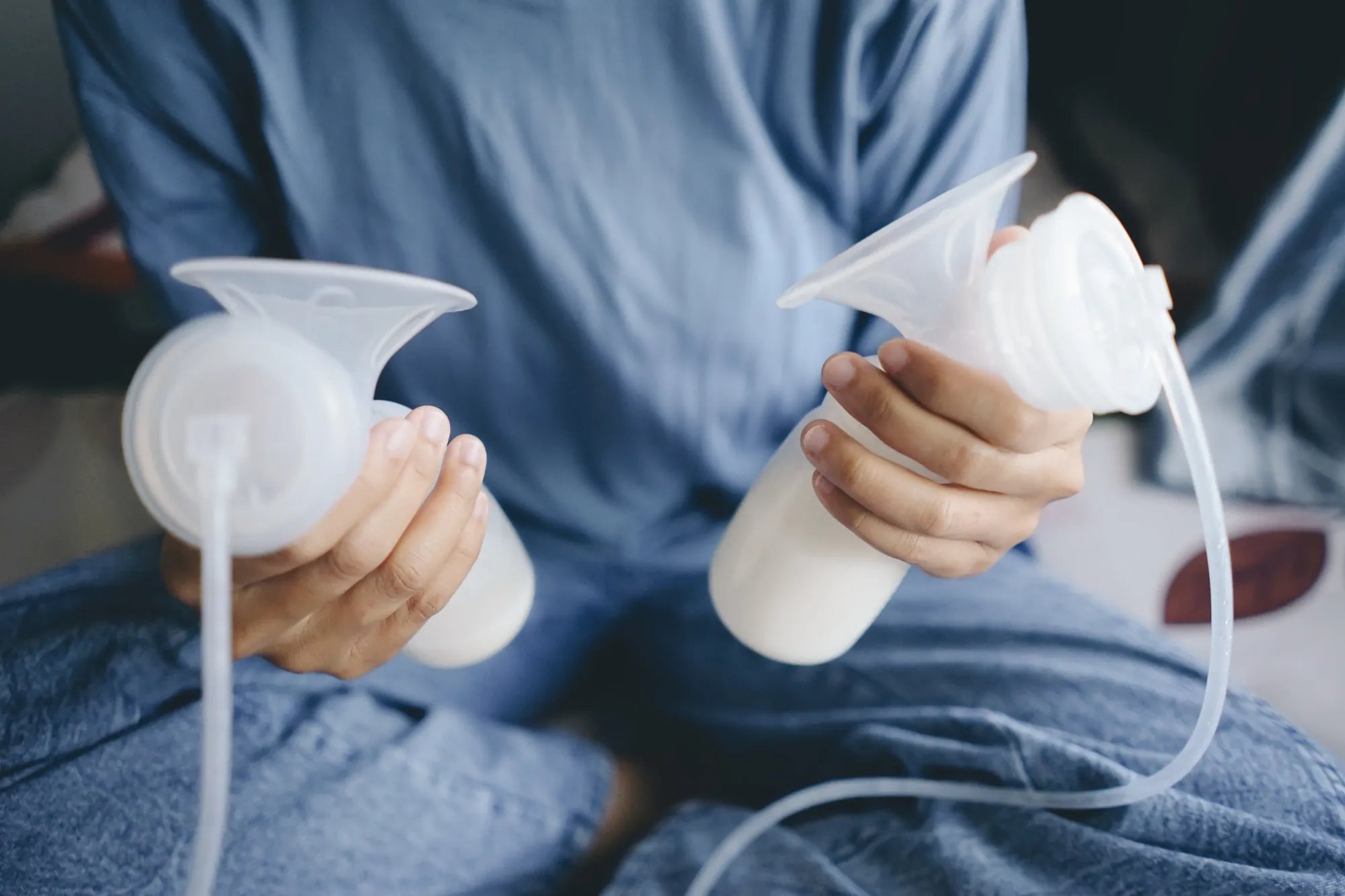
Do I Need a Haakaa and a Breast Pump? Your Complete Guide to Options
You're building your baby registry or preparing for postpartum life, and the question hits: Do I need a Haakaa and a breast pump? The world of breastfeeding gear can feel overwhelming, with each tool promising to make your journey easier. Understanding whether these devices are competitors or teammates is key to making informed, cost-effective choices that support your feeding goals and lifestyle. This article will demystify the Haakaa manual silicone pump and electric breast pumps, providing a clear, data-driven comparison of their functions, benefits, and ideal use cases. You'll learn how each tool works, when one might suffice on its own, and how they can form a powerful duo for maximizing milk output and convenience.
Understanding the Haakaa: The Passive Collection Powerhouse
The Haakaa (often used as a generic term for similar silicone suction pumps) is not a traditional breast pump. It's a manual, passive milk collection device made from 100% food-grade silicone. Its operation is elegantly simple: you squeeze the bulb, place the flange over your breast to form a seal, and release to create gentle suction. This suction helps draw out milk, primarily catching the let-down reflex from the opposite breast while you're nursing your baby.
Its primary design purpose is passive collection, not active expression. Think of it as a highly efficient milk catcher. For many mothers, especially in the early weeks when milk supply is regulating, the breast not being nursed on will leak during a feeding session. The Haakaa captures this otherwise-wasted liquid gold without any additional effort from you. It's a tool for efficiency, allowing you to build a small freezer stash incrementally without adding extra pumping sessions to your day.
The benefits are significant for its intended use. It's incredibly portable, silent, has no cords or parts, and is easy to clean. It's also relatively inexpensive, making it a low-risk addition to your toolkit. Many mothers use it for quick relief from mild engorgement or to help draw out a flattened nipple before latching. However, it's crucial to understand its limitations: it is not designed to fully empty a breast or stimulate milk production in the way an electric pump does. Its suction is static and not cyclical, mimicking a baby's suck less effectively than a high-quality electric pump.
For mothers with a robust let-down and slight oversupply, the Haakaa can collect a surprising amount—sometimes 1-3 ounces per nursing session. This can be perfect for creating a backup stash for date nights or occasional bottle feeds. However, for mothers with a low supply or a weak let-down reflex, the Haakaa may collect very little, as it relies on the stimulation from the baby nursing on the other side to trigger the milk ejection reflex.
The Role of an Electric Breast Pump: Active Expression and Efficiency
An electric breast pump, in contrast, is an active expression machine. Its core function is to mimic a baby's nursing pattern to stimulate milk production (let-down mode) and then efficiently remove milk (expression mode). Modern pumps, like the award-winning MomMed S21 Double Wearable Breast Pump, use advanced technology to offer hospital-grade performance with unprecedented convenience. These devices are engineered for complete milk removal, which is critical for maintaining a healthy milk supply.
Electric pumps are essential in specific scenarios. They are non-negotiable for mothers who exclusively pump, for those returning to work and needing to pump multiple times a day away from their baby, or for anyone needing to establish, increase, or maintain milk supply. They are also vital in medical situations, such as for mothers of premature babies in the NICU who cannot nurse directly, or for those managing conditions like mastitis or recurrent clogs that require thorough breast drainage.
The innovation in this category, particularly with wearable pumps, has been revolutionary. A pump like the MomMed S21 is hands-free, fits inside a nursing bra, and operates at a whisper-quiet noise level. This allows mothers to pump while working, caring for other children, or simply relaxing, removing a significant barrier to regular pumping. Unlike the Haakaa's constant suction, these pumps offer customizable settings for cycle speed and suction strength, allowing you to find a pattern that closely matches your baby's natural rhythm for optimal output and comfort.
Furthermore, electric pumps are designed with hygiene and efficiency in mind. Closed-system designs (a standard for quality pumps like all MomMed models) prevent milk from backing into the tubing and motor, making them safer and easier to clean. They are built for durability and frequent use, representing a more significant investment that pays off in reliability, output, and long-term supply support.
Haakaa vs. Electric Pump: A Side-by-Side Comparison
To visualize the fundamental differences, the following table provides a clear, data-driven comparison of these two tools based on their core design and function.
| Feature | Haakaa (Silicone Suction Pump) | Electric Breast Pump (e.g., MomMed S21) |
|---|---|---|
| Primary Function | Passive milk collection | Active milk expression & stimulation |
| Mode of Action | Constant, gentle suction | Cyclical, mimicking baby's suck-swallow pattern |
| Best For | Catching let-down, relieving mild engorgement | Full breast emptying, building/maintaining supply, exclusive pumping |
| Output Efficiency | Variable; depends on let-down strength | High; designed for complete and efficient removal |
| Portability & Discretion | Extremely high; silent, no parts | High (wearable models); quiet, hands-free |
| Ease of Use & Cleaning | Very easy; one silicone piece | More parts to clean, but designed for daily use |
| Investment Level | Low-cost | Higher initial investment (often insurance-covered) |
| Supply Impact | Minimal direct stimulation; collects existing milk | Directly stimulates and maintains supply |
When a Haakaa Might Be All You Need
For a subset of breastfeeding mothers, a Haakaa may be the only external tool required. This is typically true for stay-at-home mothers who nurse directly on demand and have no immediate plans for regular separation from their baby. If your goal is simply to save the milk that leaks from the opposite breast during feedings to create a small reserve for occasional bottle feeds, the Haakaa is perfectly suited. It's an excellent "starter" tool due to its low cost and simplicity.
Mothers with a strong milk ejection reflex and a slight oversupply often find the Haakaa exceptionally effective. It helps manage engorgement comfortably and respectfully captures milk that would otherwise be soaked into a nursing pad. It's also a fantastic travel companion due to its simplicity and lack of need for power. If your breastfeeding journey is straightforward, you're with your baby most of the time, and you want a minimalist approach, investing in a Haakaa first is a very reasonable strategy.
When You’ll Likely Need an Electric Breast Pump
An electric breast pump transitions from a "nice-to-have" to a necessary piece of medical and parenting equipment in several common situations. If you plan to return to work outside the home while continuing to provide breast milk, a reliable, efficient electric pump is indispensable. Most U.S. health insurance plans cover the cost of an electric pump for this reason, recognizing its role in supporting continued breastfeeding.
Mothers who need to exclusively pump (EP), whether by choice or due to latching difficulties, tongue ties, or other medical reasons, rely entirely on their pump to establish and maintain their milk supply. In these cases, the pump replaces the baby's role in stimulation and removal. Using only a Haakaa would be insufficient and could jeopardize milk production. Similarly, for mothers of preterm or NICU babies, pumping with a hospital-grade or high-performance personal pump is critical to initiate and build a supply until the baby can nurse directly.
Furthermore, any mother struggling with low milk supply who is following a pumping protocol to increase output will need an electric pump. The frequent, effective removal it provides is the primary signal to the body to produce more milk. A Haakaa cannot provide this level of systematic stimulation.
The Winning Combo: How to Use a Haakaa and Electric Pump Together
For many mothers, the most powerful strategy is to use both tools in tandem, leveraging the unique strengths of each. This combination can maximize output, save time, and add flexibility to your routine. The most common and effective method is using the Haakaa on the opposite breast during your electric pumping sessions. While the electric pump actively expresses one breast, the let-down reflex is typically bilateral. The Haakaa on the other breast can passively collect a significant additional amount, often .5 to 2 ounces, essentially getting "two for the effort of one." This is a popular technique among exclusive pumpers looking to boost their total daily output.
You can also use them sequentially. For example, if you feel engorged but your baby isn't ready to nurse and you don't have time for a full pump session, you can use the Haakaa for 5-10 minutes for quick relief. Conversely, after nursing your baby, if you feel a breast isn't fully empty, you can follow up with a few minutes of electric pumping to ensure complete drainage, which is key for supply and preventing clogs. The Haakaa serves as a perfect quick-collection tool for missed let-downs or for times when you're out and about without your full pump setup.
This combo approach is also practical for parts management. If you're mid-pump session and realize you're missing a clean valve or membrane for your electric pump, you can use the Haakaa as a temporary backup. Having both tools in your arsenal provides a robust safety net, ensuring you always have a way to express or collect milk, which reduces stress—a known inhibitor of milk flow.
Making the Choice: Questions to Guide Your Decision
To personalize this information, ask yourself these key questions. Your answers will point you toward the right equipment for your unique situation.
- What is your primary feeding method? (Mostly direct nursing = Haakaa may suffice. Mostly or exclusively pumping = Electric pump is essential.)
- How often will you be separated from your baby? (Rarely = Haakaa. Regularly/for work = Electric pump.)
- What is your milk supply like? (Average/oversupply = Haakaa is useful. Need to increase/maintain supply = Electric pump is critical.)
- What is your budget and need for convenience? (Minimal budget, value simplicity = Haakaa. Willing to invest for efficiency/hands-free capability = Electric/Wearable pump.)
- Do you value having a backup system? (If yes, starting with both is a wise choice for peace of mind.)
Remember, your needs may evolve. Many mothers start with a Haakaa and later realize they need an electric pump upon returning to work. It's perfectly acceptable to acquire tools as your journey unfolds.
FAQ: Your Top Questions Answered
1. Can I use a Haakaa to fully empty my breast like an electric pump?
No. The Haakaa is not designed for complete breast emptying. Its static suction is effective for collecting milk that is already flowing due to a let-down but is not strong or cyclical enough to remove the richer hindmilk effectively or provide the stimulation needed to signal more production. For full emptying, an electric pump is necessary.
2. Is a wearable pump like the MomMed S21 as effective as a traditional plug-in pump?
Yes, advanced wearable pumps have closed the gap significantly. The MomMed S21, for example, features multiple expression modes and adjustable suction levels that deliver hospital-grade performance. The key is proper flange fit and consistent use. For most mothers, a high-quality wearable is just as effective for maintaining supply and is often preferred for its unparalleled convenience and discretion.
3. Can using a Haakaa help with clogged ducts or mastitis?
It can offer mild relief for very early, superficial engorgement that might lead to a clog. However, for an established clogged duct or mastitis, effective treatment requires thorough, frequent emptying of the breast, which typically necessitates nursing, hand expression, or use of an electric pump. The Haakaa's passive suction is generally not strong enough to resolve a significant clog. Always consult a lactation consultant or doctor for persistent clogs.
4. How do I clean and care for each device?
Haakaa: Clean with warm, soapy water after each use. It can be sterilized by boiling, steamed, or placed in a microwave sterilizer. Ensure it's completely dry before storing.
Electric Pump (e.g., MomMed): Follow the manufacturer's instructions. Generally, all parts that contact milk (flanges, valves, membranes, bottles) should be washed in hot, soapy water or on the top rack of the dishwasher after each use. Tubing should be checked for moisture and replaced if mold appears. Motor units should be wiped clean. Regular inspection of valves and membranes for wear is crucial for maintaining suction.
5. I have a low milk supply. Should I get a Haakaa or an electric pump?
Prioritize an electric breast pump. Managing a low supply requires frequent, effective milk removal to signal your body to produce more. The cyclical stimulation of an electric pump is designed for this purpose. You can add a Haakaa later to collect any additional let-down during pumping sessions, but the electric pump is your primary tool for increasing supply.
Building Your Confident Feeding Journey
The question of whether you need a Haakaa and a breast pump isn't about choosing one winner. It's about understanding that they are different tools for different—and often complementary—jobs. The Haakaa silicone pump excels as a simple, passive collector for the directly nursing mother, while an electric breast pump is the workhorse for active expression, supply management, and feeding independence. For countless mothers, the most flexible and effective setup includes both: using the electric pump for scheduled sessions and the Haakaa to capture every precious drop in between.
Your feeding journey is unique, and having the right gear removes unnecessary obstacles and empowers you to reach your goals. Whether you start with a Haakaa, invest in a wearable pump for ultimate freedom, or combine both strategies, the key is making an informed choice that supports your physical comfort and mental well-being. Trusted by thousands of moms, MomMed designs products like the S21 Wearable Pump with this holistic support in mind, ensuring you have reliable, comfortable, and innovative options at every stage.
Shop the MomMed collection at mommed.com for all your breastfeeding and pregnancy needs. Explore our range of BPA-free wearable breast pumps, breast care essentials, and baby products designed to give you confidence and comfort from pregnancy through parenting.