


Home
Pregnancy, Breastfeeding, and Pumping: The Ultimate Guide for Moms
Do Breast Pumps Come with Flanges: Your Complete Guide to Fit & Function
Do Breast Pumps Come with Flanges: Your Complete Guide to Fit & Function
Your Guide to Flanges, the Heart of Your Breast Pump
If you're new to pumping, opening the box can feel overwhelming. Among the tubes, bottles, and motors, you'll find the most critical component for your comfort and success: the flanges. A common and crucial question is, do breast pumps come with flanges?
Yes, they absolutely do. Every electric, wearable, and even most manual breast pumps include at least one set of flanges in the box. But the standard size provided is just a starting point, not a guarantee of a perfect fit.
This comprehensive guide will walk you through everything you need to know. We'll cover what flanges are, why their fit is non-negotiable, what typically comes in your pump kit, and how to find your ideal size. Getting this right can transform your pumping experience from painful to productive.
What Are Breast Pump Flanges and Why Do They Matter?
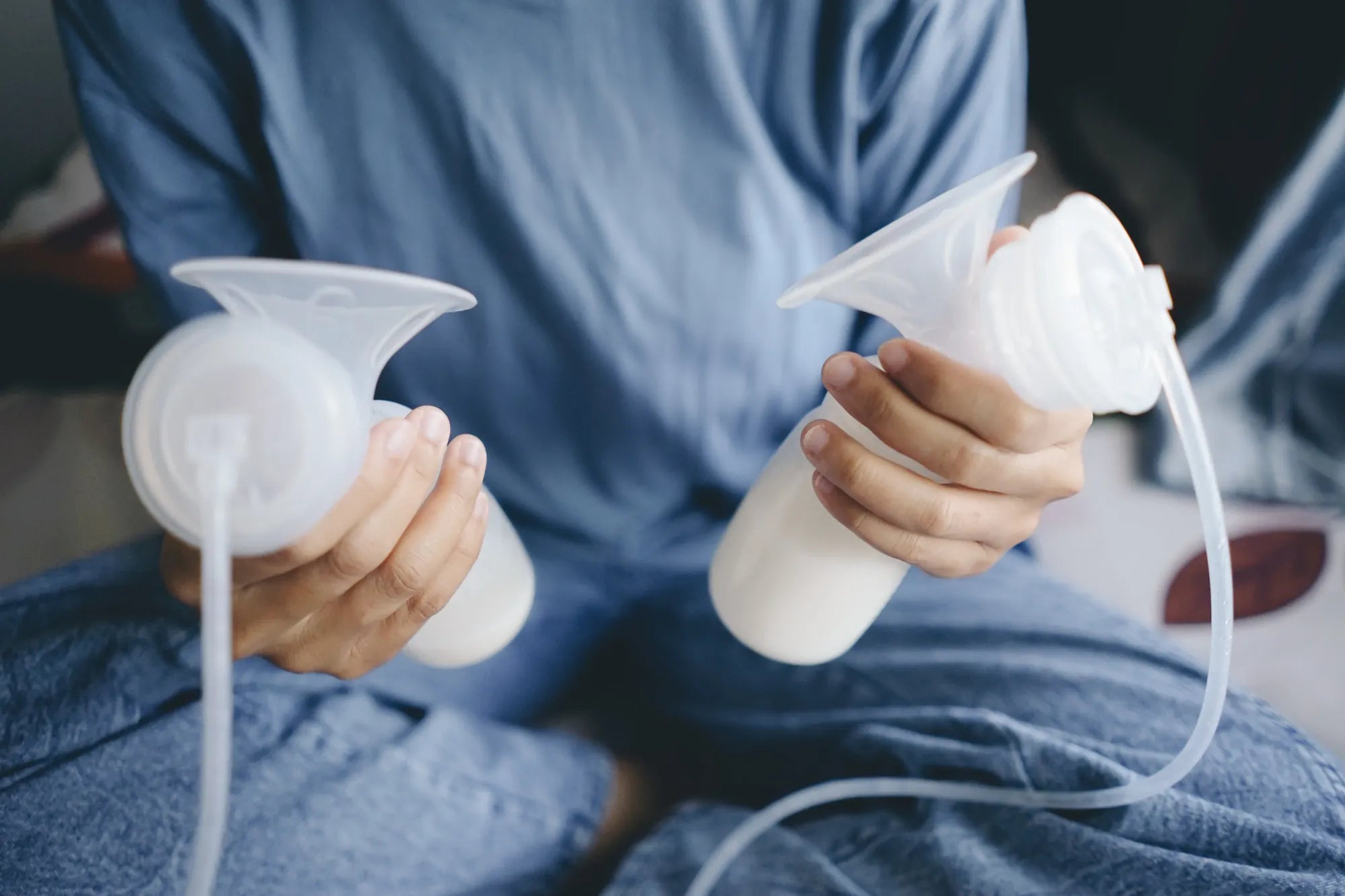
Breast pump flanges, also called breast shields, are the funnel-shaped pieces that fit directly over your nipple and areola. They form the interface between your body and the pump. Their primary function is to create a seal so the pump can generate a gentle vacuum, mimicking a baby's suckling to express milk.
Think of flanges as the foundation of your pumping setup. Just as a baby needs a good latch to feed effectively and comfortably, your pump needs a properly fitted flange. The correct size ensures the vacuum is applied efficiently to the milk ducts without causing tissue damage.
When flanges fit correctly, they allow for optimal milk removal. This helps maintain or build your milk supply, prevents engorgement, and reduces the risk of clogged ducts and mastitis. Comfort is paramount; a good fit means you can pump without pain, making it a sustainable part of your feeding journey.
Conversely, ill-fitting flanges are a leading cause of pumping challenges. They can cause nipple pain, swelling, blanching, and tissue trauma. They can also significantly reduce milk output, as the vacuum isn't effectively applied to the right areas. Investing time in finding your correct size is an investment in your breastfeeding goals and physical well-being.
Do Breast Pumps Come with Flanges? The Standard In-Box Contents
So, do breast pumps come with flanges as a standard offering? The answer is a resounding yes. Manufacturers design pump kits to be functional right out of the box for a wide range of users. When you purchase an electric double pump, a wearable pump, or even a single manual pump, you will receive a complete set of parts to begin pumping immediately.
The included flanges are considered "standard" or "medium" size. This is a one-size-fits-most approach intended to accommodate the largest percentage of the population. It allows you to test the pump's functionality and start your journey while you determine if the size is right for you.
It's essential to view these included flanges as a starter set. Just as you wouldn't expect a single shoe size to fit everyone perfectly, a single flange size is not universal. The expectation among lactation professionals is that many individuals will need to purchase a different size flange separately to achieve a custom, comfortable fit.
This practice is standard across the industry, from hospital-grade pumps to consumer models. The goal of the in-box kit is to provide immediate utility, with the understanding that personalization through separate flange purchases is a normal and often necessary next step for optimal performance.
What Size Flanges Are Usually Included?
The most common default flange size included with breast pumps is 24mm. This refers to the diameter of the inner tunnel where your nipple sits. Many brands also frequently include 25mm or 28mm flanges as their standard offering.
Some premium or bundle kits may include two sets of flanges, such as 24mm and 28mm, to offer a slightly broader starting range. For example, MomMed's S21 Double Wearable Breast Pump includes two sets of comfortable, BPA-free silicone flanges in commonly fitting sizes to help you start comfortably.
It's critical to check your pump's product specifications or manual to confirm the exact size(s) included. Never assume the size; always verify. The size is often printed on the flange itself, near the connector or on the outer rim.
Remember, these sizes are based on population averages. Your unique anatomy is what matters most. A study in the Journal of Human Lactation found that up to 73% of pumping mothers may be using incorrectly sized flanges, highlighting the gap between standard offerings and individual need.
Beyond Flanges: Other Essential Parts in the Kit
To set clear expectations, here’s what a typical electric or wearable breast pump kit includes alongside the flanges:
- Bottles or Milk Collection Containers: Usually 4-6 bottles with lids and caps.
- Diaphragms/Valves & Membranes: These small, flexible parts (often called duckbill valves or backflow protectors) are crucial for creating suction and preventing milk from entering the tubing.
- Tubing: Connects the flanges to the motor unit, transferring the vacuum.
- Motor Unit: The main pump that creates suction and, in advanced models like the MomMed S21, often includes a rechargeable battery for cord-free use.
- Charging Cable or Power Adapter.
- Cooling Bag or Insulated Tote (common in many bundles).
All these parts work together as a system. A perfect flange fit can still be undermined by a worn-out valve, so regular inspection of all components is key.
The Flange Fit Guide: Why "Standard" Might Not Be "Right" for You
Proper flange sizing is not about the size of your breast; it's about the diameter of your nipple. The flange tunnel should surround your nipple with just enough space to allow it to move freely without pulling in significant amounts of the areola.
The golden rule for flange sizing is that the tunnel diameter should be approximately 2-4 mm larger than the diameter of your nipple when not engorged. This space allows the nipple to expand during pumping without rubbing against the sides, which causes friction and pain.
To measure your nipple diameter, use a ruler or a printable nipple sizing guide (available from many pump brands, including MomMed). Measure the base of your nipple, where it meets the areola, before a pumping session or when your breast is soft. Do not include the areola in this measurement.
If your nipple measures 17mm, for instance, a 21mm flange (17mm + 4mm) would be a good starting point. This is often very different from the standard 24mm or 28mm flange included in the box. Taking five minutes to measure can prevent weeks of discomfort and low output.
Signs Your Flanges Don't Fit Correctly
Your body will give you clear signals if your flanges are the wrong size. Listen to these signs of poor fit:
- Areola Tissue Pull-In: A significant portion of your areola (more than a few millimeters) is being pulled into the flange tunnel during pumping.
- Nipple Rubbing: Your nipple consistently touches or rubs against the sides of the tunnel throughout the pumping cycle.
- Pain During or After Pumping: Sharp pain, pinching, burning, or persistent soreness is not normal. Mild discomfort as you adjust to suction is different from ongoing pain.
- Redness, Swelling, or Blanching: Your nipple emerges from the pump with a white tip (blanching) or shows significant redness or swelling at the base.
- Unexpectedly Low Milk Output: If you feel full but little milk is expressed, poor flange fit may be preventing effective milk removal.
- Nipple Friction Sounds: You may actually hear a rubbing sound during the pump cycle.
Experiencing any of these issues is a clear indicator that it's time to re-measure and explore different flange sizes.
Finding Your Perfect Fit: Options Beyond the Standard Kit
If the included flanges don't fit, you have several effective pathways to find your perfect match. The first and most straightforward option is to purchase different size flanges directly from your pump's manufacturer.
Most reputable brands, including MomMed, sell flange kits or individual flanges in a wide range of sizes—often from 17mm up to 32mm or larger. This ensures perfect compatibility with your specific pump model's connectors and motor settings.
For those who are close to a standard size but need a slightly smaller tunnel, flange inserts or adapters are an excellent solution. These are silicone or plastic rings that sit inside your existing 24mm flange to reduce the effective tunnel size to, for example, 21mm. They are cost-effective and allow for fine-tuning.
You can also explore alternative flange materials and silhouettes. Some people find softer, flexible silicone flanges (like those used in MomMed wearable pumps) more comfortable than traditional hard plastic. Others may benefit from angled flanges or those designed for elastic tissue.
Comparison of Flange Solutions
| Solution | Description | Best For | Considerations |
|---|---|---|---|
| Manufacturer's Size Kit | Purchasing exact replacement flanges in your measured size from the pump brand. | Anyone with a clear measurement outside the standard range. Ensures guaranteed compatibility. | Most reliable option. May require buying a set of two. |
| Silicone Flange Inserts | Soft rings that reduce the tunnel size of your existing hard plastic flanges. | Those needing a 1-3mm reduction from a standard size. Great for comfort and fine-tuning. | Cost-effective. Adds a soft layer. Must be cleaned and can wear out. |
| Alternative Brand Flanges | Flanges from a different brand, if connector types are compatible (e.g., Maymom adapters for Spectra). | When your brand's size range is limited or you want a specific material/design. | Requires research on connector compatibility. Not always guaranteed to work optimally with your motor. |
| Custom-Molded Flanges | Professional services that create flanges from a mold of your nipple. | Individuals with very unique anatomy, significant size asymmetry, or persistent fit issues. | Highest cost. Requires a consultation with a lactation specialist. |
MomMed's Commitment to Comfort and Customization
At MomMed, we understand that comfort is the cornerstone of a sustainable pumping routine. That’s why our pumps are designed with customization in mind. Our wearable pumps, like the S21, feature multiple suction modes and levels, allowing you to find a rhythm that works with your perfectly fitted flanges.
All MomMed flanges are crafted from soft, food-grade, BPA-free silicone. This material provides a more comfortable seal than hard plastic and is gentle on sensitive skin. The flexibility can also better accommodate natural breast movement during expression.
Our hospital-grade performance motors are engineered to deliver efficient, rhythmic suction. When paired with a correctly sized flange, this system works seamlessly to support healthy milk removal. We provide detailed sizing guides and offer a range of flange sizes to ensure every mom can find her fit.
Flange Care and Maintenance: Keeping Your Kit Safe & Effective
Proper care extends the life of your flanges and ensures a safe milk supply for your baby. After each use, disassemble all parts that come into contact with milk (flanges, valves, bottles, membranes) and rinse them with cool water first to remove milk proteins.
Wash the parts daily with warm, soapy water using a bottle brush, and allow them to air-dry completely on a clean drying rack. Sterilizing by steam (using a microwave bag or electric sterilizer) or by boiling in water for 5-10 minutes is recommended at least once daily for newborns, and periodically thereafter.
Regularly inspect your flanges and other soft parts for signs of wear. Silicone flanges should remain soft and pliable. Check valves and membranes for tears, stiffness, or loss of shape—these are often the culprit behind a sudden loss of suction, not the motor itself. Replace these small parts every 1-3 months or as needed.
Store your clean, dry pump parts in a clean container or bag. Avoid sealing them while damp, as this can promote mold or bacterial growth. Following these steps protects your investment and, most importantly, your baby's health.
Frequently Asked Questions (FAQ)
Can I use flanges from a different brand on my pump?
Compatibility depends entirely on the connector type. Some third-party companies make adapters or flanges designed to fit specific major brands (e.g., flanges that connect to Spectra or Medela motors). However, for optimal performance and safety, it is generally recommended to use flanges designed by your pump's manufacturer. They are engineered to work in tandem with that pump's specific suction pattern and motor strength.
How often should I replace my flanges?
Flanges themselves (the hard plastic or silicone funnel) do not need to be replaced on a strict schedule if they are intact, clean, and the correct size. Replace them if they become cracked, warped, or discolored. The small, soft parts like duckbill valves, backflow protectors, and membranes wear out much faster and are typically replaced every 4-12 weeks, depending on use.
Do I need different flange sizes for each breast?
Yes, it is very common and perfectly normal to have two different nipple sizes, just as feet can be slightly different sizes. You should measure each nipple independently and fit a flange to each breast accordingly. Using two different size flanges can dramatically improve comfort and output from both sides.
What if I'm between sizes?
If your measurement suggests you are between standard sizes (e.g., your nipple is 18mm, putting you between a 21mm and 24mm flange), start with the larger size. If you experience any pulling of the areola or gaps around the nipple, the size is too large. If the nipple rubs, it's too small. In this "in-between" scenario, using a silicone insert in the larger flange to reduce the tunnel size is often the perfect solution.
Can flange size change over time?
Absolutely. Your nipple size can change due to factors like postpartum healing, changes in elasticity, hormonal shifts, weight loss or gain, and simply as your body adjusts to regular pumping or breastfeeding. It's a good practice to re-measure your nipples every 4-8 weeks, especially if you notice a return of discomfort or a change in output.
Conclusion: Empowering Your Pumping Journey with the Right Fit
Understanding that breast pumps do come with flanges is just the first step. The real key to a positive pumping experience lies in recognizing that the standard size is a starting point, not a destination. Your comfort and efficiency depend on a flange that fits your unique body.
By taking the time to measure, understanding the signs of a poor fit, and knowing your options for customization, you take control of your pumping journey. A correctly fitted flange turns pumping from a chore into an effective, manageable tool for feeding your baby, whether you're returning to work, building a stash, or exclusively pumping.
Remember, pain is not a normal part of pumping. Low output is often a solvable problem, not a reflection of your supply. Your well-being is integral to your baby's well-being. Invest in your comfort—it's an investment in your feeding goals and your peace of mind.
Ready to find your perfect fit? Shop the MomMed collection at mommed.com for comfortable, BPA-free silicone flanges in a wide range of sizes, innovative wearable pumps like the S21, and all the support you need for your breastfeeding and pumping journey.