


Home
Pregnancy, Breastfeeding, and Pumping: The Ultimate Guide for Moms
Can You Pump Breast Milk Directly Into Storage Bag? The Ultimate Guide
Can You Pump Breast Milk Directly Into Storage Bag? The Ultimate Guide
The Pump-to-Bag Question for Modern Moms
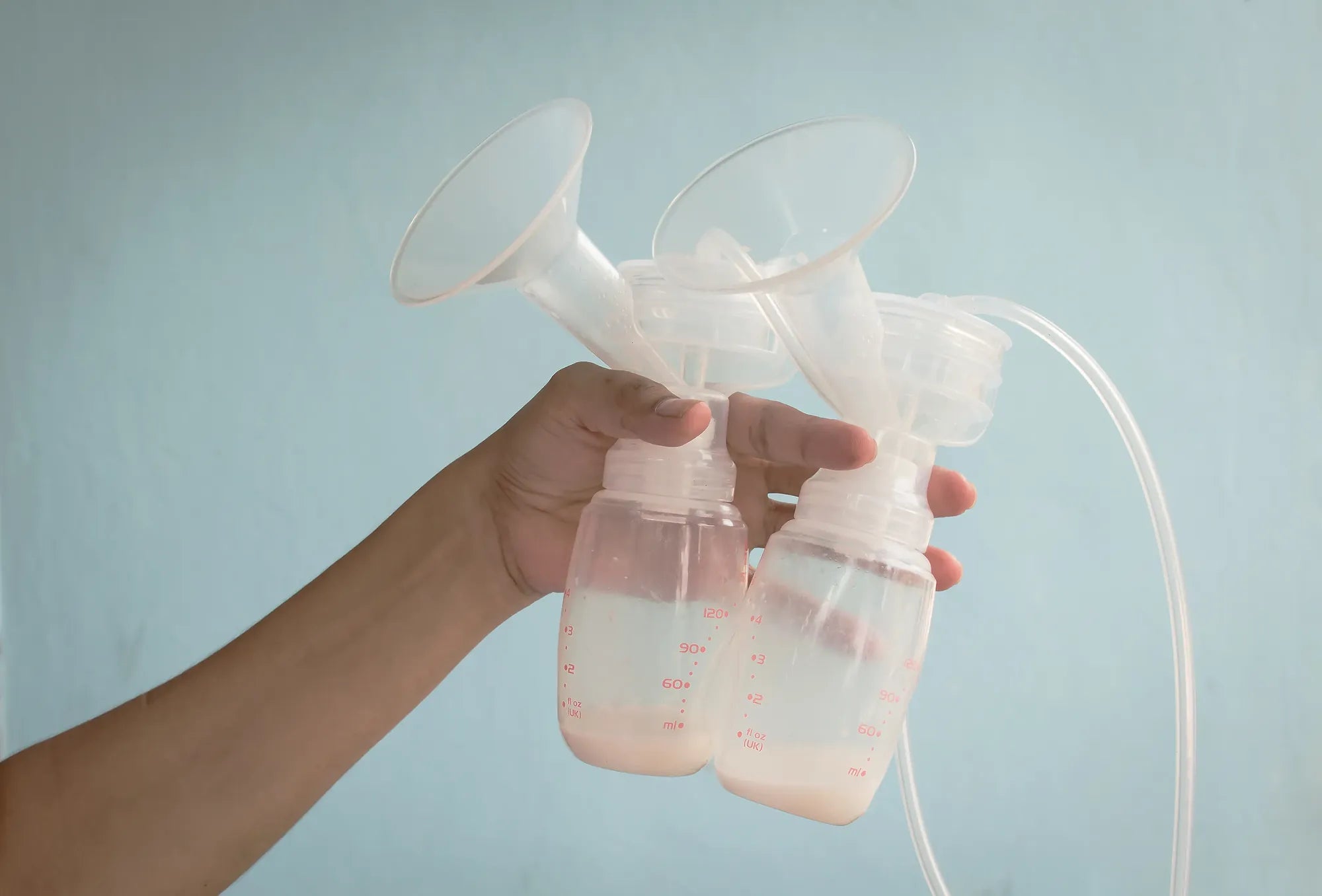
Can you pump breast milk directly into a storage bag? The answer is a resounding yes, and it's a technique revolutionizing how many mothers manage their pumping routines. This method, where milk flows from the breast pump directly into a pre-sterilized storage bag, is a legitimate and highly efficient practice. It addresses the core desire of every pumping parent: to maximize output while minimizing hassle, mess, and precious time spent washing parts.
For the busy mom juggling feeding schedules, work, and life, every saved minute and every drop of liquid gold counts. Pumping directly into a bag streamlines the process from expression to freezer, reducing transfer steps that can lead to spills or bacterial contamination. This guide will provide a deep, evidence-based dive into how it works, its significant benefits, crucial safety considerations, and how brands like MomMed design products with this very efficiency in mind.
You will learn the exact steps for safe direct-to-bag pumping, how to choose compatible equipment, and answers to all common concerns. By the end, you'll be equipped to decide if this method is right for you and how to implement it successfully, turning a complex chore into a smoother part of your day.
Understanding the Mechanics: What Are Pump-to-Bag Systems?
Pumping directly into a storage bag is not a universal feature of all breast pumps. It requires specific compatibility between the pump's collection kit and the bag itself. Essentially, the system bypasses the traditional collection bottle, using an adapter or a specially designed flange assembly that creates a secure, leak-proof connection to the bag's opening.
There are two primary setups. First, some breast pump brands sell proprietary collection kits or adapters designed to fit their own branded storage bags. Second, and more commonly, universal adapters are available that allow you to connect a standard flange and valve system to many popular brands of breast milk storage bags. The bag must be held securely in place, often by a rigid plastic frame or a locking adapter, to prevent it from detaching during the suction cycle.
The mechanics rely on maintaining the pump's closed system. In a closed-system pump, like the MomMed S21 Wearable Pump, a barrier prevents milk and moisture from entering the pump's motor tubing. This is critical for hygiene and pump longevity. When set up correctly, a pump-to-bag system maintains this closed environment, with milk flowing safely from the flange, through the adapter, and directly into the sterile bag.
It's a simple concept with a powerful impact: eliminating the middle-man bottle. This direct path is the cornerstone of the method's time-saving and contamination-reducing benefits. However, its success hinges entirely on using components that fit together perfectly to ensure a vacuum-tight seal throughout the pumping session.
The Significant Pros: Why This Method is a Game-Changer
The advantages of pumping breast milk directly into a storage bag are substantial, particularly for mothers with high pumping frequency or those returning to work. The most cited benefit is a drastic reduction in washing. By eliminating the collection bottle and the need to pour milk from bottle to bag, you cut down on the number of parts that require cleaning, sanitizing, and drying after every use.
This translates directly into time saved—often 5-10 minutes per pumping session—and less mental energy spent on kitchen logistics. Furthermore, it minimizes the risk of milk loss. Every transfer between containers risks spills or droplets clinging to the sides of a bottle. The direct-to-bag method captures virtually every expressed milliliter, ensuring your hard work is fully preserved for your baby.
From a hygiene standpoint, fewer handling steps mean fewer opportunities for bacterial contamination. You assemble the clean parts, attach a sterile bag, pump, seal, and store. The milk touches fewer surfaces before being safely frozen or refrigerated. This is a critical consideration for babies with delicate immune systems.
Finally, the convenience for on-the-go pumping is unmatched. Wearable pumps, like the MomMed S21, are already designed for discretion and mobility. When combined with a direct-to-bag system, you can pump, seal the bag, and place it in a cooler without ever handling an open bottle of milk in public. It streamlines the entire process, making it more manageable and less intrusive.
The Cons and Essential Safety Considerations
While the benefits are compelling, a balanced view requires acknowledging the potential drawbacks and risks. The primary consideration is cost. Specialized adapters and proprietary bag systems can be more expensive than standard bottles and generic bags. However, many mothers find the time and sanity saved outweigh the modest additional cost.
Compatibility is the most common hurdle. Not all pumps work with all bags. Using an ill-fitting adapter or forcing a connection can lead to the most significant risk: leaks. A leak during pumping can mean the loss of an entire session's milk and create a mess. It can also break the pump's vacuum, making the session ineffective and potentially damaging the pump motor over time.
Another challenge is accurately measuring the milk volume. Storage bags are notoriously difficult to read accurately, especially when placed horizontally in a bra with a wearable pump. Overfilling a bag is a genuine risk, which can lead to bags bursting in the freezer or making thawing messy. Most experts recommend not filling a bag beyond ¾ full (typically about 150-180ml or 5-6 oz) to allow for expansion during freezing.
There's also a learning curve. Assembling the adapter, bag, and flange securely takes practice. Ensuring the bag is positioned correctly so it doesn't kink or pull on the connection is crucial. Mothers must be diligent about checking for wear and tear on adapters and bags, as a small crack can compromise the entire system. These considerations aren't deal-breakers but are vital for safe and successful implementation.
How to Pump Directly Into a Storage Bag: A Step-by-Step Guide
Executing this method safely requires careful preparation and technique. Following a systematic approach will help you avoid common pitfalls and ensure your milk is expressed and stored perfectly.
Step 1: Assemble and Check Your Equipment
Begin by washing your hands thoroughly. Gather all parts: your breast pump (e.g., MomMed S21 motor unit), clean flanges, valves, diaphragms, the direct-to-bag adapter, and a sterilized storage bag. Inspect the adapter and bag for any defects, tears, or weak spots. Ensure the adapter is completely dry, as moisture can prevent the bag from sealing properly onto it. Confirm that your pump model and the adapter are designed to work together.
Step 2: Create a Secure Connection
Open the storage bag carefully, touching only the very top edges or the zip-seal area. Attach the bag to the adapter following the manufacturer's instructions. This usually involves stretching the bag's opening over a rigid ring or clicking it into a locking mechanism. You should hear or feel a secure click. Perform a gentle tug test—the bag should not detach easily. Then, connect this assembly to your breast pump flange, just as you would a standard bottle.
Step 3: Pump with Careful Positioning
Assemble the pumping bra or hold the flange in place. As you begin pumping, pay close attention to the bag's position. It should hang freely without twisting or putting strain on the adapter connection. If using a wearable pump, ensure the bag is oriented correctly inside the bra shell so milk flows down smoothly. Start with the pump on a gentle stimulation mode and switch to expression mode as usual. Monitor the bag's fill level closely to prevent overfilling.
Step 4: Seal, Label, and Chill Immediately
Once pumping is complete, carefully disconnect the bag assembly from the flange. Remove the bag from the adapter by peeling it off, again touching only the top. Press out excess air from the top of the bag before sealing the double-zip lock securely. Immediately label the bag with the date, time, and volume (if known). Place it in the back of the refrigerator (for use within 4 days) or lay it flat in the freezer for long-term storage. Clean your pump parts and adapter as per standard hygiene protocols.
MomMed Solutions: Engineered for Pumping Efficiency
MomMed's product philosophy is rooted in understanding the real-world challenges of modern mothers, making efficiency and safety paramount. The brand’s innovative pumps are designed to integrate seamlessly with streamlined practices like direct-to-bag pumping.
The flagship MomMed S21 Double Wearable Breast Pump exemplifies this. Its hospital-grade suction performance ensures effective milk removal, while its ultra-quiet, cordless design offers unparalleled freedom. Crucially, MomMed provides compatible accessories and universal adapters that allow the S21 and other models like the S12 Single Wearable to connect securely to most major brands of storage bags.
Every component that contacts milk, from the flanges to the valves, is made from BPA-free, food-grade silicone. This commitment to safety ensures that from the moment milk is expressed—whether into a bottle or directly into a storage bag—it is protected from harmful chemicals. The closed-system design prevents milk backflow, protecting the motor and maintaining hygiene, which is essential when using adapter systems.
By focusing on quiet efficiency, comfort, and compatibility, MomMed empowers mothers to choose the method that works best for their lifestyle, whether that's traditional bottle collection or the time-saving direct-to-bag technique. This flexibility is key to reducing the stress of pumping and helping mothers sustain their breastfeeding journeys longer.
Direct-to-Bag vs. Traditional Pumping: A Detailed Comparison
| Feature | Pumping Directly into Bag | Pumping into Bottle First |
|---|---|---|
| Number of Parts to Wash | Fewer (no collection bottle) | More (bottle + cap) |
| Risk of Spills/Loss | Lower (no transfer step) | Higher (during pour) |
| Contamination Risk | Lower (fewer surfaces) | Moderate (extra container) |
| Convenience On-the-Go | High (pump, seal, store) | Lower (need to transfer later) |
| Cost Over Time | Potentially higher (adapters, bags) | Potentially lower (reusable bottles) |
| Ease of Measuring | More difficult (bag markings) | Easier (bottle graduations) |
| Best For | High-volume pumpers, working moms, those prioritizing speed/minimal dishes | Moms who bottle-feed directly often, those who prefer precise measurement |
FAQ: Your Direct-to-Bag Questions Answered
Can I use any storage bag with my pump?
No, you cannot. Compatibility is key. You must use an adapter designed for your specific pump flanges that fits the opening of your chosen storage bag brand. Many adapters are "universal" but work best with bags of a standard thickness and opening size. Always check the product specifications. MomMed provides guidance on which adapters work with their pumps and popular bag brands.
Is it safe to freeze the bag immediately after pumping?
Yes, and it is recommended. The CDC guidelines state that fresh expressed milk can be stored in the back of the refrigerator for up to 4 days or in a freezer for up to 12 months (6 months is optimal for quality). To preserve quality, you should cool the milk in the refrigerator first if you plan to freeze it later the same day, or freeze it immediately. Ensure the bag is sealed tightly, labeled, and laid flat to freeze for easier storage and thawing.
How do I avoid spills or leaks during pumping?
Prevention is multi-step. First, ensure a perfect seal between the bag and adapter before starting. Second, do not overfill the bag—leave room for milk to slosh. Third, keep the bag hanging straight down; do not let it rest on a surface or twist during pumping. Finally, always perform a session over a clean towel or waterproof pad until you are completely confident in your setup.
Can I combine milk from multiple sessions in one bag?
Yes, but with strict rules. The FDA and lactation consultants advise that you can combine milk expressed at different times within the same 24-hour period. However, you must cool the newly expressed milk in the refrigerator first before adding it to already chilled or frozen milk in the bag. Never add warm milk to a bag of frozen milk, as it can partially thaw and promote bacterial growth. Always mark the bag with the date of the oldest milk.
Does pumping into a bag affect milk quality or nutritional value?
No, not if done correctly. The nutritional and immunological properties of breast milk are not affected by whether it is collected in a bottle or a bag. The critical factors for preserving quality are proper hygiene during expression, rapid cooling, and correct storage temperatures. Using high-quality, food-grade storage bags designed for breast milk (not generic bags) ensures no harmful chemicals leach into the milk.
Streamlining Your Journey, One Bag at a Time
Pumping breast milk directly into a storage bag is more than a clever hack; it's a validated, efficient method that aligns with the needs of today's parents. When executed with the right compatible equipment and careful technique, it offers tangible rewards: time reclaimed, mess minimized, and precious milk safeguarded. It represents a small but powerful shift in routine that can reduce the mental load of pumping, making the entire experience more sustainable.
The journey of feeding your baby, whether at the breast, by bottle, or both, is deeply personal. Empowerment comes from having accurate information and tools that provide flexibility. MomMed is committed to being part of that support system, innovating products that offer comfort, reliability, and smart solutions like direct-to-bag compatibility. By choosing equipment designed for your real-life challenges, you invest in your confidence and well-being.
Your time and peace of mind are invaluable. Embracing methods that protect both allows you to focus on what matters most—the connection with your growing baby. Explore how the right tools can transform your routine.
Shop the MomMed collection at mommed.com for all your breastfeeding and pregnancy needs, and discover pumps like the S21 designed to support efficient, direct-to-bag pumping.