


Home
Pregnancy, Breastfeeding, and Pumping: The Ultimate Guide for Moms
Can Mold in Breast Pump Tubing Harm Baby? A Complete Safety Guide
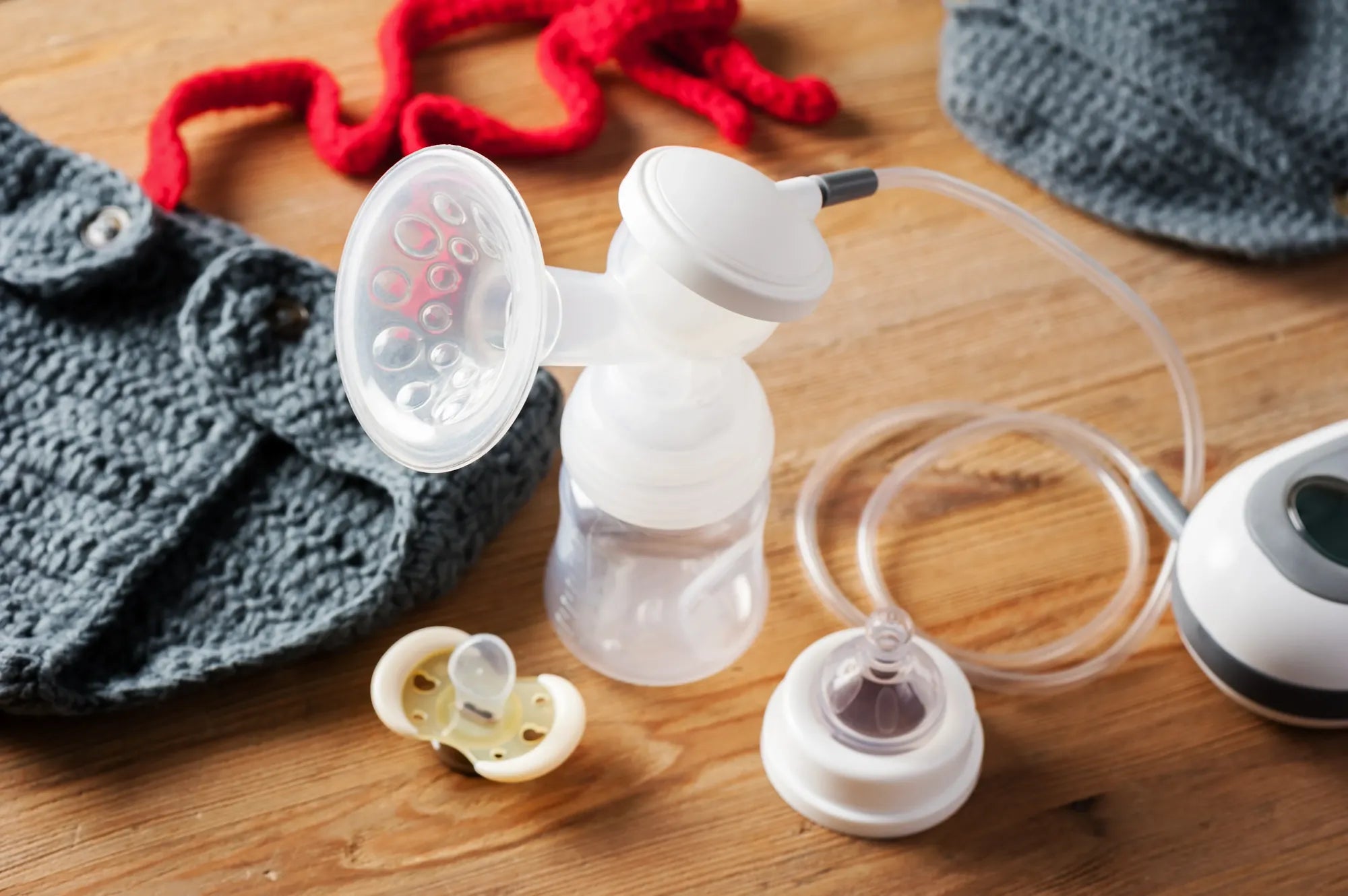
Can Mold in Breast Pump Tubing Harm Baby? A Complete Safety Guide
Introduction: Understanding the Concern About Mold in Breast Pump Parts
Discovering a dark speck or fuzzy patch inside your breast pump tubing can send a wave of panic through any parent. This concern is both valid and common, stemming from the deep-seated instinct to protect your baby from any potential harm. The question "Can mold in breast pump tubing harm baby?" is a critical one that deserves a clear, evidence-based answer.
This article will serve as your definitive guide, moving beyond fear to provide actionable knowledge. We will dissect the science of mold growth in tubing, outline the established health risks based on expert guidelines, and deliver a practical, step-by-step framework for prevention and response. As a trusted maternal and baby care brand, MomMed is committed to empowering parents with not only reliable products like our wearable breast pumps but also the essential information needed for a safe feeding experience.
Your vigilance is a sign of excellent care, and understanding this issue is the first step toward resolving it. We will cover everything from daily maintenance routines to the design features that can help minimize risks, ensuring you can pump with greater confidence and peace of mind.
What is Mold and How Does It Get Into Breast Pump Tubing?
Mold is a type of fungus that reproduces by releasing tiny, airborne spores. These spores are ubiquitous in our environment, both indoors and outdoors. For mold to grow from a spore into a visible colony, it requires three key elements: a food source (organic material), warmth, and moisture. In the context of breast pump tubing, the primary catalyst for mold growth is almost always trapped moisture.
During pumping, the warm milk and your body heat create water vapor. As this vapor travels through the cooler plastic tubing, it condenses into liquid droplets. If the tubing is not thoroughly dried after use, this residual moisture creates a perfect, damp habitat for any stray mold spores to settle and proliferate. The dark, enclosed interior of the tubing further accelerates this process.
It is crucial to understand that this is a maintenance and environmental issue, not an inherent flaw of the pump itself. Any breast pump brand, regardless of price or model, can develop mold in its tubing if the parts are stored while damp. This is why the core question—can mold in breast pump tubing harm baby—is so prevalent. The risk is tied directly to post-pumping care routines.
The "closed system" design of most modern electric pumps, including all MomMed pumps, includes a membrane or barrier that prevents milk from entering the tubing and motor. However, this design protects against liquid milk, not water vapor. Condensation can still form, making a consistent drying protocol the most powerful tool in your prevention arsenal.
Potential Risks: Can Mold in the Tubing Harm Your Baby?
Addressing the core concern directly: yes, mold in breast pump tubing poses a potential health risk that should be taken seriously. The primary pathway of concern is not direct ingestion of mold from the tubing, as the closed system design should prevent solid mold particles from reaching the milk. The greater risk lies in the aerosolization of mold spores and mycotoxins (toxic substances produced by some molds).
When the pump motor runs, it creates suction and moves air through the tubing. If mold is present, this airflow can dislodge spores and carry them toward the pump. In some scenarios, these contaminants could potentially be introduced into the collection kit environment or, more concerning, become airborne where they might be inhaled. Infants are particularly vulnerable due to their developing respiratory and immune systems.
The potential effects, as noted by organizations like the CDC and La Leche League, are primarily related to respiratory irritation or allergic reactions. Symptoms in a sensitive infant could include increased congestion, coughing, wheezing, or eye and skin irritation. For babies with pre-existing conditions like asthma or compromised immunity, the risks are heightened. The guiding principle for parents should be one of precaution: striving for zero mold exposure is the safest standard.
It is also important to consider the indirect risk. The presence of mold in the tubing is a clear indicator of a damp environment, which can also foster the growth of harmful bacteria like E. coli or Salmonella on other pump parts. This underscores why finding mold necessitates a full system safety check. Therefore, understanding the answer to "can mold in breast pump tubing harm baby" means recognizing it as a red flag for broader contamination and acting swiftly.
Prevention is Key: How to Keep Your Pump Tubing Mold-Free
The most effective strategy for managing mold is a rigorous, consistent prevention routine. By controlling moisture, you remove the essential ingredient mold needs to grow. This section outlines a multi-layered approach to keeping your pumping equipment, especially the tubing, clean, dry, and safe.
Daily Drying Routine (The Most Critical Step)
This is the single most important action you can take. Immediately after each pumping session, disconnect the tubing from the flanges and the pump motor. Hold one end of the tubing and vigorously shake it to dislodge any visible water droplets. Then, hang the tubing in a clean, well-ventilated area to air dry completely.
Use a dedicated drying rack or create a simple hook system. Ensure the tubing is hung straight or in a loose coil, not kinked, to allow air to flow through the entire length. Avoid the common mistake of re-capping the ends or stuffing the damp tubing into a sealed plastic bag or a dark pump carryall. This traps moisture and guarantees mold growth.
Ideally, tubing should dry within 1-2 hours in a room with good air circulation. If your environment is humid, consider placing it near a gentle fan (not a heater, which can degrade plastic) to expedite drying. Making this shake-and-hang ritual an automatic part of your post-pump routine is your best defense.
Regular Cleaning Schedule
Contrary to intuition, breast pump tubing does not need to be washed after every use unless liquid milk has actually backed up into it. The CDC recommends washing, rinsing, and sanitizing only the parts that contact breast milk (flanges, valves, connectors, bottles) after each use. For tubing, frequent washing can actually introduce more moisture.
A weekly cleaning schedule for tubing is sufficient for preventive maintenance. To clean, rinse the tubing with hot, soapy water by drawing it through using a syringe or funnel (never submerge the end that connects to the motor). Follow with a clear hot water rinse. For disinfection, you can use a vinegar solution (one part white vinegar to two parts water) drawn through the tubing, followed by a thorough water rinse to remove any vinegar residue.
The final, non-negotiable step is again complete air drying. Hang the tubing as described above and allow it to dry for several hours or overnight before reattaching it to your pump. Always refer to your specific pump’s manufacturer guidelines, as some models may have unique instructions.
Smart Storage and Environmental Tips
How you store your clean, dry parts matters. Use open containers, mesh baskets, or clean paper towel-lined trays for storage, not airtight containers. This allows for continued air circulation. If you transport your pump, ensure all components, especially tubing, are bone-dry before packing them.
Consider your pumping environment. Pumping in a steamy bathroom increases risk. Choose a dry, cool area. In persistently humid climates, using a dehumidifier in the room where you store and dry pump parts can significantly reduce ambient moisture levels, creating a hostile environment for mold spores.
What to Do If You Find Mold in Your Breast Pump Tubing
Discovering mold can be stressful, but a calm, systematic response will ensure your baby's safety. Do not use the affected tubing or pump until you have completed these steps.
Immediate Steps: Don't Panic, Do This
First, stop your pumping session immediately if you notice mold during use. Safely discard the breast milk you just expressed, as it may have been exposed to aerosolized spores. Carefully disconnect the tubing and set it aside. Do not attempt to blow through it or shake it, as this could release more spores into the air.
Next, perform a meticulous inspection of all other pump parts. Check the interior of flanges, duckbill or silicone valves, connectors, and bottles for any signs of black, green, pink, or white fuzzy spots. Pink or red slime is often a bacterial biofilm, which also requires immediate action. Assume contamination has potentially spread until proven otherwise through deep cleaning or replacement.
Can It Be Cleaned, or Must It Be Replaced?
The unanimous recommendation from lactation consultants and health experts is clear: replace moldy tubing immediately. The interior surface of tubing is long, narrow, and often textured, making it physically impossible to scrub or guarantee the complete removal of all mold roots (hyphae) and spores. Household cleaners cannot penetrate deeply enough to sterilize the plastic.
Attempting to clean and reuse moldy tubing poses an ongoing risk. Replacement is the only truly safe option. Fortunately, replacement tubing and part kits are readily available and affordable. MomMed offers easy-to-order, genuine replacement part kits that are designed to perfectly fit your pump, ensuring optimal performance and safety. Investing in a new set of tubing provides irreplaceable peace of mind.
Deep Cleaning Your Other Pump Parts
While the tubing must be replaced, other parts can be salvaged through a rigorous sanitization process after a visual inspection confirms no mold is present on them. Disassemble every component according to the manual.
Wash all parts that contact milk in hot, soapy water. Then, sanitize using one of these CDC-approved methods: submerging in boiling water for 5 minutes, using a steam sanitizing bag in the microwave, or running through a dishwasher with a sanitizing cycle and heated dry. Ensure every piece is completely, bone-dry before reassembly or storage. This process eliminates any cross-contamination from the moldy tubing.
Choosing a Pump Designed for Easier Maintenance: The MomMed Advantage
While maintenance is paramount, the design of your breast pump can significantly influence how easy it is to keep mold at bay. MomMed engineers its products with parent convenience and safety as top priorities, integrating features that support a drier, healthier pumping system.
Closed System Design and Protection
All MomMed electric breast pumps feature a true closed system. A protective barrier membrane sits between the collection kit and the motor, ensuring that no milk, moisture, or contaminants can backflow into the pump's internal mechanics or the tubing. This is a fundamental safety feature that forms the first line of defense, directly addressing the core concern of whether mold in breast pump tubing can harm your baby by preventing liquid ingress.
Advanced Condensation Management
MomMed pump designs, particularly in wearable models like the award-winning S21 Double Wearable Pump, consider airflow and condensation. The pathways are designed to minimize sharp angles where moisture can pool. While condensation from vapor is still possible, the design facilitates easier drying. When combined with proper post-use shaking and air-drying, this design synergy makes effective moisture control more achievable for busy parents.
Ultra-Quiet, Efficient Performance
A powerful, hospital-grade motor that operates efficiently, like those in MomMed pumps, creates stable, consistent suction. This reduces the likelihood of the rapid, jarring suction changes that can sometimes force milk moisture further into the system. The quiet, rhythmic operation is not just about discretion; it’s a sign of a well-calibrated motor that works effectively with the closed system to keep the pumping pathway cleaner.
Comparison of Pump Part Maintenance Needs
This table outlines the recommended care for different breast pump components, highlighting why tubing requires a unique approach focused on drying rather than frequent washing.
| Pump Component | Contact with Milk? | Cleaning Frequency | Sanitizing Frequency | Key Risk if Improperly Maintained |
|---|---|---|---|---|
| Flanges / Shields | Yes | After every use | At least once daily | Bacterial growth (e.g., Staph), transfer to baby |
| Duckbill Valves | Yes | After every use | At least once daily | Milk residue degrades silicone, reduces suction |
| Milk Bottles/Containers | Yes | After every use | At least once daily | Bacterial contamination of milk |
| Connectors & Backflow Protectors | Yes | After every use | At least once daily | Milk trap creates biofilm, affects suction |
| Tubing | No (Closed System) | Only if milk enters; otherwise weekly rinse | Not recommended; replace if moldy | Mold growth, aerosolized spores |
| Pump Motor | No | Wipe exterior with damp cloth | Do not sanitize | Electrical damage |
Frequently Asked Questions (FAQ)
Q1: Can I use vinegar or bleach to clean moldy tubing?
While vinegar is an effective disinfectant for preventive cleaning of uncontaminated tubing, it is not recommended for tubing with active mold growth. The mold roots embed in the plastic, and you cannot verify complete eradication. Bleach is too harsh, can damage the tubing material, leaves toxic residues, and similarly cannot guarantee safety. Replacement is the only safe option for moldy tubing.
Q2: How often should I replace my breast pump tubing even if I don't see mold?
There is no universal expiration date, but tubing should be replaced if it becomes cracked, discolored, loses flexibility, or if you notice a persistent mildewy smell even after cleaning. As a general precaution, many lactation consultants suggest considering replacement every 3-6 months with frequent use, as microscopic wear can trap moisture and bacteria over time.
Q3: If the mold is only a tiny spot, is it still dangerous?
Yes. Visible mold is like the tip of an iceberg; it indicates a colony has established itself. The visible spores are the reproductive structure, meaning the root system (hyphae) is already spreading through the plastic. A tiny spot can release thousands of spores into the airstream when the pump is used. Do not risk it—replace the tubing.
Q4: Are some pump brands more prone to mold than others?
Mold growth is primarily a function of maintenance and environment, not brand. However, pumps with more complex tubing pathways, poorer airflow design, or those that are not true closed systems may present greater challenges for drying and pose higher contamination risks. Pumps designed with straightforward, easy-to-dry components, like MomMed's, support better hygiene practices.
Q5: Can mold exposure from a pump affect my breast milk supply?
Not directly. Mold exposure is unlikely to affect your mammary gland function or milk composition. However, the stress and anxiety of discovering mold, or dealing with a baby who becomes ill from respiratory irritation, can indirectly impact your pumping routine and let-down reflex, potentially affecting output. A safe, clean pumping environment supports both physical and mental well-being, which is crucial for maintaining supply.
Empowerment Through Knowledge and the Right Tools
The journey of providing breast milk, whether exclusively through pumping or in combination with direct feeding, is one of dedication. The question "can mold in breast pump tubing harm baby" arises from that profound dedication. The answer is nuanced: the risk is real but overwhelmingly preventable. Your most powerful tools are knowledge and consistent action—specifically, a relentless commitment to drying your tubing completely after every single use.
Remember, finding mold is not a failure; it's a signal to replace and refine your routine. Choosing equipment designed with safety and ease of maintenance in mind, like MomMed's closed-system, wearable pumps, provides a strong foundation. These innovations, from the hands-free convenience of the S21 to the reliable performance of our Swing pump, are created to integrate seamlessly into your life while upholding the highest standards of care.
You have the power to create a safe pumping environment. By implementing the drying rituals, understanding when to replace parts, and trusting in well-designed products, you can eliminate this worry and focus on the bonding and nourishment at the heart of your feeding journey. Your vigilance, paired with the right information and tools, is the ultimate safeguard for your baby's health.
Shop the MomMed collection at mommed.com for all your breastfeeding and pregnancy needs. Explore our range of wearable breast pumps, replacement part kits, and baby care essentials designed to support you with confidence, comfort, and innovation at every stage.