


Home
Pregnancy, Breastfeeding, and Pumping: The Ultimate Guide for Moms
Can I Put Freshly Pumped Breast Milk in the Fridge? A Complete Storage Guide
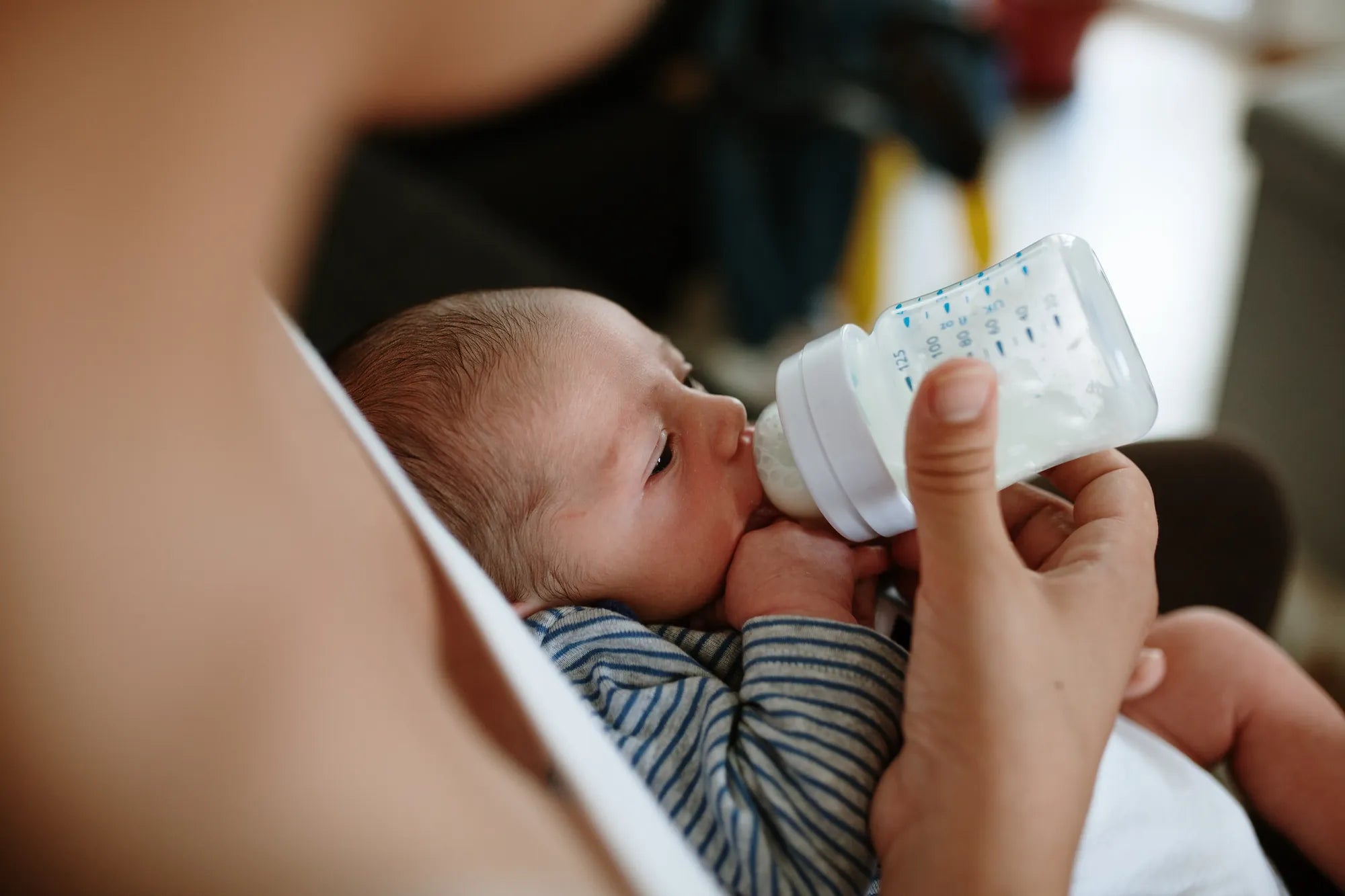
Can I Put Freshly Pumped Breast Milk in the Fridge? A Complete Storage Guide
If you're pumping, you've asked: Can I put freshly pumped breast milk in the fridge? The answer is a definitive yes—refrigeration is a safe, standard practice for preserving your milk. This complete guide provides the evidence-based protocols you need to store your liquid gold confidently, ensuring your baby receives optimal nutrition while simplifying your routine. We'll cover everything from immediate post-pump steps to maximizing storage life, all grounded in the latest guidelines from health authorities.
Understanding the Basics of Storing Freshly Pumped Milk
Proper storage of breast milk is not just about convenience; it's a critical component of infant health and nutrition. Freshly expressed breast milk contains living cells, antibodies, and enzymes that protect your baby from illness. Correct handling preserves these vital bioactive components. Refrigeration is the primary method for storing milk intended to be used within a few days, effectively slowing bacterial growth while maintaining nutritional integrity.
The core principle is rapid cooling. Breast milk is safe at room temperature (up to 77°F or 25°C) for about 4 hours, but refrigerating it as soon as possible extends its safe life significantly. This practice is endorsed by the American Academy of Pediatrics and the Centers for Disease Control and Prevention (CDC). For moms using pumps like the MomMed S21 Wearable Breast Pump, which allows for discreet expression, having a clear storage protocol means you can seamlessly integrate pumping into your day.
Understanding the 'why' behind the guidelines alleviates anxiety. The goal is to minimize the time milk spends in the "danger zone" (40°F–140°F) where bacteria can multiply rapidly. By moving freshly pumped milk to the fridge promptly, you lock in its safety and quality. This process empowers you to build a stash for return-to-work plans, shared feeding duties, or simply to have a backup supply, all while ensuring every drop is as beneficial as if fed directly.
The Golden Rules: How to Safely Refrigerate Freshly Pumped Breast Milk
Safety starts the moment you finish pumping. The golden rules are simple but non-negotiable: clean hands, clean containers, rapid cooling, and proper labeling. First, ensure all pump parts that contact milk are thoroughly washed and air-dried or sanitized according to manufacturer instructions. MomMed breast pumps, for instance, feature BPA-free, food-grade silicone parts that are dishwasher-safe for easy cleaning.
Immediately after pumping, transfer the milk to a clean storage container. Do not leave milk sitting in the pump's collection bottles at room temperature for extended periods. Use containers designed for breast milk storage—either hard-sided plastic or glass bottles with tight-fitting lids, or pre-sterilized breast milk storage bags. Avoid using ordinary plastic bags or formula containers, as they may not be sterile or durable enough for safe storage.
Step-by-Step: From Pump to Fridge
1. Wash Your Hands: Before handling pump parts or containers, wash hands with soap and water. 2. Use Clean Equipment: Assemble your pump with clean, dry parts. For wearable pumps like the MomMed S21, ensure the collection cups and diaphragms are properly seated. 3. Pump Directly into Storage Container (if possible): Many pumps allow you to pump directly into a bottle or bag that can be sealed and stored, minimizing transfer and contamination risk. 4. Seal and Label: Seal the container tightly. Immediately label it with the date and time of expression, and the volume if desired. Use the oldest milk first. 5. Cool Rapidly: Place the sealed container in the back of the refrigerator, not in the door, within one hour of pumping.
Where to Place Milk in Your Refrigerator
Location within your fridge matters significantly for temperature consistency. The back of the main shelf, near the cooling element, maintains the coldest and most stable temperature. The refrigerator door is the warmest area, subject to frequent temperature fluctuations every time it's opened, which can degrade milk quality faster.
Consider designating a specific shelf or area as your "milk station." This keeps bottles organized by date and prevents them from being shoved behind other items and forgotten. If you're storing larger volumes, placing containers on a central shelf ensures even cooling. A refrigerator thermometer is a wise investment to confirm your appliance is consistently at or below 40°F (4°C), the safe threshold for food storage.
Storage Timelines: How Long Does Fresh Milk Last in the Fridge?
Adhering to validated storage timelines is crucial for safety. These guidelines are based on extensive research into bacterial growth and nutrient preservation in human milk. For refrigerated breast milk stored at 40°F (4°C) or below, the consensus among health organizations is clear. Freshly pumped milk can be safely kept in the fridge for up to 4 days. However, for optimal quality and to preserve more of the fragile immunological components, using it within 3 days is often recommended.
It's important to note that these timelines assume a refrigerator temperature that is consistently maintained. If your fridge is less reliable or you open it frequently, erring on the side of a shorter storage window (72 hours) is prudent. The countdown begins from the moment the milk is expressed, not when it is placed in the fridge. This is why immediate labeling is so critical.
A Handy Breast Milk Storage Timeline Chart
| Storage Location | Temperature | Recommended Time for Fresh Milk | Notes |
|---|---|---|---|
| Countertop (Room Temp) | Up to 77°F (25°C) | Up to 4 hours | Ideal for immediate use. Cover milk. |
| Refrigerator | 40°F (4°C) or below | Up to 4 days | Best within 3 days. Store in back. |
| Freezer (Compartment inside fridge) | Varies | 2 weeks | Not recommended due to temp fluctuations. |
| Freezer (Separate door) | 0°F (-18°C) or below | 6-12 months | Best within 6 months for quality. Store toward back. |
| Deep Freezer | -4°F (-20°C) or below | 12 months | Long-term storage. |
This table provides a quick-reference guide, but the refrigerator column is your daily workflow anchor. Remember, if you initially store milk in the fridge but later decide to freeze it, do so within 24 hours for best results. Never refreeze thawed milk.
Best Practices for Maintaining Quality and Nutrients
Safety is the baseline; preserving the precious bioactive components of your milk is the next level. Breast milk is a dynamic, living substance. To protect its antibodies, stem cells, and hormones, handle it gently. Avoid shaking the milk vigorously to mix the separated layers (cream rises to the top). Instead, gently swirl the container to reintegrate the fat. Vigorous shaking can damage some of the protein structures and cellular components.
Minimize temperature changes. Once milk is chilled in the refrigerator, try to keep it cold until it's ready to be warmed for a feeding. Repeatedly taking it out and putting it back can encourage bacterial growth. When transporting milk, use an insulated cooler bag with ice packs. For moms on the go, products like insulated bottle bags pair perfectly with the portability of a wearable pump.
To Combine or Not to Combine: Cooling Milk Batches
This is a common point of confusion. You can combine milk from different pumping sessions within the same day, but you must cool the newly expressed milk first. The safest method is to cool the freshly pumped milk in the refrigerator for at least one hour (until it is chilled to the same temperature as the existing milk). Then, you can pour it into the same container. This prevents the warmer fresh milk from raising the temperature of the entire batch, which could accelerate spoilage.
Always combine milk labeled with the date of the oldest milk in the batch. For example, if you add milk pumped on Tuesday afternoon to a container started with milk from Tuesday morning, the entire batch should be used based on the Tuesday morning timeline. Avoid combining large temperature differentials, and never add warm milk directly to already frozen milk.
Using Your Stored Milk: Thawing and Feeding Safely
When it's time to use your refrigerated milk, proper warming is key. The safest method is to place the sealed bottle or bag in a bowl of warm water or under warm running water. Never use a microwave or stove-top to heat breast milk. Microwaves heat unevenly, creating dangerous "hot spots" that can scald your baby's mouth and can also destroy valuable nutrients and antibodies.
Warm the milk just until it reaches body temperature (about 98.6°F or 37°C). Test the temperature by shaking a few drops on the inside of your wrist—it should feel lukewarm, not hot. Once warmed, use it within 2 hours. If your baby doesn't finish the bottle, it's generally advised to discard the leftover milk after that feeding, as saliva introduces bacteria into the milk. However, recent research suggests it may be safe to refrigerate and re-offer within 1-2 hours; when in doubt, follow the more conservative rule.
Signs Your Refrigerated Breast Milk is Still Good
Breast milk naturally separates during storage, with a creamy layer of fat rising to the top. This is normal and not a sign of spoilage. Gently swirling will mix it back together. The color of your milk can vary from bluish-white to yellow or even have a slight greenish tint, depending on your diet—this is also normal.
The smell of refrigerated or thawed breast milk can sometimes be different from fresh milk due to the action of the enzyme lipase, which breaks down fats. Some milk may develop a soapy or metallic smell. This milk is still safe for most babies, though some may refuse it. If you notice a consistently sour or rancid odor, that is a true sign of spoilage. Visually, if the milk has clumps that don't dissolve upon gentle swirling, or if it smells distinctly foul, err on the side of caution and discard it.
MomMed Supports Your Confident Feeding Journey
At MomMed, we understand that the logistics of pumping and storing milk are a significant part of your feeding journey. Our mission is to provide reliable, innovative products that simplify these processes, giving you peace of mind. Our award-winning S21 Double Wearable Breast Pump is designed for efficiency and comfort, allowing you to express milk discreetly and directly into secure, compatible containers, streamlining the first step of safe storage.
Every MomMed breast pump, from the wearable S21 and S12 models to our classic Swing Electric Pump, is crafted with BPA-free, food-grade materials that meet stringent safety standards. We also offer a range of storage accessories that integrate seamlessly into the safe handling protocols outlined here. By combining trusted equipment with evidence-based knowledge, you can build a routine that ensures your baby benefits from every ounce of your effort. We are here to support you with products that are as dedicated to your baby's well-being as you are.
FAQ: Your Quick-Answer Breast Milk Refrigeration Guide
Q1: Can I refrigerate breast milk after my baby has drunk from the bottle?
A: It is generally not recommended. Once your baby's saliva mixes with the milk during a feeding, bacteria are introduced. The CDC advises discarding any leftover milk within 2 hours after the feeding is finished. To avoid waste, prepare smaller bottles (2-3 oz) initially and offer more if needed.
Q2: What if my refrigerator loses power?
A: A full, unopened freezer will keep food safe for about 48 hours; a half-full freezer for 24 hours. For the refrigerator, milk should be safe for up to 4 hours if the door remains closed. Use a refrigerator thermometer to check the temperature once power returns. If the temperature has risen above 40°F for more than 2 hours, it's safest to discard the milk.
Q3: Does the type of storage container matter?
A: Yes. Use containers made of glass, hard-sided BPA-free plastic, or breast milk storage bags specifically designed for freezing. Ensure they seal tightly. Avoid using disposable bottle liners or general-purpose plastic bags, as they are not designed for safe long-term storage and can tear or leach chemicals.
Q4: I pumped, but forgot to put the milk in the fridge for 3 hours. Is it still okay?
A: According to guidelines, milk kept at room temperature (up to 77°F) for up to 4 hours is considered safe. At 3 hours, it is likely still safe, but this is at the outer limit. If the room was particularly warm (above 77°F), the safe window shortens. When in doubt, especially for younger or immunocompromised infants, it's better to discard it.
Q5: Can I warm refrigerated milk and then put it back in the fridge if my baby doesn't want it yet?
A: No. Once breast milk has been warmed to feeding temperature, it should be used within 2 hours. Do not re-refrigerate it. The warming and cooling cycle can promote bacterial growth. It's best to warm a bottle only when you are sure your baby is ready to feed.
Empowerment in Every Ounce: Storing with Confidence
Mastering the art of storing freshly pumped breast milk transforms pumping from a task into a powerful tool. By following the clear, evidence-based steps outlined here—prompt refrigeration, proper containers, strict timelines, and gentle handling—you guarantee that your baby receives the full immunological and nutritional bounty of your milk, even when you're apart. This knowledge removes guesswork and builds confidence, allowing you to focus on the bonding experience of feeding.
Your dedication to providing breast milk is a profound gift. Ensuring its safe storage from pump to bottle is the final, crucial link in that chain of care. With reliable practices and supportive products, you can navigate this journey assured that every drop of your liquid gold is preserved with the same love and intention with which it was made. You've got this.
Shop the MomMed collection at mommed.com for all your breastfeeding and pregnancy needs, from our comfortable, efficient wearable pumps to BPA-free storage solutions designed to support your confident feeding journey.