


Home
Pregnancy, Breastfeeding, and Pumping: The Ultimate Guide for Moms
Can I Breast Pump at 37 Weeks? Everything You Need to Know
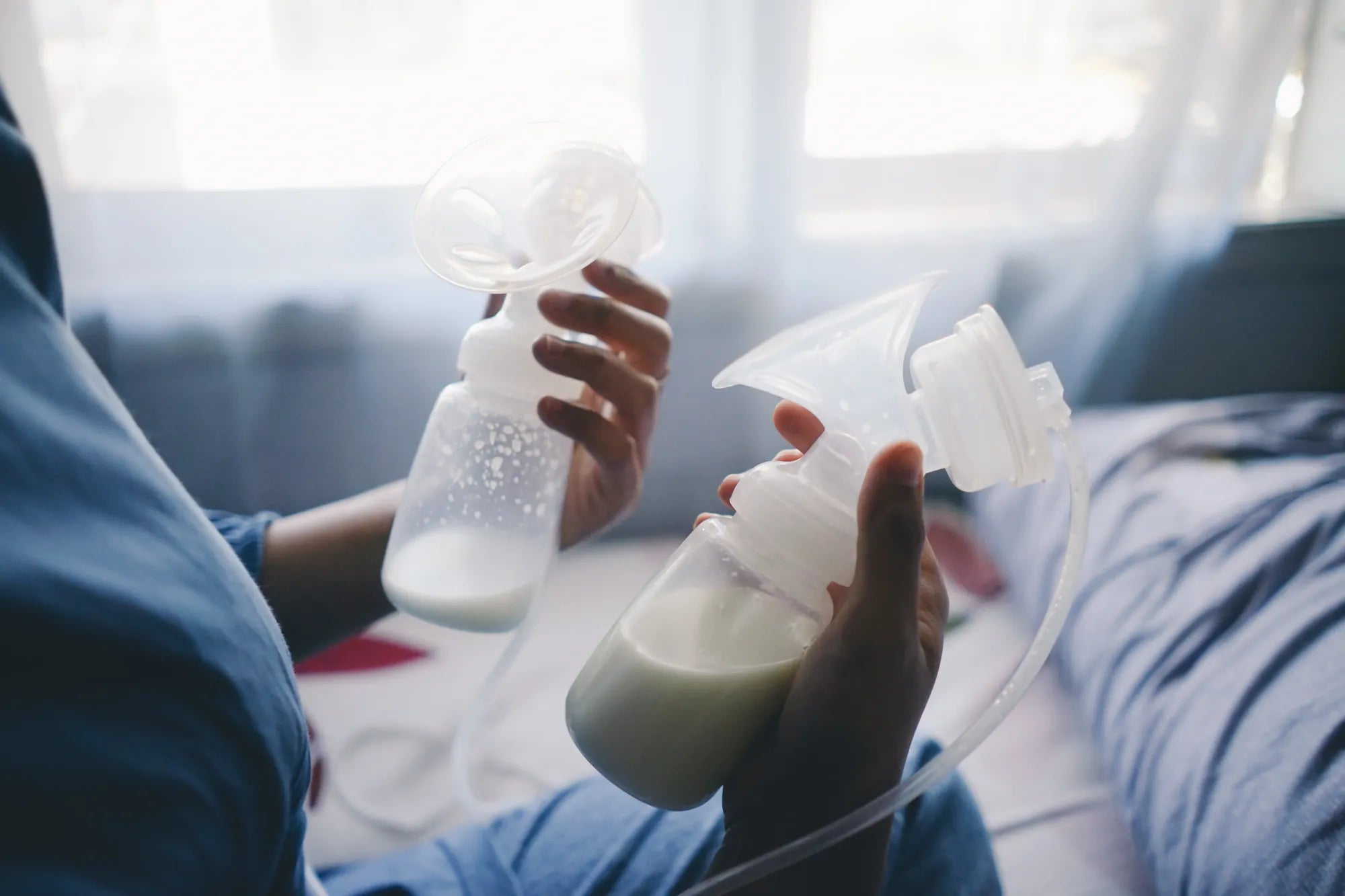
Can I Breast Pump at 37 Weeks? Everything You Need to Know
Introduction: Understanding Breast Pumping in Late Pregnancy
As you approach your due date, questions about preparing for breastfeeding often arise. One common query is: Can I breast pump at 37 weeks? This question stems from a mix of excitement, preparation, and sometimes anxiety about the breastfeeding journey ahead.
Every pregnancy is unique, and what's right for one person may not be suitable for another. This guide will walk you through everything you need to know about this topic, from fetal development to medical guidelines. We'll provide the factual information you need to have an informed discussion with your midwife or doctor.
At MomMed, we're committed to supporting moms and moms-to-be with reliable, evidence-based guidance and innovative products. Our focus is always on safety, comfort, and empowering you with knowledge for a healthy start for you and your baby.
What Does It Mean to Be 37 Weeks Pregnant?
At 37 weeks, your pregnancy is considered "early term." This is a significant milestone, as babies born at or after 37 weeks are generally considered to have fully developed lungs and other vital organs. However, important brain development and weight gain continue right up until delivery.
Your body is in the final stages of preparation. You might experience Braxton Hicks contractions, increased pelvic pressure, and cervical changes. Colostrum, the nutrient-rich "first milk," is typically present and may even leak spontaneously for some women.
It's crucial to understand that while your baby is nearly ready, the last few weeks of pregnancy serve a vital purpose. Medical professionals generally advise allowing labor to begin spontaneously when possible, as it's associated with the best outcomes for both mother and baby.
This context is essential for understanding why the question "can I breast pump at 37 weeks" requires careful medical consideration rather than a simple yes or no answer.
The Potential Benefits of Pumping at 37 Weeks
There are specific scenarios where expressing colostrum before birth, known as antenatal colostrum expression, might be discussed. Understanding the potential benefits helps explain why it's sometimes considered.
The primary benefit is the ability to collect and store colostrum. Often called "liquid gold," colostrum is packed with antibodies, proteins, and immune factors. Having a small stash can be reassuring, especially if there are concerns about early feeding challenges.
For mothers with certain medical conditions, such as insulin-dependent diabetes, collecting colostrum can be part of a management plan. It provides ready-to-use nourishment to help stabilize the baby's blood sugar after birth, which is a common concern for diabetic mothers.
Some evidence suggests that hand expression before birth might help some women become more familiar with their breasts and the sensation of milk release. This could theoretically ease the transition to breastfeeding postpartum, though research is ongoing.
It's important to note that these benefits are typically weighed against potential risks and are only pursued under direct medical guidance. The decision is never about boosting overall milk supply for the future, as supply is regulated by placental delivery and subsequent demand.
The Considerations and Risks: Why Caution is Key
The foremost consideration, and the primary reason pumping is not routinely recommended at 37 weeks, is the risk of stimulating labor. Nipple stimulation triggers the release of the hormone oxytocin, which is the same hormone that causes uterine contractions during labor.
For a woman with a low-risk, uncomplicated pregnancy, introducing this stimulation unnecessarily could potentially lead to preterm contractions or even the onset of labor before the baby has reached full term. Even at 37 weeks, allowing a few more days or weeks of gestation can be beneficial for the baby's final development.
Another risk is the potential for causing undue stress or anxiety. If a mother tries to pump and collects only a few drops (which is completely normal for colostrum), she might worry about her future milk supply. This anxiety can be counterproductive to establishing a healthy breastfeeding relationship later.
There's also a small risk of introducing bacteria if proper hygiene isn't meticulously followed during expression and storage. The colostrum you collect prenatally must be handled with extreme care, as it will be given to a newborn with a brand-new immune system.
Therefore, the general rule for healthy pregnancies is to wait. The answer to "can I breast pump at 37 weeks" is usually "not unless your healthcare provider advises it for a specific medical reason."
When Might It Be Recommended? Medical Indications
In specific medical situations, a healthcare provider may actively recommend or support antenatal colostrum expression starting at 36 or 37 weeks. This is always a personalized medical decision, not a casual choice.
Maternal Diabetes: Women with insulin-dependent diabetes (Type 1, Type 2, or gestational diabetes requiring medication) are often encouraged to collect colostrum. Their babies are at higher risk of hypoglycemia (low blood sugar) after birth, and having colostrum ready to feed can help manage this.
Planned Cesarean Section or Induction: If you have a scheduled C-section or induction, your provider might discuss colostrum collection in the days leading up to the procedure. This ensures you have some nourishment available immediately if the baby needs it or if you face initial separation or feeding difficulties.
History of Low Milk Supply or Breast Surgery: If you've experienced significant challenges with milk production in a previous breastfeeding journey, or if you've had breast surgery that could impact milk ducts, your provider might see value in having colostrum stored as a backup.
Baby with Known or Suspected Feeding Issues: If prenatal scans suggest a condition that might make latching difficult (e.g., cleft palate), having stored colostrum allows for alternative feeding methods (like a syringe or cup) from the very first feed.
In all these cases, the process is almost always started with hand expression, not an electric pump, and only after detailed instruction from a midwife or lactation consultant.
How to Safely Collect Colostrum: If Your Provider Gives the Green Light
If your doctor or midwife has advised you to collect colostrum, following a safe and gentle protocol is paramount. Here is a step-by-step guide based on common clinical recommendations.
Step 1: Get Clear Instructions. Have your provider or a lactation consultant demonstrate hand expression. They will show you the proper technique to massage your breast and compress the areola without causing bruising or excessive stimulation.
Step 2: Prioritize Hygiene. Wash your hands thoroughly and have clean, sterile containers ready. 1ml oral syringes (without needles) are ideal for collecting and storing colostrum. You can obtain these from your pharmacy or hospital.
Step 3: Be Gentle and Brief. Sessions should be short—no more than 5-10 minutes per breast, and often just once a day. The goal is to collect drops, not streams. You might collect 0.5ml to 3ml total in a session, and that's perfectly normal and valuable.
Step 4: Store Immediately and Label. Draw the colostrum into the syringe, label it with the date and time, and place it in the freezer. Store syringes in a clean sealed bag or container. Colostrum can be stored in a freezer for several months.
Step 5: Using a Pump. If, for a specific reason, your provider suggests using a pump like the MomMed S21, it must be on the absolute lowest, gentlest suction setting for a very limited time (e.g., 5 minutes). The wearable, quiet design of the S21 can offer comfort, but the setting must be minimal. Never use a pump for antenatal expression without explicit medical instruction.
Comparing Antenatal Expression Methods
If expression is recommended, understanding the difference between hand expression and pumping is key. The following table outlines the core differences.
| Feature | Hand Expression | Using an Electric Pump (e.g., MomMed S21) |
|---|---|---|
| Primary Use at 37 Weeks | First-line, recommended method for safe colostrum collection. | Rarely recommended; only under specific medical instruction. |
| Stimulation Level | Gentle, directly controlled by your hand pressure. Easier to minimize oxytocin release. | More systematic and potentially stronger suction, even on low settings, which may increase oxytocin release risk. |
| Hygiene & Setup | Very simple; requires only clean hands and a sterile syringe. | Requires cleaning multiple pump parts, which increases handling and contamination risk. |
| Colostrum Collection | Ideal for thick, sticky colostrum that comes in drops. Easier to direct into a small syringe. | Designed for mature milk flow. Colostrum can get lost in tubing or bottles, leading to waste of precious drops. |
| Postpartum Transition | Teaches valuable manual skills useful for relieving engorgement or helping with latch. | Familiarizes you with your pump, but this can be done safely after birth. |
| MomMed Product Note | Supported by educational resources on our site. | The S21's hospital-grade performance and comfort are ideal for postpartum use, with multiple gentle modes for when the time is right. |
MomMed Support: Gentle Tools for Your Journey
When the time is right for pumping—after your baby is born—having a reliable, comfortable, and efficient pump makes all the difference. MomMed designs products with the entire maternal journey in mind, prioritizing safety and comfort from pregnancy through breastfeeding.
Our award-winning S21 Double Wearable Breast Pump is engineered for the postpartum period. Its ultra-quiet, hospital-grade performance ensures effective milk removal, which is crucial for establishing and maintaining a healthy milk supply. The adjustable suction modes allow you to find the perfect, gentle rhythm that works for your body, minimizing discomfort.
All MomMed breast pumps, including the S21, S12 Single Wearable, and Swing models, are made with BPA-free, food-grade silicone and materials that meet the highest safety standards. This commitment to safety is non-negotiable, whether you're using our pregnancy tests, nursing pillows, or baby care essentials.
We understand that questions like "can I breast pump at 37 weeks" come from a place of wanting to be prepared. Our role is to provide the trustworthy products and clear information you need to navigate these decisions with confidence, always in partnership with your healthcare team.
Your Frequently Asked Questions Answered
Will pumping at 37 weeks induce labor?
It has the potential to do so. Nipple stimulation releases oxytocin, the hormone that causes uterine contractions. For this reason, pumping or hand expression should only be done before term under direct medical supervision for a specific indication. In a low-risk pregnancy, it is avoided to prevent unintentionally triggering labor.
How much colostrum can I expect to collect?
Expect drops, not ounces. Collecting a total of 5ml to 20ml (1-4 teaspoons) over the course of a day is common and considered a great success. Each drop is incredibly concentrated with nutrients and antibodies, so even a small amount is immensely valuable for your newborn.
Can I use a wearable pump like MomMed's at 37 weeks?
You should not use any pump, wearable or otherwise, at 37 weeks without explicit instruction from your doctor or midwife. If they advise expression, they will almost certainly recommend starting with hand expression. A pump's suction is more difficult to control minutely and presents a higher stimulation risk than gentle hand techniques.
What if I leak colostrum naturally? Is that the same as pumping?
No, spontaneous leakage is passive and is not driven by deliberate stimulation. It is a normal sign your body is preparing. You can use absorbent breast pads to manage leakage. This is fundamentally different from actively expressing, which triggers a hormonal feedback loop.
I'm having a C-section. Should I pump beforehand?
This is a common reason for discussion. For planned Cesareans, some providers will recommend hand-expressing colostrum in the days prior to surgery. This provides a safety net for feeding, especially if the baby needs supplementation for blood sugar management. Always follow your own surgeon's or obstetrician's specific protocol.
Does collecting colostrum early increase my overall milk supply later?
No. Your mature milk supply is regulated by the hormonal shift that occurs after the placenta is delivered (the drop in progesterone) and then by how often and effectively milk is removed in the early postpartum days. Antenatal expression does not "boost" your future supply. Its purpose is solely to harvest the available colostrum.
Partnering with Your Care Team for a Healthy Start
The journey into motherhood is filled with decisions, and the question of whether you can breast pump at 37 weeks is a significant one. The clearest takeaway is that this is not a decision to make independently or based on general advice from the internet. It is a personal medical decision that must be made in close consultation with your midwife, obstetrician, or lactation consultant.
Arm yourself with the knowledge from this guide, and bring your questions to your next prenatal appointment. An open conversation about your specific health, your baby's well-being, and your breastfeeding goals will lead to the best plan for you.
When your baby arrives and your pumping journey begins, MomMed will be here to support you with innovative, comfortable, and reliable products designed for real life. From finding the perfect flange fit to establishing a pumping schedule that works, we provide the tools and resources to help you feed your baby with confidence.
Ready to explore the comfortable, efficient tools for your postpartum breastfeeding journey? Shop the MomMed collection at mommed.com for hospital-grade wearable breast pumps, expert-designed nursing accessories, and all your baby care essentials. We're here to support every step, when the time is right for you.