


Inicio
Pregnancy, Breastfeeding, and Pumping: The Ultimate Guide for Moms
Will a Breast Pump Induce Lactation? Exploring the Possibilities
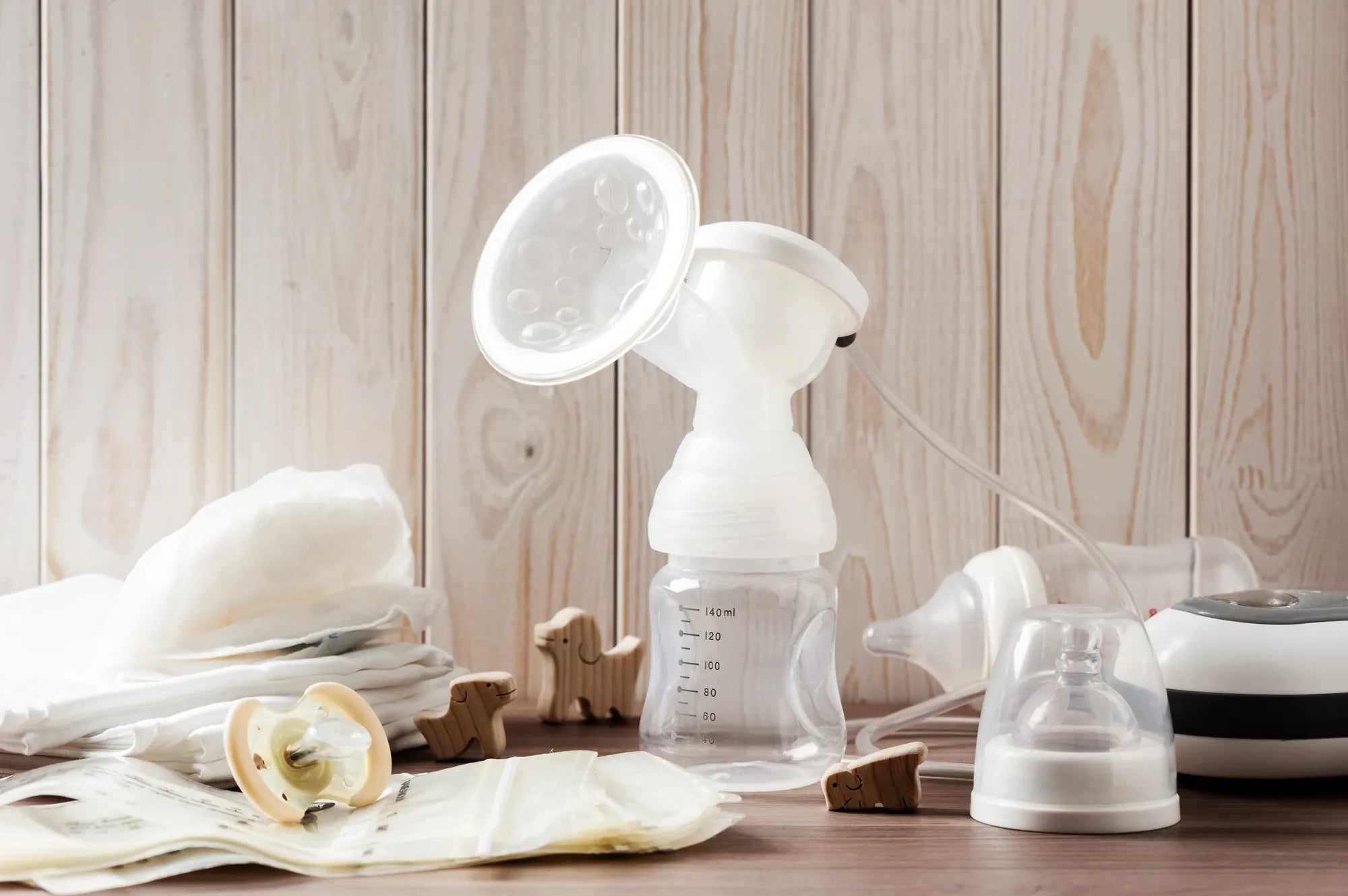
Will a Breast Pump Induce Lactation? Exploring the Possibilities
Introduction: Understanding Lactation and the Role of Stimulation
The question "Will a breast pump induce lactation?" is asked by many individuals for deeply personal reasons. Lactation is the biological process of milk production, primarily governed by the hormones prolactin (which signals milk creation) and oxytocin (which triggers the milk ejection or "let-down" reflex). While pregnancy typically prepares the body for this process, the physical stimulation of suckling—whether from a baby or a pump—plays a crucial role in initiating and maintaining supply.
This article explores the possibilities and realities of using a breast pump as a primary tool to induce lactation in the absence of a recent pregnancy or to restart it after weaning (relactation). We'll dissect the science, outline practical protocols, and provide guidance on selecting equipment and building support. The goal is to offer a clear, factual roadmap for adoptive mothers, those via surrogacy, transgender parents, or any individual seeking to establish a milk supply through dedication and the right tools.
Understanding that every journey is unique, we approach this topic with supportive, data-driven information. A high-quality breast pump is often a cornerstone of these efforts, but its effectiveness is maximized within a broader, holistic plan developed with healthcare professionals.
The Science Behind Lactation: Hormones vs. Mechanical Stimulation
Lactation operates on a fundamental "supply and demand" principle. The demand is created by the frequent and effective removal of milk from the breasts. This removal sends signals to the brain to release more prolactin, which in turn instructs the milk-producing glands (alveoli) to create more milk. It's a beautifully efficient feedback loop designed to match a baby's needs.
A breast pump works by mimicking a baby's suckling pattern to provide this critical mechanical stimulation. Modern electric pumps use a cycle of suction and release to simulate the baby's rapid, shallow sucks that initiate let-down, followed by longer, slower sucks that effectively drain the breast. This mechanical demand is what tells your body, "Make more milk."
However, the hormonal context is equally vital. After childbirth, progesterone and estrogen levels drop sharply, which allows prolactin to take center stage. In induced lactation, where there has been no recent pregnancy, this hormonal shift has not naturally occurred. Therefore, while the pump provides the "demand" signal, the body may need additional help to prime the "supply" response. This is why protocols for inducing lactation often combine mechanical stimulation with hormonal priming strategies under medical guidance.
The key takeaway is that a breast pump is an exceptionally powerful tool for signaling milk production, but its role in building a supply from zero is part of a more complex physiological puzzle that involves both physical stimulation and hormonal readiness.
Can a Breast Pump Induce Lactation from Scratch? The Realities of Induced Lactation & Relactation
So, will a breast pump induce lactation on its own? The direct answer is that a breast pump is a necessary and critical component, but it is rarely sufficient by itself to establish a full milk supply from scratch. Success depends on the goal (producing any milk versus an exclusive supply), the individual's physiology, and the comprehensiveness of the protocol followed.
It's essential to differentiate between two scenarios: induced lactation (establishing milk production without a recent pregnancy) and relactation (restarting milk production after it has ceased). Relactation often has a higher success rate for achieving a full supply because the breast tissue has already been developed through a previous pregnancy. However, both processes require immense dedication, a rigorous routine, and professional support.
The Role of Hormonal Priming in Induced Lactation
For induced lactation, many protocols include a period of hormonal priming. This involves using medications, under a doctor's supervision, to mimic the hormonal environment of pregnancy. A common approach uses a combination of estrogen and progesterone (often via birth control pills) for several months, followed by a sudden withdrawal to simulate the postpartum hormone drop.
Additionally, galactagogues—substances that may increase milk supply—are often introduced. The most commonly prescribed pharmaceutical galactagogue is domperidone, which works by raising prolactin levels. It is crucial to note that domperidone is not approved for this use in all countries (including the U.S., though it is available elsewhere) and must only be used under strict medical supervision due to potential side effects. Herbal supplements like fenugreek, blessed thistle, and moringa are also popular, though their efficacy varies and they should be discussed with a healthcare provider.
The Rigorous Pumping Protocol for Induction
Whether with or without hormonal priming, the pumping schedule is the engine of the process. To signal the body to start producing milk, you must simulate the feeding pattern of a newborn. This typically means pumping for 15-20 minutes per breast, every 2-3 hours, around the clock, including at least one session overnight when prolactin levels are naturally highest.
Consistency is non-negotiable. Missing sessions can signal to the body that demand is low. This is where the convenience and comfort of a wearable pump become invaluable. A pump like the MomMed S21 Double Wearable Breast Pump allows for this rigorous schedule to be maintained without being confined to a wall outlet, making the process more sustainable for daily life.
Initially, you may pump and see nothing but drops, or even nothing at all. This is normal. The act of pumping itself is stimulating the development of the milk-making infrastructure in your breasts. Persistence through this phase is key. Many protocols recommend adding in hand expression after each pumping session for a few extra minutes to ensure maximum stimulation.
Setting Realistic Expectations for Induced Supply
Managing expectations is a critical part of the journey. While some individuals can induce a full milk supply, many produce a partial supply. It's vital to frame any amount of milk as a success. Even small volumes provide immense nutritional and immunological value and facilitate profound bonding during feeding.
The timeline varies widely. Some may see droplets within a few weeks of dedicated pumping, while for others it may take a month or more of consistent effort. The quantity often increases gradually over time. The primary goal should be connection and providing whatever amount of human milk is possible, supplementing with formula as needed to ensure the baby is fully nourished.
Choosing the Right Pump for Induction and Building Supply
Selecting an effective breast pump is one of the most important decisions when embarking on an induction or relactation journey. The pump must be powerful enough to provide effective stimulation, comfortable enough for frequent use, and reliable for a demanding long-term schedule.
Why Hospital-Grade Performance Matters
While true hospital-grade rental pumps are often recommended for exclusive pumping or low-supply issues, modern personal-use double electric pumps can offer comparable performance for induction. The key is strong, adjustable suction that can effectively mimic a baby's suckling to stimulate prolactin release. MomMed pumps are engineered with this deep, rhythmic suction in a compact, user-friendly design, making professional-grade performance accessible at home.
The Critical Importance of Adjustability and Comfort
Comfort directly impacts consistency. A pump that causes pain or damage will derail a strict schedule. Look for a pump with multiple suction levels and cycle speeds. This allows you to start with a gentle, rapid cycle to stimulate let-down and then switch to a slower, deeper pattern for maximum milk removal, all at a comfortable vacuum strength. Proper flange fit is also paramount; an incorrect size is a common cause of low output and pain.
The Game-Changing Advantage of Wearable Design
For an induction protocol requiring pumping 8-12 times a day, a traditional pump can feel like a prison sentence. This is where wearable, hands-free pumps transform the experience. The award-winning MomMed S21 Double Wearable Pump fits discreetly inside a bra, allowing you to pump while making dinner, working, caring for other children, or simply relaxing. This freedom removes a major barrier to adherence, making it psychologically easier to stick to the demanding schedule that induction requires.
Safety and Discreet Operation
All components that come into contact with milk should be made from BPA-free, food-grade materials, a standard MomMed upholds across all products. Furthermore, a quiet motor is essential for discreet pumping at work or in social settings, reducing stress and making the process more private and manageable.
Supporting Your Journey: Holistic Strategies Beyond the Pump
Inducing lactation is a whole-body endeavor. The pump provides the primary stimulation, but other practices significantly enhance your chances of success by supporting your hormones and overall well-being.
Skin-to-Skin Contact and Hand Expression
If the baby is already present, skin-to-skin contact is incredibly powerful. Holding the baby against your bare chest boosts oxytocin (the love/bonding hormone) and prolactin. Even without direct feeding, this contact can stimulate milk production. Learning hand expression techniques is also recommended. Using hands to massage and compress the breasts before, during, and after pumping can help remove more milk and provide additional stimulation that a pump might miss.
Nutrition, Hydration, and Rest
Your body needs fuel and resources to make milk. Focus on a balanced diet rich in whole grains, proteins, healthy fats, and fruits and vegetables. Staying exceptionally well-hydrated is crucial; drink to thirst, and keep water nearby during pumping sessions. Perhaps most challenging, but equally important, is prioritizing rest. Stress elevates cortisol, which can inhibit oxytocin and prolactin. Sleep when you can, and accept help with other tasks to conserve your energy for your pumping routine.
The Essential Step: Partnering with Professionals
This cannot be overstated: Do not attempt this journey alone. A certified Lactation Consultant (IBCLC) is your most valuable ally. They can create a personalized pumping and induction plan, assess flange fit, teach hand expression, and provide crucial emotional support. Your doctor or endocrinologist is essential for discussing and managing any hormonal priming or galactagogue use. This professional team will monitor your progress and your baby's health, ensuring a safe and supported path forward.
Comparison: Induction Pumping vs. Pumping with an Established Supply
Understanding the differences between using a pump for induction and for maintaining an established supply can help set appropriate expectations and strategies.
| Aspect | Pumping for Induced Lactation/Relactation | Pumping with an Established Postpartum Supply |
|---|---|---|
| Primary Goal | To create a milk supply from minimal or no initial production. | To maintain or increase an existing supply, or to store milk. |
| Pumping Schedule | Very rigid: Every 2-3 hours, 24/7, mimicking a newborn. Frequency is critical. | More flexible: Typically aligned with baby's feeding schedule or work breaks; can often drop night pumps once supply is regulated. |
| Initial Output | May be zero or only drops for days or weeks. Focus is on stimulation, not volume. | Expect measurable output from early sessions, increasing as supply establishes. |
| Role of the Pump | The primary source of mammary stimulation; essential for signaling production. | Often a supplement to direct breastfeeding; used for occasional or regular milk removal. |
| Supporting Physiology | Often requires hormonal priming (medication/supplements) to create a prolactin-rich environment. | Body is already in a postpartum hormonal state conducive to lactation. |
| Key to Success | Utmost consistency, patience, professional guidance, and managing expectations. | Effective milk removal, proper flange fit, and responding to supply cues. |
Frequently Asked Questions (FAQs)
How long does it take to induce lactation with a pump?
There is no universal timeline. With a dedicated protocol, some individuals may see their first droplets within 2-4 weeks. Building a meaningful partial or full supply can take several months of consistent, round-the-clock pumping and stimulation. The process is measured in months, not days.
Can I induce lactation if I've never been pregnant?
Yes, it is absolutely possible. Women who have never been pregnant can induce lactation. The process may require more time and a comprehensive protocol involving hormonal priming and a rigorous pumping schedule, as the breast tissue needs to develop the necessary milk-producing structures (mammary glands and ducts) from a less developed state.
Is the milk produced through induction nutritious for my baby?
Yes. The milk produced through induced lactation is real, nutritious human milk. While the composition (particularly the levels of certain immunoglobulins and antibodies) may differ slightly from milk produced after a full-term pregnancy, it still contains vital proteins, fats, carbohydrates, and beneficial components tailored to human infants. Every drop provides value.
What's the difference between using a pump for induction vs. for an established supply?
The core difference is the goal and required intensity. For induction, the pump is the primary stimulus to create supply, demanding extreme frequency and consistency regardless of output. For an established supply, the pump is often a tool for maintenance or occasional use, with a schedule that can be more flexible and responsive to output volume.
Can men or transgender women induce lactation?
Yes. Because all humans have mammary gland tissue, individuals assigned male at birth can also induce lactation through a similar protocol of hormonal therapy (typically estrogen and progesterone followed by a domperidone-like drug) and consistent mechanical stimulation via pumping. This process is a valid part of the feeding journey for some transgender parents and requires careful supervision by an endocrinologist and lactation consultant.
Conclusion: Empowerment Through Knowledge and the Right Tools
The journey to induce lactation or relactate is a profound testament to dedication and the desire to nourish a child. While challenging, it is within the realm of possibility for many with the right approach. A high-quality, efficient, and comfortable breast pump is an indispensable tool in this process, providing the critical mechanical stimulation needed to signal your body to produce milk.
Success hinges on a triad of factors: a comprehensive plan developed with an IBCLC and doctor, unwavering consistency with your pumping protocol, and managing expectations to celebrate every milestone. Choosing a pump designed for performance and comfort, like the hands-free MomMed S21, can make the rigorous schedule sustainable by integrating it seamlessly into your life.
Remember, any amount of milk you produce is a gift—to your baby and to yourself. This journey is as much about the bonding and effort as it is about ounces. You are not alone; seek support, trust the process, and equip yourself with tools that empower you. Shop the MomMed collection at mommed.com for innovative, reliable breast pumps and accessories designed to support every step of your unique feeding journey.