


Inicio
Pregnancy, Breastfeeding, and Pumping: The Ultimate Guide for Moms
Why Does My Breast Milk Look Watery When I Pump: Explained for Concerned Moms
Why Does My Breast Milk Look Watery When I Pump: Explained for Concerned Moms
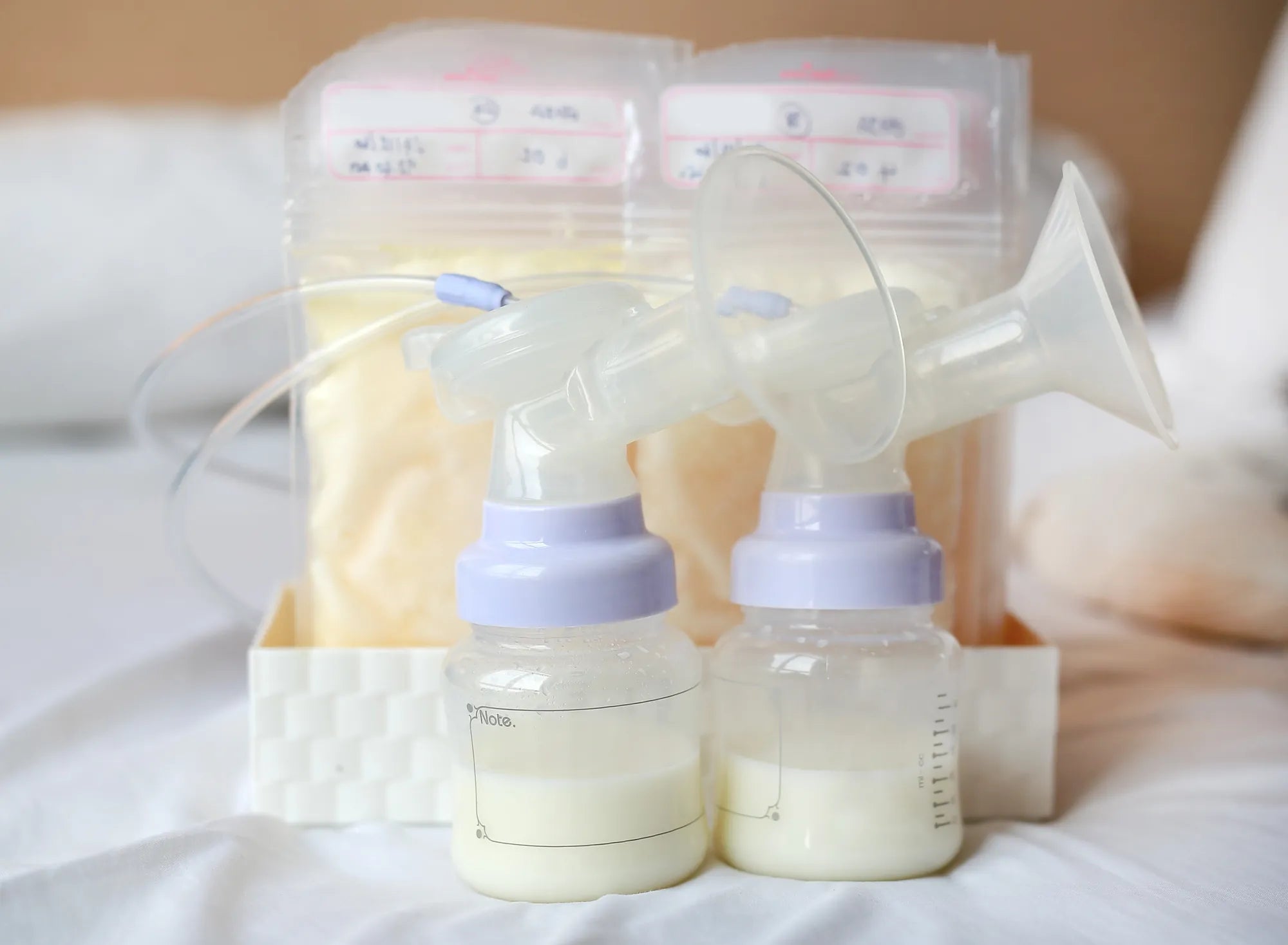
You’ve just finished a pumping session, and as you pour the milk into a storage bag, you pause. It looks… watery. Thin. Maybe even a bit blue-tinged. A wave of worry hits: Is my milk nutritious enough? Is something wrong with my supply? If this sounds familiar, take a deep breath. Why does my breast milk look watery when I pump is one of the most common questions among breastfeeding mothers, and the answer is almost always rooted in the remarkable, dynamic nature of breast milk itself. This variation is not a flaw; it’s a feature of your body’s intelligent design. In this comprehensive guide, we’ll demystify the appearance of your pumped milk, explore the crucial difference between foremilk and hindmilk, and provide you with evidence-based strategies and product insights from MomMed—a trusted maternal and baby care brand—to help you pump with confidence and ensure your baby thrives.
Understanding the Composition of Breast Milk: It’s Not Just One Type
To understand why pumped milk can look watery, we must first discard the idea that breast milk is a uniform substance. It is a living, changing fluid that adapts to your baby’s needs. The most critical concept here is the distinction between foremilk and hindmilk.
Foremilk is the milk available at the beginning of a feeding or pumping session. It’s typically higher in volume, lactose (milk sugar), water-soluble vitamins, and protein. Its primary role is to quench your baby’s thirst and provide immediate energy. Because it is lower in fat, it often appears thinner, more translucent, and can have a bluish or watery tint. This is the milk you often see first when you pump.
Hindmilk is the milk released as the feeding or pumping session continues. As milk is removed, the fat globules that cling to the milk ducts are dislodged and flow out. This milk is significantly richer in fat and calories, making it creamier, thicker, and opaque white or even yellowish in color. It’s designed to satisfy your baby’s hunger and promote weight gain.
It’s vital to note that there isn’t a magical switch that flips from foremilk to hindmilk. The transition is a gradual continuum. The longer and more thoroughly the breast is drained, the higher the fat content of the milk becomes. This elegant system ensures your baby gets both hydration and dense nutrition in every feed.
Why Your Pumped Milk Might Appear Watery: 5 Key Reasons
When you pump, several factors can influence which part of the milk spectrum you collect, often leading to a bottle that looks more like foremilk. Understanding these reasons can alleviate unnecessary stress.
1. The Timing of Your Pumping Session
This is the most common reason. If you pump shortly after a full feeding, or if you pump on a schedule where your breasts are relatively full, you are essentially tapping into the fresh reservoir of foremilk. Similarly, pumping first thing in the morning—when your breasts are often fullest after a longer stretch—may yield a larger volume of thinner-looking milk initially.
2. Pump Settings and Incomplete Emptying
Effective pumping isn't just about turning the device on. Using a pump with customizable settings, like the MomMed S21 Wearable Breast Pump, allows you to mimic a baby’s natural nursing pattern. A session that is too short or uses only a high-speed, low-suction setting may stimulate a let-down and remove the readily available foremilk but may not create the prolonged, deeper suction needed to fully empty the breast and pull down the fattier hindmilk.
3. Your Hydration and Diet Status
A well-hydrated mother produces ample milk, and this good hydration can sometimes make the milk appear slightly thinner—a positive sign, not a negative one. While your overall diet influences the fatty acid profile of your milk over time, the day-to-day or session-to-session fat content is more governed by breast fullness and emptying efficiency than by the avocado you ate at lunch.
4. Frequency of Pumping or Feeding
If you are pumping or feeding very frequently (e.g., every 1-2 hours), your breasts may not have had sufficient time between sessions to rebuild significant fat stores in the ducts. This can result in each session yielding milk with a more consistent, but potentially lower average, fat content, which may appear less creamy.
5. The Mechanics of Pumping vs. Nursing
A baby’s suck is complex and can be more efficient at removing thicker hindmilk than some pumps. A pump that doesn’t fit well or isn’t powerful enough may leave the fattiest milk behind. This underscores the importance of using a high-quality, efficient pump and ensuring a perfect flange fit.
Watery vs. Creamy Milk: A Detailed Nutritional Comparison
It’s easy to equate “creamy” with “nutritious,” but that’s an oversimplification. Both foremilk and hindmilk are essential and complete nutrition; they simply have different macro-nutrient emphases tailored for different purposes.
| Characteristic | Foremilk (Often 'Watery') | Hindmilk (Often 'Creamy') |
|---|---|---|
| Primary Appearance | Thin, translucent, bluish-tinged | Thick, opaque, white or yellow |
| Fat Content | Lower (but not zero) | Significantly Higher |
| Lactose Content | Higher | Lower |
| Caloric Density | Lower per ounce | Higher per ounce |
| Key Role for Baby | Hydration, quick energy, protein for growth | Satiety, sustained energy, weight gain, brain development |
| Analogy | A hydrating sports drink | A rich, nutrient-dense meal supplement |
Think of it this way: Your baby needs the high-volume, hydrating foremilk just as much as the calorie-dense hindmilk. Over the course of a full feed—or a full day of pumped bottles—a healthy baby will naturally consume the balance they need. The concern arises only if they consistently do not get access to the hindmilk, which we will address next.
When to Be Concerned: Signs That Go Beyond Normal Appearance
While a watery appearance is usually normal, certain signs paired with this observation warrant a consultation with an International Board Certified Lactation Consultant (IBCLC) or your pediatrician.
Persistent feeding issues are a key red flag. If your baby seems consistently fussy, unsatisfied, or is feeding very frequently (marathon nursing) yet not appearing content, it could indicate an imbalance where they are filling up on foremilk but not getting enough hindmilk to feel full.
Monitor your baby’s output and growth closely. Concern is justified if there are poor weight gain patterns, fewer than 6-8 wet diapers per day after the first week, or consistently green, frothy, explosive stools. These can be signs of foremilk/hindmilk imbalance or other feeding issues.
Be alert to sudden, drastic changes in your milk’s appearance unrelated to timing. While diet can tint milk (green from greens, pink from beets), a sudden red or rusty color could indicate blood, and a pus-like appearance could signal infection. These require immediate medical attention.
Finally, if you are experiencing pain, persistent plugged ducts, or symptoms of mastitis (fever, chills, red, painful breast wedge), your milk composition and flow can be affected. Addressing the underlying issue with professional help is crucial.
Proven Tips for Pumping a Balanced Milk Supply with MomMed
Armed with knowledge, you can use your pumping sessions to effectively manage your supply and ensure your baby gets a balanced diet. Here’s how MomMed’s innovative products can support you.
Master Your Pump’s Modes for Complete Emptying
Don’t just use the default setting. Start with the stimulation mode (let-down mode) on your MomMed pump for 2-3 minutes until milk flows steadily. Then, switch to the expression mode. On pumps like the MomMed S21, you can adjust the suction level and cycle speed to a comfortable yet effective setting that encourages a deep, thorough emptying. Pump for 2-5 minutes after the last drops of milk appear to help draw down the hindmilk.
Implement Hands-On Pumping and Breast Compression
While pumping, use your free hand to massage your breast from the chest wall toward the nipple. Gently compress and hold when you see milk flow slowing. This manual technique helps mobilize fat globules and can significantly increase the fat content of your pumped milk, mimicking a baby’s natural kneading.
Consider “Block Feeding” or Strategic Mixing
If an imbalance is suspected, an IBCLC might suggest “block feeding” (nursing from one breast for a set block of time to ensure it’s fully drained). For exclusive pumpers, this translates to fully emptying one breast per session on a rotating schedule. For daily bottle feeds, you can mix all the milk pumped in a 24-hour period before dividing it into bottles. This “pitcher method” naturally averages the fat content, so each bottle has a consistent blend of foremilk and hindmilk.
Ensure a Perfect Flange Fit and Ultimate Comfort
An incorrect flange size is a major barrier to effective milk removal. It can cause pain, reduce output, and leave hindmilk behind. MomMed pumps come with multiple flange size options. The right size should allow your nipple to move freely without rubbing, with minimal areola pulled into the tunnel. The comfort of wearable, ultra-quiet pumps like the MomMed S21 also promotes relaxation, which aids let-down and milk flow.
Addressing Common Myths and Misconceptions
Let’s clear the air on some persistent myths that cause undue anxiety for pumping mothers.
Myth: Watery milk means I have a “bad” or “weak” supply. Fact: Milk appearance is not a reliable indicator of supply volume or overall quality. A large volume of thinner milk is still packed with essential nutrients and antibodies.
Myth: I need to pump for a long time to get to the “good” milk. Fact: While longer sessions help with emptying, the goal is efficiency, not just duration. A powerful, well-fitted pump used with massage can achieve effective emptying in 15-20 minutes per breast.
Myth: If I see separation in the fridge, the milk has gone bad. Fact: Fat separation is completely normal and expected. The fat rises to the top. Simply swirl the bottle gently to mix it before feeding. Avoid vigorous shaking, which can break down some protective proteins.
Myth: My diet must be extremely high in fat to make creamy milk. Fact: Your body will produce the necessary fats for milk even from your reserves. A balanced, adequate-calorie diet supports your health, but extreme dietary fat intake is not required for “creamier” milk per session.
Frequently Asked Questions (FAQs)
1. Is watery breast milk less nutritious for my baby?
No. Watery-appearing breast milk (foremilk) is rich in proteins, vitamins, minerals, and lactose crucial for hydration, energy, and development. It is a vital component of a complete nutritional profile. Nutrition is about the totality of the feed and the day, not the appearance of a single bottle.
2. How can I get more fatty hindmilk when I pump?
Focus on complete emptying: use breast massage and compression during pumping, ensure your flange fits perfectly, and pump for a few minutes after milk stops flowing. Using an efficient, hospital-grade pump like the MomMed Swing or the wearable S21 can make a significant difference in how thoroughly you empty the breast.
3. Does the color of my breast milk change throughout the day?
Yes, absolutely. It can range from bluish-white (foremilk) to creamy white or golden yellow (hindmilk). It may also take on subtle hints from your diet (e.g., slightly green from spinach). This is normal and not a cause for concern.
4. My milk looks separated in the fridge—is that normal?
Yes, this is one of the most common observations and is perfectly normal. The fat rises and forms a creamy layer on top. Before feeding, gently swirl the bottle or bag to reincorporate the fat. Do not shake vigorously.
5. Should I discard the watery milk at the start of a pumping session?
Absolutely not. Discarding any breast milk means discarding precious nutrients, antibodies, and hydration. Your baby needs the full spectrum of milk. Always feed or store all the milk you pump from a session.
Empowering Your Pumping Journey with Confidence
Seeing watery breast milk in your pump bottles is a visual cue that your body’s sophisticated lactation system is working as intended, providing your baby with tailored hydration and nutrition. The key takeaway is to shift your focus from the appearance of a single session to the bigger picture: your baby’s overall contentment, diaper output, and steady growth are the ultimate metrics of success. By understanding the foremilk/hindmilk dynamic, mastering your pumping technique with tools like comfortable, efficient MomMed wearable breast pumps, and knowing the true signs of concern, you can replace worry with empowered confidence. Trust your body, trust the process, and equip yourself with reliable support.
Shop the MomMed collection at mommed.com for all your breastfeeding and pregnancy needs, from our award-winning S21 Double Wearable Breast Pump for ultimate freedom to our accurate pregnancy tests and essential nursing accessories. Let us be your partner in this incredible journey.