


Inicio
Pregnancy, Breastfeeding, and Pumping: The Ultimate Guide for Moms
Where to Order Breast Pump: A Comprehensive Guide for New Moms
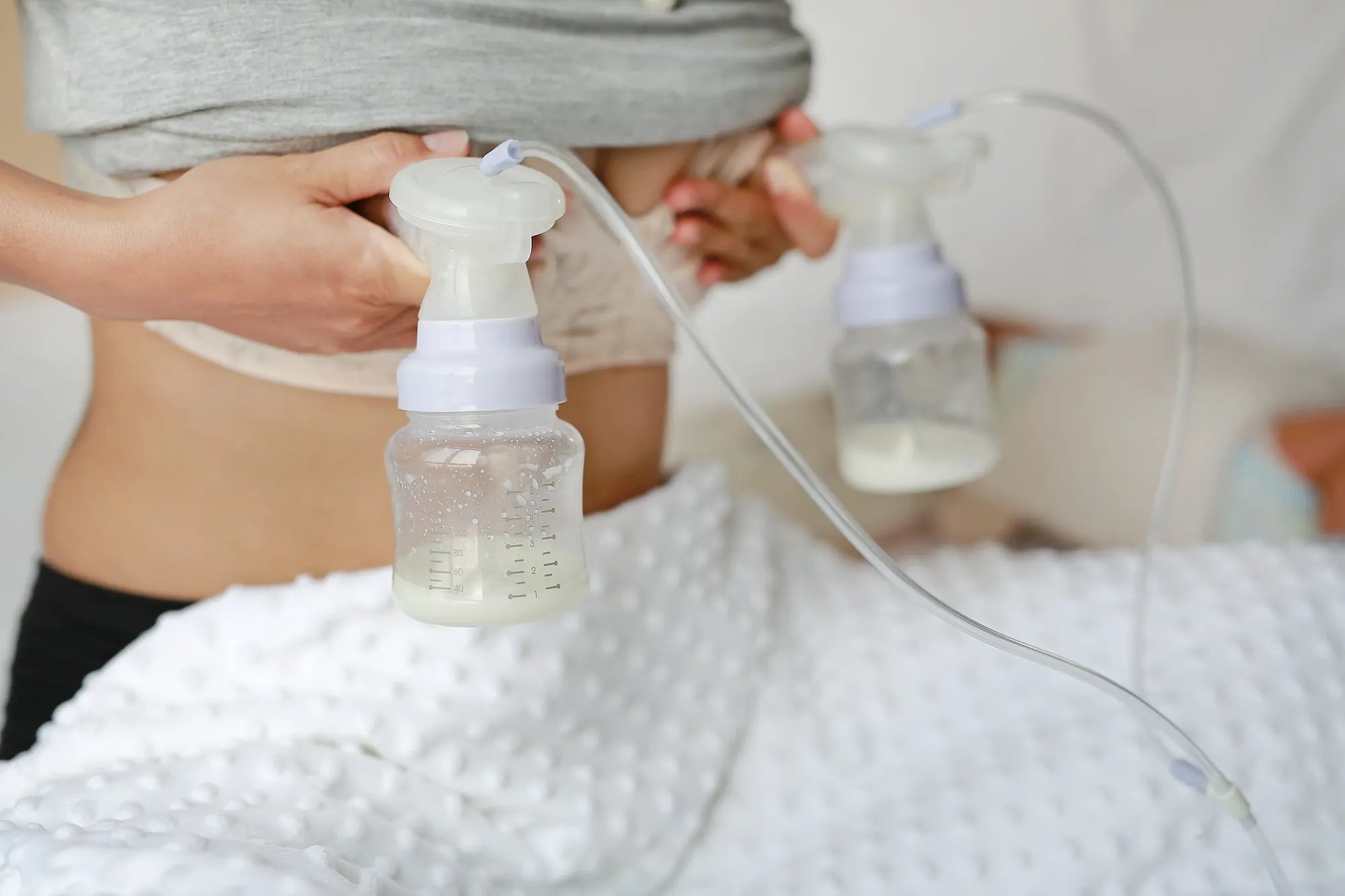
Where to Order Breast Pump: A Comprehensive Guide for New Moms
Navigating the world of breast pumps can feel overwhelming for new and expecting moms. Knowing where to order a breast pump is just as crucial as choosing the right model. This comprehensive guide provides a step-by-step roadmap through every purchasing channel, from insurance to direct retailers. We'll demystify the process, compare your options, and equip you with the knowledge to secure the pump that best fits your lifestyle, budget, and feeding goals.
Understanding Your Breast Pump Options: Types and Key Features
Before deciding where to buy, you must understand what you're buying. Breast pumps are not one-size-fits-all. The right choice depends on your planned feeding frequency, mobility needs, and personal comfort. The primary categories include hospital-grade rentals, personal double or single electric pumps, manual pumps, and the increasingly popular wearable pumps.
Key features should guide your decision. Look for adjustable suction levels and cycle speeds to mimic a baby's natural nursing pattern. A closed-system design prevents milk from backing into the tubing and motor, which is crucial for hygiene. Noise level is a significant factor for discreet pumping, especially at work or during nighttime sessions. Comfort is paramount, starting with the correct flange fit—many moms need a size different from the standard 24mm or 28mm included in the box.
Why Wearable Pumps Like MomMed Are a Game-Changer
Wearable breast pumps represent a major innovation for modern, active mothers. These cordless, compact devices fit inside your bra, offering unparalleled discretion and mobility. You can pump while making dinner, working at your desk, or even running errands, without being tethered to an outlet or a wall.
This hands-free design isn't just about convenience; it can also support milk supply. The ability to pump more freely and frequently without isolating yourself can reduce stress and make maintaining a pumping schedule more sustainable. Brands like MomMed have pioneered this space with award-winning models like the S21 Double Wearable Breast Pump, known for its ultra-quiet operation, comfortable suction, and secure, leak-proof design.
Where to Order Your Breast Pump: A Detailed Source Breakdown
Your path to obtaining a breast pump depends on several factors, primarily your health insurance coverage and personal preference. Each source has distinct advantages, timelines, and potential limitations. Understanding these differences is the core of knowing where to order a breast pump effectively.
Some avenues prioritize cost-saving, while others offer the widest selection or fastest delivery. Your decision might involve a combination of sources—for example, using insurance for a primary pump and purchasing a wearable pump outright for added flexibility. Let's explore each primary channel in detail.
Through Your Health Insurance (The Affordable Care Act)
Under the Affordable Care Act, most health insurance plans must cover the cost of a breast pump. This is often the most affordable route, potentially providing a pump at little to no out-of-pocket cost. The process typically begins by contacting your insurance provider directly or checking your plan's benefits documentation.
Insurers usually work with specific authorized durable medical equipment (DME) distributors. You'll be given a list of in-network providers or a website to browse approved models. Coverage varies widely: some plans offer a selection of specific models, while others provide a set monetary allowance. The process can take 1-3 weeks for processing and shipping, so it's wise to initiate it in your second or early third trimester.
Directly from Manufacturer Websites (Like MomMed)
Ordering directly from a manufacturer's website, such as MomMed.com, offers significant benefits. You gain access to the brand's full product line, including the latest models and innovations that may not yet be available through insurance distributors. This is often the only way to purchase newer wearable pump technology directly.
Purchasing direct ensures you receive a full manufacturer's warranty and authentic product with all original components. Customer support is typically more specialized, as you're dealing directly with the product experts. Brands like MomMed often offer educational resources, bundle deals on accessories, and direct customer service for troubleshooting, creating a seamless experience from research to after-sales support.
Major Retailers and Online Marketplaces
Large retailers like Amazon, Target, Walmart, and Buy Buy Baby offer convenience and fast shipping. Their vast inventories allow for easy price comparison and access to a wide range of brands and accessories in one place. Reading verified customer reviews can provide valuable real-world insights into a pump's performance.
However, caution is advised. Ensure you are buying from the official brand store or an authorized retailer on these platforms to avoid incompatible or non-genuine replacement parts. Return policies can vary, and while shipping is fast, personalized guidance is minimal. It's an excellent option for supplemental pumps, manual pumps, or accessories once you know exactly what you need.
Local Medical Supply Stores and Pharmacies
Brick-and-mortar medical supply stores and some major pharmacy chains offer the advantage of in-person service. You can sometimes see and handle display models, and staff may offer basic guidance. For moms who want their pump immediately or prefer a personal touch, this can be a viable option.
The main drawback is selection. Physical stores have limited shelf space, so they often carry only a few popular models. They may not stock the latest wearable pumps or have a full range of flange sizes. This channel is best for those who have already done their research and know the specific model they want is in stock locally.
| Ordering Source | Primary Advantage | Key Consideration | Best For |
|---|---|---|---|
| Health Insurance | Low or no cost | Limited model selection, longer timeline | Moms prioritizing affordability for a primary pump |
| Manufacturer Website | Full product line, latest tech, direct support | Full out-of-pocket cost | Moms seeking specific innovations like wearable pumps |
| Major Retailer/Marketplace | Convenience, fast shipping, reviews | Risk of unauthorized sellers, less personalized | Accessories, supplemental pumps, or quick purchases |
| Local Medical Store | Immediate pickup, in-person service | Very limited selection | Moms who need a pump urgently and know their model |
Key Factors to Consider Before You Order
Choosing where to order a breast pump is intertwined with choosing the pump itself. Your personal circumstances should dictate your source. Start by conducting an honest assessment of your daily life and feeding plans. A mom returning to a full-time office job has different needs than one who plans to be primarily at home.
Your budget is the next critical factor. Determine if you will use insurance coverage or pay out-of-pocket. If using insurance, understand your plan's specifics—does it cover a double electric pump? Is there an upgrade fee for more advanced models? Knowing this will immediately narrow your source options to either your insurance's distributor or retail channels.
Never compromise on hygiene and safety. Ensure any pump you consider has a closed-system design and is made with BPA-free, food-grade materials. All MomMed breast pumps, for instance, use medical-grade, food-contact silicone for all parts that touch skin or milk, ensuring safety for your baby. Ease of cleaning is also a practical necessity; look for pumps with fewer small parts for a simpler wash routine.
Finally, leverage reviews and recommendations. Go beyond star ratings and read detailed accounts of durability, customer service experiences, and real-world performance. Lactation consultant forums, evidence-based parenting groups, and recommendations from other moms can provide trustworthy insights that marketing materials cannot.
Navigating the Ordering Process: Steps and Tips
Once you've decided on the type of pump and the best source, a structured approach will make the ordering process smooth. Begin your research and decision-making in your second trimester. This gives you ample time to contact insurance, compare models, and place an order without last-minute pressure.
If going through insurance, your first call is to your provider. Ask specific questions: "What breast pump models are covered under my plan?" "Do you have a list of approved distributors?" "Is there a timeframe for when I can order (e.g., before or after delivery)?" "What is the process for submitting a claim if I buy elsewhere?" Take detailed notes, including the representative's name and the date.
When ordering, especially online, look for bundle deals. Many retailers and manufacturers offer packages that include essential accessories like cooler bags, extra bottles, or milk storage bags at a discounted rate. Always review the return policy and warranty information before finalizing your purchase. Understand the window for returns and what the warranty covers—typically the motor for 1-2 years.
After your pump arrives, inspect it immediately. Ensure all parts are present as listed in the manual. Charge the battery fully if it's a rechargeable model. Consider doing a "test run" before your baby arrives to familiarize yourself with the settings and assembly. This prevents stressful learning curves during those first hectic days postpartum.
Maximizing Your Pumping Success and Comfort
Ordering the pump is just the beginning. Proper use and setup are critical for effective milk removal and comfort, which directly impact supply. Start by ensuring your flange fit is correct. The flange is the funnel-shaped part that surrounds your nipple. A proper fit means your nipple moves freely in the tunnel without rubbing, and little to no areola is pulled in.
Establishing a pumping schedule that mimics your baby's feeding pattern helps establish and maintain a robust milk supply. In the early weeks, pumping 8-12 times per 24 hours, including once at night, is often recommended. Use your pump's let-down mode (a rapid, light suction) for 1-2 minutes until milk flows, then switch to expression mode (slower, stronger pulls).
Comfort is non-negotiable. Pumping should not cause pain. Use lubrication like refined coconut oil or a purpose-made cream on the flange rim to reduce friction. Adjust the suction to the highest comfortable level—more suction isn't always better and can damage tissue. Hands-free pumping bras are a worthy investment, especially with wearable or traditional electric pumps, freeing your hands for work or relaxation.
Hygiene is paramount for your baby's health. Clean all parts that contact milk (flanges, valves, membranes, bottles) after every use with hot, soapy water or in a dishwasher if labeled dishwasher-safe. Sanitize according to the manufacturer's guidelines, typically once daily for newborns. Always ensure parts are completely dry before reassembling to prevent microbial growth.
Addressing Common Breastfeeding and Pumping Concerns
Even with the perfect pump, challenges can arise. Engorgement, the feeling of overly full, hard breasts, is common in early lactation. Frequent nursing or pumping is the best remedy. Mastitis, a painful inflammation often with flu-like symptoms, requires immediate attention: rest, continued milk removal, and a call to your healthcare provider, as antibiotics may be needed.
Low milk supply is a top concern. Before assuming a true low supply, ensure you are pumping frequently enough with a properly fitted flange. Power pumping—a technique mimicking cluster feeding—can help boost supply. This involves pumping for 20 minutes, resting for 10, pumping for 10, resting for 10, and pumping for a final 10 minutes, once per day for several days.
Nipple pain often signals an issue with latch (if nursing) or pump settings and fit. Reevaluate your flange size and ensure suction is at a comfortable level. Persistent pain or damage should be evaluated by a lactation consultant. Remember, your mental well-being is part of the feeding journey. It's okay to supplement with formula if needed, and seeking support from partners, family, or support groups is a sign of strength.
Frequently Asked Questions (FAQs) About Ordering Breast Pumps
Q: How early should I order my breast pump?
A: It's best to research and decide in your second trimester. If ordering through insurance, initiate the process by week 28-30, as it can take weeks. If buying retail, ordering by 34-36 weeks ensures it arrives before your due date.
Q: Will my insurance cover a wearable pump like MomMed's?
A> It depends entirely on your specific plan. Some plans cover wearable pumps, often with an upgrade fee. Others may only cover traditional electric models. You must call your insurance provider and ask if wearable pumps are on their approved list or if you can apply an allowance toward one.
Q: What's the difference between ordering through insurance vs. buying outright?
A> Insurance provides a covered pump at low cost but from a limited selection. Buying outright (e.g., from MomMed.com) gives you full choice over the latest models, immediate ownership, and often direct manufacturer support, but requires full payment.
Q: Are all parts of the pump safe and easy to clean?
A> Reputable brands design pumps with safety and cleaning in mind. Always look for BPA-free, food-grade materials. Closed-system pumps prevent milk from entering the motor, making them more hygienic. Pumps with fewer small parts, like many wearable designs, simplify cleaning.
Q: What if the pump I order isn't the right fit for me?
A> First, check the return policy where you purchased it. Many retailers offer a 30-90 day window. If the issue is flange size, most brands sell different flange sizes separately. If it's a performance issue, contact customer service; they may have troubleshooting tips or warranty options.
Empowering Your Feeding Journey with the Right Choice
Finding the right breast pump is a deeply personal part of your motherhood journey. It's a tool for nourishment, for maintaining your milk supply when apart from your baby, and for providing you with flexibility. Knowing where to order a breast pump—whether through the cost-effective pathway of insurance, the direct innovation of a manufacturer, the convenience of a major retailer, or the immediacy of a local store—empowers you to make a confident, informed decision.
Your choice should reflect your unique life, prioritizing comfort, efficiency, and safety. A pump that integrates seamlessly into your routine, like a comfortable, hands-free wearable option, can make a significant positive difference in your breastfeeding experience. Trust your research, listen to your needs, and choose a solution that supports you in feeding your baby, your way.
Ready to explore innovative, comfortable pumping solutions designed for modern moms? Shop the award-winning MomMed collection, including the S21 Double Wearable Breast Pump, at mommed.com for all your breastfeeding and pregnancy needs.