


Inicio
Pregnancy, Breastfeeding, and Pumping: The Ultimate Guide for Moms
When Can I Start Breast Pumping During Pregnancy: A Comprehensive Guide for Expectant Mothers
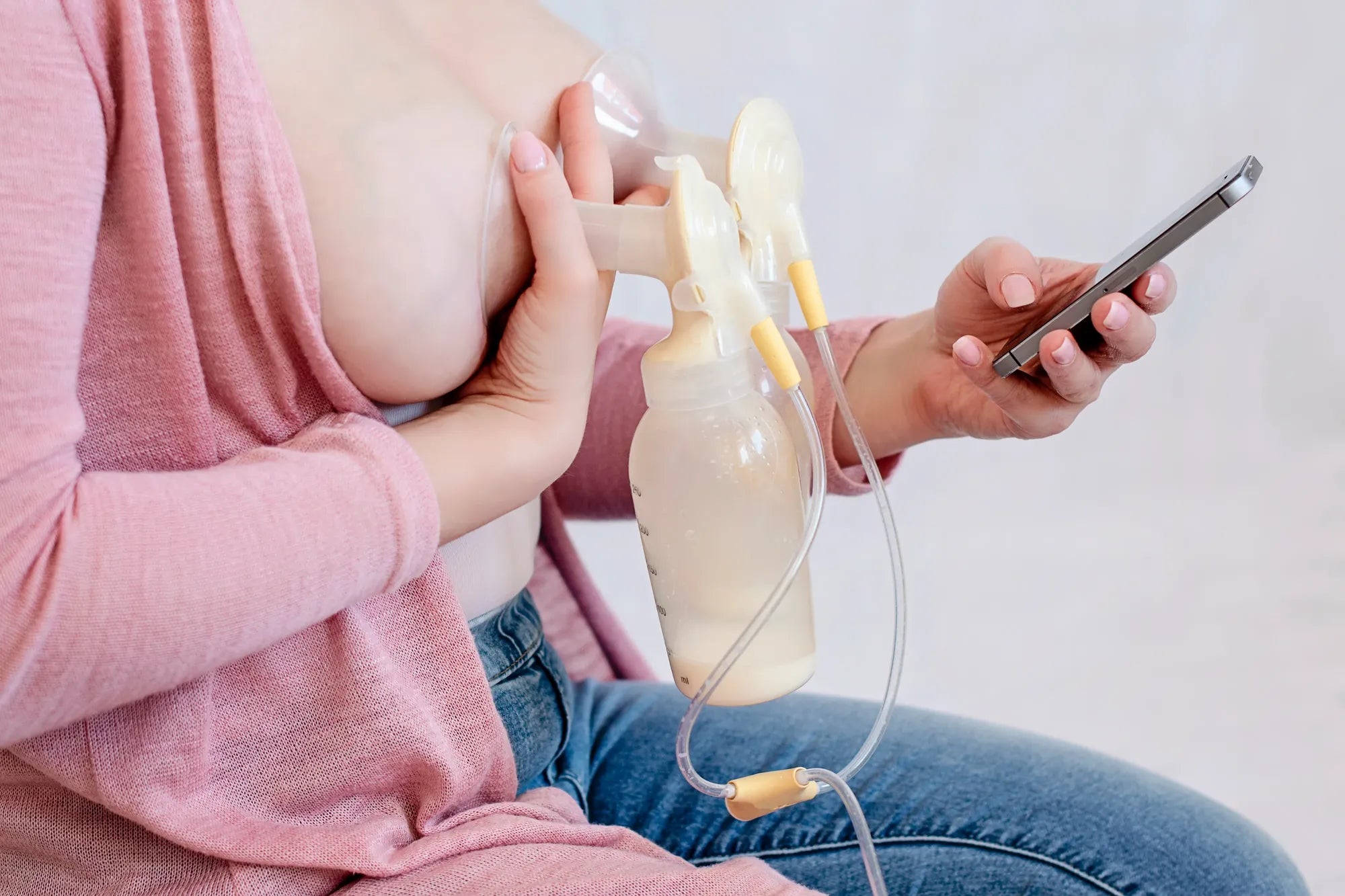
When Can I Start Breast Pumping During Pregnancy: A Comprehensive Guide for Expectant Mothers
Many expectant mothers, eager to prepare for their baby's arrival and ensure a successful breastfeeding journey, wonder: When can I start breast pumping during pregnancy? The short, crucial answer is that pumping during pregnancy is typically not advised for most women. The safe and effective time to begin is after your baby is born. This comprehensive guide will delve deep into the physiological reasons behind this recommendation, provide a clear timeline for postpartum initiation, and equip you with all the knowledge you need to prepare confidently for your pumping journey, ensuring you can build and maintain a healthy milk supply safely for you and your baby.
Understanding Your Body: The Physiology of Lactation in Pregnancy
To understand why the timing of pumping is so critical, it's essential to know how your body prepares for milk production. During pregnancy, a complex hormonal symphony orchestrates the development of your milk-making system. High levels of estrogen and progesterone promote the growth and branching of the milk ducts and alveoli (the tiny sacs where milk is produced).
Simultaneously, the hormone prolactin, which is responsible for milk synthesis, begins to rise. However, the high levels of progesterone act as a suppressant, preventing the full milk production, or lactogenesis II, from kicking in. Think of it as your body building and wiring the factory (your breasts) but keeping the main production line on standby until the right signal—the delivery of the placenta.
In the later stages of pregnancy, often in the third trimester, you may notice small droplets of thick, yellowish fluid on your nipples. This is colostrum, often called "liquid gold," the first food perfectly designed for your newborn. Its presence is a normal sign of preparation. However, colostrum production is minimal and distinct from the copious production of mature milk, which begins 2-5 days after birth when progesterone levels plummet.
Attempting to pump during pregnancy misunderstands this biological timeline. Your body is not set up to respond to mechanical stimulation with a significant milk output until after the hormonal shift of birth. The primary goal of any early milk expression is safely collecting small amounts of colostrum if advised, not stimulating volume production.
Why Pumping During Pregnancy is Generally Not Advised
The recommendation against routine pumping during pregnancy is rooted in medical safety and physiological readiness. Leading health organizations, including the American College of Obstetricians and Gynecologists (ACOG) and lactation consultants worldwide, caution against it for several key reasons.
Risk of Uterine Contractions: Nipple stimulation triggers the release of oxytocin, the hormone responsible for milk let-down and uterine contractions. During pregnancy, this can potentially lead to preterm labor, especially in women with high-risk pregnancies or a history of preterm birth. While occasional, mild stimulation may not cause issues, regular pumping is a deliberate and sustained form of stimulation that is best avoided.
Ineffective for Establishing Supply: As outlined in the physiology section, your body is hormonally blocked from producing mature milk volume during pregnancy. Pumping is unlikely to yield more than a few drops of colostrum and will not help "build up a stash" or increase your future supply. Milk supply is established most effectively in the early postpartum weeks through frequent, effective removal of milk, either by your baby or a pump.
Potential for Nipple Discomfort or Damage: Without mature milk to lubricate the ducts and with breast tissue that is more sensitive and engorged during pregnancy, pumping can cause unnecessary nipple soreness, trauma, or even damage. This could negatively impact your initial breastfeeding experience after birth.
Unnecessary Stress and Expectation: Seeing only minimal output from a pump session can be discouraging and create anxiety for an expectant mother, leading her to believe she will have low milk supply. It's important to separate prenatal colostrum production from postpartum milk production capabilities.
The Safe Timeline: When to Start Pumping After Birth
Once your baby arrives, the countdown to your first pumping session begins. The ideal start time is not one-size-fits-all and depends primarily on your baby's health and your breastfeeding goals. The following table outlines the general guidelines based on common scenarios.
| Scenario | Recommended Start Time for Pumping | Primary Goal & Notes |
|---|---|---|
| Full-Term, Healthy Baby, Direct Breastfeeding Established | 3 to 6 weeks postpartum | To create a small freezer stash for occasional use or return to work. Allows baby to regulate supply first. |
| Baby with Effective Latch but Needing Supplementation | Within first few days postpartum | To supplement after some direct feeds. Use a hospital-grade or efficient double electric pump like the MomMed S21 for short sessions. |
| Premature or NICU Baby | Within 6 hours of birth, ideally within 1-2 hours | To initiate and build milk supply for baby. Frequent pumping (8-12 times per 24hrs) is critical. Follow NICU protocol. |
| Baby with Significant Latch Difficulties | Day 1 or 2 postpartum | To protect milk supply while working on latch with a lactation consultant. Pump after attempted feeds. |
| Exclusive Pumping (EP) Plan | As soon as possible after birth, once mother is medically stable | To establish full supply via pump. Mimic a newborn's feeding frequency from the start. |
| Maternal-Infant Separation | Within 6 hours of birth | To initiate supply. Frequency is more important than duration in the early days. |
For the majority of mothers with full-term, healthy babies who are breastfeeding directly, the golden rule is to wait until breastfeeding is well-established. This typically means your baby is latching well, feeding 8-12 times per day, and gaining weight appropriately, and any initial nipple soreness has subsided. This stabilization period, usually around 3-6 weeks, allows your baby to be the primary regulator of your milk supply, reducing the risk of oversupply.
Introducing a pump too early in this scenario can confuse this natural regulation. However, if you need to be away from your baby for a medical reason or have concerns about supply from the beginning, consulting with an International Board Certified Lactation Consultant (IBCLC) is essential to develop a personalized plan that may include early, careful pumping.
How to Prepare for Pumping While Still Pregnant (Without Pumping)
Just because you shouldn't pump during pregnancy doesn't mean you can't prepare. Taking these proactive, safe steps can make your postpartum pumping journey much smoother.
Educate Yourself on Pump Mechanics: Learn about the parts of a breast pump, especially flange fit. Flanges that are too large or too small are a leading cause of low output and pain. Research how to measure your nipple diameter to ensure you have the correct size flange ready postpartum. MomMed pumps come with multiple flange sizes to help you find the perfect fit.
Select and Acquire Your Pump: Use your pregnancy to research and choose a high-quality pump. Consider features vital for a new mom: efficiency to effectively remove milk and protect supply, comfort with adjustable settings, and convenience. A wearable pump like the award-winning MomMed S21 Double Wearable Breast Pump offers hands-free operation, allowing you to bond with your baby or manage tasks while pumping—a significant advantage in the exhausting newborn phase.
Consult a Lactation Professional Prenatally: Many IBCLCs offer prenatal consultations. This is an excellent opportunity to discuss your breastfeeding and pumping goals, learn hand expression techniques for colostrum, and create a plan for the first days postpartum. Having this support system in place is invaluable.
Practice Hand Expression (Late Pregnancy, if Advised): In some cases, especially if you have gestational diabetes or are expecting a baby who may have low blood sugar, your healthcare provider may recommend learning to hand express and collect colostrum in the final weeks of pregnancy. This should only be done under medical guidance, typically after 36-37 weeks, and is focused on gentle collection, not stimulation for volume.
Choosing Your First Pump: Key Features for Comfort and Efficacy
Investing in the right pump is an investment in your feeding journey. For new mothers, specific features can dramatically impact comfort, consistency, and success.
Hospital-Grade Efficiency: Look for a pump with a powerful, reliable motor that creates effective suction cycles. Efficient milk removal is the number one driver of milk supply. Pumps like the MomMed Swing series are designed with this clinical-grade efficiency in mind, ensuring you can establish and maintain your supply even with exclusive pumping.
Customizable Comfort: Your comfort is non-negotiable. A good pump should offer multiple suction strength levels and cycle speed settings. This allows you to start with a gentle, stimulating mode to trigger let-down and then switch to a comfortable yet effective expression mode that mimics a baby's sucking pattern.
Wearable and Hands-Free Design: This is a game-changer for modern mothers. A true wearable pump, such as the MomMed S21, fits inside your bra with no external tubes or bottles hanging from your chest. This grants you the freedom to move, care for your other children, or even work while pumping, reducing the feeling of being "tethered" and making frequent pumping sessions more sustainable.
Quiet Operation: A quiet motor is essential for pumping during baby's naps, at night, or in shared spaces without disturbing your little one's sleep or drawing unwanted attention. MomMed pumps are engineered for ultra-quiet performance, providing discretion and peace.
Closed System and Safety: Ensure your pump has a closed system, which means a barrier prevents milk from entering the tubing and motor. This is more hygienic, easier to clean, and protects the pump's integrity. All MomMed pumps use BPA-free, food-grade silicone and feature closed systems for your baby's safety.
Your First Pumping Sessions: A Step-by-Step Guide for Beginners
Starting to pump can feel daunting. Follow this step-by-step guide to approach your first sessions with confidence.
1. Timing is Everything: For your first few sessions, pump about 30-60 minutes after your baby finishes a morning feed, or between feeds when your breasts feel comfortably full. Milk supply is typically highest in the morning. If you are pumping to replace a feed, pump at the time your baby would normally eat.
2. Ensure Proper Flange Fit: Your nipple should move freely in the tunnel without rubbing the sides, and only a small amount of areola should be pulled in. Pain is a sign of incorrect fit. Refer to the sizing guide provided with your MomMed pump.
3. Create a Relaxing Routine: Stress can inhibit let-down. Have a glass of water nearby, put on calming music, look at photos or videos of your baby, or gently massage your breasts before and during pumping. Applying a warm compress can also help.
4. Start the Pump: Begin with the pump's "let-down" or stimulation mode (typically a faster, lighter cycle) for 2-3 minutes until you see milk flowing steadily. Then switch to the expression mode (slower, stronger pulls) for 15-20 minutes total, or until the milk flow slows to drops.
5. Handle and Store Milk Safely: Pour milk into a clean breast milk storage bag or bottle, label it with the date and time, and place it in the back of the refrigerator (for use within 4 days) or freezer immediately. Never add warm milk to already chilled milk.
6. Clean Parts Thoroughly: After each use, disassemble all parts that touch milk (flanges, valves, membranes, bottles) and wash them in warm, soapy water or in the dishwasher (if top-rack safe). Sterilize according to the manufacturer's instructions regularly. MomMed parts are designed for easy cleaning and are dishwasher safe.
Common Concerns and FAQs for New Pumping Moms
1. Will pumping reduce the milk available for my baby?
No, when done correctly, pumping increases your overall milk supply. Milk production works on a supply-and-demand principle. By removing milk (via baby or pump), you signal your body to make more. If you pump after or between feeds, you are adding an extra "demand" signal, which can be helpful if you are trying to increase supply or build a stash.
2. How much milk should I expect in my first pumping sessions?
Manage your expectations. In the early days, you may only collect teaspoons of colostrum. As your milk transitions to mature milk (around days 3-5), output will increase. A typical yield for an early postpartum pumping session, after a feed, might be 0.5 to 2 ounces total from both breasts. Output varies greatly and is not an indicator of your overall supply, which is best measured by your baby's diaper output and growth.
3. What if I get no milk when I start pumping?
Don't panic. First, double-check your flange fit and that all parts are assembled correctly. Ensure you are relaxed and using the let-down mode. Try hand-expressing a few drops first to trigger the let-down reflex. Sometimes, it takes a few sessions for your body to respond to the pump. Consistency and frequency are key—keep trying at regular intervals.
4. How do I combine pumping with direct breastfeeding?
The most common method is to pump once per day, typically in the morning after the first feed, when supply is highest. This allows you to collect milk for a bottle without interfering significantly with your baby's next feed. You can also pump from one breast while your baby feeds from the other, using a collection shell or a hands-free pumping bra.
5. How often should I pump if I am exclusively pumping?
To establish a full milk supply while exclusively pumping, you must mimic a newborn's feeding pattern. This means pumping 8-12 times per 24 hours in the early weeks, including at least once at night. Each session should be 15-30 minutes. As your supply regulates (around 12 weeks), you may be able to drop a session while maintaining output, but frequency remains critical initially.
Conclusion: Empowering Your Unique Feeding Journey
Navigating the start of your pumping journey requires patience, knowledge, and the right support. Remember, the waiting period during pregnancy is a protective measure, and the postpartum timeline is your roadmap to success. By understanding your body's physiology, preparing proactively, choosing a pump that prioritizes comfort and efficiency like MomMed's wearable options, and seeking guidance from lactation professionals, you can approach breastfeeding and pumping with confidence. Your journey is unique, and having reliable, innovative tools at your disposal makes all the difference in providing for your baby with love and assurance.
Shop the MomMed collection at mommed.com for all your breastfeeding and pregnancy needs, from the award-winning S21 Wearable Pump to essential baby care products, and embark on your motherhood journey supported by quality and innovation.