


Inicio
Pregnancy, Breastfeeding, and Pumping: The Ultimate Guide for Moms
What Happens If Your Breast Pump Flange Is Too Big: A Comprehensive Guide
What Happens If Your Breast Pump Flange Is Too Big: A Comprehensive Guide
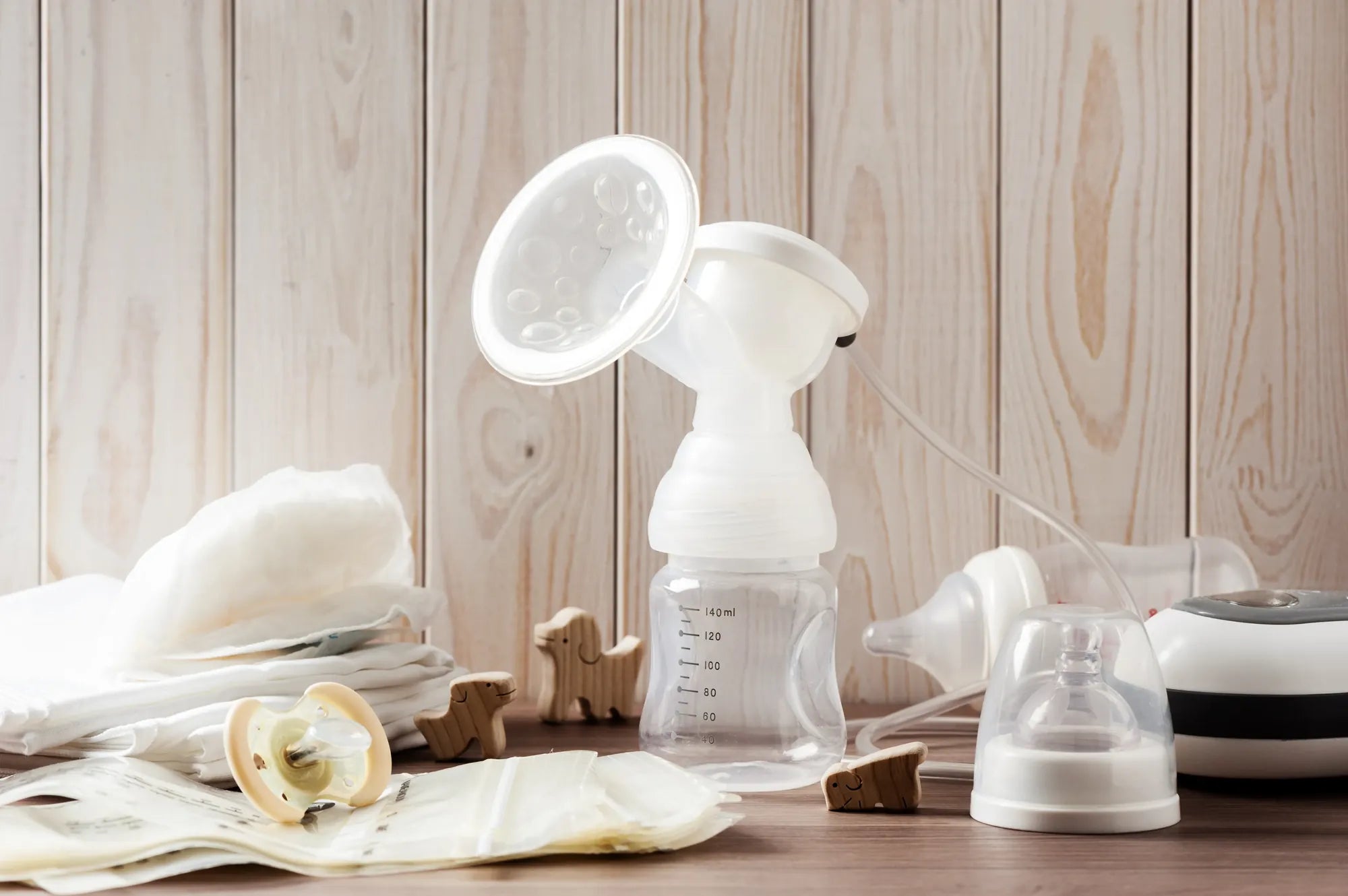
Using a breast pump with an incorrectly sized flange is one of the most common yet overlooked mistakes in a pumping mother's journey. The flange, or breast shield, is not merely a passive conduit for milk; it's the critical interface where mechanical suction meets delicate breast tissue. When your breast pump flange is too big, it sets off a chain reaction of physical discomfort and physiological inefficiency that can undermine your entire feeding plan. This article provides a data-driven, in-depth exploration of the consequences, equipping you with the knowledge to identify, troubleshoot, and solve this pervasive issue. You will learn the unmistakable signs of an oversized flange, understand the tangible risks to your milk supply and health, and master the process of finding your perfect, personalized fit.
Understanding Breast Pump Flanges: The Key to Comfort and Efficiency
The flange is the funnel-shaped piece that fits directly over your nipple and areola. Its primary function is to create a secure seal that allows the pump's suction to effectively draw milk from the breast. Proper fit is defined by a flange tunnel diameter that is typically 2-4 millimeters larger than the diameter of your nipple after pumping. This small margin is crucial.
An optimal fit ensures the nipple moves freely within the tunnel without friction, while the surrounding areola experiences minimal pull-in. This precise engineering maximizes comfort and mimics a baby's efficient latch, stimulating the milk ejection reflex (let-down) and emptying the breast thoroughly. Conversely, a poor fit is not a minor inconvenience; it's a fundamental flaw that compromises the entire system's performance.
Many pumps come standard with 24mm or 27mm flanges, but research and lactation consultant surveys indicate a significant portion of women require smaller sizes. Assuming a one-size-fits-most approach can lead directly to the problems outlined below. Recognizing that flange fitting is a personalized necessity is the first step toward pain-free and productive pumping.
Signs Your Breast Pump Flange Is Too Big: Listen to Your Body
Your body provides clear, often painful, feedback when the breast pump flange is too big. Disregarding these signs can lead to chronic issues. The symptoms are interconnected, often starting with discomfort and progressing to visible tissue changes and output problems.
Uncomfortable or Painful Pumping Sessions
Pain during pumping is not normal and is a primary indicator of poor flange fit. With an oversized flange, excessive areolar tissue is pulled into the tunnel. This stretches tissue not designed for such stress, causing a deep, aching soreness. You may also feel a burning sensation from nipple chafing against the hard plastic.
The pain often persists well after the pumping session ends, unlike the mild, temporary discomfort some feel during initial let-down. This type of pain discourages regular pumping, creating a negative feedback loop. Comfort is not a luxury in breastfeeding; it is a prerequisite for sustained milk removal and supply maintenance.
Reduced Milk Output and Inefficient Emptying
Mechanically, a flange that is too big fails to create an adequate seal. Air leaks around the breast break the vacuum, leading to inconsistent and weaker suction. This poor suction fails to properly stimulate the nerve endings in the areola that trigger let-down.
Consequently, you may experience delayed or multiple, weak let-downs, and the breast may not feel adequately softened after a session. The pump is simply going through the motions without effectively emptying the alveoli (milk-producing sacs). Over time, this incomplete emptying signals your body that less milk is needed, potentially decreasing your overall supply.
Visible Redness, Swelling, or Blistering
Physical damage is a clear sign of trauma. Look for a ring of redness or bruising around the base of your nipple, which indicates where the flange tunnel was pinching or pulling on areolar tissue. The nipple itself may appear swollen (edematous) or blanched (white) after pumping.
In severe cases, friction can cause painful blisters or abrasions on the nipple or areola. This edema is particularly problematic as swollen tissue can compress milk ducts, setting the stage for clogged ducts and mastitis. The damage is both a symptom and a cause of further complications.
Excessive Areola Pull-In and Nipple Misalignment
During pumping, observe how much tissue enters the tunnel. Ideally, only your nipple and a small margin of areola (about 1/4 inch or 5mm) should move rhythmically. If a large portion of your areola is being sucked deep into the tunnel, the flange is unequivocally too large.
Furthermore, your nipple should be centered and moving freely without rubbing the sides. If your nipple is off-center or angled, it indicates an improper seal and uneven pressure distribution. This misalignment further reduces efficiency and concentrates friction on one area of the nipple, increasing the risk of damage.
The Risks of Using an Incorrectly Sized Flange
Ignoring the signs of an oversized flange extends the consequences beyond a single uncomfortable session. The risks compound, affecting physiological processes and long-term breastfeeding goals. Understanding these risks underscores why proper fit is a non-negotiable aspect of pump use.
Impact on Milk Supply
Chronic inefficient emptying is one of the leading pump-related contributors to low milk supply. When milk is not regularly and thoroughly removed, the protein FIL (Feedback Inhibitor of Lactation) accumulates in the alveoli. This protein signals the breast to slow down milk production.
Mothers may misinterpret this as a personal failure or "insufficient glandular tissue," when the true culprit is a tool that isn't fitting correctly. Protecting your supply requires effective milk removal, which is impossible with a flange that cannot create the necessary physiological stimulus and mechanical action.
Potential for Tissue Damage and Clogged Ducts
The edema caused by excessive tissue pull-in creates a physical barrier to milk flow. Swollen tissue compresses the ducts, making it difficult for milk to pass. This stagnation is the perfect environment for a clogged duct to form. Persistent clogs can escalate into mastitis, a painful breast infection requiring medical intervention.
Repeated trauma can also lead to persistent nipple cracks or fissures, which are painful gateways for bacterial entry. What begins as simple discomfort can evolve into a significant medical issue, disrupting breastfeeding and requiring treatment.
Discomfort Leading to Pumping Aversion
The psychological impact is profound. When pumping is associated with pain and frustration, it can lead to pumping aversion—a sense of dread or anxiety around sessions. This may cause a mother to shorten sessions, skip them altogether, or abandon pumping entirely.
This aversion undermines feeding plans, whether the goal is exclusive pumping, building a freezer stash, or maintaining supply while separated from the baby. Ensuring comfort is therefore essential for the mental and emotional sustainability of the breastfeeding journey.
How to Find Your Correct Flange Size: A Step-by-Step Guide
Finding your correct flange size is a straightforward process that requires a few simple tools and observations. It is an investment that pays dividends in comfort and output. Do not assume the flanges that came with your pump are correct.
Measuring Your Nipple Diameter (The Gold Standard)
Measure your nipple after pumping or feeding, when it is at its most elastic and largest size. Using a flexible ruler or a printable nipple ruler from a reputable source, measure the diameter of the nipple at its base (where it meets the areola), not including the areola itself. Do not include any swollen tissue from a poor-fitting flange.
Record the measurement in millimeters. Your ideal flange size is generally this nipple diameter plus 2-4mm. For example, a 17mm nipple would typically need a 19mm or 21mm flange. This measurement is your starting point, not necessarily your final size, due to factors like elasticity.
Considering Nipple Elasticity and Shape
Nipple elasticity refers to how much your nipple stretches under suction. Some nipples stretch significantly, sometimes doubling in length. If you have elastic nipples, using a flange based solely on your measured diameter may still allow for excessive areola pull-in. In this case, you may need to size down.
Similarly, if your nipples are asymmetrical—a very common trait—you may require two different flange sizes. The goal is for the nipple to move freely without rubbing and for minimal areola to be pulled in, regardless of the number on the flange.
The Role of Wearable Pumps and Specialized Fit
Wearable pumps, like the award-winning MomMed S21 Double Wearable Breast Pump, present unique fitting considerations. Their compact design requires precise flange fit to maintain suction and efficiency. Fortunately, MomMed prioritizes customizable fit. The S21 pump includes multiple flange size options (21mm, 24mm, 27mm) in the box, acknowledging that fit is individual.
Using the correct BPA-free, food-grade silicone shield is paramount for both comfort and the pump's hospital-grade performance. A well-fitted flange ensures the wearable pump's innovative, hands-free design translates into effective milk removal, not just convenience.
Solutions and Next Steps: What to Do If Your Flange Is Too Big
If you've identified that your breast pump flange is too big, immediate action can rectify the situation. You have several reliable options to achieve a proper fit and get back on track.
Purchasing Smaller Replacement Flanges
The most direct solution is to purchase smaller flanges compatible with your pump model. First, check your pump manufacturer's website or accessory store. For instance, MomMed offers a range of flange sizes for purchase separately to ensure every mom can find her perfect match.
If your brand has limited size options, investigate third-party companies that manufacture universal or pump-specific flanges and adapters. Ensure any aftermarket part is made from safe, high-quality materials to maintain pump integrity and suction.
Using Temporary Fixes with Caution
Silicone flange inserts or cushions (such as those from Pumpin’ Pals or BeauGen) can be excellent tools. These soft, insertable rings effectively reduce the diameter of a too-large flange tunnel and add a protective, comfortable layer. They can be a cost-effective bridge while you source the correct hard plastic flange.
It is critical to follow the manufacturer's instructions for use. Incorrect placement can compromise suction or create new pressure points. These are aids, not permanent substitutes for a correctly sized primary flange.
Consulting a Lactation Professional
For personalized, expert guidance, schedule a consultation with an International Board Certified Lactation Consultant (IBCLC). Many IBCLCs are skilled in pump fitting and can observe your pumping technique, assess your nipple dynamics, and recommend a precise size and brand.
This consultation is a valuable investment, especially if you have persistent pain, elastic nipples, or asymmetry. They can also rule out other issues that may be contributing to discomfort or low output.
Comparison of Flange Fit Outcomes
| Factor | Correct Flange Fit | Flange Too Big |
|---|---|---|
| Comfort During Pumping | Comfortable, pain-free suction; mild sensation of pull. | Painful, aching, burning sensation; soreness persists. |
| Areola Pull-In | Minimal (approx. 1/4 inch of areola in tunnel). | Excessive; large portion of areola sucked into tunnel. |
| Milk Output Efficiency | Effective stimulation and emptying; good let-down. | Poor stimulation; weak/inconsistent let-downs; incomplete emptying. |
| Nipple Condition Post-Pump | Nipple unchanged or slightly elongated, returns to normal quickly. | Redness, swelling (edema), blanching, blisters, or cracks. |
| Long-Term Milk Supply Impact | Supports and maintains supply through effective removal. | Can contribute to decreased supply due to poor removal. |
| Risk of Complications | Low risk of clogs or mastitis. | Higher risk of clogged ducts, mastitis, and tissue damage. |
Frequently Asked Questions (FAQs)
Can a flange be *slightly* too big, or is any mismatch bad?
Even a slight mismatch of 2-3mm beyond the ideal 2-4mm margin can cause problems. "Slightly too big" often leads to suboptimal emptying and mild discomfort that accumulates over time, gradually impacting supply. While not as immediately traumatic as a severely oversized flange, it still prevents you from achieving peak pumping efficiency and comfort. Optimal fit is the goal.
I have elastic nipples. Does that change the sizing rules?
Yes, significantly. For elastic nipples, the standard "nipple diameter + 2-4mm" rule often results in a flange that is too large, allowing the nipple to stretch and pull in areola. You typically need to size down, sometimes choosing a flange that matches or is only 1mm larger than your non-stretched nipple diameter. Trial and error with a lactation consultant's guidance is highly recommended for elastic nipples.
How often should I re-evaluate my flange size?
Your flange size can change over time, especially in the early postpartum weeks as initial edema subsides, or if you experience significant weight change. Re-evaluate if you notice a return of discomfort, a change in output, or after the first 6-8 weeks postpartum. It's good practice to check your fit every few months during a long-term pumping journey.
Are the flanges that came with my MomMed pump the only size available?
No. MomMed offers multiple flange sizes for purchase separately to ensure a custom fit for every mom. This complements the adjustable suction and cycle modes of their pumps for a fully personalized experience. You are not limited to the sizes included in the original box.
Can using a too-big flange damage my pump motor?
While not typically damaging to the motor itself, a too-big flange that causes constant air leaks can make the pump work harder and less efficiently. It may also lead to milk backing up into the tubing or other pump parts, which is a hygiene concern and could damage those components over time. Proper fit protects your investment in the pump.
Conclusion: Empower Your Pumping Journey with the Perfect Fit
The evidence is clear: using a breast pump flange that is too big has direct, negative consequences for your physical comfort, milk production, and breastfeeding longevity. The signs—from pain and redness to low output—are your body's crucial communication, urging you to seek a better solution. By taking the simple step of measuring your nipple and understanding that fit is highly individual, you transform pumping from a chore into an efficient, comfortable part of your routine. Do not accept pain as a normal part of the process. Investing in the correct flange size is an investment in your well-being and your ability to nourish your child. Trusted by thousands of moms, MomMed is committed to supporting this journey with innovative, comfortable products designed for real life, starting with the foundational principle that proper fit is everything.
Shop the MomMed collection at mommed.com for all your breastfeeding and pregnancy needs, including our full range of flange sizes, the S21 Wearable Pump, and expert support resources to ensure your success.